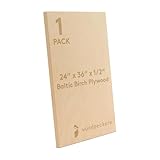
I stood in my buddy Dave’s kitchen, staring at his brand-new cabinets. They looked… fine. But Dave, usually the most excited guy about any renovation, was kinda quiet. “They’re plywood,” he mumbled, almost apologetically. I’d heard the whispers, seen the online debates, and frankly, I was skeptical. So, are plywood cabinets good quality? Let’s cut through the hype and get real about what you’re actually buying. I’ve seen my share of kitchen disasters and budget fails, and I’m here to give you the straight dope on whether plywood is a smart move or just another way to get ripped off.
Plywood Cabinets: What Exactly Are We Talking About?
Look, when people ask if plywood cabinets are good quality, they’re usually thinking about solid wood versus… well, something else. And in the cabinet world, that ‘something else’ often boils down to particleboard or MDF. Plywood isn’t some cheap imitation. It’s made by layering thin sheets of wood veneer, called plies, on top of each other with the grain running in alternating directions. Then they glue and press it all together. Think of it like cross-graining for wood. This construction makes it strong, stable, and resistant to warping and shrinking, which is a big deal when you’re building something that’s going to hold pots, pans, and probably way too many Tupperware lids.
The quality of plywood can vary wildly, though. You’ve got your cheap utility-grade stuff that might be full of voids and knots, and then you’ve got your furniture-grade or cabinet-grade plywood, which is made with much higher quality veneers and much fewer imperfections. For cabinets, you absolutely want the latter. The term ‘all-plywood construction’ is often thrown around by manufacturers, and it sounds fancy, but it just means the sides, shelves, and back of the cabinet box are made from plywood, not just the doors. This is a good sign, usually indicating a higher-end product compared to those that use MDF or particleboard for some or all of the cabinet box.
I remember helping a friend pick out cabinets for a rental property. We were on a tight budget, and the salesperson kept pushing these MDF cabinets. They looked okay, but I’d dealt with MDF before – it’s dense, heavy, and if it gets even a little bit wet, it turns into mush. I pushed back and we found a mid-range option that was all-plywood for the boxes. The slight jump in price felt worth it for the peace of mind. We weren’t aiming for a showroom, but I didn’t want to be replacing them in two years because of a minor leak under the sink.
The Good, the Bad, and the Warped: Plywood’s Real-World Performance
Here’s the gut-punch truth: plywood cabinets, when done right, are good quality. Really good. They’re significantly more durable than particleboard or MDF, especially when it comes to moisture. I’ve seen cabinets where the particleboard sides sagged under the weight of dishes, or the veneer started peeling because of steam from the dishwasher. Plywood, with its layered construction, is far less prone to this kind of failure. It holds screws well, which is important for how cabinets are installed and how they hold up over time. You’re not going to have shelves that suddenly dip because the material can’t handle the load.
However, not all plywood is created equal. Just like you can get a cheap, splintery plywood for a construction site, you can also get really subpar plywood used in cabinets. The key is what’s called ‘cabinet-grade’ plywood. This stuff has smoother veneers with fewer knots and voids. The edges are cleaner, and it generally feels more solid. If a cabinet maker or retailer is being cagey about the specific type of plywood they use, that’s a red flag. You want to know it’s designed for this kind of application, not just whatever they had lying around.
My own kitchen renovation was a bit of a learning curve. I’d bought a house with some pretty basic, older cabinets. They were solid wood doors, but the boxes were, I suspected, some kind of composite. After a small pipe burst under the sink, the bottom of one cabinet just dissolved into a soggy mess. Replacing those was a priority. I went with a mid-tier brand that advertised ‘all-plywood construction’ for the cabinet boxes and shelves. The difference was night and day. The new boxes felt incredibly sturdy, and even after a minor spill a year later, the plywood wiped clean and showed no damage. It’s that resilience that makes me a believer.
What to Look for When Buying Plywood Cabinets
When you’re shopping for cabinets and the salesperson mentions plywood, don’t just nod and smile. Ask questions. You want to know if it’s ‘cabinet-grade’ plywood. Look for information about the number of plies – more plies generally mean a stronger, more stable panel. Typically, you’ll see cabinet boxes constructed with 1/2-inch or 3/4-inch plywood. For shelves, 3/4-inch is preferred for better support. Also, check the edges of the cabinet box. Are they smooth and clean, or do you see big gaps and voids? That’s a dead giveaway for lower-quality plywood. Another detail is the finish on the plywood itself. Is it painted, stained, or simply raw? The finish can offer an extra layer of protection, especially against moisture and grime.
Don’t be afraid to tap on the panels. Does it sound solid and dense, or hollow and cheap? If you can, try to gently flex a shelf or a side panel. A good quality plywood will have very little give. I once saw a display model at a showroom where a shelf was visibly bowing under the weight of just a few sample plates. The salesperson assured me it was ‘normal wear and tear,’ but it was clearly a sign of subpar material. My rule of thumb: if it feels flimsy in the showroom, it’ll feel even flimsier in your home after a few years of actual use. (See Also: Can A 4x8 Plywood Fit In A Honda Pilot )
Consider the joinery, too. How are the pieces of plywood actually put together to form the cabinet box? Are they stapled? Glued? Doweled? Dovetailed? While not strictly a plywood issue, the construction method of the box itself speaks volumes about the overall quality. Well-made cabinets will use strong joinery methods that complement the strength of the plywood. So, when they say ‘plywood cabinets,’ make sure you’re getting plywood that’s been used in a well-constructed box.
Common Mistakes People Make (and How to Avoid Them)
The biggest mistake I see people make is assuming ‘plywood’ is a magic word that guarantees quality. It’s not. As I’ve hammered home, the grade of plywood matters. A cabinet box made from cheap, utility-grade plywood with tons of voids might still warp, delaminate, or just feel cheap. You’re getting the idea of plywood strength, but not the actual performance. Always ask what kind of plywood is used. Is it birch, oak, or a hardwood veneer plywood? Birch is common and decent. Hardwood veneers on the exterior give it a nicer look and added durability.
Another common pitfall is focusing only on the cabinet box and ignoring the doors and drawer fronts. Some ‘all-plywood’ cabinets might have solid wood doors or beautiful veneers on the doors, but if the boxes are made of inferior plywood, the whole system is compromised.
Conversely, some cabinets might use MDF or particleboard for the boxes but have high-quality, solid wood or premium veneer doors. You need to understand what material makes up every component.
My friend Sarah learned this the hard way. She bought cabinets with gorgeous solid wood doors, but the cabinet boxes were a cheap plywood that started to warp within a year, making the doors not fit quite right anymore. It looked like a bargain initially, but the overall appearance suffered.
Finally, people often underestimate the impact of moisture. Kitchens and bathrooms are inherently damp environments. Steam from cooking, splashes from the sink, condensation from dishwashers – it all takes a toll. If the plywood isn’t sealed properly, or if it’s a lower-grade plywood that’s more porous, you can still run into problems over time. For areas prone to moisture, like under the sink, look for cabinets with a specific moisture-resistant treatment or a very well-sealed plywood. Don’t just assume plywood is impervious to everything; it’s better than particleboard, but it’s not indestructible.
Comparing Plywood to Other Materials
Let’s break down how plywood stacks up against the other common cabinet box materials. It’s not always a simple ‘plywood is best’ scenario, but usually, it’s the sweet spot for value and durability.
| Material | Pros | Cons | Verdict |
|---|---|---|---|
| Plywood (Cabinet-Grade) | Strong, stable, good moisture resistance, holds screws well, less prone to warping than particleboard/MDF. Excellent for cabinet boxes and shelves. | Can be more expensive than particleboard/MDF. Quality varies significantly by grade. | Our Pick for Most Kitchens. Offers the best balance of durability, moisture resistance, and cost. Look for cabinet-grade varieties. |
| Particleboard | Cheapest option, dense. | Very poor moisture resistance (swells and disintegrates), doesn’t hold screws well, prone to sagging under weight, can off-gas formaldehyde. | Avoid for Kitchens/Baths. Only suitable for very low-moisture areas or temporary installations. |
| MDF (Medium-Density Fiberboard) | Smooth surface for painting, stable, consistent density. | Heavy, poor moisture resistance (though better than particleboard), can sag over time, doesn’t hold screws as well as plywood, dust is a respiratory hazard during cutting. | Okay for painted doors, but generally not ideal for cabinet boxes or shelves where moisture or heavy loads are a concern. |
| Solid Wood | Strongest, most beautiful, classic look, repairs are easy. | Most expensive, prone to warping/shrinking/expanding with humidity changes, can be damaged by moisture. | Great for doors and drawer fronts, but often overkill and too expensive for cabinet boxes. Requires careful climate control. |
So, why do manufacturers still use particleboard and MDF? Cost, plain and simple. They can crank out cabinets using these materials much cheaper than they can with quality plywood. If you see an incredibly low price for ‘kitchen cabinets,’ chances are they’re not using quality plywood for the boxes. You’re paying for the look of the doors, but the underlying structure is a compromise. For me, the longevity and stability of plywood, especially cabinet-grade, make it worth the extra investment. I’ve seen too many particleboard cabinets fail prematurely to ever recommend them for a main kitchen or bathroom. (See Also: Can Bondo Be Applied To Plywood )
Real-World Use: My Experience and What I’ve Learned
I’ve been through a couple of kitchen remodels, and honestly, my initial foray into cabinetry was driven by price. I bought a set of cabinets for a small bathroom reno, and the salesperson called them ‘engineered wood.’
Turns out, that was a polite way of saying particleboard and MDF. They looked decent enough when new, but within a year, the shelves were visibly sagging under the weight of toiletries and cleaning supplies. Then, a small leak from the vanity faucet caused the bottom of the cabinet box to swell up like a balloon.
It was a mess, and replacing them cost me double what I would have spent on decent plywood ones initially. That was a hard lesson in ‘you get what you pay for.’
My current kitchen has cabinets with plywood boxes and solid maple doors. The boxes are about 3/4-inch plywood. They’ve held up beautifully for five years. I’ve loaded the shelves with heavy cast iron pans, stacks of ceramic dishes, and jars full of ingredients. There’s no sag. No creaking. When I wipe them down, I don’t worry about steam damaging the material. The doors have a slight expansion/contraction with the seasons, which is normal for solid wood, but the boxes remain perfectly square and stable. It’s the stability of the plywood that makes the whole cabinet feel solid and well-built, even though the doors are often what people notice first.
I’ve also advised friends on their cabinet choices. One couple was looking at custom cabinets that were nearly $40,000. They were beautiful, solid wood everywhere, but the cabinet boxes were made from a very high-end, multi-ply hardwood plywood. The cabinet maker explained that for the kind of intricate designs and the weight of the doors they chose, solid wood boxes would have been too prone to warping and expansion, potentially affecting the door fit. The plywood offered the stability they needed. So, even at the highest end, plywood has its place. It’s not just a budget material; it’s a high-performance material when specified correctly. The key is understanding its strengths and how it’s being used.
The ‘everyone Says X, I Disagree’ Take
Here’s something that grinds my gears: the common narrative that only solid wood is ‘real’ cabinet material and anything else is a cheap imitation. Everyone says solid wood is the gold standard. I disagree, at least for the cabinet boxes themselves. For cabinet doors and drawer fronts? Absolutely, solid wood is often beautiful and desirable. But for the cabinet boxes and shelves? Solid wood is often overkill and, frankly, more problematic than good quality plywood. Solid wood expands and contracts significantly with changes in humidity and temperature. This movement can cause doors to misalign, drawers to stick, and even the cabinet box itself to warp over time, especially in kitchens and bathrooms where humidity fluctuates.
Good quality, cabinet-grade plywood, on the other hand, is incredibly stable. Its cross-graining construction resists expansion and contraction much better than solid wood. This means your cabinet doors will hang straight, your drawers will slide smoothly, and the overall structure will remain sound for decades. Plus, plywood generally holds screws and hardware better than solid wood, which can sometimes split. So, while solid wood has its place for aesthetic fronts, for the structural integrity and long-term performance of the cabinet box, I’ll take well-made plywood any day of the week. It’s a more practical, stable, and often more durable choice for the backbone of your cabinetry.
Are Plywood Cabinets Good Quality? Faq
Are Plywood Cabinets Better Than Mdf?
Yes, generally speaking, cabinet-grade plywood is better than MDF for cabinet boxes and shelves. Plywood’s layered construction makes it stronger, more stable, and significantly more resistant to moisture damage. MDF is denser and smoother, making it excellent for painted doors, but it can swell and disintegrate if it gets wet and is more prone to sagging under heavy loads compared to plywood. (See Also: Can Cat Plywood Be Used For Exterior Siding )
Can Plywood Cabinets Warp?
While less prone to warping than solid wood due to its cross-graining, lower-quality plywood or plywood exposed to extreme moisture can still warp. Cabinet-grade plywood, made with multiple thin plies and proper sealing, is very stable. However, any wood product can be affected by severe humidity fluctuations or direct water exposure. Proper installation and maintenance are key to preventing warpage.
How Long Do Plywood Cabinets Last?
When constructed with quality cabinet-grade plywood and properly maintained, plywood cabinets can last for many decades, often 30-50 years or even longer. Their durability and resistance to common issues like moisture and sagging contribute to their longevity. The lifespan also depends on the quality of the hardware, the finish applied, and the overall care they receive, much like any other type of cabinet.
Is ‘all Plywood Construction’ a Good Indicator of Quality?
Yes, ‘all plywood construction’ is generally a very good indicator of higher quality. It means that the entire cabinet box – the sides, top, bottom, and shelves – is made from plywood, rather than using cheaper materials like particleboard or MDF for some components. This makes sure greater strength, stability, and moisture resistance throughout the entire cabinet structure, leading to a more durable and long-lasting product.
What’s the Difference Between Hardwood Plywood and Softwood Plywood for Cabinets?
For cabinets, you’ll typically see hardwood plywood, often with veneers of birch, maple, oak, or cherry. Hardwood plywood offers a smoother finish, greater strength, and a more attractive appearance for visible surfaces. Softwood plywood (like pine) is generally less dense, may have more knots, and is not as aesthetically pleasing or durable for fine cabinetry, though it might be used for cabinet backs in some budget options. Always aim for hardwood plywood for cabinet boxes and shelves.
Final Thoughts
So, to wrap this up, are plywood cabinets good quality? My answer is a resounding yes, with a big asterisk: you need to make sure it’s cabinet-grade plywood. Don’t just take the word ‘plywood’ at face value. Ask about the grade, the number of plies, and look for clean edges and a solid feel. I’ve wasted money on cheaper alternatives that failed me, and I’ve seen the long-term benefits of investing in quality plywood construction. It’s the unsung hero of durable cabinetry.
When you’re deciding, think about your budget, but also about how long you expect these cabinets to last and how you plan to use your kitchen or bathroom. If you want cabinets that can handle daily life, resist moisture issues, and hold their shape for decades, then quality plywood is a fantastic choice. It’s a smart investment that pays off in durability and peace of mind. Don’t let anyone tell you that only solid wood is worth it for the boxes; the stability of plywood is often superior for that specific application.
My advice? Go to a reputable showroom, touch the cabinets, ask the tough questions, and trust your gut. If a cabinet feels flimsy or the explanation about the materials is vague, walk away. Your future self will thank you for choosing well-built, quality plywood cabinets that stand the test of time.