You’re standing in a showroom, or maybe scrolling online, and you see it – “plywood construction.” It sounds sturdy, right? Like something that’ll hold up to your kid slamming cabinet doors or your enthusiastic (read: messy) cooking sessions. I’ve been there, staring at options, trying to figure out what’s actually built to last and what’s just fancy marketing speak. The question of ‘are plywood kitchen cabinets durable’ is a big one when you’re dropping serious cash on your kitchen.
Honestly, the term ‘plywood’ can make some people flinch, picturing cheap furniture. But in the kitchen cabinet world, it’s often a sign of quality. Let’s cut through the noise and talk about what really matters.
Plywood Cabinets: What’s Actually Under the Hood?
When people ask ‘are plywood kitchen cabinets durable’, they’re often picturing that cheap stuff you get for particle board furniture. And yeah, some particle board is garbage. But good plywood is a completely different beast, especially for cabinets. Think of it like this: plywood isn’t just one solid piece of wood; it’s layers and layers of thin wood veneers, glued together with their grain running in alternating directions. This cross-graining is the secret sauce.
Why is that important? It makes the wood way stronger and more stable. Unlike solid wood, which can warp, twist, and crack as the humidity changes (which, let’s face it, happens constantly in a kitchen with steam from cooking and dishwashers), plywood is way less prone to those issues. This stability means your cabinet boxes will stay square and true, year after year. I’ve seen cheap particle board cabinet drawers sag and their joints pull apart after just a few years of moderate use. Plywood, when it’s good quality, just doesn’t do that.
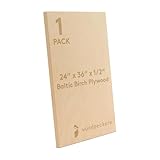
The number of plies matters too. You want cabinets made from multi-ply hardwood plywood. We’re talking at least 7-ply or even 9-ply for the sides and bottoms of the cabinet boxes, and often 3/4-inch thickness. This isn’t the thin stuff you see on the back of cheap bookshelves. This is dense, strong material. I remember a kitchen I did about five years ago where the client insisted on the cheapest option, which was basically thick cardboard with a veneer. Within two years, the bottoms of the cabinet boxes were bowing from the weight of dishes. We ended up redoing it with good quality plywood, and it’s been rock solid ever since. That’s the difference good material makes.
Now, not all plywood is created equal. There’s MDF (medium-density fiberboard) and particle board that sometimes get lumped in, and those are generally less durable than true hardwood plywood. But when manufacturers talk about ‘plywood cabinets,’ they usually mean the good stuff. It’s the backbone of a cabinet that holds everything together. (See Also: Can A 4x8 Plywood Fit In A Honda Pilot )
The Real-World Test: How Plywood Holds Up
Let’s talk about the real life of a kitchen. It’s not a sterile showroom. It’s a battlefield. You’ve got kids, pets, dropped pans, spills, and the general chaos of making meals. So, are plywood kitchen cabinets durable enough for this? In my experience, overwhelmingly yes, when it’s the right kind of plywood.
Think about the stresses a cabinet box endures. It holds up shelves, drawers, and all your kitchen stuff. It’s constantly being opened and closed, jostled, and sometimes even leaned on. The joints are where things often fail first. With plywood, the layered construction provides a really solid surface for screws and staples to grip. This means the connections between the panels – like the sides to the back, or the sides to the base – are much less likely to loosen or pull apart over time compared to solid wood or, especially, particle board.
I had a situation a few years back with a rental property. The previous owner had installed cabinets that looked okay, but I later found out they were made with a lower-grade plywood and a lot of cheap glue. When we had a small leak under the sink, the cabinet base warped and started to delaminate – the layers of plywood started separating. It was a mess. That taught me that even with plywood, the quality of the materials and the manufacturing process is most important. You need marine-grade or furniture-grade plywood with waterproof glues for the best durability, especially in areas prone to moisture like under sinks.
Another thing to consider is impact resistance. While solid wood might dent or scratch on the surface, good plywood is less likely to crack or splinter from a sharp impact. The alternating grain directions help absorb shock more effectively. I’ve seen cheap pressboard cabinets literally crumble when a heavy pot was accidentally dropped near them. Plywood, on the other hand, is generally much more forgiving. For a busy family kitchen, that resilience is a huge plus.
So, when you’re looking at cabinets, don’t just glance at the finish. Ask about the construction of the box. Is it solid wood? Is it particle board? Or is it plywood? If it’s plywood, ask how many plies and what kind of wood. These details tell you a lot about its long-term durability. (See Also: Can Bondo Be Applied To Plywood )
What’s the Difference Between Plywood and Particle Board?
Plywood is made from thin sheets of wood veneer glued together with alternating grain directions, making it strong and stable. Particle board, on the other hand, is made from wood chips and sawdust mixed with resin and pressed together. It’s generally less dense, less moisture-resistant, and more prone to sagging and crumbling than plywood.
Common Mistakes and What to Look For
It’s easy to get this wrong, and honestly, I’ve made my own share of mistakes buying kitchen components over the years. The biggest mistake people make when evaluating if ‘are plywood kitchen cabinets durable’ is assuming all plywood is created equal. It’s not. The cheap stuff is, well, cheap for a reason. You need to be a bit of a detective.
First off, look at the thickness. For cabinet boxes, you generally want to see at least 1/2-inch thick material, and 3/4-inch is even better, especially for the base and shelves. Thinner material is more prone to bowing under weight. Then, check the number of plies. As mentioned, 7-ply or 9-ply hardwood plywood is a good indicator of strength. Avoid anything advertised as “engineered wood” if you can’t get specifics – it’s often a vague term that can cover anything from particle board to MDF to lower-grade plywood.
Here’s a contrarian opinion: Many people swear by solid wood for cabinet boxes. I disagree, and here’s why: while a beautiful piece of solid oak or maple might look nice, it’s inherently less stable than good plywood in a kitchen environment. Solid wood expands and contracts significantly with changes in humidity, which can lead to joints loosening, doors warping, and even cracks developing over time. Plywood’s cross-graining minimizes this movement. So, while solid wood doors are great, for the actual cabinet box, I’ll take high-quality plywood any day of the week for longevity and stability.
Another common mistake is focusing solely on the exterior finish. A beautiful paint job or stain can hide a multitude of sins underneath. Always try to see the actual construction of the cabinet box. If you’re buying online, look for detailed specifications. Reputable manufacturers will often state the type of plywood used and its construction (e.g., 7-ply birch plywood). If they’re cagey about it, that’s a red flag. (See Also: Can Cat Plywood Be Used For Exterior Siding )
When it comes to drawers, look for drawer boxes that are also made of plywood, not just particle board. Dovetail joinery is a sign of quality for drawer boxes, as it’s incredibly strong and durable. Even if the drawer box isn’t dovetail, at least make sure it’s plywood and not some thin, flimsy material that will fall apart after a few months of use. I once bought a vanity where the drawer box was basically thick cardboard. It lasted about three months before the bottom sagged and the sides started to split. Never again.
Plywood vs. Other Cabinet Materials: A Quick Breakdown
When you’re trying to figure out ‘are plywood kitchen cabinets durable,’ it helps to see how they stack up against the competition. It’s not always black and white, and sometimes the “best” material depends on your budget and priorities. But for overall durability and value
Final Thoughts
So, are plywood kitchen cabinets durable? The answer is a solid yes, but with a important caveat: the quality of the plywood and the way it’s constructed and installed. Forget those cheap, flimsy particle board boxes you might have encountered. When you’re looking at solid, multi-ply hardwood plywood, you’re looking at a material that’s built to withstand the daily grind of a busy kitchen for decades.
Don’t just take a manufacturer’s word for it. Ask about the plies, the thickness, and the type of wood. Look at the joinery. A little bit of detective work now can save you a whole lot of headaches and money down the road. If you’re investing in a kitchen remodel, prioritizing quality plywood for your cabinet boxes is one of the smartest moves you can make for long-term durability and satisfaction.
Next time you’re cabinet shopping, remember that the real strength lies not just in the finish, but in the foundation. Is your kitchen built to last?