I still remember the sinking feeling. I’d just dropped a small fortune on these gorgeous, supposedly indestructible quartz countertops, only to see the installer gently place them onto… plywood. Plywood! My brain screamed, ‘This can’t be right!’ I’d pictured some fancy, custom-built substrate, not something I could pick up at the lumber yard. I’d read all the glossy magazine articles and watched the slick YouTube videos, and none of them mentioned this seemingly humble base.
So, let’s cut to the chase: are quartz countertops laid on plywood? The short, blunt answer is: yes, often they are. But that doesn’t tell the whole story, and it’s important to understand why and when this is the correct approach, and when it’s not. This isn’t just about aesthetics; it’s about structural integrity and avoiding headaches down the line.
Why Plywood Isn’t the Enemy You Think It Is
Look, I get it. When you’re shelling out serious cash for quartz, you want the absolute best, most solid foundation possible. The idea of a material like plywood, often associated with DIY projects and temporary structures, supporting something as high-end as quartz feels… wrong. I felt it too. My initial thought was that the fabricator was cutting corners, trying to save a buck. But after years of dealing with kitchen renovations and a few costly mistakes, I’ve learned that sometimes the simplest solution is the best, provided it’s done correctly.
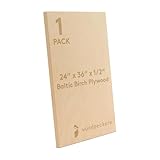
The reality is, quartz slabs are heavy. Really heavy. They need a solid, stable base that won’t flex, warp, or sag under their considerable weight, especially over time. Plywood, when used in the right thickness and properly supported, absolutely provides this. It’s not just a random piece of wood thrown underneath. The specific type of plywood, its thickness, and the cabinet structure it’s attached to are all important factors. Most commonly, a 3/4-inch hardwood plywood, like birch or maple, is used. This provides a smooth, rigid surface that distributes the weight evenly and prevents the quartz from cracking or chipping due to uneven pressure.
Think of it this way: your kitchen cabinets are the primary support structure. They are designed and built to bear significant loads. The plywood acts as an intermediary, a smooth, consistent layer that bridges the gap between the slightly uneven top of the cabinets and the perfectly flat, yet potentially brittle, underside of the quartz slab.
Without it, you’d be relying on the cabinet tops alone to provide a perfectly level and uniformly supported surface, which is rare. Any slight inconsistencies in the cabinet tops could lead to stress points on the quartz, making it more susceptible to damage.
So, while it might not sound glamorous, the plywood under your quartz is doing a vital job of making sure longevity and preventing disaster.
I once had a friend who insisted on a ‘premium’ substructure for his quartz. He convinced the installer to use a specialized cement board. Sounds more industrial, right? Well, within a year, he had a hairline crack radiating from the sink cutout. The cement board, while rigid, was too brittle and didn’t offer the slight give needed to absorb minor vibrations or temperature fluctuations that can occur in a kitchen. The quartz experienced stress, and it failed. It was a hard lesson that ‘more’ isn’t always ‘better’ when it comes to countertop substrates.
What to Look for: The Devil’s in the Details
Alright, so plywood can be the right choice. But that doesn’t mean just any plywood will do, or that it should be installed haphazardly. This is where you need to be an informed consumer, because ‘yes, it’s plywood’ can hide a multitude of sins. The first thing you should be asking about, and observing, is the thickness and type of plywood. For most standard quartz installations, 3/4-inch hardwood plywood is the go-to. Why hardwood? Because it’s denser, stronger, and less prone to warping than softwood plywood. Brands like Birch or Maple plywood are excellent choices due to their stability and smooth finish.
Then there’s the installation itself. The plywood shouldn’t just be laid on top of the cabinets and left to its own devices. It needs to be securely fastened to the cabinet frames. This usually involves screws or construction adhesive, making sure that the plywood becomes an integral part of the cabinet structure. If the plywood is loose, it’s a recipe for disaster, regardless of its thickness. You should be able to tap on it and feel that it’s solid and attached. Ask your installer about their fastening method. They should be able to explain it clearly. (See Also: Can A 4x8 Plywood Fit In A Honda Pilot )
Another detail to consider is how the plywood is cut and fitted. It should be cut to precisely match the dimensions of your cabinets, with cutouts for sinks, cooktops, and faucets made cleanly and accurately. A poorly cut piece of plywood, with rough edges or ill-fitting seams, can telegraph imperfections through the quartz, or worse, create an uneven surface that compromises the installation. The goal is a perfectly flat, smooth, and stable plane for the quartz to rest on.
I learned this the hard way during a bathroom remodel. The contractor used a thinner, cheaper grade of plywood for the vanity top. It looked okay at first, but after a few months, I noticed a slight dip right in the middle.
Turns out, the cheaper plywood was starting to sag under the weight of the quartz and the daily use of the sink. It wasn’t a catastrophic failure, but it was annoying, and it meant the countertop had to be removed and the substrate replaced. A few extra dollars for the right thickness and grade of plywood would have saved me that hassle and expense. So, when they say plywood, probe deeper: what kind, how thick, and how is it attached?
Common Mistakes and What to Watch Out For
It’s easy to get this wrong, and when you’re dealing with heavy, expensive slabs of stone-look material, the stakes are high. The most common mistake I see people make is assuming that the installer knows best, without asking any questions. While most installers are competent, not all of them are created equal, and some might take shortcuts if they think you won’t notice. Always, always ask. Your kitchen is a significant investment, and you have every right to understand the process.
One big mistake is using a substrate that’s too thin. We’ve touched on this, but it bears repeating. If the plywood is too thin – say, 1/2 inch or less – it simply won’t have the structural integrity to support the weight of the quartz, especially over longer spans or around sink cutouts. This can lead to sagging, cracking, or even catastrophic failure. Another issue is using the wrong type of plywood. Standard construction-grade plywood, often made from softer woods, is more susceptible to moisture damage and warping. For a kitchen environment, you need something more stable and durable, hence the recommendation for hardwood plywood.
Then there’s the issue of seams. If you have a very long countertop run, you might have seams in your plywood substrate. These seams need to be perfectly flush and properly supported. If they aren’t, they can create a weak point. Sometimes, installers will butt two pieces of plywood together without adequate support underneath, which is a major red flag. The plywood should be glued and screwed together, and ideally, there should be cabinet supports directly beneath any plywood seams. I once saw a countertop installation where the plywood seam was right over an empty cabinet space, and the quartz above it flexed noticeably when you pressed down. That’s a ticking time bomb.
Another mistake people make is overlooking the support structure of the cabinets themselves. If your cabinets are old, poorly constructed, or not installed plumb and level, even the best plywood substrate won’t save you. The cabinets need to be sound.
This means checking for any wobbling, making sure they are securely anchored to the wall, and that their tops are as level as possible. If the cabinets are not up to par, they need to be reinforced or shimmed before the plywood and countertop go on. This is often overlooked, and it’s a fundamental part of a successful quartz installation.
My sister’s kitchen cabinets were slightly off-level, and instead of fixing them, the installer just used a thicker layer of adhesive to compensate. It worked for a while, but eventually, the uneven pressure caused a hairline fracture near the edge of her island. (See Also: Can Bondo Be Applied To Plywood )
The Cabinetry: Your Quartz’s True Foundation
Let’s be clear: the plywood is a secondary support layer. The real, primary foundation for your quartz countertops is your kitchen cabinetry. If your cabinets are weak, wobbly, or not properly installed, you’re setting yourself up for problems, no matter how perfect the plywood and quartz are. This is where a lot of the confusion about ‘what do quartz countertops sit on?’ originates. People often focus solely on the immediate layer under the quartz, forgetting the entire system.
Good quality cabinets are typically made from solid wood or high-density particleboard (like MDF or plywood itself). They are designed to withstand the weight of countertops, appliances, and the general wear and tear of a busy kitchen. When quartz is installed, the installer will make sure the cabinets are level and plumb. If there are any minor imperfections, shims are used to create a perfectly flat plane. This is important because quartz, while durable, is also brittle. It needs a uniform surface beneath it to prevent stress points.
The cabinets also provide the anchor points for the plywood. The plywood is screwed and glued to the top edge of the cabinet frames. This connection is what gives the plywood its rigidity and stability. Think of it like building a house: you don’t just pour concrete directly onto the dirt; you build a foundation, then frame the walls. The cabinets are your foundation, the plywood is your subfloor for the countertop, and the quartz is your finished flooring. Each layer needs to be sound.
I learned this lesson when I bought a fixer-upper house. The kitchen cabinets were original to the 1970s and looked like they were about to collapse. I initially planned to just put new countertops on them, but a wise contractor took one look and said, ‘You’re putting lipstick on a pig.’ He explained that even the heaviest granite or quartz would eventually cause those flimsy cabinets to sag or even fail. We ended up replacing the cabinets, and the new quartz countertop installation was rock solid. It was a much bigger project than I’d planned, but it was the only way to do it right. Always assess the health of your cabinets first.
Quartz Countertop Installation: Plywood vs. Alternatives
| Substrate Material | Pros | Cons | Verdict (My Opinion) |
|---|---|---|---|
| Hardwood Plywood (3/4″) | Cost-effective, provides a smooth, rigid surface, good weight distribution, readily available. | Can be susceptible to water damage if exposed, requires proper fastening. | Excellent Choice. The industry standard for good reason. Stable and reliable when installed correctly. |
| Cement Board | Very rigid, water-resistant. | Can be brittle, less forgiving of minor imperfections, can add significant weight, requires special fasteners. | Generally Not Recommended for quartz. Too brittle and doesn’t absorb minor stresses well, leading to potential cracking. |
| Solid Wood Panels (e.g., butcher block) | Strong, can offer a unique look if visible. | Can warp or expand with humidity changes, more expensive than plywood, requires careful sealing. | Situational. Can work if very stable and well-sealed, but often overkill and more prone to issues than plywood. |
| Directly on Cabinet Tops (if perfectly level) | Simplest, saves material cost. | Rarely a perfectly flat surface from cabinets alone, difficult to achieve uniform support, high risk of cracking. | Avoid. Too risky. The slight imperfections in cabinet tops can cause major problems for quartz. |
When people ask about alternatives to plywood for laying quartz countertops, they’re often thinking of something ‘better’ or more ‘premium.’ While alternatives exist, they often come with their own set of drawbacks. Cement board is sometimes suggested because it’s rigid and moisture-resistant. However, it’s also very brittle. Quartz is a heavy material, and while it’s strong in compression, it’s susceptible to cracking if there are any point loads or uneven flexing. Cement board doesn’t offer the slight flex or cushioning that plywood does, making it more prone to transmitting stress directly to the quartz, potentially leading to cracks, especially around sink cutouts. I’ve seen installations where the cement board cracked first, taking the quartz with it.
Another option, though less common for standard kitchen countertops, is a solid wood panel like butcher block. If you’re using a very stable, kiln-dried hardwood that’s properly sealed, it can provide a strong base. However, wood is a natural material that expands and contracts with humidity. This movement can create stress on the quartz over time. Plywood, especially hardwood plywood, is generally more stable in terms of dimensional changes. Plus, butcher block is often more expensive and requires more maintenance. For the vast majority of quartz installations, the cost-effectiveness, stability, and ease of installation make hardwood plywood the superior choice. The key is always in the quality of the plywood and the precision of the installation.
Practical Tips for a Rock-Solid Installation
So, you’ve decided that plywood is the way to go, or perhaps your installer has convinced you of this. Here are a few practical tips to make sure your quartz countertop installation is as solid as can be. First and foremost, don’t be shy about asking questions. I’ve hammered this point home because it’s the most important thing you can do. Ask about the specific type and thickness of the plywood. Ask how it will be secured to the cabinets. Ask how seams will be handled. A good installer will be happy to explain the process and address your concerns. If they get defensive or vague, that’s a red flag.
Second, inspect the plywood before it’s installed. Look for any signs of damage, warping, or delamination. You want smooth, clean sheets of hardwood plywood. If you notice any issues, point them out to the installer immediately. It’s much easier to swap out a bad sheet before it’s permanently affixed to your cabinets. Also, make sure the plywood is cut to fit snugly against any cabinet doors or drawers, without obstructing their operation. Precision matters here.
Third, pay attention to the cabinet structure itself. As mentioned before, the cabinets need to be level and securely fastened to the wall. If your cabinets are old or look a bit wobbly, mention this to your installer early on. They might be able to reinforce them or advise you to get them repaired or replaced first. A solid cabinet base is a must for a lasting countertop. Don’t let a slick new countertop sit on a shaky foundation. It’s like putting racing tires on a rusty old clunker – it just won’t perform as it should, and it’s a ticking time bomb. (See Also: Can Cat Plywood Be Used For Exterior Siding )
Fourth, consider the weight distribution around heavy fixtures. Sink cutouts and cooktop cutouts create significant openings in the substrate. The plywood needs to be adequately supported around these areas. This usually means adding extra bracing or making sure that the cabinet frames directly support the plywood edges around the cutouts.
Your installer should have specific methods for reinforcing these areas to prevent the quartz from sagging or cracking under the weight of the sink or cooktop, or from stress caused by their installation. Don’t let them just cut a hole and hope for the best. For example, I had a large farmhouse sink installed, and the installer added extra plywood support strips around the entire sink perimeter, making sure there was no flex whatsoever.
Finally, understand the expansion and contraction. While quartz is very stable, temperature fluctuations in a kitchen can cause slight movement. The installation should account for this. The adhesive used to attach the quartz to the plywood, and sometimes the plywood to the cabinets, should have some flexibility. This is another reason why a perfectly rigid, unyielding substrate like cement board can be problematic. The materials need to work together, accommodating minor shifts without failing.
The Faq: Your Burning Questions Answered
Do Quartz Countertops Need a Plywood Subfloor?
Yes, in most standard installations, quartz countertops are laid on a 3/4-inch hardwood plywood substrate. This plywood acts as a important intermediary layer that provides a smooth, rigid, and stable surface to evenly distribute the weight of the heavy quartz slab and prevent cracking. It bridges any minor imperfections in the cabinet tops and makes sure consistent support.
Can Quartz Countertops Be Installed Directly on Cabinets?
While theoretically possible if your cabinet tops are absolutely perfectly level and smooth, it is strongly not recommended. Cabinets rarely offer the perfectly uniform surface required. Even minor dips or humps can create stress points in the brittle quartz, leading to cracks over time. The plywood substrate is key for making sure even weight distribution and preventing premature failure.
What Happens If Quartz Countertops Are Not Installed on Plywood?
If quartz countertops are installed without a proper plywood substrate (or an equivalent stable base) directly on uneven cabinet tops or on an inadequate material like brittle cement board, they are at a much higher risk of cracking. This can occur due to uneven stress, flexing, or point loads, especially around sink cutouts or heavy appliances. The warranty may also be voided if the installation does not meet industry standards.
Is 1/2 Inch Plywood Strong Enough for Quartz Countertops?
No, 1/2-inch plywood is generally not considered strong enough for supporting quartz countertops. Quartz slabs are very heavy, and a thinner plywood substrate can flex or sag under the weight, leading to stress on the quartz and potential cracking. A minimum of 3/4-inch hardwood plywood is the standard recommendation for making sure adequate structural integrity.
Can I Use Particle Board or Mdf Instead of Plywood for Quartz Countertops?
It is generally not recommended to use particle board or MDF as a direct substrate for quartz countertops. While these materials can be rigid, they are far more susceptible to moisture damage and degradation in a kitchen environment. If exposed to even minor leaks or spills, they can swell and lose their structural integrity, compromising the countertop installation. Hardwood plywood is the preferred choice for its stability and durability.
Final Thoughts
So, there you have it. The seemingly humble plywood beneath your gorgeous quartz countertop isn’t a sign of cheapness, but often a testament to a sound, time-tested installation practice. It’s about creating a stable, even platform that allows the beauty and durability of quartz to truly shine, without succumbing to the stresses of daily life.
The takeaway here is simple: don’t just accept ‘yes, it’s plywood.’ Understand what kind, what thickness, and how it’s being installed. Your cabinets are the foundation, the plywood is the important next layer, and the quartz is the crown. Each has to be right.
If you’re in the market for new quartz countertops, or even just contemplating a refresh, remember this conversation. Ask the right questions, trust your gut, and make sure that whatever is going down before your quartz is going to hold it up for decades to come. Because are quartz countertops laid on plywood? More often than not, they should be, and here’s why you need to make sure it’s done right.