I remember the first time I realized my RV door lock was… well, not great. It was midnight, raining sideways, and I was fumbling with a key that felt like it was made of recycled tin foil. The lock cylinder spun freely, and I swear I heard a tiny clunk from inside. Panic set in – not because I thought someone was trying to break in, but because I thought the whole damn door was about to fall off. That’s when the question hit me: are RV camper door locks universal? Because at that moment, I’d have bought a universal lock if one existed.
The truth is, the idea of a universal RV door lock is a nice thought, but the reality is a bit more complicated. It’s like hoping all house doors use the same key. Spoiler alert: they don’t, and neither do RVs. But understanding what is out there, and what might actually work for you, is key to not having your own midnight rainstorm panic.
Are RV Camper Door Locks Truly Universal? The Short (and Frustrating) Answer
Let’s cut to the chase: are RV camper door locks universal? No. Not in the way you’re probably hoping. If you’re picturing a single, magical lock that fits every single RV door ever made, you’re going to be disappointed.
I learned this the hard way, staring at a handful of ill-fitting locks I’d ordered online, convinced one of them had to be the one. They weren’t. The market for RV door locks is fragmented, with different manufacturers, different door thicknesses, and different mounting styles. Think of it like trying to find a single tire that fits every car.
It just doesn’t work that way. Most RV doors use what’s called an ‘entry door lockset’, which usually includes a handle, a deadbolt, and sometimes a paddle latch. These come in various configurations, and even seemingly identical ones can have subtle differences that make them incompatible.
The core issue is that RV manufacturers don’t all use the same supplier for their doors and locks. Fleetwood might use one type of lock mechanism, while a Forest River might use another, and even within those brands, different models or production years could have variations. I’ve seen doors where the cutout for the lock is slightly off, or the depth of the door itself requires a different spindle length on the lock mechanism.
It’s enough to make you want to just nail the door shut and climb in through a window. I once spent an entire afternoon trying to make a ‘universal’ lock fit a door it clearly wasn’t designed for. I ended up stripping a screw hole and having to patch it later. Lesson learned: ‘universal’ often means ‘will probably fit some things, but not your thing perfectly’.
The common advice you’ll find online is often to just measure everything and order. And yeah, you do need to measure, but that’s only the first step. You also need to understand the terminology and the specific features of your existing lock.
Is it a full-on lockset with a deadbolt and handle, or is it just a basic paddle latch? What’s the backset of the latch?
How thick is your door? These are the questions you need to be asking yourself before you click ‘add to cart’. Relying on the word ‘universal’ is a recipe for frustration and wasted money. I’ve wasted probably $150 over the years on locks that ended up being close but not quite right, eventually donating them to a fellow camper who might have had better luck.
What Actually Makes an RV Door Lock ‘fit’? It’s All About the Details
So, if ‘universal’ is out, what does make an RV door lock fit? It boils down to a few key measurements and features that are specific to your RV door. The most important is the door thickness. RV doors are typically made of composite materials or aluminum and vary in thickness, usually between 1.5 inches and 2.5 inches. If your new lock isn’t designed for your door’s thickness, it simply won’t mount correctly. The screws won’t grab, or the mechanism will be too loose. I’ve seen people try to shim locks with cardboard or plastic – don’t do that. It’s a security risk and looks terrible.
Then there’s the cutout size and shape. The hole in your RV door where the lockset goes is cut to a specific dimension and pattern.
While many RV door locks use a standard rectangular cutout for the main body and a smaller hole for the deadbolt, the exact dimensions can vary. You need to measure the existing holes precisely.
Another factor is the backset of the latch. This is the distance from the edge of the door to the center of the latch mechanism. (See Also: Are Sesame Seeds Kosher For Passoveris Pollock Kosher )
Common backsets are 2.5 inches or 3.5 inches. If this doesn’t match, the latch won’t align with the strike plate on the RV frame. This is a common point of failure for ill-fitting locks, leading to doors that don’t close properly or locks that are hard to operate.
The type of mechanism itself matters too. You have your basic paddle latches, which are simple and often found on utility compartments or older RVs. Then you have full entry door locksets, which include an interior handle, an exterior handle, and usually a deadbolt. These are what most people mean when they ask about RV door locks.
Some locksets are integrated units, while others have separate components. Understanding what you currently have, or what you want to replace it with, is important. I’ve seen people get confused between a simple passage latch and a full entry lock with deadbolt functionality.
Make sure you know what you’re buying and that it’s designed for an RV door, not a house door. House door locks are designed for solid wood and different mounting systems. They’re generally thicker and heavier, and the bolt mechanisms are different.
Finally, consider the mounting screws. The spacing and type of mounting screws can differ between locksets. If the new lock has different screw hole spacing than your old one, you might have to drill new holes, which, again, is something to do with caution and precision. I once bought a lock where the screws were just a hair too wide for the existing holes, and I had to carefully file them down. It worked, but it wasn’t ideal. It’s always best to try and find a lock that uses the same mounting points if possible. This is where knowing the make and model of your RV, and sometimes even the original door manufacturer, can be a lifesaver.
Common Mistakes People Make When Replacing RV Door Locks
The biggest mistake, as we’ve touched on, is the blind faith in the word ‘universal’. It’s a marketing buzzword that’s often misleading. People see ‘universal RV door lock’ and click ‘buy’ without doing any measuring or research. They end up with a lock that looks right but doesn’t fit the door’s thickness, has the wrong cutout dimensions, or uses incompatible mounting hardware. I’ve seen friends show up at my campsite with a brand new lock that they can’t even get the screws into properly. It’s a frustrating situation, especially when you’re out on the road and need a secure door.
Another common error is not understanding the different types of RV door locks. There are basic paddle latches, full entry locksets with deadbolts, and then the fancy electronic or smart locks. If you’re trying to replace a simple paddle latch with a complex integrated lockset, you’re going to run into significant installation challenges, potentially requiring modifications to the door itself. You need to match the functionality and complexity of what you’re replacing, or be prepared for a more involved installation.
I remember a buddy who replaced his old, basic latch with a high-end RV lockset that had a keypad. He figured it would be a simple swap. Turns out, the door cutout was entirely different, and he ended up having to cut into the door frame to make it work. Not ideal for a rental RV.
People also forget about the strike plate. The strike plate is the metal piece on the RV frame that the latch and deadbolt engage with.
If you get a new lockset, you might need to replace the strike plate to make sure proper alignment. Sometimes the new lock’s bolt extends further or retracts differently, requiring a different strike plate position or shape.
Failure to consider this can result in a lock that doesn’t engage properly, making your door insecure or difficult to lock. I’ve seen people struggle with locks that just wouldn’t quite catch because the strike plate was slightly off. It’s a small part, but it’s important for the lock to function correctly. It’s also important to consider the handle type.
Some RV doors have a pull-handle and a separate deadbolt, while others have an integrated lockset with both functions in one unit. Mixing these up will lead to installation headaches.
Lastly, there’s the issue of brand lockouts or proprietary systems. Some RV manufacturers, or even specific RV door manufacturers, might use locks that are specific to their products. These aren’t necessarily ‘universal’ and might require ordering directly from the RV dealer or a specialized RV parts supplier. I once had to track down a specific lock for an older Fleetwood model, and it took weeks and cost an arm and a leg. It wasn’t listed anywhere online as a standard part. Always do a quick search for your specific RV make and model plus ‘door lock’ before assuming any aftermarket part will fit. This can save you a lot of grief and money. (See Also: Are Sliding Door Locks Common )
What to Look for: Features and Brands That Actually Work
When you’re looking for a replacement RV door lock, ditch the ‘universal’ label and focus on what matters. First, identify the type of lock you have or want. Are you replacing a simple paddle latch, or a full entry lockset with a deadbolt? For full entry locksets, you’ll typically see options that include a handle, a deadbolt, and sometimes a separate lock for the handle itself. Brands like RVLock, Bauer Products, and Trimark are popular choices in the RV aftermarket. RVLock, in particular, has gained a reputation for its solid, often keyless entry options, which many owners rave about. Their newer models often feature keypads and remote access, which is a nice upgrade from traditional keys.
Pay close attention to the specifications. You need to know your door thickness (usually between 1.5 and 2.5 inches), the backset of the latch (common are 2.5 or 3.5 inches), and the dimensions of the cutouts in your door.
Many manufacturers will provide detailed diagrams and measurement guides on their websites. If you can’t find this information, you might have to carefully remove your old lock and measure it directly. Take pictures!
Lots of them. Measure from edge to edge, and from the center of one hole to the center of another.
This is where having a good tape measure and a bit of patience pays off. I usually take pictures of the lock from the inside and outside, and then close-ups of the bolt mechanism and the strike plate.
Consider the material and build quality. RV doors are exposed to the elements, so you want a lock that’s durable and resistant to corrosion. Stainless steel or powder-coated aluminum are good choices. Cheap pot metal locks will corrode and seize up quickly in humid or salty environments. I’ve had cheap locks that looked okay for a year and then started to rust and jam. It’s worth spending a little more upfront for something that will last. Look for locks that mention weather resistance or are specifically designed for outdoor use.
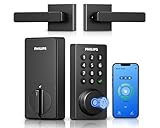
If you’re looking for an upgrade, electronic or smart locks are becoming increasingly popular. These often feature keypads, remote fobs, or even Bluetooth connectivity that allows you to lock and open your RV door from your smartphone. RVLock is a big player here, but other brands are entering the market. The advantage is convenience – no more fumbling for keys in the dark. The disadvantage can be battery life, potential electronic failures, and a higher cost. However, many of these also come with a traditional key backup, so you’re not completely stuck if the electronics fail. Always check reviews for these types of locks; people are usually very vocal about reliability issues.
Here’s a quick rundown of some popular options and what to consider:
| Brand/Type | Pros | Cons | My Verdict |
|---|---|---|---|
| RVLock (Keyless Entry) | Convenient, modern, good security features, often easy to install | Higher cost, battery dependent, potential for electronic glitches | Great upgrade if you value convenience and are willing to spend a bit more. Excellent security. |
| Bauer Products | Durable, often a good direct replacement, wide variety of styles | Can be pricier than basic locks, some models may still require careful measurement | Reliable, solid construction. A good ‘no-nonsense’ choice for many RVs. |
| Trimark | Original equipment manufacturer for many RVs, good quality | Can be hard to find aftermarket, sometimes expensive if ordering direct | If you can find the exact replacement, it’s usually a perfect fit. |
| Basic Paddle Latch | Simple, inexpensive, easy to operate | Low security, not suitable for main entry doors, can be flimsy | Fine for storage compartments, but avoid for your main living area. |
Practical Tips for Installation and Maintenance
Once you’ve chosen a replacement lock, installation can range from surprisingly easy to downright maddening. The best-case scenario is when the new lock perfectly matches the existing cutouts and mounting holes of your old lock. In this situation, it’s often just a matter of removing the old lockset, inserting the new one, and screwing it into place. Make sure to clean out the door and frame where the old lock was mounted. Dust and debris can get packed in there and make installing the new lock a bit fiddly.
If your new lock isn’t a perfect match, you might need to do some minor modifications. This could involve drilling new screw holes, widening existing ones slightly, or even using a jigsaw or file to adjust the door cutout.
If you’re not comfortable with power tools or precision work, it’s probably best to get help from someone who is, or even a mobile RV technician. I learned this after trying to force a lock into a hole that was slightly too small. I ended up cracking a small piece of the door frame.
It wasn’t the end of the world, but it was an avoidable mistake. Always measure twice, cut once – or ideally, don’t cut at all if you can avoid it.
When installing, use a bit of plumber’s grease or silicone spray on the moving parts of the lock mechanism and the deadbolt. This will help them operate smoothly and prevent sticking, especially in varying temperatures. For electronic locks, make sure you follow the battery installation instructions carefully. Some have specific orientations or types of batteries required. Also, keep a spare set of batteries handy – you don’t want your keyless entry to die on you when you’re miles from anywhere. (See Also: Are The Rams Locked Into The 6th Seed )
Maintenance is also key to longevity. Regularly clean the exterior of your lock to prevent dirt and grime buildup. A little bit of car wax or a protectant spray can help keep the finish looking good and offer some protection against the elements. For mechanical locks, a light application of graphite lubricant (never oil, as it attracts dirt) in the keyhole can keep the tumblers moving freely. For electronic locks, check the battery levels periodically and replace them before they get too low. I like to test my electronic lock at least once a month, just to be sure it’s working.
Here’s a simple process if your new lock requires some minor adjustments:
- Identify Differences: Compare your old lock’s mounting holes and cutouts to the new lock. Note any discrepancies.
- Mark New Holes: If new screw holes are needed, use the new lock as a template to mark their positions precisely on the door. Use a pencil or a fine-tip marker.
- Drill Pilot Holes: For new screw holes, drill small pilot holes first. This makes it easier to drive the screws and prevents the material from splitting.
- Adjust Cutouts (if necessary): If the door cutout needs to be slightly enlarged or reshaped, use a file or a small rotary tool with a grinding bit. Work slowly and check the fit frequently.
- Install Latch and Deadbolt: Make sure the latch and deadbolt extend and retract smoothly into the frame before fully tightening the exterior lockset.
- Attach Strike Plates: Align and attach the new strike plates to the RV frame, making sure they align perfectly with the lock’s bolts.
- Test Thoroughly: Lock and open the door multiple times from both the inside and outside. Check the deadbolt operation. Make sure the door closes and latches securely.
The Bottom Line on RV Door Lock Compatibility
So, after all this, what’s the final word on whether are RV camper door locks universal? The honest answer remains: no, they are not. But that doesn’t mean you can’t find a perfectly good, and often better, replacement. The key is to be informed, do your homework, and understand the specific requirements of your RV door. Don’t fall for the ‘universal’ trap. Instead, approach it like a detective: gather evidence (measurements, photos), identify the suspects (types of locks and brands), and then make an informed decision.
I’ve seen too many people get frustrated with ill-fitting locks, leading to security concerns or just plain annoyance. The market is full of options, from direct replacements that are almost identical to your original lock, to high-tech keyless entry systems that can significantly upgrade your RV experience. The choice depends on your budget, your technical skill, and what you prioritize: simplicity, security, or convenience.
My own experience has taught me that spending a little extra time upfront measuring and researching can save you a lot of headaches down the line. It’s better to wait an extra week for the right lock than to buy the wrong one three times. And when you do find that perfect fit, the peace of mind knowing your RV is securely locked is absolutely worth it. It’s not just about keeping things out; it’s about feeling safe and secure in your home on wheels.
FAQ
Can I Use a Regular House Door Lock on My RV?
No, you generally cannot use a standard house door lock on an RV. RV doors are typically thinner and made of different materials (like fiberglass, aluminum, or composite) than solid wood house doors. House locks are designed for thicker doors and different mounting systems, and they often won’t fit the cutouts or secure properly on an RV door. They are also heavier and can put undue stress on the RV door frame.
What Is the Most Common RV Door Lock Brand?
There isn’t one single “most common” brand that dominates every RV. However, brands like Trimark have historically been original equipment manufacturers (OEM) for many RVs, meaning they are often the locks installed at the factory. In the aftermarket, RVLock and Bauer Products are very popular and widely recognized by RV owners for their quality and availability. Many RV owners also upgrade to keyless entry systems from brands like RVLock.
How Do I Measure My RV Door Lock for Replacement?
You’ll need to measure several things. First, the thickness of your RV door. Most are between 1.5 and 2.5 inches. Second, the diameter of the main hole (if it’s round) or the dimensions of the rectangular cutout for the lockset body. Third, the diameter of the hole for the deadbolt. Fourth, the backset of the latch – this is the distance from the edge of the door to the center of the latch mechanism (commonly 2.5 or 3.5 inches). Finally, note the spacing and type of mounting screws. Taking clear photos from multiple angles is also highly recommended.
Are Keyless Entry RV Locks Worth the Money?
For many RV owners, keyless entry locks are absolutely worth the investment. They offer significant convenience, eliminating the need to fumble for keys, especially when your hands are full or it’s dark. They also often provide enhanced security features like keypads, fobs, and even smartphone integration. While they are more expensive than traditional locks and require battery power, the added convenience and peace of mind are often considered a worthwhile upgrade.
What Do I Do If My RV Door Lock Is Stuck?
If your RV door lock is stuck, first try to identify if it’s the handle, the deadbolt, or the latch. For a stuck handle or deadbolt, sometimes jiggling the handle or gently pushing/pulling on the door while trying the lock can help. If it’s a mechanical issue, a light application of graphite lubricant into the keyhole or around the bolt mechanism might free it up. Avoid using WD-40 or oil, as these can attract dirt and make the problem worse long-term. If it’s an electronic lock, check the battery; a low battery can cause malfunctions. If you can’t resolve it yourself, it’s best to contact a mobile RV technician to avoid damaging the door or lock further.
Conclusion
So, to circle back to the burning question: are RV camper door locks universal? The simple, honest answer is no. They are far from it, and believing otherwise is a fast track to frustration. You need to treat your RV door lock like any other specific component – identify what you have, measure carefully, and buy a replacement that’s designed for that specific application, not just a vague ‘universal’ label.
Don’t be tempted by the cheapest option or the one that claims to fit everything. You’ll likely end up buying it twice. Invest a little time in understanding your current lock setup and the specifications of potential replacements. It’s a small effort that can save you significant hassle and make sure your RV is secure.
The next time you’re thinking about your RV door lock, remember the measurements, the brands, and the fact that ‘universal’ is often just a hopeful suggestion, not a guarantee. Take the time to find the right fit, and your RV will thank you for it.