I’ve been building and buying shelves for what feels like forever, and if there’s one thing that trips people up, it’s this simple question: are shelves made of wood or plywood? It seems straightforward, but the devil is always in the details, and frankly, some of the advice out there is just plain wrong.
I remember buying what I thought were solid oak shelves, only to find out later they were particle board with a veneer. Talk about a gut punch. That’s why I’m cutting through the noise today. Let’s talk about what you’re actually getting when you buy shelves, whether you’re building them yourself or picking them up from the store.
So, are shelves made of wood or plywood? The honest answer is: it depends, and you need to know what to look for. It’s not always as simple as it sounds.
Solid Wood vs. Plywood: The Great Shelf Debate
Alright, let’s get down to brass tacks. When people talk about ‘wood’ shelves, they often mean solid wood. Think oak, pine, maple, cherry – lumber that’s literally a slice of a tree. It’s beautiful, it’s strong, and it has that classic, natural grain. Solid wood shelves feel substantial. You pick one up, and you know it’s the real deal. My first attempt at DIY shelves was with some rough-sawn pine from the local lumber yard. They were heavy, a bit uneven, but they had character. And when I loaded them up with my ridiculously heavy book collection, they held firm. That’s the promise of solid wood: strength and natural beauty.
Then there’s plywood. Now, don’t let the name fool you into thinking it’s some cheap imitation. High-quality plywood is a marvel of engineering.
It’s made by layering thin sheets of wood veneer, with the grain of each layer running in a different direction. This cross-graining is what gives plywood its incredible strength and stability. It’s much less prone to warping or splitting than solid wood, especially over long spans.
Think about it: you can get a 4-foot long shelf made of solid wood, and over time, especially if it gets damp or too heavy, it might start to sag in the middle. A plywood shelf of the same length, made properly, will resist that sag much better.
This is why you see plywood used a lot in furniture and cabinetry, and for good reason. It’s a workhorse material.
The key differentiator for me, having wrestled with both materials, is how they behave over time and under load. Solid wood can be beautiful, but it’s also a living material. It expands and contracts with humidity. Plywood, especially the good stuff like birch or Baltic birch, is far more dimensionally stable. For a shelf that needs to hold a lot of weight without bowing, or for a long shelf where sagging is a concern, plywood often wins out. I’ve learned the hard way that a cheap pine shelf, while initially looking great, can become a wavy disappointment after a year or two. That’s a lesson that costs you time and probably a few choice words.
So, when you see ‘wood shelves’ advertised, you need to ask yourself: is it solid wood, or is it a wood product like plywood? They’re both technically ‘wood,’ but their performance and aesthetic can be worlds apart. For most practical shelving applications where long spans and heavy loads are involved, understanding the strengths of plywood is a must. It’s not just a cheaper alternative; it’s often a superior one for the job.
Understanding Plywood Grades and Their Impact on Shelves
This is where things get a little nuanced, and frankly, where a lot of people get burned. Not all plywood is created equal. You’ve got everything from the rough, splintery stuff you might find at a discount lumber yard to the smooth, furniture-grade panels that look almost as good as solid wood. When you’re building or buying shelves, understanding plywood grades is your superpower. It dictates strength, appearance, and cost.
The grading system typically uses letters. For the ‘face’ veneer (the visible side), you’ll see grades like A, B, C, and D. An ‘A’ grade means it’s smooth, sanded, and usually free of defects. It’s perfect for staining or painting. A ‘B’ grade might have a few small knots or some patching, but it’s still pretty decent. ‘C’ grade can have larger knots, some veneer tears, and is generally considered for utility purposes. ‘D’ grade is usually pretty rough, with lots of defects, and you probably don’t want that on your nice new bookshelves.
Then there are the core veneers, often indicated by numbers or Roman numerals (like I, II, III, IV). These layers are the backbone of the plywood. Higher grades here mean fewer gaps and voids in the core. Gaps in the core weaken the panel and can lead to delamination over time, especially if the shelf gets wet. This is a huge consideration for shelves. Imagine a shelf that starts to separate because of a weak core – not ideal. (See Also: Can A 4x8 Plywood Fit In A Honda Pilot )
For shelves, I generally look for at least an AC or BC grade plywood. If you want something that looks fantastic and you’re planning a fine finish, ABC or even ABAB is top-notch, but it’ll cost you. For shelves that will be painted or hidden behind books, a CDX grade might suffice for the core, but you’ll still want a decent face veneer. The ‘X’ in CDX means it’s suitable for exterior use, which implies it’s also pretty strong, but the face can be rough.
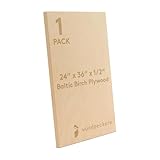
A specific type of plywood that gets a lot of love for shelving is Baltic birch. It’s made entirely from birch veneers, with no gaps in the core, and all plies run in the same direction for each layer. This makes it incredibly strong and stable, and the edges look fantastic when finished. I built a massive workbench out of 3/4-inch Baltic birch, and it’s held up like a tank.
For high-end shelving where you want strength and a clean, modern look, Baltic birch is tough to beat. It’s more expensive than standard pine or fir plywood, but for important applications, it’s worth every penny.
When someone tells you plywood is ‘cheap junk,’ they probably haven’t worked with the good stuff. You get what you pay for, and with plywood, the grade really tells the story.
Solid Wood: The Pros, Cons, and When It’s Worth It
Let’s talk about the romance of solid wood. There’s something undeniably appealing about a shelf made from a single piece of oak or walnut. It carries a visual weight and a natural warmth that engineered materials struggle to replicate. When I think of a cozy reading nook, I picture shelves of aged, dark wood. Solid wood offers that classic, timeless aesthetic. It’s also incredibly strong in its natural state, especially hardwoods like oak, maple, or cherry. If you’re building a shelf that needs to support an extreme amount of weight, and you’re not worried about a bit of natural movement, solid wood can be a fantastic choice.
The biggest advantage, for me, is the ability to repair and refinish it. If my solid pine shelves got a scratch or a dent (and let’s be honest, they did), I could sand it down and make it look new again. You can’t easily do that with a veneer. For heirloom pieces or custom furniture where longevity and the ability to restore are most important, solid wood is the way to go. I’ve got a small antique side table made of mahogany that’s seen better days, but a good polish and some careful sanding brought out its original luster. That’s the magic of solid wood – it can often be brought back to life.
However, solid wood has its downsides, and this is where the ‘common advice is wrong’ part comes in. Everyone loves to say ‘solid wood is always better.’ I disagree for most shelving applications. The primary issue is stability. Solid wood expands and contracts with changes in humidity and temperature. This can lead to warping, cupping, or cracking, especially on longer shelves. If you’ve ever seen a solid wood door that sticks in the summer and has gaps in the winter, you know what I mean. Applying that to a shelf means a perfectly straight piece of lumber can slowly turn into a banana shape. That’s a structural failure waiting to happen.
To mitigate this, solid wood shelves often need to be made thicker, or they need to be supported more frequently. For a shelf that’s 30 inches long, solid wood is usually fine. But if you’re looking at 4 or 6-foot shelves, you’re going to need to think about intermediate supports or accept some degree of bowing. Furthermore, solid wood can be more expensive, especially hardwoods. And while it’s strong, it’s also heavier than comparable plywood, which means you need more solid mounting hardware.
My contrarian take? For standard wall shelves that need to hold books, decorative items, or general household goods, solid wood is often overkill and introduces unnecessary risks of warping. Plywood, with its superior stability, often makes a more practical and reliable choice. You can get a beautiful finish on plywood that mimics solid wood, and it will stay flat. It’s about choosing the right tool for the job, and for many modern shelving needs, that tool isn’t always solid wood.
When to Use Wood vs. Plywood: Practical Application
So, when do you actually reach for solid wood, and when does plywood make more sense for your shelves? This is where the rubber meets the road, and practical experience really matters. I’ve wasted money on both, and learned which is best for which scenario.
Solid Wood is Great For:
- Decorative Shelves: Think floating shelves where the wood itself is the star. A beautiful piece of live-edge walnut or a richly grained oak, especially on shorter spans (say, under 3 feet), will look stunning and hold up well.
- Heavy-Duty, Short Spans: If you have a specific spot needing to hold extremely heavy, concentrated loads and the span is short, solid wood can be a solid choice. Think a workbench surface or a shelf specifically for a heavy piece of machinery.
- Traditional or Rustic Aesthetics: If you’re going for that classic, handcrafted look, solid wood is the easiest path. The natural imperfections and grain patterns contribute to that authentic feel.
- Pieces Requiring Significant Shaping: If you need to carve or sculpt a shelf, solid wood is your only option.
Plywood is Your Go-To For: (See Also: Can Bondo Be Applied To Plywood )
- Long Shelves: This is plywood’s domain. If you need shelves 3 feet or longer, the stability of plywood is most important to prevent sagging.
- Load-Bearing Shelves: For bookshelves, pantry shelves, or garage shelving that will be packed with items, the structural integrity of good plywood is a huge advantage.
- Cost-Effective Solutions: While high-grade plywood can be pricey, standard grades are often more economical than solid wood, especially for larger projects.
- Painted or Finished Surfaces (where edges aren’t the focus): Plywood takes paint beautifully. If you plan to paint your shelves, you can get a flawless finish. Also, if you’re edging the shelves with solid wood strips (a common technique), the core material becomes less visible.
- Areas with Fluctuating Humidity: Kitchens, bathrooms, basements – places where moisture levels can change significantly. Plywood’s resistance to warping is a major plus.
Here’s a little table I put together from my own experience:
| Application | Best Material | Why | My Verdict |
|---|---|---|---|
| Long Bookshelves (4-6 ft) | Plywood (Baltic Birch or good grade) | Resists sagging, stable | Plywood all day long. Solid wood will bow. |
| Floating Display Shelves (2-3 ft) | Solid Wood (Oak, Maple) | Aesthetic, can handle weight on short span | Solid wood looks better here. |
| Garage/Utility Shelving | Plywood (utility grade or OSB) | Durable, cost-effective, strong | Don’t overthink it. Plywood is fine. |
| Kitchen Pantry Shelves | Plywood (AC or BC grade) | Stable in humidity, strong | Plywood prevents warping in steamy kitchens. |
| Decorative Mantelpiece | Solid Wood (Pine, Cedar) | Natural beauty, easy to work | Solid wood has that rustic charm. |
Ultimately, the choice between wood and plywood for shelves depends on your priorities: aesthetics, budget, intended load, and the environment. Don’t be afraid to mix and match. Sometimes, using plywood for the shelf boards and solid wood for the decorative edge banding or brackets is the perfect compromise.
Common Mistakes and How to Avoid Them
I’ve made my fair share of blunders when it comes to shelves, and I’m here to save you from repeating them. The biggest mistake people make is assuming all ‘wood’ is created equal and not considering the environment or the load. This leads to sagging shelves, warped wood, and general disappointment.
Mistake 1: Overestimating the strength of cheap solid wood for long spans. You buy a cheap pine board, cut it to 6 feet, slap it on the wall, and load it with books. A few months later, it looks like a hammock. The fix? Use thicker solid wood (which gets heavy and expensive) or, better yet, switch to a stable plywood. If you absolutely must use solid wood for a long shelf, consider joinery like a breadboard end or a rabbeted edge on a cleat to add rigidity, though this is advanced stuff.
Mistake 2: Using low-grade plywood for visible surfaces. You grab the cheapest sheet of plywood you can find because ‘it’s just for shelves.’ Then you try to stain it, and it looks like a patchy mess with holes and voids. Always check the grade. For a nice finish, aim for at least a BC or AC grade plywood. If you’re painting, CDX might be okay, but inspect it for large voids. If the edges will be visible, consider the edge grain of the plywood and if it’s something you want to display or cover. Baltic birch is excellent for exposed edges.
Mistake 3: Forgetting about humidity. I once built a beautiful set of floating shelves for a client in a sunroom. They looked amazing. Six months later, they were cupping upwards. Why? The sunroom got incredibly hot and humid. Solid wood expanded, and the lack of support in a floating design meant it warped. Plywood would have handled that better. Always consider the environment. If it’s a damp basement or a steamy bathroom, plywood is your safer bet.
Mistake 4: Underestimating the weight of your items. People often think a shelf will hold ‘a few books.’ Then they load it with dense textbooks or a collection of encyclopedias. This is where you need to be realistic. A standard 3/4-inch plywood shelf can usually handle about 20-25 lbs per linear foot if properly supported. Solid wood can sometimes hold more, but its susceptibility to sagging is the main issue. Always add extra supports if you’re unsure, especially for heavy loads. Don’t be afraid to put a bracket or a cleat underneath, even if it’s not the most ‘minimalist’ look. Functionality trumps form when your stuff is crashing to the floor.
Mistake 5: DIY-ing without the right tools or technique for the material. Trying to cut plywood with a dull blade on a hand saw will result in splintered edges and frustration. Using the wrong screws or adhesives with solid wood can lead to cracks. If you’re building shelves, invest in a good saw blade for clean cuts on plywood, and understand how to pre-drill for solid wood to prevent splitting. For plywood, consider using a dado blade or a router to create dados for shelf supports for a cleaner, stronger joint than just screwing through the sides.
The Future of Shelving: Innovations and Trends
The world of shelving, like everything else, isn’t standing still. While wood and plywood remain the stalwarts, we’re seeing some interesting shifts and innovations that are worth noting, especially as people become more conscious of sustainability and aesthetics. For those asking ‘are shelves made of wood or plywood,’ the answer might soon include even more sophisticated engineered wood products or novel material combinations.
One trend is the increased use of high-density fiberboard (HDF) or medium-density fiberboard (MDF) with premium veneers. While MDF and particle board have a reputation for being weak and susceptible to moisture, modern manufacturing techniques have improved their density and stability. When topped with a high-quality veneer (like real wood veneer), these can offer a very flat and stable surface that’s more cost-effective than solid wood.
The key here is the quality of the veneer and the stability of the core material. For painted shelves, a good quality MDF is often a fantastic, stable choice.
I used some painted MDF for a built-in closet system, and the smooth, blemish-free surface I achieved was something I couldn’t have gotten with lower-grade plywood without a lot more work. (See Also: Can Cat Plywood Be Used For Exterior Siding )
Another area of innovation is in the adhesives and bonding agents used in plywood and engineered wood products. Manufacturers are increasingly focused on creating products with lower volatile organic compounds (VOCs) and formaldehyde emissions. This is important for indoor air quality and for consumers who are environmentally conscious. Look for certifications like Greenguard or CARB compliance when choosing materials for your home.
We’re also seeing a rise in modular shelving systems. These aren’t strictly about the material itself, but how it’s used. Think sleek metal frames paired with wood or plywood shelves, allowing for flexible configurations. This trend embraces both the natural beauty of wood elements and the durability and modern look of metal. The shelves themselves might still be wood or plywood, but the overall system design is evolving.
Sustainability is also a growing factor. While responsibly sourced solid wood and sustainably harvested plywood are good options, there’s research into alternative materials and recycled wood fibers. For now, though, if you’re looking for a sustainable option, make sure your wood products come from certified forests (like FSC-certified). Both solid wood and plywood can be sustainable if sourced correctly.
As for the ongoing ‘wood vs. plywood’ debate, I think it’s less about one being universally ‘better’ and more about intelligent material selection. The innovations in engineered wood are blurring the lines, offering more stable, affordable, and often more sustainable options that still provide the aesthetic of wood. The key is to stay informed about material grades, finishes, and the intended use of your shelves.
Frequently Asked Questions About Wood and Plywood Shelves
Is Plywood as Strong as Solid Wood for Shelves?
For longer shelf spans, plywood is often stronger and more resistant to sagging than solid wood of the same thickness due to its layered construction. Solid wood can be very strong, but it’s more prone to warping and bowing under load over time.
Can You Stain Plywood Shelves to Look Like Solid Wood?
Yes, you can stain plywood to look very much like solid wood, especially higher-grade plywoods like birch. The key is to properly prep the surface, use a pre-stain conditioner, and choose a stain that complements the grain pattern. You can also use wood filler to fill any voids or imperfections for a smoother finish.
What Is the Best Type of Wood for Shelves?
For aesthetics and strength on shorter spans, hardwoods like oak, maple, or cherry are excellent. For longer, load-bearing shelves where stability is key, high-quality plywood (like Baltic birch or cabinet-grade plywood) is often a superior choice due to its resistance to warping and sagging.
Is Plywood Good for Bathroom Shelves?
Yes, plywood can be very good for bathroom shelves, especially if you choose a marine-grade or a high-quality cabinet-grade plywood that is less susceptible to moisture damage. It’s more stable than solid wood in humid environments and less likely to warp or delaminate.
What’s the Difference Between Mdf and Plywood for Shelves?
MDF is made from wood fibers compressed with resin, resulting in a very smooth, dense, and uniform panel. Plywood is made from thin layers of wood veneer glued together with the grain alternating. MDF is great for painted shelves and provides a very stable, flat surface but is very heavy and can swell if exposed to moisture. Plywood is generally stronger and more resistant to moisture than MDF.
The reality is that when people ask are shelves made of wood or plywood, they’re often looking for a practical guide to material properties. Understanding the strengths and weaknesses of each, and critically assessing the specific product or lumber you’re buying, will save you time, money, and a lot of headaches down the line.
Verdict
So, to cut through the confusion: are shelves made of wood or plywood? The answer is almost always ‘yes’ to both, in a way. What you need to discern is whether you’re dealing with solid lumber cut from a tree, or a meticulously engineered panel of wood veneers. For long spans and heavy loads, I’m leaning heavily towards quality plywood. It’s just more stable and less likely to disappoint over time.
Solid wood has its place, especially for shorter, decorative shelves where its natural beauty can truly shine. But don’t be swayed by the ‘solid wood is always best’ mantra. It’s often not the most practical choice for functional shelving. Do your homework on grades, consider your environment, and don’t be afraid to choose plywood. It’s a workhorse material that gets a bad rap.
Next time you’re looking at shelves, whether for DIY or for purchase, you’ll know to ask the right questions about the material. And that, my friend, is half the battle won.