I remember the first time I stepped barefoot onto a slate floor. It was in a fancy, old house someone I knew had just bought. My first thought wasn’t about durability or resale value; it was a simple, visceral reaction: ‘Oof, that’s cold.’ Honestly, if you’re wondering if slate floor tiles are comfortable, let me save you some time: it depends. A lot. And ‘comfortable’ is a pretty subjective word when it comes to flooring. Forget the glossy magazines for a second. We’re talking about something you live on, something your bare feet (or your dog’s paws) will touch every single day. So, let’s get real about how slate actually feels underfoot.
For years, I’ve been wrestling with different flooring materials, from sticky vinyl planks that promised the world and delivered a headache, to the actual wood that warped in my first humid summer. I’ve learned what looks good, what’s a pain to install, and most importantly, what actually feels decent to live with. Slate? It’s a whole different beast, and ‘comfortable’ is a word that needs some serious unpacking.
That Chill Factor: Does Slate Feel Cold?
Let’s cut to the chase. When most people ask if slate floor tiles are comfortable, the first thing they’re thinking about is temperature. And yeah, slate is naturally cool.
Like, really cool. It doesn’t hold heat the way tile made from porcelain or ceramic might, and it’s definitely not like walking on carpet or a nice hardwood floor on a winter morning. I remember a specific instance in my old place. I’d just finished installing a dark grey slate in the entryway and mudroom.
It looked stunning, rugged, exactly the vibe I was going for. But then November hit. Stepping out of the shower, completely relaxed, only to be zapped by the icy floor?
Let’s just say that momentary shock wasn’t exactly a recipe for zen. It was a harsh reminder that natural stone, especially slate, is a conductor of temperature, and if the ambient air is cool, the floor will be too.
This isn’t a flaw; it’s just physics. Slate is a dense, natural material.
It absorbs the temperature of the room it’s in. So, if your house is kept at a crisp 68°F (20°C) in the winter, your slate floor will feel like 68°F.
In the summer, on the other hand, that cool sensation can be a welcome relief. It’s a double-edged sword. You won’t be freezing all year round, but you also won’t have that cozy, radiated warmth you get from some other materials.
Many homeowners who love slate find that the solution is simple: radiant floor heating. I’ve seen it done, and it’s a big deal.
It takes that ‘cold’ factor and flips it into ‘luxuriously warm.’ However, that’s an added cost, both for installation and for your energy bill.
So, while the slate itself is cool, whether that translates to ‘uncomfortable’ is heavily dependent on your climate, your home’s insulation, and whether you’re willing to invest in supplemental heating. For me, in a drafty old house, the chill was a significant factor in my daily comfort, especially in the mornings.
Texture and Topography: What’s Underfoot Really Like?
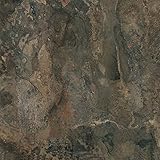
Slate isn’t like your perfectly smooth porcelain tile. The beauty of slate is its natural variation.
Each tile is unique, with its own subtle ridges, clefts, and sometimes, even little pits or fossilized bits. This texture is a big part of its appeal, giving it that earthy, organic feel. (See Also: Can Baking Soda Be Use To Clean Tile Floors )
But how does it feel to walk on? Generally, it’s not perfectly flat. The surface can have a slight unevenness from tile to tile, and even within a single tile.
This is often called ‘natural cleft.’ It’s not usually so rough that it’s uncomfortable to walk on barefoot, but it’s certainly not as smooth as polished marble or a honed granite. Think of it like walking on a slightly bumpy, cool pavement.
It’s a tactile experience that some people absolutely love. It feels grounding, natural.
However, this same texture can be a double-edged sword when it comes to comfort and maintenance. For people with very sensitive feet, or for those who tend to have dry, cracked heels, the uneven surface might feel a little… abrasive. I’ve had guests comment on it, not negatively, but with a surprised observation about the feel.
It’s not a ‘smooth’ comfort. And let’s talk about cleaning.
That texture that gives it character can also trap dirt and grime. While a good sweeping or vacuuming with the right attachment will get most of it, a deep clean requires a bit more effort. You can’t just quickly mop it and expect a pristine surface if there’s mud caked into those clefts. Mopping involves getting into those nooks and crannies, which can be a workout.
So, while the natural texture is a huge aesthetic win for many, in terms of pure, plush comfort, it’s not the softest ride. It’s more of a sturdy, grounded feel. If you’re looking for a surface that feels like a cloud, slate isn’t it. If you appreciate a natural, slightly varied texture that feels substantial and real, it might be exactly what you want.
The Hard Truth: Is Slate Too Hard?
Comfort isn’t just about temperature or texture; it’s also about how forgiving a surface is. And slate, like most natural stone and tile, is hard.
Really hard. If you drop a glass on a tile floor, especially slate, it’s almost guaranteed to shatter.
That’s a given. But what about comfort for your body?
Think about spending hours standing in the kitchen preparing a meal. On a softer surface, like a good quality vinyl or even a well-cushioned wood, your feet, legs, and back will thank you. Slate offers very little give.
It’s unforgiving. I learned this the hard way during a marathon cooking session for Thanksgiving. I was on my feet for nearly eight hours, and by the end, my knees were aching, and my back felt stiff. It wasn’t just the standing; it was standing on a rock-hard surface for that long.
Now, I’m not saying you’ll be in agony after an hour. Most people adjust. Your body gets used to it. But compared to other flooring options, slate is on the less comfortable end of the spectrum for prolonged standing. (See Also: Can Ceramic Tile Flooring Harm Her )
This is where rugs and mats become your best friend. I invested in a thick, high-quality kitchen mat that I could stand on while I was chopping and cooking, and it made a world of difference.
It provided that much-needed cushioning. Without it, I’d probably reconsider having slate in my primary kitchen work area.
For areas where you’re not standing for extended periods, like a hallway or a formal dining room, the hardness is less of an issue. But if comfort for your body during long stretches of activity is a priority, you need to be aware that slate offers minimal shock absorption. It’s a trade-off for its durability and beauty. Some people might argue that the solidity is part of the comfort – it feels permanent, substantial.
But from a physical comfort standpoint, especially for your joints, it’s definitely on the harder side of the scale.
Durability vs. ‘squish’: How Slate Stacks Up
When people consider slate, they’re often thinking about longevity. And this is where slate absolutely shines. It’s incredibly durable. It’s a natural metamorphic rock, formed under immense pressure and heat. This means it can withstand a lot of wear and tear. It’s resistant to scratches, chips (though dropping heavy objects can cause damage, as mentioned), and it doesn’t fade in sunlight. You can install slate in high-traffic areas, like entryways, kitchens, and bathrooms, and it will likely look good for decades, if not centuries, with proper care. This longevity is a huge part of its appeal and, in a way, a form of comfort – the comfort of knowing your floor is a wise, long-term investment.
But here’s the contrarian bit: everyone talks about durability, and it’s true. But this relentless focus on ‘toughness’ often overshadows the actual day-to-day living comfort. I’ve seen so many articles that just rave about slate’s indestructibility. And yes, it is.
I once dropped a cast iron skillet on my slate floor. It made a thud and a small chip in the skillet, but the tile was completely fine. Impressive?
Absolutely. But that durability comes at the expense of softness. You can’t have extreme hardness and extreme softness simultaneously.
It’s a physical law. So, while the ‘durability’ aspect offers a kind of long-term, financial comfort, it doesn’t necessarily translate to immediate, physical comfort underfoot. You have to decide what kind of ‘comfort’ is more important to you.
Are you looking for the peace of mind that comes with an almost indestructible floor, or the plush, forgiving feel that makes standing around for hours a pleasure? For me, after years of dealing with flimsy flooring, the durability of slate felt like a huge win, even if it meant sacrificing a bit of softness.
| Feature | Comfort Aspect | My Verdict |
|---|---|---|
| Temperature | Naturally cool, can be cold in winter | Can be a pro (summer) or con (winter) without heating. |
| Texture | Natural cleft, slightly uneven | Tactile and beautiful, but not ‘smooth’ comfort. |
| Hardness | Very hard, unforgiving | Tough on joints for prolonged standing. Rugs are key. |
| Durability | Extremely long-lasting | ‘Investment’ comfort, not ‘plush’ comfort. |
Practical Tips for Living with Slate
So, you’re leaning towards slate, but you’re still a bit hesitant about the comfort factor. Don’t worry, there are ways to make it work. The biggest thing I’ve learned is that proper sealing and maintenance are key, not just for the longevity of the tile, but for the overall experience. Slate is porous, meaning it can absorb liquids.
If it’s not sealed properly, spills can seep in, leading to staining and making the surface harder to clean. A good quality impregnating sealer will penetrate the stone and protect it from within, making it more resistant to stains and easier to wipe down.
When it comes to cleaning, forget harsh chemicals. Stick to pH-neutral cleaners. I’ve found that a simple solution of water and a little bit of mild dish soap works wonders, or you can get specific stone cleaners. (See Also: Can I Epoxy Over Vinyl Tile Floor )
Always use a soft mop head and don’t let water sit on the surface for too long.
The second important tip, especially if you’re concerned about the hardness and the cold, is to strategically place rugs and mats. I cannot stress this enough.
In the kitchen, a thick, supportive anti-fatigue mat in front of the sink and stove is a must for me. In the entryway, a good doormat will not only catch dirt but also provide a slightly softer landing.
For bedrooms or living areas, opt for thicker area rugs. They add a layer of softness, warmth, and sound absorption. I learned the hard way that a bare slate floor in a bedroom can make it feel stark and uninviting, especially in the early morning.
Adding a plush rug completely transformed the feel. Finally, consider the finish. While natural cleft is the most common, you can also find honed or polished slate. Honed is a bit smoother and less textured, which might feel more comfortable to some.
Polished is very sleek but can be slippery when wet, which is a comfort concern in itself. Ultimately, understanding that slate is a beautiful, durable material that requires a little extra thought for maximum comfort is the best approach.
People Also Ask About Slate Floor Tile Comfort
Is Slate Flooring Slippery?
Natural cleft slate, with its inherent texture, is generally not very slippery, especially compared to smooth, polished surfaces. The unevenness provides some grip. However, if slate is polished to a high sheen, or if it’s wet, it can become slippery. Always consider the intended use area and choose the finish accordingly. Sealing the tiles can also slightly alter the slip resistance.
Does Slate Scratch Easily?
Slate is quite scratch-resistant due to its hardness and dense composition. It’s much harder to scratch than wood or laminate flooring. While sharp objects or heavy furniture dragged carelessly can cause minor abrasions, for everyday use, slate holds up very well against scratches, making it a durable choice for high-traffic areas.
Can You Put Slate Tile in a Bathroom?
Yes, slate tile is a popular choice for bathrooms. Its natural beauty, durability, and resistance to moisture make it suitable for wet areas. However, because it can be porous and hold water if not properly sealed, regular sealing is important. Also, consider that it will be cold underfoot unless you have radiant heating, and the texture can be a minor factor with bare feet. Make sure the grout lines are also well-sealed to prevent water penetration.
Is Slate Flooring Expensive?
Slate flooring can range in price, but it is generally considered a mid-to-high-end flooring option. The cost varies based on the type, thickness, color, and origin of the slate. Installation costs can also be significant due to the weight and the need for skilled labor, especially if subfloor preparation or complex patterns are involved. While it’s an investment, its extreme durability means it can last a lifetime, often making it cost-effective in the long run.
Verdict
So, to circle back to the initial question: are slate floor tiles comfortable? The honest answer is that it’s a mixed bag, and your definition of ‘comfortable’ is going to be the deciding factor. It’s not a cozy, plush carpet, nor is it a warm, forgiving wood.
Slate offers a different kind of comfort: the comfort of enduring beauty, the satisfaction of a solid, natural material underfoot, and the peace of mind that comes with extreme durability. You’ll likely want to invest in radiant heating for winter, and definitely keep some good mats and rugs handy for those long standing sessions or when you just want a bit more softness. But if you appreciate its raw, natural aesthetic and its ability to stand the test of time, you can absolutely make slate work for you and find your own version of comfort.
Ultimately, the decision to install slate floor tiles comes down to balancing aesthetics, practicality, and personal preference. It’s a material that demands some consideration for its inherent qualities – its coolness, its texture, its hardness. But for many, these qualities are precisely what make it so appealing. It feels substantial, grounded, and timeless. If you’re looking for a floor that tells a story and ages gracefully, slate might be your perfect match, just be prepared to embrace its unique character and make a few strategic additions to make sure your comfort.