I remember staring at that one tiny hole in my hallway wall, a casualty of a rogue moving box. My first thought? ‘Great, now I have to buy a whole 4×8 sheet of drywall.’ The idea of hauling that massive, unwieldy panel home, cutting it down, and then trying to figure out what to do with the leftover 7/8ths of it felt like a ridiculous waste of time and money. It’s a common homeowner’s dilemma: needing just a sliver of a material meant for entire rooms.
This is where the question, ‘are smaller sections of drywall sold,’ becomes incredibly relevant for anyone tackling those inevitable small repairs. For years, the standard answer seemed to be a resounding ‘no,’ forcing DIYers into overspending and generating unnecessary waste.
But thankfully, the industry is slowly catching up to the reality of home repairs.
The Pain of the Giant Sheet for Tiny Jobs
Let’s be honest, the standard 4×8 sheet of drywall is overkill for 90% of the repairs most of us actually need to do. We’re talking about nail pops, small dings from furniture, accidental screwdriver holes, or that time the cat decided to redecorate.
For these minor skirmishes with your walls, lugging a full sheet is a Herculean effort that often ends with more frustration than satisfaction. The sheer weight and awkwardness of a 4×8 sheet are a nightmare to maneuver, especially if you live alone or have limited space. I’ve personally wrestled these things into my car, praying I wouldn’t scratch the paint or, worse, snap the sheet in half before I even got it home. The sheer volume of material left over is also a huge pain.
Where do you store it? It takes up a massive amount of space in a garage or shed, and it’s prone to damage, moisture, and becoming a magnet for dust bunnies.
The common advice you’ll get is to just buy the full sheet and accept the waste. This is the corporate-speak answer, designed to keep you buying the standard product. It’s not practical, it’s not economical, and it’s certainly not environmentally friendly. I’ve got scrap drywall leaning against my garage wall that’s been there for five years, mocking me with its uselessness. It’s a constant reminder of a repair that could have been done with a fraction of the material. This is precisely why understanding if smaller sections of drywall are sold is so important. It’s about practicality and making home repairs accessible without breaking the bank or creating a landfill in your own yard.
The struggle is real, and it stems from how drywall has traditionally been manufactured and sold – in large, standardized panels. This model is built for new construction, where entire walls are being covered. For the homeowner doing a patch job, it feels like using a sledgehammer to crack a walnut. The need for smaller, more manageable pieces is evident, and thankfully, the market is starting to respond, albeit slowly. Many big box stores, recognizing this gap, now offer alternative solutions that are far more user-friendly for the average DIYer needing just a few square feet.
Where the Magic Happens: Pre-Cut and Specialty Sizes
This is where we get to the good stuff. The answer to ‘are smaller sections of drywall sold’ is increasingly a resounding YES. While you might not walk into every hardware store and find a dedicated aisle for tiny drywall patches, the availability of pre-cut pieces and specialty sizes has been growing.
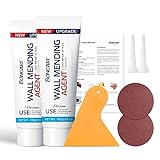
The most common and readily available solution you’ll find are what are often called ‘drywall repair kits’ or ‘patch kits.’ These aren’t just a piece of drywall; they often come with mesh tape, sometimes a small amount of joint compound, and a pre-cut piece of drywall, usually around 6×6 inches or 8×8 inches.
These are fantastic for small holes and dings. I used one of these recently for a doorknob-sized impact on my wall, and it was a lifesaver. It cost me about $7 and saved me from buying a $20 sheet and wrestling it into my car.
Beyond these kits, some home improvement stores have started selling drywall in smaller, more manageable dimensions. You might find pieces that are 2×4 feet or 4×4 feet. These are still larger than a patch kit but significantly less intimidating than a full 4×8 sheet. These are ideal for slightly larger repairs, like where a small cabinet might have been removed or a larger plumbing access panel needs covering. The key is to ask. Don’t just assume they only have the big sheets. Ask an associate if they carry any pre-cut drywall panels or smaller sheet sizes. They might surprise you. (See Also: Are There Studs At The Corners Of Drywall )
I recall a time I needed to patch a hole after some electrical work, probably about 2×2 feet. I was bracing myself for the whole ‘buy a 4×8 sheet’ ordeal.
I wandered into a smaller, local hardware store, more out of desperation than hope. To my genuine surprise, they had a rack of drywall pieces that were roughly 2×4 feet.
It was a big deal. I bought one for about $10, cut it down to size, and had it done in under an hour.
The rest of the 2×4 piece is now safely stored, ready for the next inevitable mishap. It’s this kind of flexibility that makes DIY repairs so much more approachable.
The availability of these smaller sections directly addresses the frustration of needing just a little bit of a material designed for big jobs.
What to Look for When Buying Small Drywall Pieces
When you’re on the hunt for smaller sections of drywall, there are a few things to keep in mind to make sure you’re getting the right stuff. First, understand the thickness. Drywall comes in various thicknesses, but for most interior wall repairs, you’ll be looking at 1/2 inch (which is the most common) or sometimes 3/8 inch for older homes or specific applications. If you’re patching a wall, try to match the thickness of the existing drywall as closely as possible.
You can usually tell by looking at the edge of the hole or a piece of existing trim. If you can’t match it exactly, 1/2 inch is usually the safest bet for most residential walls. Trying to patch a 3/8 inch wall with 1/2 inch drywall will create a noticeable hump.
Second, consider the type of drywall. For standard interior walls, you’ll want regular gypsum board. If you’re repairing a wall in a bathroom, kitchen, or laundry room where moisture is a concern, you might want moisture-resistant drywall, often called ‘green board’ (though it’s usually green). For ceilings or areas where fire resistance is important, you might need Type X drywall, which is thicker and has fire-retardant additives. However, for most small wall patches, standard drywall is perfectly fine. You’re unlikely to find small pieces of the specialized types readily available, but for a simple hole in a living room wall, it’s not an issue.
Finally, inspect the piece itself before you buy. Even smaller pre-cut pieces can get damaged during handling. Look for any cracks, soft spots, or signs of water damage. Make sure the edges are clean and not chipped or broken, as this will make taping and mudding much more difficult. For those pre-cut patch kits, check that the drywall piece is firmly attached to its backing (if it has one) and that any included tape or compound is still usable. A little bit of diligence here can save you a lot of headaches down the line. It’s about getting a usable piece of material that will integrate smoothly with your existing wall, not adding another problem to solve.
The Contrarian View: Why I Still Keep Some Full Sheets Around
Okay, I know I’ve been singing the praises of smaller drywall sections, and for good reason. They’re practical, economical, and reduce waste. However, here’s my contrarian take: despite the availability of smaller pieces and patch kits, I still occasionally buy a full 4×8 sheet, and I think you might need to, too. Why? Because sometimes, you just don’t know what you’re going to find, and having a full sheet can be a lifesaver for bigger, unforeseen jobs. I learned this the hard way after a plumbing leak turned into a much larger wall repair than anticipated. I thought I was just patching a small section, but the water damage extended much further than I initially saw.
If I had only bought a tiny patch, I would have been stuck making multiple trips, buying more material, and piecing together a repair that would have been far more visible and prone to cracking. Having a full sheet meant I could cut out the entire damaged section and replace it with a single, clean piece of drywall. This resulted in a much stronger repair and a smooth finish that was far easier to mud and sand. So, while smaller sections are great for those predictable, minor fixes, a full sheet offers the flexibility for the ‘oh crap, this is worse than I thought’ scenarios that inevitably pop up in homeownership. (See Also: Are There Bugs That Eat Drywall )
Furthermore, if you’re doing a more involved renovation or building a small non-load-bearing wall, like a closet partition or a half-wall, a full sheet is simply the most cost-effective way to go. The per-square-foot cost of a full sheet is significantly lower than buying pre-cut pieces. For these larger projects, the waste is often manageable because you’re using so much of the sheet anyway. The key is to have a system for storing full sheets properly to minimize damage from moisture and impacts.
I store mine vertically, leaning against a wall in my garage, covered with a tarp. It’s not perfect, but it keeps them in good condition for future use. So, while the question ‘are smaller section of drywall sold’ has a positive answer for many situations, don’t completely discount the utility of the full sheet for when larger, unexpected repairs or projects arise.
Practical Tips for Using Small Drywall Pieces
So you’ve found your smaller piece of drywall, or you’re using a patch kit. Now what?
The process is similar to using a full sheet, just on a smaller scale. For a hole, you’ll want to cut a patch that’s slightly larger than the hole itself. Use a utility knife to score and cut your patch to size. For a clean, square hole, you can often just cut a square or rectangle of drywall to fit.
For irregular holes, try to cut a patch that fits snugly within the hole, or if it’s a larger hole, you might need to cut a square larger than the hole and then cut out the damaged section of the wall so your new piece can be attached to the surrounding studs or furring strips. This is where having a slightly larger pre-cut piece can be handy.
When you’re attaching your patch, use drywall screws designed for this purpose. For small patches, you might only need two or three screws. Make sure they are countersunk just below the surface of the drywall, but be careful not to break through the paper facing.
This is important for a smooth finish. If you’re using a mesh tape patch kit, follow the instructions precisely. These kits are designed for simplicity.
For larger patches, you’ll want to use paper or fiberglass tape to cover the seams between your patch and the existing wall. Apply joint compound over the tape and screws, feathering it out smoothly onto the surrounding wall. You’ll likely need two or three coats of joint compound, with light sanding in between each coat, to get a smooth, invisible repair.
One common mistake I see people make, especially with smaller patches, is not feathering the joint compound out wide enough. You need to extend the compound well beyond the edges of the patch, gradually thinning it out to blend with the existing wall. This takes patience. Rushing this step will leave you with a visible outline of your patch.
Another tip: if you’re unsure about the thickness, it’s better to be slightly thin than too thick. You can always add more joint compound to build up thickness, but it’s a pain to sand down excess drywall. So, take your time, use the right tools, and don’t be afraid to apply multiple thin coats of compound rather than one thick, clumpy one. The goal is a repair that you can’t see once it’s painted.
A Table of Common Drywall Repair Solutions
Here’s a quick breakdown of what you’ll typically encounter when looking for smaller drywall solutions, and my honest take: (See Also: Are Premade Inside Drywall Corne Goodrs )
| Product Type | Typical Size | Pros | Cons | My Verdict |
|---|---|---|---|---|
| Drywall Patch Kit (Mesh/Metal) | ~6×6 inches | Extremely easy to use, all-in-one, great for small holes. | Limited size, not ideal for anything larger than a doorknob hole. Mesh can sometimes be visible if not mudded perfectly. |
Fantastic for the 90% of minor dings and holes. Cheaper than buying a big sheet. Saves time and frustration. |
| Pre-Cut Drywall Panel | ~2×4 ft, 4×4 ft | More material than a patch kit, more manageable than 4×8. Good for medium repairs. | Still requires cutting, might be more than you need for a tiny hole. Availability varies. |
My go-to for repairs larger than a fist but smaller than a doorway. A good middle-ground that balances practicality and usability. |
| Cut-to-Size from a Full Sheet | Any size you need | Maximum flexibility, cost-effective per square foot if you need a decent amount. | Requires owning or buying a full sheet, involves more cutting and waste management. |
The most versatile option. Key for larger projects or unexpected damage. Just be prepared for the leftover scrap! |
People Also Ask: Drywall Repair Faqs
Can I Patch a Drywall Hole with Just Spackle?
For very small holes, like nail pops or tiny dings (smaller than a dime), spackle can work. It’s easy to apply and sand. However, for anything larger than that, spackle isn’t strong enough and will likely crack or crumble. You’ll need actual drywall for a sturdy patch, often combined with joint compound and tape for smooth repairs on bigger holes.
How Do I Repair a Hole in Drywall Without Replacing the Whole Sheet?
You absolutely don’t need to replace the whole sheet for most holes. For small holes, use a drywall patch kit or cut a piece of drywall slightly larger than the hole to screw into the surrounding studs or backing. For larger damaged areas, cut out the damaged section cleanly and install a new piece of drywall, taping and mudding the seams. The key is to match the thickness and texture of the existing wall for an invisible repair.
What Is the Smallest Size Drywall Is Sold in?
While the standard is 4×8 feet, you can definitely find smaller sections. Many home improvement stores sell pre-cut drywall panels in sizes like 2×4 feet or 4×4 feet. Additionally, numerous drywall patch kits are available that include a small piece of drywall, typically around 6×6 inches, specifically designed for quick repairs. The absolute smallest you’ll find are these patch kits, effectively giving you a few square inches of drywall.
How Much Does a Small Piece of Drywall Cost?
The cost varies widely. A basic drywall patch kit with a pre-cut piece of drywall can range from $5 to $15. A pre-cut panel, like a 2×4 foot piece, might cost around $10 to $20. If you buy a full 4×8 foot sheet, it typically costs between $15 and $30, making the per-square-foot cost much lower if you need a larger amount or are willing to store the remainder.
Do I Need a Special Tool to Cut Drywall?
For most small drywall repairs, a sharp utility knife and a straight edge (like a metal ruler or level) are all you need to cut drywall. You score the front surface deeply, then snap the board along the score line, and cut through the paper backing. For larger or more precise cuts, a drywall saw or a jigsaw with a drywall blade can be very useful, especially if you’re cutting curves or internal openings.
Conclusion
So, to circle back to the original question: are smaller sections of drywall sold? Yes, and thankfully so. The days of being forced to buy a giant 4×8 sheet for a tiny hole are slowly fading, with patch kits and pre-cut panels becoming much more common. It’s a welcome change for anyone who’s ever stared at a half-used sheet of drywall, wondering what to do with the rest of it.
While the full sheet still has its place for larger projects or unexpected major repairs, the availability of smaller, more manageable pieces makes tackling those everyday dings and dents a much less daunting task. Don’t be afraid to ask at your local hardware store or check the repair aisle for these handy solutions.
Next time you find a small hole in your wall, remember you probably don’t need to embark on a drywall pilgrimage. Grab a patch kit or a smaller piece, and get that wall looking good as new without the unnecessary expense and hassle.