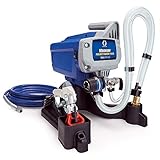
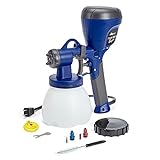
I remember the first time I sprayed something indoors without thinking. It was a cheap metal shelf I wanted to jazz up. Within minutes, my head was pounding, and the whole apartment smelled like a chemical factory for days. It got me thinking: are spray paint fumes bad? The short answer is yes, and anyone who tells you otherwise is either lucky or not being entirely truthful. It’s not just a mild annoyance; it’s a real health hazard we often brush off in the name of a quick DIY project.
We’ve all seen those videos or read those articles promising a perfect finish with minimal effort. But beneath the glossy spray and the satisfying hiss, there’s a cocktail of volatile organic compounds (VOCs) and other chemicals that are far from harmless. This isn’t about scaring you, but about giving you the straight dope so you can make informed decisions and actually enjoy your projects without feeling like you’re slowly poisoning yourself.
So, What Exactly Is in That Can?
Look, I’m not a chemist, and I don’t pretend to be. But after years of messing around with spray cans for everything from furniture makeovers to touch-ups on my old bike, I’ve learned a thing or two about what’s actually inside them. When you pop the top on a can of spray paint, you’re not just getting pigment. You’re getting a whole host of solvents, propellants, and binders designed to atomize the paint and make it stick. And yeah, those things evaporate, and that’s what you’re breathing in.
The main culprits are Volatile Organic Compounds, or VOCs. These are chemicals that easily turn into vapor or gas. Think of things like xylene, toluene, acetone, and mineral spirits.
They’re the heavy lifters that dissolve the paint resins, help it flow smoothly, and evaporate quickly so the paint dries. The problem? They’re also what gives spray paint that distinctive, often overwhelming odor.
And that smell is your nose telling you something’s up. They’re not just unpleasant; many VOCs are known irritants to your eyes, nose, and throat. Prolonged exposure can lead to headaches, dizziness, nausea, and even more serious long-term health issues, including damage to your liver, kidneys, and central nervous system.
I once got a whiff of some industrial-strength stuff for a metal gate I was painting in a semi-enclosed garage, and let me tell you, my vision swam for a good hour afterward. Never again without a proper respirator.
Then there are the propellants. Historically, these were often chlorofluorocarbons (CFCs), but thankfully, those are mostly gone due to environmental concerns. Modern propellants are usually hydrocarbons like propane, butane, or dimethyl ether.
While less damaging to the ozone layer, they are still flammable and contribute to airborne chemicals. The binders, like acrylics or enamels, are the actual film-forming agents, and while they become solid and inert once dry, the solvents keeping them liquid are the main concern during application. Sometimes, you’ll also find additives for things like UV resistance or adhesion. It’s a chemical soup, and depending on the brand and type of paint (enamel, lacquer, acrylic), the exact recipe varies.
But the core issue remains: a bunch of chemicals designed to aerosolize and stick are also designed to off-gas.
The Immediate Effects: More Than Just a Headache
Let’s be blunt: the immediate effects of spray paint fumes are not a joke. Most people have experienced at least some of them, even if they didn’t connect it directly to the painting. That mild headache that creeps up on you? That’s likely the VOCs. The slight dizziness or lightheadedness? Yep, more VOCs. Feeling a bit queasy? You guessed it. Your body is reacting to being exposed to chemicals it really shouldn’t be ingesting, even in small amounts.
I remember painting some old patio furniture in my backyard one summer afternoon. It was a beautiful day, bright sun, gentle breeze – perfect painting weather, I thought. I figured a few hours outside would be fine.
Big mistake. I didn’t use any kind of mask, just cracked open a few cans and went to town.
About halfway through the second can, I started feeling genuinely unwell. The world seemed to tilt a little, and I had a metallic taste in my mouth. I had to stop, go inside, and lie down for a while with the windows open.
My eyes felt gritty, and my throat was dry and scratchy, like I’d swallowed dust. It took a solid 24 hours for that woozy feeling to completely clear. It taught me a hard lesson: even outdoors, if the ventilation isn’t excellent, you’re still taking a risk. The fumes can linger and accumulate, especially if there’s no wind to carry them away effectively.
It’s not just about a bad smell; it’s about your brain and body telling you to stop.
These immediate symptoms are your body’s way of saying, “Hey, buddy, this isn’t normal!” Short-term exposure to high concentrations can lead to more pronounced effects like confusion, irritation of the eyes, nose, and throat, and even loss of coordination. For some people, especially those with pre-existing respiratory conditions like asthma, even brief exposure can trigger serious reactions. It’s easy to dismiss these as just being tired or a bit sensitive, but the science is clear: these are chemical effects. (See Also: Can Craft Foam Be Spray Painted )
You’re inhaling solvents that are designed to dissolve things, and your body isn’t immune to that process. Think of it like this: if you spilled a strong solvent on your skin, it would get irritated.
Your lungs and brain are a lot more sensitive.
Common Misconceptions About Immediate Effects
Can Spray Paint Fumes Make You High?
Yes, some of the solvents in spray paint, particularly toluene and xylene, can have psychoactive effects, which is why inhalant abuse is so dangerous. This is not a recreational high; it’s a sign of toxic exposure that can lead to severe neurological damage, suffocation, and sudden death. This is not a desired effect and should be avoided at all costs.
Is a Slight Headache After Spraying Normal?
While a very mild, fleeting headache might occur in poorly ventilated areas, it’s not something to ignore. It’s your body’s early warning sign that you’re being exposed to harmful chemicals. If it persists or is more than mild, you need to stop and get fresh air immediately. It’s not a badge of honor; it’s a symptom of overexposure.
Long-Term Health Risks: The Silent Damage
This is where things get really serious. While a temporary headache is annoying, the real worry with spray paint fumes is what happens after repeated or prolonged exposure over months and years. This is the silent damage, the stuff that doesn’t announce itself with immediate symptoms but can lead to chronic health problems down the line. I’ve seen guys who’ve been in auto body shops for decades, constantly breathing in this stuff, and they’ve developed serious respiratory issues. It’s not worth it.
The VOCs in spray paint are the main culprits for long-term damage. Chronic exposure to solvents like toluene can affect the central nervous system, leading to persistent headaches, memory problems, difficulty concentrating, and even personality changes. It sounds dramatic, but it’s well-documented. For your respiratory system, long-term irritation from these chemicals can contribute to the development or worsening of conditions like chronic bronchitis and asthma.
Your lungs are designed to filter air, but they can get overwhelmed and damaged by constant chemical assault. I knew a guy who used to restore vintage cars in his garage, no ventilation, just an open door. He ended up with a chronic cough that never went away and had to take medication for it daily.
He swore it was the paint fumes, and honestly, I believe him. He was breathing that stuff in for years.
There’s also concern about potential links to more severe conditions. Some studies have suggested possible connections between prolonged exposure to certain industrial solvents and an increased risk of certain cancers, though the evidence for spray paint specifically can be complex and depends heavily on the exact chemicals involved and the level of exposure.
The general consensus from health organizations is that reducing exposure to VOCs is always the prudent course of action. It’s about cumulative exposure.
A little bit here and there might not cause obvious harm, but over time, it adds up. Think of it like smoking: one cigarette isn’t going to kill you, but chain-smoking for 30 years is a different story. The same principle applies to chemical exposure.
The problem is that many of these effects can be insidious. They don’t manifest overnight. They’re the slow erosion of your health that you might not even notice until it’s quite advanced. This is why it’s so important to take precautions even for what might seem like a minor project. The investment in a good respirator and proper ventilation is a small price to pay for protecting your long-term well-being. Don’t be like my friend who now regrets not taking it more seriously; the damage can be permanent.
Ventilation: Your First Line of Defense
Alright, so we’ve established that spray paint fumes are, to put it mildly, not good for you. So, what’s the deal with ventilation? It’s your absolute best friend when it comes to using spray paint. If you’re thinking of doing any kind of spraying indoors, even in what you think is a well-ventilated space, you’re probably kidding yourself. Spray paint fumes are heavier than air and can linger, pooling in corners and settling on surfaces. You need active airflow to get them out.
What does “good ventilation” actually mean? It means creating cross-breezes that actively move air through your workspace and out of it. Simply opening a window might not be enough, especially if it’s a still day.
The best setup involves creating an airflow path. Ideally, you want an inlet for fresh air on one side of the room and an outlet for the fumes on the opposite side.
This could mean using fans. One fan blowing fresh air in and another fan positioned to pull the fumes out is a common and effective setup. Place them strategically so they create a clear path for the air to travel. If you’re working in a garage, open the main door wide and use fans to push air out. (See Also: Can Aluminum Be Spray Painted )
For smaller indoor projects, I’ve used a box fan in a window, facing outwards, to suck the fumes out, and then cracked another window on the opposite side of the room to let fresh air in. It’s not perfect, but it’s a hell of a lot better than nothing.
When I’m painting something outdoors, I still pay attention. I’ll set up my project in an open area, preferably with a gentle breeze blowing away from me.
I avoid painting on humid or windless days because the fumes just hang around. I also try to position myself so I’m not directly downwind of the spray. It sounds simple, but it makes a huge difference.
You don’t want to be the one breathing in the cloud you just created. Think about how the fumes will travel and position yourself accordingly.
And remember, even outdoors, if you’re in a confined space like under a carport, you still need to consider airflow. It’s not just about keeping the smell away from your neighbors; it’s about your own health.
If you’re working in a space that can’t offer natural cross-ventilation, like a small bathroom or a closet (please don’t paint in a closet!), you absolutely need to invest in some kind of mechanical ventilation. A powerful exhaust fan or even a dedicated fume extractor can make a world of difference. It’s about actively removing the contaminated air and replacing it with clean air. Don’t underestimate the power of a good fan and a strategic setup. It’s the difference between a project that leaves you feeling sick and one that’s just a project.
Respiratory Protection: When Ventilation Isn’t Enough
So, you’ve got your space as ventilated as possible. That’s step one. But what if you’re dealing with particularly harsh paints, or you’re in a situation where ventilation is severely limited? That’s when you need to talk about respiratory protection. And I’m not talking about those flimsy blue paper masks you see people wearing for dust. Those are useless against VOCs. You need something designed for chemical vapors.
This is where a good respirator comes in. The most common and effective type for spray painting is a half-face or full-face respirator with organic vapor cartridges. These aren’t cheap – I’ve seen decent ones run anywhere from $30 to $70, plus the cost of replacement cartridges, which you’ll need to change regularly.
The cartridges are the important part; they contain activated carbon that absorbs the VOCs. When the cartridge becomes saturated, it stops working, and you’ll start to smell the paint again.
That’s your signal to switch it out. I learned this the hard way when I got a whiff of paint through my mask after a few hours of continuous spraying.
I thought I was protected, but the cartridge was spent, and I ended up with a headache anyway. It’s important to follow the manufacturer’s recommendations for cartridge replacement, which usually depends on the concentration of the chemical and how long you’re exposed.
Choosing the right fit is also super important. A respirator is only effective if it creates a good seal around your face.
You need to do a fit test. Most respirators come with instructions for this.
Basically, you cover the cartridges with your hands and try to inhale. If you feel any air leaking around the edges of the mask, it’s not sealed properly, and you need to adjust the straps or try a different size or model.
A poorly fitting mask offers false security, which is worse than no mask at all. I’ve seen people with beards have a terrible time getting a good seal, so that’s something to consider.
For me, a tight seal means I can barely feel air coming in around the edges when I cover the filters. (See Also: Can Bug Spray Damage Car Paint )
For those who are particularly sensitive or working with extremely high-VOC paints, a full-face respirator offers an added layer of protection by covering your eyes, which can also be irritated by fumes. Some people find half-face masks more comfortable for longer periods, but the full-face offers superior protection. Don’t skimp here. Your lungs and your brain are worth the investment. If you’re serious about spray painting, or any kind of solvent-based painting, a good respirator isn’t an option; it’s a requirement.
Respirator Cartridge Guide
| Paint Type | Recommended Cartridge | Notes |
|---|---|---|
| Standard Enamel/Lacquer | Organic Vapor (OV) | Most common; look for cartridges rated for VOCs. |
| High-VOC or Industrial | High-Efficiency Organic Vapor (HEOV) | For more potent or concentrated fumes; often combined with particulate filters. |
| Water-Based Paints | N95/P100 Particulate Filter | Primarily for dust/mist, not chemical vapors. Some can be combined with OV cartridges. |
Verdict: Always opt for Organic Vapor cartridges for solvent-based spray paints. They are the most effective against the primary chemical hazards.
Practical Tips for Safer Spray Painting
Let’s cut to the chase. We know the risks, we know the importance of ventilation and masks. Now, let’s talk about practical steps you can take to make your spray painting experience as safe and effective as possible. It’s not about eliminating risk entirely – that’s pretty much impossible when you’re dealing with aerosols and solvents – but it’s about minimizing it significantly. My goal is always to finish a project without feeling like I need a week to recover.
First off, read the can. Seriously. Every spray paint can has warnings and instructions on the back. They’ll tell you about ventilation requirements, what kind of personal protective equipment (PPE) you need, and any specific hazards. Don’t just glance at it; actually read and understand it. Some paints are much harsher than others. For example, lacquer-based paints tend to have a higher concentration of aggressive solvents than some acrylics. Always err on the side of caution and assume the worst-case scenario for protection.
When I’m prepping a project, I always lay down a good drop cloth – not just to protect the floor, but also to help contain overspray, which can spread further than you think. I’ll also try to position my project so that overspray is directed away from any valuable items or areas I can’t easily clean. If I’m painting something small, I might even build a makeshift spray booth using a large cardboard box with the flaps cut off and prop it up to act as a shield. It’s crude, but it helps contain the fumes and overspray to a more manageable area, making ventilation easier.
Always try to spray in short, controlled bursts rather than long, continuous sprays. This reduces the amount of time you’re actively breathing in concentrated fumes. Move the can in smooth, even strokes, keeping the can about 8-12 inches from the surface. Overlap your passes slightly.
This not only gives you a better finish but also minimizes the amount of paint you’re applying in one spot, thus reducing the solvent release rate. After you’re done spraying, leave the area immediately and let the ventilation do its job. Don’t hang around in the “fumed-up” space.
Ventilate the space for as long as possible after you’re finished, ideally for 24 hours, before occupying it for extended periods. And clean your spray nozzle immediately after use with the appropriate solvent; dried paint in the nozzle is a waste and can be a hassle.
People Also Ask
How Long Do Spray Paint Fumes Last?
The immediate intense smell might dissipate within a few hours with good ventilation, but VOCs can continue to off-gas from the painted surface for days, weeks, or even months, especially in enclosed spaces or at higher temperatures. This prolonged off-gassing is why good ventilation is still important even after the initial spraying is done.
Can You Paint Over Spray Paint Fumes?
You shouldn’t paint over active spray paint fumes. You need to wait for the initial solvents to evaporate and the paint to cure sufficiently. Painting over wet or still-off-gassing fumes can lead to poor adhesion, bubbling, wrinkling, and the release of more harmful chemicals from both the old and new coats.
What Is the Safest Spray Paint?
Water-based spray paints or those specifically labeled “low VOC” or “eco-friendly” are generally safer than traditional solvent-based paints. However, “safer” is relative, and they may still produce some fumes that require ventilation and potentially respiratory protection, though typically less hazardous than solvent-based options.
Are Spray Paint Fumes Toxic?
Yes, the fumes from most spray paints, particularly solvent-based ones, are toxic. They contain Volatile Organic Compounds (VOCs) and other chemicals that can be harmful to your health through inhalation, causing immediate irritation and potential long-term damage.
Can Spray Paint Fumes Damage Lungs?
Yes, prolonged or repeated exposure to spray paint fumes can damage your lungs. The irritants and chemicals can cause inflammation, leading to conditions like chronic bronchitis and potentially exacerbating or contributing to asthma.
Final Verdict
So, to circle back to the big question: are spray paint fumes bad? Unequivocally, yes. They’re not just an unpleasant smell; they’re a cocktail of chemicals that can cause immediate discomfort and long-term health problems. Ignoring the risks because you’ve gotten away with it before is a gamble with your health.
My advice is simple: don’t cut corners on safety. Invest in a good respirator with the right cartridges, make sure you have proper ventilation – either natural or mechanical – and always read the product warnings. If you’re painting something small, consider water-based alternatives or those labeled low-VOC, but still treat them with respect. Your health is far more valuable than a quick spray job.
The next time you reach for a can of spray paint, I hope you’ll remember this. Take those few extra minutes to set up your ventilation, put on your mask, and protect yourself. It’s the responsible thing to do, and honestly, you’ll feel a lot better – both during and after the project.