I remember the first time I thought, ‘This must be bad for me.’ I was in my buddy’s garage, helping him paint a bike frame. The smell was so thick, it felt like it was coating my throat. We were in there for maybe an hour, no mask, just blasting some tunes and getting the job done. I walked out feeling a bit lightheaded, which I brushed off as excitement. But that was the start of me actually paying attention to whether are spray paint fumes dangerous. It’s easy to ignore when you’re young and invincible, but trust me, that’s a mistake.
We’ve all seen those DIY videos where someone sprays a whole dresser in their living room with the windows cracked. It looks so easy, right? But that’s not the full picture, and ignoring the risks can lead to some serious regrets. Let’s cut through the marketing hype and talk about what’s really going on when you pull that trigger.
What Exactly Are You Breathing in?
When you spray paint, you’re not just releasing color onto a surface. You’re spraying a cocktail of chemicals, and a good chunk of that doesn’t actually stick. This is where the danger comes in. The volatile organic compounds, or VOCs, are the main culprits. These are solvents that help the paint flow and dry. Think things like xylene, toluene, and acetone. They evaporate super fast, creating that signature pungent smell, and that smell is your first warning sign that these things are airborne and ready to get into your lungs.
Beyond the solvents, there are propellants in aerosol cans – often hydrocarbons like propane or butane – that push the paint out. Then you’ve got pigments for color, binders that hold everything together, and various additives to control gloss, drying time, and durability. When you spray, the paint particles atomize, meaning they break down into tiny droplets. Some of these droplets land on your target, but a significant amount, especially the super-fine mist, hangs in the air. That mist is loaded with all those VOCs and other fine particles. It’s this airborne soup that you’re breathing in, and that’s why the question ‘are spray paint fumes dangerous’ is one you absolutely need to ask.
I learned this the hard way a few years back when I was trying to touch up some metal garden furniture in my backyard. It was a breezy day, but my garage door was open, and I figured I was far enough away.
I didn’t have a proper respirator, just one of those cheap blue paper dust masks. Within twenty minutes, I had a headache that felt like someone was hammering nails behind my eyes.
I felt nauseous and just generally wiped out for the rest of the day. I ended up tossing the half-finished project because I just couldn’t stomach going back into that chemical cloud, even for a little while.
It was a stark reminder that even seemingly minor DIY tasks require respect for the materials.
The problem with VOCs is that they can irritate your respiratory system, eyes, and skin. In the short term, you get headaches, dizziness, nausea, and that general feeling of being unwell. Long term, repeated exposure, especially without adequate protection, is linked to more serious health issues. We’re talking potential damage to your liver, kidneys, and central nervous system. Some of the chemicals found in spray paints are also classified as carcinogens, meaning they can increase your risk of cancer. It’s not just about a bad smell; it’s about what those chemicals are doing inside your body, often without you feeling it immediately.
Short-Term vs. Long-Term Health Impacts
Let’s break down the immediate effects versus the stuff you might not notice until much later. The short-term stuff is usually what alerts you. That headache after an hour in the garage? That’s your brain telling you something’s off.
Nausea, dizziness, watery eyes, sore throat – these are all common reactions to inhaling VOCs. If you’ve ever felt a bit woozy or lightheaded after a painting session, congratulations, you’ve experienced the acute effects of spray paint fumes.
It’s your body’s alarm system going off. I once painted a small shelf in my apartment with the windows open, but the fumes still managed to creep into the main living area. (See Also: Can Craft Foam Be Spray Painted )
I started feeling a dull ache behind my eyes and just a general fogginess. I had to shut down the project and air out the place for hours. That was a wake-up call about ventilation being a must, even for small jobs.
The long-term impacts are way more insidious because they often don’t have obvious, immediate symptoms. Chronic exposure to the chemicals in spray paint can lead to what’s sometimes called ‘painter’s syndrome’ or organic solvent neurotoxicity. This can manifest as persistent headaches, memory problems, difficulty concentrating, mood changes, and even tremors. It’s like a slow erosion of your cognitive function.
Beyond the neurological effects, some of the ingredients in certain spray paints are known or suspected carcinogens. For example, some older formulations contained heavy metals, though many of those have been phased out. Still, chemicals like toluene and xylene have been linked to reproductive health issues and damage to organs like the liver and kidneys with prolonged, high-level exposure. This is precisely why proper ventilation and respiratory protection are so vital, turning a quick DIY job from a potential health hazard into a manageable task.
It’s the unseen damage that’s the scariest part of the equation when considering if are spray paint fumes dangerous.
It’s easy to dismiss these risks, especially if you’re just touching up a chair or painting a birdhouse. You might think, ‘I’m only doing this for an hour, once a year.’ But the cumulative effect of even seemingly low-level exposures over time can add up. Your body doesn’t just magically process and forget these chemicals.
They can build up. If you’re a professional painter or someone who does a lot of DIY projects, the risk is obviously higher.
But even the occasional user needs to be mindful. I’ve seen people who do small projects every few months develop persistent respiratory irritation. It’s not always a dramatic, sudden illness, but a slow decline in well-being that they might not even connect back to their hobby.
Think about it: your lungs are designed to take in oxygen, not a chemical fog. Every breath you take in a poorly ventilated space while spraying paint is a direct assault on your respiratory system. It’s like running your car engine in a closed garage – eventually, the carbon monoxide builds up, and it’s deadly. Spray paint fumes are a chemical equivalent, just on a longer timescale for severe harm.
Ventilation and Respiratory Protection: Your Best Defense
Okay, so we’ve established that yes, are spray paint fumes dangerous. The good news is that you don’t have to ditch your spray paint can forever. The absolute best line of defense is proper ventilation. This means spraying outdoors whenever possible. If you must spray indoors, open every window and door, and ideally, set up fans to create cross-breezes that pull the fumes out of the space. Don’t just crack a window; create a strong airflow. I’ve learned to set up box fans in windows, pushing air out, to actively vent the contaminated air away from me and out of the workspace. It makes a noticeable difference in how much the fumes linger.
But ventilation isn’t always enough, especially for prolonged use or if you’re sensitive. That’s where respiratory protection comes in. And I’m not talking about those flimsy blue surgical masks.
Those are for keeping dust out of your mouth, not chemical vapors. You need a respirator specifically designed to filter organic vapors. Look for respirators with cartridges labeled for ‘organic vapors’ or ‘OV’. (See Also: Can Aluminum Be Spray Painted )
You can find them at hardware stores and art supply shops. They might look a bit intimidating, but they are a worthwhile investment if you plan on using spray paint more than once or twice a year. Make sure it fits snugly to your face; a good seal is important for effectiveness. I bought a decent half-face respirator for about $40 a few years ago, and it’s been worth every penny for the peace of mind and lack of headaches it provides.
Here’s a breakdown of what to look for in respiratory protection:
| Type of Protection | What It Protects Against | When to Use | Verdict |
|---|---|---|---|
| Dust Mask (e.g., N95) | Particulates (dust, some paint particles) | Very light sanding, minimal dust. NOT for fumes. | Inadequate for spray paint fumes. Use only for dry dust. |
| Half-Face Respirator with OV Cartridges | Organic Vapors, Particulates | Most spray painting tasks, indoor or outdoor. | Recommended. Offers good protection for most DIYers. |
| Full-Face Respirator with OV Cartridges | Organic Vapors, Particulates, Eye Protection | Heavy use, high concentrations, or if eye irritation is a concern. | Best protection, but more expensive and can be cumbersome. |
Contrarian opinion time: Some folks will tell you that for occasional, small spray paint jobs, a respirator is overkill. They say a well-ventilated area is fine. I disagree. Why take the chance? A headache is a sign of irritation, and that irritation is damage. Respirators are relatively inexpensive, especially when you consider the potential long-term health costs of ignoring fumes. It’s like driving without a seatbelt – you might be fine 99% of the time, but that 1% can be catastrophic. I’d rather put on a mask for five minutes than deal with potential respiratory or neurological issues down the line.
Beyond respirators, consider wearing gloves and eye protection. While the primary concern is inhalation, getting paint on your skin can also cause irritation, and overspray can easily get into your eyes. Nitrile gloves are a good choice as they hold up well against solvents. Safety glasses are a must, and if you’re using a full-face respirator, that covers your eyes too. It’s about creating a complete barrier against the chemical onslaught.
Common Mistakes and How to Avoid Them
The most common mistake people make is underestimating the fumes. They think, ‘It’s just paint, how bad can it be?’ This leads to painting in enclosed spaces like garages, basements, or even bathrooms without adequate ventilation. I’ve seen people set up a painting station in their shed with the door shut, maybe with a tiny crack open. That’s a recipe for disaster. The fumes build up, concentrating the chemicals in the air you’re breathing. Always prioritize airflow. If you can’t get good cross-ventilation, don’t paint there. Period.
Another huge mistake is using the wrong type of mask. As I mentioned, those basic paper or cloth masks offer zero protection against chemical vapors. They might catch some of the larger paint particles, but the VOCs will sail right through. People often feel like they’re protected when they’re really just filtering out the obvious stuff. I’ve had friends who swear they’re ‘fine’ because they wore a dust mask, only to complain about headaches later. You need a respirator specifically rated for organic vapors. Don’t cut corners here; it’s your lungs we’re talking about.
Skipping cleanup is also a common pitfall. While not directly related to the fumes you breathe during spraying, dried paint residue on surfaces, tools, and clothing can continue to off-gas for a while. Plus, improper disposal of empty cans or leftover paint can lead to environmental contamination. Always read the disposal instructions on the can. And when you’re done painting, clean your workspace thoroughly. If you’re using a respirator, make sure to store the cartridges properly when not in use to maintain their effectiveness, and replace them according to the manufacturer’s recommendations or when you start to smell the paint again.
Here’s a quick list of common blunders:
- Painting in a confined, unventilated space.
- Using inadequate respiratory protection (dust masks instead of respirators).
- Ignoring the need for eye and skin protection.
- Not reading product safety data sheets (SDS) for specific chemical warnings.
- Improper cleanup and disposal of paint and materials.
The ‘DIY spirit’ can sometimes lead us to cut corners, but when it comes to chemical safety, that’s a dangerous path. I once tried to paint a small accent wall in my bedroom, thinking I’d just open the window. The humidity was high, and the paint took ages to dry. The smell permeated the room for days, giving me mild headaches even when I wasn’t in there. I ended up having to buy an air purifier specifically for VOCs, which cost me about $150. That was a hard lesson in respecting the environment you’re painting in and the product you’re using.
Real-World Use: When Spray Paint Is Your Friend (and When It’s Not)
Spray paint is fantastic for specific applications. It’s unparalleled for achieving a smooth, even finish on intricate objects like furniture legs, metal grates, or small decorative items. The aerosol delivery system atomizes the paint perfectly, getting into nooks and crannies that brushes and rollers can’t reach. For small projects, touch-ups on appliances, or adding a uniform color to things like picture frames or plastic models, it’s often the most efficient and effective tool. I’ve used it to revive old metal patio chairs, making them look brand new with a few cans and a quick afternoon’s work. The finish was factory-perfect, something I’d never achieve with a brush.
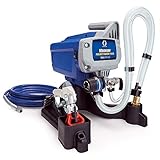
However, it’s generally a terrible choice for large, flat surfaces like walls, large furniture pieces, or entire rooms. The amount of overspray is immense, leading to a huge amount of wasted product and a massive inhalation hazard. Trying to paint a whole wall with spray paint would require an industrial-level ventilation system and a full hazmat suit. You’d spend more time masking off surrounding areas than actually painting. For larger jobs, traditional brushes, rollers, and even airless sprayers (which are a different beast altogether, designed for professional use with powerful ventilation) are far more practical and safer. (See Also: Can Bug Spray Damage Car Paint )
Consider the sheer volume of aerosol cans needed for a big project. If you’re painting a large dresser, you might go through 6-8 cans. That’s a lot of propellant and VOCs being released into the air. Compare that to a quart of traditional paint, which can cover a similar area and is easier to manage in terms of fumes and application.
The convenience of spray paint comes at a cost, both in terms of product efficiency and health risks. I once tried to spray paint a dresser to save time. It ended up taking me four cans, and the fumes were so bad in my small workshop that I had to take multiple long breaks.
The final finish was okay, but I could have achieved a similar result with latex paint and a roller in about the same amount of time, with far less risk.
The type of spray paint also matters. Some paints are formulated with lower VOCs, but they are often more expensive and might not offer the same durability or finish. Specialty paints, like those for high-heat applications (e.g., grill paint) or automotive finishes, often contain more potent solvents and require even more stringent safety precautions. Always read the label and the Safety Data Sheet (SDS) if available. The SDS is a treasure trove of information on chemical composition, hazards, and recommended safety measures. For instance, a quick look at an SDS for a common spray paint will often list specific health effects associated with its ingredients, reinforcing the fact that are spray paint fumes dangerous.
Frequently Asked Questions About Spray Paint Fumes
Can I Spray Paint Indoors Without a Respirator?
While it’s technically possible, it’s highly discouraged and potentially dangerous, especially in poorly ventilated areas. Even with windows open, VOCs can accumulate to levels that cause immediate symptoms like headaches and dizziness, and contribute to long-term health issues. For any indoor spray painting, a respirator designed for organic vapors is strongly recommended. Prioritize ventilation by opening multiple windows and using fans to create airflow.
How Long Do Spray Paint Fumes Linger?
The lingering time depends on ventilation, temperature, and humidity. The initial strong smell might dissipate within a few hours in a well-ventilated area, but VOCs can continue to off-gas from the dried paint for days or even weeks. This means that even after you’ve finished spraying, the air quality in the immediate vicinity can still be compromised. Proper ventilation should continue for as long as possible after the spraying is complete.
Are Low-Voc Spray Paints Safe to Breathe?
Low-VOC spray paints are generally safer than their high-VOC counterparts because they release fewer harmful organic compounds into the air. However, ‘low-VOC’ doesn’t mean ‘no-VOC’ or ‘no-fumes.’ They still contain chemicals that can be irritating or harmful, and therefore, proper ventilation and respiratory protection are still advised, especially for prolonged exposure or sensitive individuals. Always check the product’s SDS for specific safety information.
What Are the Signs of Overexposure to Spray Paint Fumes?
Immediate signs of overexposure include headaches, dizziness, nausea, watery eyes, sore throat, coughing, and difficulty breathing. Longer-term or chronic exposure can lead to more serious neurological issues such as memory loss, concentration problems, mood changes, and potential damage to the liver, kidneys, and nervous system. If you experience any acute symptoms, move to fresh air immediately and seek medical attention if symptoms are severe or persistent.
Verdict
So, to circle back to the big question: are spray paint fumes dangerous? The answer is a resounding yes. They are dangerous, both in the short term with immediate headaches and nausea, and in the long term with potential organ damage and neurological issues. It’s not just marketing hype or an excuse to buy more gear; it’s about respecting the chemistry involved and protecting your health. I’ve learned that a few extra minutes spent setting up proper ventilation and donning a respirator saves you hours of feeling sick and potentially years of dealing with health problems.
Don’t be the person who ignores the warnings on the can. Those warnings exist for a reason. Invest in a good respirator with organic vapor cartridges, prioritize airflow by painting outdoors or with open windows and fans, and always wear gloves and eye protection. Your lungs will thank you later, and you won’t end up with that lingering head fog or worse.
Next time you reach for a spray can, pause and think about your setup. Is it truly safe? If you have any doubt, err on the side of caution. It’s a small price to pay for your well-being, and frankly, it’s the only smart way to use these products.