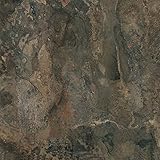
I remember staring at the linoleum in my first apartment, a shade of beige that was aggressively bland. I dreamed of something… more. Something that didn’t look like it came straight out of a 1980s dentist’s office. Tile seemed like the obvious upgrade, but man, the price tag was a punch to the gut. Then I saw this basement floor, all deep, rich color, smooth and modern. Stained concrete. That’s when the real question started brewing: are stained concrete floors cheaper than tile? It’s a question I’ve wrestled with, spent money on, and ultimately figured out the messy truth about.
The Real Cost: It’s Not Just About the Stain
Look, when you’re thinking about whether are stained concrete floors cheaper than tile, you’re probably picturing a can of concrete stain and a roller. That’s what I pictured too, and let me tell you, I learned the hard way that it’s a lot more involved than just slapping some color on.
The initial material cost for a DIY concrete staining kit can seem incredibly low, sometimes as little as $100-$200 for a decent-sized room. That’s what hooked me.
Compared to the cost of tile, which can easily run $2-$15 per square foot for the material alone, plus another $5-$10 per square foot for installation, concrete looked like a steal. But that’s just the paint-on-paint comparison. You’ve got to prep that concrete floor like you’re prepping for surgery.
That means degreasers, etchers, acid washes maybe, and a whole lot of scrubbing. If your concrete is already cracked or uneven, forget about it. You’ll be patching, grinding, and leveling, and those materials and tools add up faster than you can say ‘dust mask.’ I once tried to skip the deep cleaning phase on a garage floor, figuring a quick sweep and a spray would do.
Big mistake. The stain didn’t adhere properly in spots, and I ended up with a patchy, sad-looking floor that I had to strip and start over. That’s another $150 down the drain and two weekends lost.
Then there’s the sealing. You cannot skip the sealant on stained concrete. It’s what protects the stain and gives it that finished look, whether you’re going for a high gloss or a more matte finish.
Sealants can range from $50 to $200 or more depending on the type and quality. Polyurethane, epoxy, acrylic – each has its pros and cons, and each costs money. And if you want a professional, marbled look with multiple colors and techniques, you’re looking at specialized dyes, enhancers, and a lot more labor, whether you’re doing it yourself or hiring someone. The ‘cheaper’ argument starts to crumble pretty quickly when you factor in all these hidden costs and the labor, especially if you’re not starting with a perfectly smooth, clean slab of concrete.
For a truly impressive, durable stained concrete floor, the DIY route can still be cheaper than high-end tile, but the gap narrows significantly, and professional installation flips the script entirely.
Installation Hassles: DIY vs. Pro for Both
Let’s talk installation, because this is where the ‘cheaper’ narrative gets really tangled. With tile, the DIY path is… daunting. You need specialized tools like a wet saw, grout floats, trowels, tile nippers, and a good eye for straight lines. Mess up the layout, and you’re staring at crooked rows that mock you every single day.
The thin-set mortar, the grout, the spacers – it all adds up. And grout lines? Don’t even get me started on cleaning grout.
It’s a perpetual battle against grime. If you hire a pro for tile, you’re looking at $10-$20 per square foot for labor alone, which often makes the total project cost higher than a professionally installed stained concrete floor.
I once had a friend who decided to DIY a small bathroom with intricate mosaic tile. He spent a solid month on it, nearly divorced his wife over grout color, and ended up with a few chipped tiles and more than a few questionable grout lines. He admitted later he probably would have been happier and spent less money overall if he’d just hired someone or gone with a simpler flooring option.
Now, consider stained concrete installation. DIY staining, as I’ve detailed, has its own set of headaches. (See Also: Can Baking Soda Be Use To Clean Tile Floors )
You need to etch or clean the floor properly, apply the stain evenly (acid stains are unforgiving), and then seal it. It’s not impossible, but it requires patience and attention to detail. If you mess up the stain application, fixing it can be a nightmare. However, if you’re starting with a decent concrete slab, the prep is generally less labor-intensive than tiling.
The real cost for stained concrete comes into play when you want those high-end, artistic finishes. Think intricate patterns, multiple colors, or polished concrete that requires specialized equipment.
For that, you’ll absolutely want a professional. Professional concrete floor installers can be pricey, but they have the tools, the expertise, and the speed to get it done right. They can transform a plain slab into something that looks like a million bucks. So, while a basic DIY stained concrete floor can be cheaper than DIY tile, a professionally done stained concrete floor can be on par with, or even cheaper than, professionally installed tile, especially when you factor in the durability and longevity of the concrete itself.
Durability & Maintenance: The Long Game
When I’m evaluating any flooring, I’m not just looking at the upfront cost. I’m thinking about what it’s going to look like in five, ten, fifteen years. This is where stained concrete can truly shine compared to tile, but it’s not without its caveats.
A properly sealed and maintained stained concrete floor is incredibly durable. It can withstand heavy traffic, dropped tools (though not indefinitely), and general wear and tear far better than many other flooring options. It doesn’t chip like tile can, and it doesn’t scratch as easily as wood or laminate.
Think of a well-maintained industrial space or a busy restaurant – those floors take a beating and often look fantastic for decades. The key word here is ‘sealed.’ If the sealant wears down, the concrete can become porous, susceptible to stains (ironic, I know), and prone to chipping or flaking, especially in areas with moisture or extreme temperature fluctuations. Reapplying sealant every few years is usually a good idea, and that’s a cost and a chore to factor in.
Tile, on the other hand, has its own durability profile. Ceramic and porcelain tiles are very hard and resistant to scratches and stains.
However, the grout lines are the Achilles’ heel. They can stain, crack, and become a breeding ground for mildew if not properly sealed and cleaned. And while the tiles themselves are tough, they can chip or crack if something heavy is dropped on them at just the right angle.
Replacement of a single cracked tile can be a minor hassle, but if it’s a large crack or multiple tiles are damaged, it can become a more involved repair. So, in terms of outright resilience to surface damage, stained concrete can be superior.
But maintaining that superiority requires ongoing attention to the sealant. For a low-maintenance, ‘set it and forget it’ kind of floor, well-sealed tile might edge out stained concrete, but if you’re willing to put in a little effort with occasional resealing, stained concrete offers a very compelling durability argument. The common advice that tile is low maintenance needs to be qualified by the reality of grout.
Aesthetic Appeal & Resale Value
Let’s be honest, looks matter. And when it comes to aesthetics, both stained concrete and tile offer a huge range of possibilities, but they do it very differently. Tile can mimic almost anything – wood, stone, metal, fabric – and comes in endless colors, patterns, and sizes.
You can create intricate mosaics, classic subway tile patterns, or bold geometric designs. The visual impact can be stunning, and for many people, the look of a beautifully tiled floor is a major selling point.
However, trends change. What looks latest today might feel dated in ten years, and the cost to re-tile a space can be significant. (See Also: Can Ceramic Tile Flooring Harm Her )
Stained concrete offers a more organic, industrial, or minimalist aesthetic. The beauty of stained concrete lies in its natural variations and the unique patterns created by the staining process. Acid stains, in particular, create a variegated, almost watercolor-like effect that is impossible to replicate perfectly, making each floor one-of-a-kind.
While a basic gray or brown stain might be considered neutral, more vibrant colors or sophisticated techniques can create a dramatic, modern look that is highly sought after in contemporary design. It’s a look that tends to age well and feels less susceptible to fleeting design trends.
Regarding resale value, this is where things get subjective. A high-quality, professionally installed stained concrete floor can significantly increase a home’s appeal and value, especially in areas where modern or industrial design is popular.
It signals a certain sophistication and an understanding of contemporary aesthetics. Buyers often see it as a durable, low-maintenance, and stylish choice. Conversely, a poorly done DIY stained concrete job can be a major turn-off, making the space look unfinished or cheap. Tile’s resale value is more predictable.
A classic, neutral tile in a well-executed installation is almost always a safe bet. Buyers understand tile, and it’s generally seen as a quality upgrade. However, a very trendy or niche tile choice might not appeal to everyone and could potentially deter some buyers.
If we’re comparing a mid-range stained concrete floor to mid-range tile, the stained concrete often feels more contemporary and can therefore command a slightly better resale value in the right market, assuming it’s done well. But neither is inherently superior; it depends heavily on the execution and the target buyer.
Common Mistakes and What to Watch Out For
I’ve made my share of mistakes with concrete floors, and I’ve seen others make them too. The biggest one is underestimating the prep work.
Seriously, don’t just sweep. You need to degrease, etch (with an acid or a TSP substitute), and rinse thoroughly. Any oil, dirt, or old sealer will prevent the stain from adhering properly, leading to patchy results or complete failure.
I learned this the hard way when I tried to stain an old garage floor that had oil spots. No amount of scrubbing would lift it all, and the stain just beaded up in those areas. I had to rent a floor grinder and go back to square one. Another common mistake is using the wrong type of stain for your needs.
Acid stains create a permanent chemical reaction and are beautiful but can be tricky to control. Water-based stains are easier to apply and offer more color consistency but don’t penetrate as deeply. Choosing a water-based stain for a high-traffic area without a solid sealant can lead to quick wear.
Then there’s the sealing. People often think once it’s stained, it’s done. Wrong.
Sealant is important for protection and shine. Using the wrong type of sealant can also be a problem.
A cheap acrylic sealant might look good initially but will wear off quickly and can even yellow over time, especially with UV exposure. You need a good quality, durable sealer, often a two-part epoxy or a high-solids polyurethane, for most interior applications. Over-application of the sealant can also lead to a cloudy or streaky appearance. (See Also: Can I Epoxy Over Vinyl Tile Floor )
Forgetting to test your stain and sealant in an inconspicuous area is another classic blunder. You might love the sample color, but once applied to your entire floor with your specific concrete, it can look completely different.
Always, always test. And if you’re going for a marbled or artistic look, rushing the process or not understanding how different products react is a recipe for disaster. Patience and research are your best friends here.
The Verdict: When Are Stained Concrete Floors Cheaper Than Tile?
So, to finally answer the question: are stained concrete floors cheaper than tile? The answer is a resounding it depends, but often, yes, with significant caveats. If you are comparing a basic DIY stained concrete floor on a relatively clean, smooth existing slab versus DIY tile installation, stained concrete will likely be cheaper. The materials for staining and sealing are generally less expensive than tiles, mortar, grout, and the specialized tools needed for tiling. You’re looking at maybe $1-$3 per square foot for a DIY stained concrete job, whereas DIY tile can easily run $3-$10 per square foot depending on the tile choice.
However, if your existing concrete slab is in rough shape – cracked, uneven, or deeply stained with oil – the cost of repair and preparation can quickly push the price of stained concrete closer to, or even exceeding, the cost of basic tile. Professional installation is where the comparison gets even more nuanced. A professionally installed, high-quality stained concrete floor can range from $8-$20+ per square foot, depending on the complexity of the design and the products used. Professionally installed tile can range from $10-$30+ per square foot, again, depending on the tile and the installer. In this scenario, a stained concrete floor can indeed be cheaper, especially for a more modern, sophisticated look.
Here’s a quick breakdown:
| Flooring Type | Typical DIY Cost (per sq ft) | Typical Pro Cost (per sq ft) | Opinion/Verdict |
|---|---|---|---|
| Basic Stained Concrete (DIY) | $1 – $3 | N/A (pro rates vary) | Cheaper than DIY tile if slab is decent. High risk of patchy results if prep is poor. |
| Basic Tile (DIY) | $3 – $10 | N/A (pro rates vary) | Material costs add up quickly. Requires significant skill and tools. |
| High-End Stained Concrete (Pro) | N/A | $8 – $20+ | Can be cheaper than high-end tile. Offers a unique, modern aesthetic. Durability depends on sealant. |
| High-End Tile (Pro) | N/A | $10 – $30+ | Predictable results, wide aesthetic range. Grout lines are a maintenance concern. |
Ultimately, if you’re looking for a durable, cost-effective flooring solution and you have a decent concrete slab to work with, stained concrete can absolutely be cheaper than tile, especially if you’re willing to tackle some of the prep and application yourself. However, don’t be fooled by the idea that it’s always a cheap and easy fix. The quality of the final result, its longevity, and its overall cost are heavily dependent on the preparation, the products used, and the skill of the installer – whether that’s you or a professional.
Can You Stain Over Existing Concrete That Has Been Painted?
Generally, no. Paint creates a barrier that prevents the stain from penetrating and bonding with the concrete. You’ll need to completely strip off any existing paint or coatings before you can effectively stain the concrete. This can involve chemical strippers, grinding, or sanding, adding significant time and cost to the project.
Is Stained Concrete Slippery When Wet?
This depends entirely on the sealant used. Most sealants for stained concrete have additives to provide some slip resistance. However, high-gloss finishes can become more slippery than matte finishes. If slip resistance is a major concern, especially in areas prone to moisture like bathrooms or entryways, it’s important to choose a sealant with anti-slip additives or to opt for a less glossy finish.
How Long Does Stained Concrete Last?
A properly stained and sealed concrete floor can last for decades. The concrete itself is incredibly durable. The lifespan of the finish, however, is dictated by the quality of the sealant and the amount of wear and tear it receives. High-traffic areas or exposure to harsh chemicals can reduce the sealant’s lifespan, potentially requiring resealing every 2-5 years. With good maintenance, the stain itself can remain vibrant for many years.
Does Stained Concrete Crack?
Concrete is a material that can and will crack over time due to settling, temperature changes, and stress. Stained concrete is no different. However, the staining process itself doesn’t cause cracking. If cracks appear in the underlying concrete, they will also appear in the stained layer. Minor cracks can sometimes be repaired and the area re-stained, but significant cracking can be a more complex issue to address aesthetically.
What Is the Best Stain for Concrete Floors?
The ‘best’ stain depends on the desired look and application. Acid-based stains create a permanent, variegated, translucent effect that looks like natural stone; they are very durable but difficult to control. Water-based stains offer a more consistent color and are easier to apply, coming in a wider range of opaque colors. For interior floors, a high-quality water-based stain with a solid sealant is often a good choice for DIYers, offering good durability and a wide aesthetic range without the intense complexity of acid stains.
Final Verdict
So, to wrap up this whole ‘cheaper than tile’ debate, stained concrete often wins the upfront cost battle, especially if you’re doing it yourself and your existing slab is in decent shape. But you’ve got to factor in the prep, the sealant, and the potential for costly mistakes if you rush it. It’s not always the ‘easy button’ some folks make it out to be. If you’re looking for a truly unique, modern floor and you’re willing to put in the effort or hire the right pros, stained concrete is a fantastic option. But if you just want something that looks decent with minimal fuss and you’re okay with grout lines, tile still holds its own.
The real question isn’t just about upfront cost; it’s about the long-term value, the look you’re going for, and how much effort you’re willing to put into maintenance. Are stained concrete floors cheaper than tile? Sometimes. But it’s a lot more complicated than just picking up a can of stain.