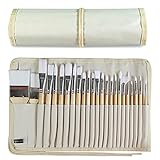
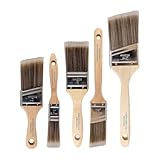
I remember the first time I bought a set of cheap synthetic brushes. They looked perfectly fine in the package, all neat and uniform. I was so excited to try them out on a watercolor commission. Within ten minutes, the bristles were splayed out like a startled cat, leaving fuzzy streaks all over my work. It was a disaster. That’s when I started asking myself, are taklon paint brushes good? The answer isn’t a simple yes or no, and understanding why took me a lot of wasted money and frustration.
If you’re staring at a wall of brushes, trying to figure out what’s what, you’re not alone. Synthetic bristles, especially taklon, get a lot of airtime. But what does that actually mean for your art? Let’s cut through the noise.
The Lowdown on Taklon: What’s the Big Deal?
Okay, let’s get real about taklon. It’s a type of synthetic fiber, often made from polyester. Think of it as the plastic surgeon of the brush world – engineered to mimic the properties of natural hair but with its own set of quirks. The big selling point? Durability and water resistance. Unlike natural hairs that can swell and lose their shape when wet, taklon holds up like a champ. This makes it a solid choice for water-based media like acrylics and watercolors, and even some oil applications if you’re using solvent-free mediums or cleaning them thoroughly.
I’ve personally found that taklon brushes really shine when you’re working with thicker paints. Acrylics, especially, can be pretty brutal on natural bristles, bending and breaking them over time. My favorite set of flat taklon brushes has seen me through countless canvases of bold, vibrant acrylic landscapes. They still spring back beautifully, even after being dunked in murky water and scraped against textured surfaces. It’s a different feel than, say, a sable brush, which offers more ‘give’ and drag, but for laying down smooth, consistent coats or creating sharp edges, taklon can be a revelation.
The way taklon is manufactured also means you can get a really consistent bristle diameter and length. This translates to predictable paint application. If you’re someone who likes a very controlled stroke, or if you’re tired of individual hairs shedding into your paint, taklon is a strong contender. I recall a project where I needed to paint tiny, uniform dots for a pattern. My old hog bristle brushes were just too unruly, leaving blobby messes. Switching to a fine-tipped taklon brush made the whole process significantly less infuriating. It’s not about replacing your heirloom sable brushes entirely, but understanding where these synthetics fit into your arsenal.
However, let’s not paint a picture of pure perfection. The very rigidity that makes taklon durable can sometimes mean less ‘flex’ or ‘snap’ compared to the finest natural hairs. This can be a disadvantage if you’re after that super-soft, subtle blending that a high-quality natural brush can provide.
For delicate washes in watercolor, or for the nuanced scumbling you might do with oils, a very cheap, stiff taklon brush can feel like painting with a scrub brush. It’s the quality of the taklon and the brush construction that really matters here, not just the material itself.
I once bought a bulk pack of what were labeled ‘taklon’ brushes, and they were so plasticky and stiff they barely held any paint. Total waste of about $30.
So, are taklon paint brushes good? Yes, but with a giant asterisk. It depends heavily on the quality of the manufacturing, the specific type of taklon used (there are different grades), and what you’re trying to achieve with your art. Don’t expect a $5 multipack to perform like a professional-grade brush; you get what you pay for, and with taklon, that can range from dismal to downright excellent.
What to Look for When Buying Taklon Brushes
Alright, so you’re convinced you want to give taklon a whirl, or maybe you’re just trying to make sense of the mountain of options. What should you actually be looking for? It’s not just about grabbing the cheapest pack that says ‘synthetic’. The devil, as always, is in the details, and that’s especially true with brush construction. You want to avoid that ‘fuzzy streaky mess’ I mentioned earlier, and that comes down to a few key things.
First off, the bristles themselves. High-quality taklon will feel smooth, not scratchy or overly plasticky. When you run your fingers through them (gently, of course!), they should have a nice flow. Look for brushes where the tips are finely tapered. This is important for achieving delicate lines and smooth color application. If the bristles look blunt or uneven at the tips, they’re likely to leave harsh marks and shed more easily. I’ve found that brushes designed for detail work often have very finely flagged or tipped taklon bristles, which is a good indicator of quality.
Next, consider the ferrule. This is the metal part that connects the bristles to the handle. It should be smooth, tight, and securely crimped onto the handle. A loose or poorly crimped ferrule is a recipe for disaster – the head can wobble, bristles can fall out, and you’ll end up with a brush that’s practically useless after a few uses. Brands that use a double-crimped ferrule are usually a good sign of durability. I once had a brush where the ferrule started to peel away after just a couple of washes. Nightmare. It’s worth spending a little extra to get a ferrule that feels solid and permanent.
The handle itself is also important for ergonomics and control. While this is largely personal preference, a well-balanced brush will feel comfortable in your hand for extended periods. Some artists prefer heavier, longer handles for more use, especially with larger canvases, while others like shorter, lighter handles for intricate work. For taklon brushes, I’ve found that a comfortable grip is key, especially since they tend to be a bit more rigid than natural hair. A handle that feels good means you’re less likely to get hand fatigue, which can directly impact the quality of your strokes. For watercolor, I tend to prefer slightly shorter handles, while for acrylics, a longer, more substantial handle gives me better control over larger areas.
Here’s a little table I put together based on my own experiences, comparing different types of synthetic brushes that you might encounter:
| Brush Type | Bristle Material | Feel/Flexibility | Paint Hold | Durability | Best For (My Verdict) |
|---|---|---|---|---|---|
| Taklon (High Quality) | Polyester | Smooth, moderate flex | Good | Excellent | Acrylics, Watercolor washes, Smooth finishes |
| Nylon | Nylon (often PET) | Stiffer, less flexible than taklon | Moderate | Very Good | Thick acrylics, Priming, Texture work |
| Taklon (Low Quality) | Polyester (inferior grade) | Stiff, plasticky, scratchy | Poor | Poor | Maybe for rough texture, generally avoid |
| Bristle (Hog Hair) | Hog Hair | Stiff, coarse, good for texture | Excellent | Good (can fray) | Oils, Impasto, Textured effects |
| Sable (Kolinsky) | Weasel Hair | Very soft, excellent snap & flex | Excellent | Fair (delicate) | Fine art watercolor, Delicate detail, Oils (with care) |
When you’re shopping, don’t be afraid to pick them up. If you’re buying online, read reviews specifically mentioning bristle quality and ferrule integrity. A brush that costs $5 might seem like a bargain, but if it falls apart after a month, it’s a false economy. Investing in a few good-quality taklon brushes can actually save you money and a whole lot of frustration in the long run.
Common Mistakes Artists Make with Taklon Brushes
So, you’ve got your nice new taklon brushes, and you’re ready to rock. Great! But hold on a second. It’s incredibly easy to shoot yourself in the foot with these things, even with good quality ones. I’ve made more than my fair share of blunders, and I’ve seen others do the same. The biggest mistake? Treating them like cheap disposable tools when they’re actually quite capable, or worse, treating them like natural hair brushes and expecting identical results.
One of the most common errors I see people make is improper cleaning. Because taklon is synthetic and often used with acrylics, people tend to think they can just rinse them under the tap and be done. Big mistake! Acrylic paint, especially when it starts to dry, can form a hard, glue-like bond with those synthetic fibers.
If you let paint dry in your taklon brush, those bristles will stay splayed and stiff forever. It’s like trying to comb wet, matted hair with a fine-tooth comb; you’re just going to damage it. You need to clean them thoroughly with soap and water (brush soap is your friend here) and get all the paint out from deep within the bristles. I often use a little silicone brush cleaner I picked up for about $15 – it’s lasted me ages and makes a huge difference. (See Also: Are Fan Brushes Used To Paint Trees )
Another pitfall is aggressive scrubbing. While taklon is durable, it’s not indestructible. When you’re cleaning, resist the urge to scrub the bristles ferociously against the bottom of a water cup or your palm. This can damage the tips, leading to splaying and a loss of the brush’s intended shape. Instead, gently swirl the brush in soapy water, then rinse. For stubborn paint, use your fingers to gently massage the bristles from ferrule to tip. Think of it as a gentle massage, not a wrestling match.
People also often make the mistake of assuming all taklon brushes are the same. As I mentioned before, there’s a huge range in quality. Buying the cheapest multipack you can find and then being disappointed when they perform poorly is a classic error.
These brushes often have lower-grade fibers that are more prone to splaying, shedding, and a lack of spring. I learned this the hard way. I bought a $10 set that looked decent, only to have two of them unravel from the ferrule within a week of light use.
It’s better to buy one or two good-quality taklon brushes than a whole set of duds. I’d rather have one phenomenal size 8 flat taklon brush for $25 than five lousy ones for the same price.
Finally, and this is a contrarian opinion for some, I think many artists overestimate the ‘snap’ needed from taklon brushes. Everyone talks about the ‘snap’ of a brush – that springy recoil.
While natural hairs like sable have an amazing snap, high-quality taklon offers a different kind of responsiveness. It’s more of a controlled flex.
Trying to force the taklon to behave exactly like sable will lead to frustration. Instead, learn to work with its unique properties.
The consistency and ability to hold a sharp edge, even with a bit less ‘snap’ than sable, can be a huge advantage for certain techniques. Don’t dismiss taklon because it doesn’t feel exactly like your favorite squirrel mop brush. It’s a different tool, with different strengths.
Understanding these common mistakes can save you a lot of heartache and prolong the life of your brushes. Treat them with care, clean them properly, and learn to appreciate their specific advantages.
Taklon in Action: Real-World Use Cases
Let’s move beyond theory and talk about where taklon brushes actually shine in the real world of painting. I’ve spent years putting different brush types through their paces, and taklon has definitely earned its place in my studio, particularly for certain jobs that other brushes just don’t handle as well or as economically.
For acrylic painting, taklon is often my go-to, especially for base coating and blocking in large areas. The bristles are stiff enough to push thicker acrylic paint around without bending too much, and they hold a decent amount of paint. This means fewer dips into the paint pot and faster coverage.
I’ve used taklon flats and filberts to lay down smooth, even layers of color on canvases ranging from 8×10 inches to 4×5 feet. The durability is a massive plus here; I’m not worried about accidentally bending or damaging them as I might be with finer natural hairs when applying firm pressure. I remember one particularly ambitious mural project where I was painting a large sky.
My go-to set of 2-inch taklon flats were absolute lifesavers. They applied the color smoothly and evenly, and they held up to the constant use without fraying or shedding. I probably saved myself a good few hours of work compared to using softer brushes.
Watercolors are another area where good quality taklon brushes can be surprisingly effective. While many watercolor purists swear by natural hairs like sable for their absorbency and delicate tip control, a well-made taklon brush can offer excellent value and performance. I’ve found that taklon round brushes with finely tapered bristles are fantastic for creating crisp lines and controlled washes.
They don’t absorb water in the same way natural hair does, which can actually be an advantage when you want to keep the paint concentrated for vibrant colors or sharp edges. For botanical illustrations or detailed architectural renderings in watercolor, where precision is key, I’ve found taklon brushes to be quite reliable. They don’t ‘bloom’ or spread water quite as much as sable, offering more control over where the pigment goes.
I’ve used them for painting fine water droplets on leaves, and the sharp, controlled lines were key.
Even in oil painting, taklon can find a niche. If you’re working with solvent-free mediums, or if you’re using your oils more like acrylics (painting wet-on-wet with minimal solvent use), taklon brushes can be a good option. They are more resistant to breaking down in oil mediums than some natural hairs might be. For techniques that involve some texture or impasto work, a stiffer taklon brush can be useful. (See Also: A Brush Above Painting Michigan )
However, for the subtle blending and fine glazes that are often associated with traditional oil painting, I’d still lean towards hog bristle or softer natural hairs. My experimentation with taklon in oils has been mixed; they’re not my first choice for delicate blending, but for laying down thicker paint or creating some texture, they can definitely do the job without costing an arm and a leg.
One area where taklon is often overlooked but is surprisingly effective is in mixed media. When you’re combining different mediums – say, acrylics with ink, or watercolor with gouache – you often need brushes that can handle a bit of everything and are easy to clean. Taklon fits the bill perfectly. Their synthetic nature means they are generally less susceptible to damage from different binders and pigments. I’ve used taklon brushes to apply gesso, to lay down acrylic backgrounds, and then to add watercolor details over the top, all with the same set of brushes, just cleaned thoroughly between applications. The resilience of taklon means you’re not constantly worried about ruining a brush with one particular medium.
Ultimately, the best way to understand if taklon brushes are good for you is to experiment. Try them with the mediums you use most. Pay attention to how they feel in your hand, how they handle the paint, and how they clean up. Don’t be afraid to invest in a few higher-quality taklon brushes; they might surprise you with their versatility and longevity.
Contrarian View: When Taklon Just Isn’t Enough
Okay, so I’ve sung the praises of taklon a fair bit, and for good reason. They’re durable, versatile, and often budget-friendly. But let’s be honest, there are times when taklon just doesn’t cut it. And this is where I diverge from the ‘taklon is always good enough’ crowd. Sometimes, you absolutely need something more.
My biggest beef with taklon, even the good stuff, is its inherent stiffness. While this is great for pushing thick paint or creating sharp lines, it severely limits your ability to achieve subtle blending and delicate textures that are signature to many fine art techniques. If you’re a watercolorist who lives for those soft, atmospheric transitions, or an oil painter who loves to build up luminous glazes through micro-thin layers, taklon will likely leave you feeling frustrated.
The bristles just don’t have the same inherent softness or the ability to hold and release water in the same nuanced way that natural hairs like sable, squirrel, or even good quality goat hair do. I’ve spent hours trying to achieve that ethereal soft edge in a watercolor sky with taklon, and it always ends up looking a bit too ‘hard’ or ‘drawn’.
It’s like trying to paint with a feather duster versus a fine silk scarf.
Secondly, the ‘snap’ issue. While I said earlier that you should work with its flex, there are applications where a superior snap is a must. For instance, when you need to create very fine, controlled lines with a lot of pressure variation – think of the delicate wisps of hair in a portrait or the intricate details in an engraving-style print – a brush with exceptional spring-back is important. Taklon can fatigue.
Over time, even the best taklon fibers can lose some of their initial resilience, especially if they’ve been used aggressively or cleaned improperly. A high-quality Kolinsky sable brush, on the other hand, can maintain its incredible snap for years with proper care, allowing for that consistent, responsive line work that’s often impossible to achieve with synthetics.
Then there’s the issue of paint load and release. Natural hairs have a complex structure that allows them to hold a significant amount of paint or water within the brush. They release it gradually and evenly as you paint. Taklon, being a solid synthetic fiber, doesn’t have that internal structure.
While good quality taklon can hold a decent amount of paint, it doesn’t quite match the capacity or the controlled release of natural fibers. This means more frequent re-loading of the brush, which can interrupt your flow and affect the consistency of your strokes, especially in large washes or long, uninterrupted lines. For impressionistic oils or loose, flowing watercolors, where you want to lay down a lot of color in one go, taklon can feel a bit limiting.
Here’s my personal take: if you’re a hobbyist, just starting out, or primarily working with acrylics or very controlled watercolor techniques, taklon brushes are fantastic. They offer great value and performance for the price. But if you’re aiming for the highest levels of subtlety, delicate blending, luminous glazes, or the finest detail work that requires extreme responsiveness and paint-handling capabilities, you will eventually need to invest in premium natural hair brushes.
It’s not about taklon being ‘bad,’ it’s about recognizing its limitations and understanding when a different tool is simply better suited for the job. For achieving that truly sublime, almost painterly texture in oils that feels alive, or the gossamer-thin washes in watercolor that seem to glow from within, I’ll always reach for my natural bristles. It’s a matter of craft and the specific aesthetic you’re chasing.
Faq: Your Burning Questions About Taklon Brushes Answered
Are Taklon Brushes Good for Acrylics?
Yes, taklon brushes are generally excellent for acrylics. Their synthetic fibers are durable and resistant to the wear and tear that thicker acrylic paints can inflict on natural bristles. They hold a good amount of paint and can create both smooth, even applications and sharp edges, making them versatile for various acrylic techniques.
Can I Use Taklon Brushes for Watercolor?
Absolutely. Good quality taklon brushes with finely tapered bristles can be very effective for watercolor. They offer good control, can create crisp lines, and are less absorbent than natural hairs, which can be advantageous for maintaining vibrant colors and sharp edges. They are a more budget-friendly alternative to traditional sable watercolor brushes for many applications.
Do Taklon Brushes Shed?
All brushes, regardless of material, can shed to some extent, especially when new or if they are of poor quality. However, high-quality taklon brushes are constructed to minimize shedding. Proper care and cleaning, including avoiding harsh scrubbing, will significantly reduce shedding and prolong the life of the brush.
How Do I Clean Taklon Paint Brushes?
Clean taklon brushes thoroughly after each use with lukewarm water and mild soap or brush cleaner. Gently swirl the bristles to loosen paint, then rinse from the ferrule outwards. For stubborn acrylic paint, let the brush soak briefly in cleaner, then gently work the paint out. Reshape the bristles and let the brush dry horizontally or bristles-up to prevent damage. (See Also: Can I Brush Paint Latex On My Steel Entry Door )
Are Taklon Brushes Better Than Nylon Brushes?
It depends on the specific brush and application. Taklon is often considered to have a softer feel and better paint-holding capacity than many nylon brushes, making it suitable for finer detail and smoother application. Nylon brushes are typically stiffer and more durable, which can be better for applying heavy body paints or creating texture. Both have their strengths, and quality varies greatly within each type.
How Long Do Taklon Brushes Last?
With proper care and cleaning, high-quality taklon brushes can last for years. They are generally more durable than natural hair brushes, especially when used with acrylics or heavy mediums. The lifespan depends heavily on the quality of the brush, how it’s used, and how well it’s maintained after each painting session.
A Few Practical Tips for Using Taklon
So, you’ve got your taklon brushes, you know what to look for, and you understand the common pitfalls. Here are a few practical, no-nonsense tips that have helped me get the most out of these synthetic workhorses. These aren’t revolutionary, but they make a real difference in day-to-day painting.
First off, always rinse thoroughly and reshape. I mentioned this in cleaning, but it bears repeating.
After you’ve washed out all the paint, take a moment to gently shape the bristles back into their original form before setting them to dry. Run your fingers from the ferrule to the tip, coaxing them into a point, a flat edge, or whatever their intended shape is.
This simple step is probably the single biggest factor in keeping your brushes performing as they should, preventing splaying and maintaining those crisp edges you’re paying for. I use a tiny drop of hair conditioner sometimes when I’m doing a deep clean on my favorite taklon brushes; it helps keep the fibers smooth and flexible without leaving any residue that affects paint adherence.
Secondly, don’t be afraid to use them for tasks where natural brushes might suffer. Got a project that involves a lot of gesso priming? Use a cheap but sturdy taklon brush.
Need to apply a thick varnish that might break down some natural hairs? Your taklon brushes are your best friends. Because they are more resilient and often less expensive (especially the good ones), you can use them for these ‘heavy-duty’ jobs without the same level of anxiety you might feel about damaging a $50 sable brush.
I’ve got a couple of old, stiff taklon flats that I only use for applying glue for collage work or for spreading heavy mediums. They get messy, but they don’t complain, and they’re easily replaceable if they finally give up the ghost.
Third, experiment with different sizes and shapes for unexpected effects. While taklon is known for its smooth application, don’t pigeonhole it. A small, stiff taklon round can create surprisingly effective textural marks when you use the side of the bristles. A large, flat taklon brush, when used with a dry brush technique, can lay down interesting scratchy lines.
Because they hold their shape so well, you can push them into techniques that might ruin softer brushes. Think of them as versatile tools that can handle a bit of abuse and still deliver consistent results.
I recently discovered that a cheap, stiff taklon fan brush is actually quite good for creating subtle grass textures in my acrylic landscapes, something I previously only did with very worn natural brushes.
Finally, consider buying them in sets strategically. Instead of buying a massive, overwhelming set of 20 brushes where half of them will be redundant for your needs, look for smaller, hand-picked sets focused on specific tasks – like a watercolor detail set or an acrylic blending set. Or, buy a few individual brushes in the shapes and sizes you know you’ll use most.
A couple of good rounds, a flat or two, and maybe a filbert can cover a surprising amount of ground. You can always expand your collection later as you discover what works best for your unique painting style. The key is to be intentional about your brush purchases, rather than just grabbing whatever looks cheapest or most numerous.
Final Thoughts
So, after all this, are taklon paint brushes good? The short answer is yes, they absolutely can be. They’re not a magic bullet, and they won’t replace the nuanced performance of high-quality natural hair brushes for every single technique. But for their durability, versatility across water-based mediums, and often excellent value, they are an indispensable part of my painting kit. I’ve learned to appreciate their strengths, particularly for acrylics and controlled watercolor work, and have found them to be reliable workhorses that don’t break the bank.
Don’t let the ‘synthetic’ label fool you into thinking they’re inherently inferior. The quality of the taklon fiber, the construction of the ferrule and handle, and most importantly, how you care for them, will dictate their performance and longevity. If you’ve had bad experiences with cheap synthetic brushes in the past, I urge you to try a few good-quality taklon brushes from reputable brands. You might be surprised at the difference.
My advice? Invest in a couple of decent taklon brushes for your primary medium, clean them meticulously, and see how they perform for you. You might find, as I have, that they become some of your most trusted tools in the studio.