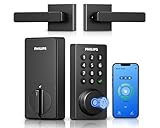
I remember standing in my driveway, fumbling for my keys in a downpour. My arms were full of groceries, my phone was dying, and I just wanted to get inside. That’s when it hit me: wouldn’t it be great if I could just… open the door from my phone?
The question of are there available door locks unlockable w remote has been on my mind for ages, mostly born out of sheer convenience and the occasional moment of forgetfulness. Thankfully, the answer is a resounding yes. We’ve moved way beyond traditional deadbolts, and modern tech offers some pretty neat solutions for keyless entry.
But before you rush out and buy the first shiny gadget you see, let’s talk about what actually works, what’s a total waste of money, and what you really need to know.
The Smart Lock Revolution: How They Even Work
Okay, so you’re wondering how these magic boxes on your door actually ditch the keys. It’s not rocket science, but it’s definitely clever engineering. Most smart locks, the ones that let you operate them remotely, fall into a few main categories based on their connectivity. You’ve got your Wi-Fi enabled locks, Bluetooth locks, and some that use a combination, often with a bridge or hub to connect to your home network.
Wi-Fi locks are the most straightforward for remote access. They connect directly to your home’s Wi-Fi network. This means you can control them from anywhere your phone has an internet connection. Think: letting a friend in while you’re at work, or checking if you remembered to lock up after leaving for vacation. My first Wi-Fi lock was a revelation. I was on a business trip and my neighbor needed to water my plants. A quick tap on my phone app, and she was in. No rushing back, no spare key nightmares. That alone was worth the price of admission.
Bluetooth locks are usually a bit cheaper, but their range is limited. You can usually operate them when you’re within about 30-50 feet. This is handy for when you’re walking up to your door with your hands full. Some Bluetooth locks can connect to your home Wi-Fi via a separate bridge device, effectively giving them remote capabilities. Without the bridge, though, you’re still tethered to being physically close.
Then there are Z-Wave and Zigbee locks. These are part of a mesh network that talks to a central hub. They’re great for larger smart homes where you might have other Z-Wave or Zigbee devices. They communicate with the hub, and the hub connects to your internet. This adds a layer of complexity, and you definitely need that hub. For someone just starting out, a direct Wi-Fi lock is often simpler.
The core mechanism inside is usually an electric motor that turns the deadbolt. Your phone app, or a remote fob, sends a signal to the lock’s internal receiver. This signal tells the motor to engage or disengage the bolt. Security-wise, these signals are encrypted, just like your online banking. The apps themselves also have layers of security, usually requiring a strong password and sometimes two-factor authentication. It’s worth noting that while these systems are solid, no electronic system is 100% impenetrable. That’s a conversation for later.
What to Look for Beyond Just ‘remote Access’
So, you know they exist and how they generally work, but what separates a good smart lock from a dud? It’s not just about whether you can wave your phone at the door. Durability, battery life, and how well it integrates with your existing tech are huge. I’ve seen too many people buy fancy locks that die after six months or have apps so clunky they’re worse than fumbling with keys. My neighbor bought a smart lock last year; it looked slick, but the app was a mess, and the battery needed replacing every six weeks. That’s not convenience; that’s a headache.
Battery life is most important. You don’t want your smart lock to go dead when you’re away for a long weekend, leaving you stranded or reliant on that backup key you hid (and promptly forgot where). Most good smart locks will give you a heads-up in the app when the batteries are low, and many use standard AA or AAA batteries, making them easy to replace. Some even have a 9-volt battery backup terminal on the outside, a lifesaver in a pinch. I saw a friend’s high-end lock die completely on him in the middle of winter; he had to break a small window to get in. That’s the nightmare scenario. (See Also: Are Sesame Seeds Kosher For Passoveris Pollock Kosher )
Compatibility is another big one. Does it work with your existing smart home ecosystem? If you’re an Alexa household, you’ll want something that integrates well. Same for Google Assistant or Apple HomeKit. This allows for voice commands and more complex automation, like your lights turning on when the door opens. Some locks have their own distinct apps and don’t play nicely with others, which can be frustrating if you’re trying to manage multiple smart devices.
Build quality matters. These things are exposed to the elements. Look for locks made from solid materials like zinc alloy or stainless steel. Cheap plastic will not stand up to a harsh winter or a determined crowbar. The internal mechanism should feel smooth and solid when you test it manually (if possible) or read reviews that specifically mention the feel and durability of the bolt mechanism. Don’t underestimate the sheer physical stress a door lock endures.
Here’s a quick rundown of key features to consider, including my personal take:
| Feature | What to Look For | My Verdict |
|---|---|---|
| Connectivity | Wi-Fi for true remote access. Bluetooth with a bridge is okay. | Wi-Fi is king for remote control. Don’t mess with pure Bluetooth unless you’re on a budget and understand the limits. |
| Battery Life | Advertised 6-12 months, with low battery alerts. 9V backup terminal is a plus. | Anything less than 6 months is a red flag. My current one lasts about 9 months. |
| App Experience | Intuitive interface, reliable notifications, easy user management. | A bad app makes a good lock useless. Test it in a store if you can, or watch demo videos. |
| Security Features | AES-256 encryption, secure login, activity logs. | Key. Make sure it’s not using outdated security protocols. |
| Installation | DIY-friendly for standard doors, clear instructions. | If you’re not handy, factor in professional installation cost. Most are designed to be straightforward, but some are trickier. |
Common Mistakes and What Not to Do
I’ve seen people get this wrong. Big time. The biggest mistake? Assuming all smart locks are created equal and are just a fancier deadbolt. They’re not. They introduce new potential points of failure and security considerations that you need to understand. My first attempt at installing a smart lock was a disaster. The instructions were vague, the holes in my door frame didn’t quite line up, and I ended up stripping a screw. It took me three hours and a trip to the hardware store for a drill bit. I’ve since learned to read the installation guides before buying, or at least check YouTube reviews showing the install process.
Another common pitfall is over-reliance on just the app. What happens if your phone dies, or you lose it? Most smart locks have a physical key backup, but sometimes it’s hidden in a way that’s not immediately obvious. Make sure you know where that keyhole is and that you have a spare key somewhere sensible – not just inside the house!
People also underestimate the security implications. While manufacturers use encryption, weak passwords on your Wi-Fi network or the lock’s app itself can be a backdoor. It sounds obvious, but I’ve heard stories of people using their pet’s name or ‘123456’ as their lock PIN. Seriously? For remote access devices, you need to treat your app and network security with the same seriousness as your online banking. This is where people get complacent, and that’s a problem. My Wi-Fi password is a complex string of characters, and my smart lock app has a unique, strong password and two-factor authentication enabled. It’s a bit of a hassle, but the peace of mind is worth it.
Then there’s the hype versus reality. You’ll see marketing materials showing people effortlessly opening doors with a wave of their hand from miles away. The reality is often a slightly less glamorous process of opening an app, waiting for it to connect, and tapping a button. It’s still faster and more convenient than digging for keys, but temper your expectations. Also, don’t fall for the cheapest option. The really, really cheap ones are often poorly made, have unreliable software, or use outdated security. I bought a budget model once that would randomly disconnect from Wi-Fi. I had to reset it almost weekly. Waste of money and a constant source of annoyance.
Here’s a contrarian opinion for you: Everyone talks about how smart locks are the ultimate in convenience and security. I disagree that they are the ultimate in security. While they offer convenience and modern security features, a well-made, high-security mechanical deadbolt from a reputable brand is incredibly difficult to brute-force without significant tools and time. Smart locks introduce electronics, which can be exploited by sophisticated attackers, albeit rarely. The real win for smart locks is convenience and remote control, not necessarily superior physical security over the best mechanical locks. You gain remote access, but you add a digital layer that could be a vulnerability. It’s a trade-off.
Real-World Use: When Are They a Lifesaver?
When do these remote-unlockable door locks actually shine? It’s not just about showing off to your friends. (See Also: Are Sliding Door Locks Common )
I’ve found them incredibly useful in specific situations. The classic is the ‘forgotten key’ scenario, but that’s just the tip of the iceberg. Think about letting in a repair person when you can’t be there. Instead of waiting around all day or giving them a hidden key (which you then have to remember to retrieve and potentially re-hide), you can grant temporary access through your app.
You get a notification when they enter and leave. It’s brilliant for peace of mind.
My plumber came to fix a leaky faucet while I was out meeting a client. I opened the door from my car, got a text when he was done and locked, and that was it.
No back-and-forth coordination needed.
Another scenario is for family or friends who might need access. Parents visiting, a friend dropping off mail, or even kids getting home from school if they’re old enough to handle it. You can create temporary digital keys or codes for specific people and set time limits. This is far more secure and manageable than handing out physical keys. I set up a temporary code for my sister when she stayed over last month. She could come and go as she pleased, and once she left, I simply deleted her access. No need to worry about her forgetting to give the key back.
For landlords or people who rent out properties occasionally (like Airbnbs), this is a big deal. No more key exchanges with every new guest. You can provide unique codes that automatically expire after checkout. It simplifies the entire process and reduces the risk of lost keys. I know a few small-time landlords who swear by them for their rental units; they say it saves them hours of coordination per month.
Elderly relatives who might need assistance can also benefit. If a caregiver needs to visit, or if a family member wants to check in remotely, a smart lock makes it easy to grant access. You can even monitor entry and exit times if you’re concerned about their well-being. It’s a subtle way to provide support and make sure their safety without being intrusive.
Finally, think about those hectic mornings. You’re rushing out, grab your bag, slam the door, and then spend 30 seconds patting your pockets, wondering if you locked it. With a smart lock, you can quickly pull up the app and confirm. Some even have auto-lock features, which I find invaluable. Once the door closes, it locks itself after a set period, say 30 seconds or a minute. That little digital ‘click’ you hear from the app confirms it’s locked. It’s a small thing, but it removes a nagging doubt.
Practical Tips for Living with a Smart Lock
Once you’ve got a smart lock installed, there are a few things you can do to make life easier and more secure. Firstly, don’t neglect the physical backup key. Keep it somewhere safe and accessible, but not obvious. A good spot might be in a neighbor’s house, a safe deposit box if you have one, or even a sturdy, weatherproof lockbox mounted discreetly away from your main door. I have a spare key with my most trusted neighbor, just in case. (See Also: Are The Rams Locked Into The 6th Seed )
Regularly update your firmware and your app. Manufacturers release updates to fix bugs, improve performance, and patch security vulnerabilities. It’s like patching your computer’s operating system. Most smart locks can do this automatically, but it’s good to check the settings and make sure it’s enabled. If you’re not sure, check the manufacturer’s website periodically.
Manage your users and access codes carefully. Grant temporary access only when needed, and delete codes or revoke access for people who no longer require it. For family members, consider setting specific hours of access if that makes sense for your household’s routine. For example, if your kids only need access after school, you can set their code to only work between 3 PM and 6 PM. This adds another layer of control.
Be mindful of your Wi-Fi network’s security. A strong, unique password for your home Wi-Fi is a must. Consider setting up a separate guest network for visitors if your router supports it, keeping your main network (and your smart lock) more isolated. Also, consider the placement of your Wi-Fi router. If it’s too far from your smart lock, you might experience connectivity issues. A Wi-Fi extender or mesh system can help in larger homes or those with thick walls.
Here’s a simple step-by-step process for setting up and managing access:
- Installation & Initial Setup: Follow the manufacturer’s instructions meticulously. Make sure the lock is installed correctly and calibrate it according to the guide.
- Connect to Wi-Fi: Link your lock to your home Wi-Fi network, ideally a 2.4GHz network, as many smart devices prefer it.
- Download and Secure the App: Get the official app for your lock. Create a strong, unique password and enable two-factor authentication.
- Set Up Your Primary Access: Configure your own access code or method (e.g., fingerprint, app open).
- Add Users/Grant Access: For guests, family, or service providers, use the app to create new users or temporary codes. Specify start and end dates/times if applicable.
- Monitor Activity: Check the app’s activity log periodically to see who has accessed your home and when.
- Regular Maintenance: Change batteries when prompted, and check for firmware updates.
People Also Ask Section
Can You Open a Smart Lock with Your Phone?
Yes, that’s the primary function of most smart locks with remote capabilities. You use a dedicated app on your smartphone to send commands to the lock, allowing you to lock or open it from virtually anywhere as long as both your phone and the lock (or its connected hub) have an internet connection. This offers significant convenience for granting access to others or checking your door’s status remotely.
Do Smart Locks Require Wi-Fi?
Many smart locks require Wi-Fi to function for remote access. They connect directly to your home’s Wi-Fi network, allowing you to control them via their app from outside your home. Some models primarily use Bluetooth, which has a limited range, but can connect to Wi-Fi through an optional bridge or hub. Others might use Z-Wave or Zigbee, which also require a compatible hub to connect to your home network and enable remote control.
Are Remote Door Locks Safe?
Remote door locks, or smart locks, are generally safe when properly installed and secured. They use encrypted communication protocols to protect against hacking. However, like any connected device, they are not immune to threats. Making sure you have a strong Wi-Fi password, a secure app login with two-factor authentication, and keeping the lock’s firmware updated are important steps to maintain safety. The physical security of the lock itself also remains important.
Can You Get Locked Out of a Smart Lock?
It is possible to get locked out of a smart lock, but it’s usually due to specific circumstances. This can happen if the lock’s batteries die unexpectedly, if your phone’s battery dies and you don’t have a physical key backup, or if there’s a technical glitch with the lock or its connection. Most smart locks include a physical key override or a backup power terminal (like a 9V battery connection) to prevent complete lockout in most common scenarios.
Final Thoughts
So, to answer the core question: are there available door locks unlockable w remote? Absolutely. The technology is here, it’s reliable, and it can genuinely make your life easier. From letting in a contractor to simply avoiding that frantic pocket-patting as you leave, the benefits are real.
Just remember, it’s not a set-it-and-forget-it kind of deal. You need to be smart about security, mindful of battery life, and understand the limitations. Don’t buy the cheapest thing you can find, and definitely don’t skimp on securing your Wi-Fi and app accounts. A little bit of informed effort goes a long way.
If you’re on the fence, I’d recommend starting with a well-reviewed Wi-Fi enabled smart lock from a reputable brand. You’ll likely find that once you experience the convenience, you’ll wonder how you lived without it.