The first time my toddler figured out how to jimmy the deadbolt, I swear I aged ten years. It was a Tuesday morning, I was wrestling with a coffee pot that refused to cooperate, and suddenly, the front door was wide open. He was standing there, a grin plastered on his face, ready to explore the wild unknown of our driveway. That’s when the question hit me with the force of a runaway stroller: are there child locks on front door systems? Because if there aren’t, you’re basically leaving the welcome mat out for disaster.
It’s not just about keeping them in; it’s about keeping them safe from wandering out unsupervised. Most parents I know have had that heart-stopping moment where you realize your little escape artist is no longer within your immediate line of sight. The peace of mind that comes with knowing your front door is secured against tiny, curious fingers is priceless, and thankfully, it’s achievable.
Why You Need to Think About Front Door Security for Little Ones
Look, I’m not one for alarmist parenting, but when it comes to kids and front doors, a little bit of caution goes a long way. My neighbor, bless her heart, used to be super relaxed about it. Her theory was, ‘If he goes out, he’ll just come back in.’ Until the day he didn’t. He wandered a block down the street and was found playing with a stray dog by a very concerned elderly woman. Thankfully, nothing bad happened, but it was a wake-up call for her, and it should be for you too. The simple truth is, are there child locks on front door setups that actually work? Yes, and they’re not complicated.
The biggest misconception is that you need some high-tech, complicated system. For most people, it’s about adding basic, effective layers of security. Think about it from a toddler’s perspective: they’re short, they’re curious, and they’re surprisingly strong when motivated by the allure of the outside world. A standard doorknob is often within their reach and easy enough to twist. A deadbolt, while higher, can sometimes be reached with a chair or a determined stretch. We’re talking about preventing simple, potentially dangerous access. It’s not about turning your home into Fort Knox; it’s about making your front door a non-starter for a child on an adventure.
I remember one particularly embarrassing incident where my son, at about three years old, managed to unlatch our storm door while I was just inside, talking on the phone. I heard the distinct ‘click’ and the creak of hinges, and my blood ran cold. He’d just wanted to see a squirrel, but the thought of him being able to just… open the door… was terrifying. That was the day I learned about different types of childproofing specifically for doors. It’s not a one-size-fits-all situation, and what works for one age or developmental stage might not work for another. The key is to understand the risks and find a solution that fits your specific door and your child’s capabilities.
The common advice is often to just keep doors locked, but that’s easier said than done when you’re juggling groceries, kids, and life. Plus, what if there’s an emergency and you need quick access? You don’t want to be fumbling with a complex lock yourself. The focus needs to be on locks that are child-resistant but adult-accessible. It sounds simple, but finding that balance is what matters most.
Different Kinds of Door Locks and What They Actually Do
When you start looking into door security for kids, you’ll find a few main categories. First, there are the simple add-ons. These are things like door knob covers, which are basically plastic shields that go over your existing doorknobs. They’re cheap, easy to install, and generally effective for younger toddlers who are just learning to twist. I used these for a while, and they worked okay, but my son figured out how to pry them off with a toy within a few weeks. They’re good for a temporary fix or for doors you don’t use very often.
Then you have the lever handle locks. These are great if your doors have lever handles. They’re usually made of plastic and clip around the lever, preventing it from being pushed down. They’re a bit more secure than knob covers because they’re harder to just pull off. My daughter had these on her upstairs bedroom doors, and they held up pretty well for a couple of years. The downside is they can look a bit clunky, and if you have a very determined child, they might still find a way to wiggle them loose. (See Also: Are Sesame Seeds Kosher For Passoveris Pollock Kosher )
The real workhorses, in my opinion, are the deadbolts and smart locks that have built-in childproofing or can be augmented. Many deadbolts have a thumb-turn on the inside. While a child can’t operate the exterior keyhole, they can sometimes manipulate the thumb-turn if it’s low enough or they can reach it. For these, you might consider a deadbolt cover that goes over the thumb-turn itself, making it harder for little hands to grip and turn. It’s a simple, inexpensive addition that can make a significant difference.
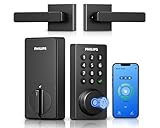
Smart locks are a whole different ballgame. Some of them have integrated child lock features, or they can be programmed to require a specific sequence or longer press on the keypad to disengage from the inside. I’m not a huge fan of relying solely on smart locks for childproofing because technology can fail, batteries die, or Wi-Fi can go out. But as a supplement to a good mechanical lock, or if it has solid child-lock features, they can be a decent option. The key here is that the child lock function should be something that’s hard for a child to accidentally trigger or bypass. Look for models that explicitly state their child safety features, not just general security.
Here’s a quick rundown of what I’ve found:
| Type of Lock | Pros | Cons | My Verdict |
|---|---|---|---|
| Door Knob Covers | Cheap, easy to install, effective for very young kids. | Easily removed by determined toddlers, can look unsightly. | Good for a short-term fix or low-traffic doors. |
| Lever Handle Locks | Better grip prevention than knob covers, relatively secure. | Can be bulky, might be bypassed with enough effort. | Decent for lever handles, especially for older toddlers. |
| Deadbolt Covers (for thumb-turn) | Inexpensive, targets a specific weak point. | Only addresses the thumb-turn, not the whole deadbolt. | A simple, effective addition to existing deadbolts. |
| Smart Locks (with child lock features) | Advanced security, potential for remote monitoring. | Can be expensive, reliant on power/Wi-Fi, complex. | Consider as a supplement, not the sole solution, unless features are solid. |
Common Mistakes and What to Actually Look For
The biggest mistake I see people make is thinking that any lock will do. They slap on a cheap plastic cover and think the job is done. But kids are persistent. They’ll test, they’ll push, they’ll pull, and they’ll find the weak spot. Another common error is focusing only on the main deadbolt. What about the doorknob lock? Or the secondary latch? You need to consider all potential points of entry that a child could manipulate. I made this mistake myself when I first childproofed. I got a fancy deadbolt cover, felt smug, and then my son figured out how to open the regular doorknob lock on the same door five minutes later. Talk about a deflated feeling.
When you’re shopping, ignore the marketing fluff. Look for products that are specifically designed for child safety. Read reviews from other parents, not just generic security reviews. Pay attention to how easy it is for you to operate. If you’re struggling to get it open in a hurry, it’s not a good solution. Also, consider the material. Cheap plastic can crack or break. Metal options, especially for deadbolts, are generally more durable. Think about the lifespan of the product too. Will it last through your child’s curious toddler years, or will you be replacing it every few months?
One thing I learned the hard way is to test everything thoroughly. After installing a new lock or cover, don’t just assume it works. Try to manipulate it yourself from a child’s perspective. Get down on their level. See if there are any gaps or use points they could use. My nephew once managed to get his tiny fingers into a supposed ‘childproof’ gate and pull it open. It turned out there was a small gap near the bottom that was just wide enough. It’s these little details that can make all the difference. You have to be a bit of a detective and think like a mischievous toddler.
Also, don’t forget about double doors or doors with multiple locking mechanisms. If you have French doors or a similar setup, you might need different solutions for each door. And what about the door itself? Is it a solid core door or a hollow one? A child might be able to kick through a hollow door more easily than a solid one, though that’s a more extreme scenario. The point is to look at the entire system, not just one component. The question ‘are there child locks on front door’ is important, but the follow-up question is ‘which child locks are actually effective for my door and my child?’ (See Also: Are Sliding Door Locks Common )
Real-World Use: When and How I’ve Used Them
I’ve been down this road with three kids, and let me tell you, the front door was always a major anxiety point. For my oldest, when he was around 2.5, we installed a deadbolt with a cover for the thumb-turn. That seemed to do the trick for him. He was more interested in exploring the backyard than the street, so keeping him from opening the door was the main goal. The cover was sturdy, and he never figured it out.
For my middle child, who was a certified Houdini from birth, it was a different story. The deadbolt cover wasn’t enough. He could reach the deadbolt and turn it with surprising dexterity. So, we upgraded to a heavier-duty deadbolt with a built-in, more secure thumb-turn mechanism that required a bit more force and a specific grip. It was a bit more expensive, costing me around $120 for the lock itself, but it was worth every penny for the peace of mind. I also added a simple, over-the-knob lock for an extra layer of security, just in case. That took me about 15 minutes to install, and that was with a toddler “helping” me.
My youngest is still too little to be a major door-opening threat, but I’ve already got my eye on some of the newer smart lock options that have solid child-lock features. I’m wary of relying solely on electronics, but some of these have physical overrides and require a specific sequence on the keypad from the inside, which seems promising. I saw one that requires you to hold down a button for three seconds before the lock disengages from the interior. That’s the kind of thing I’m looking for – something that’s not easy for a little finger to accidentally trigger.
One particular incident sticks out. We were having a party, and the doorbell was ringing constantly. My son, who was about four at the time, saw his chance and tried to open the front door to greet guests himself. Luckily, the deadbolt was engaged, and he couldn’t get it. If it had just been the doorknob lock, he would have been out in the yard with strangers arriving. It solidified my belief that you need more than just a basic lock. Think about the everyday chaos and how many times you might be distracted. That’s when these child locks become your silent guardian.
Practical Tips for Front Door Childproofing
First off, assess your current door setup. What kind of locks do you have? Are they easy for a child to reach? What’s your child’s physical capability and determination level? This assessment will guide your choice. Don’t buy the first thing you see; take a look at your door and your child first. For instance, if you have a standard doorknob with a simple push-button lock on it, that’s an easy target. You’ll likely need something like a doorknob cover or a lever lock.
If you have a deadbolt, check the thumb-turn. Is it easy to grip? Can your child reach it without standing on tiptoes or climbing on furniture? If so, a deadbolt cover for the thumb-turn is a simple and effective first step. I’ve seen some clever ones that actually require you to push down a small button while turning, making it much harder for little hands. These cost about $10 and can save you a lot of headaches. It’s a small investment for significant peace of mind.
Consider a two-step approach. For example, use a deadbolt with a childproof thumb-turn cover, and also install a secondary lock that’s higher up or requires a different mechanism. This could be a chain lock that’s out of reach, or a sliding bolt lock installed near the top of the door. These aren’t necessarily ‘child locks’ in the traditional sense, but they add layers of security that make it much harder for a child to get the door open. It’s like double-bagging it, but for your front door. (See Also: Are The Rams Locked Into The 6th Seed )
When installing anything, follow the instructions carefully. A poorly installed lock is no better than no lock at all. If you’re not comfortable with DIY, hire a handyman. It’s worth the small cost to make sure it’s done right. And, importantly, teach your children about the door. Explain that it’s not a toy and that they should never open it without an adult. This is a long-term strategy that complements any physical locks you install. It’s about building good habits from a young age.
Faqs: Getting Answers on Front Door Child Safety
Are There Specific Child Locks for Sliding Glass Doors?
Yes, absolutely. Sliding glass doors present a different challenge. Common solutions include sliding door loop locks that wedge into the track, making it impossible to slide the door open. There are also track blocking devices and even some newer smart locks designed for sliding doors. For very young children, a simple dowel rod placed in the track behind the sliding door can effectively block it from opening.
Can a Child Pick a Standard Deadbolt?
It’s highly unlikely a young child could pick a standard deadbolt. Picking a lock requires fine motor skills and knowledge of tumblers. However, they can often operate the interior thumb-turn if it’s accessible and not secured with a childproof cover. So, while they can’t ‘pick’ it in the traditional sense, they can still disengage it from the inside.
How Do I Childproof My Doorknob?
For standard round doorknobs, the most common and effective solution is a doorknob cover. These are typically made of plastic and wrap around the knob, making it too large and slippery for a child to grip and turn. For lever-style handles, specific lever handle locks that clip onto the lever are available and work by preventing the lever from being pushed down.
What If My Child Can Reach the Deadbolt?
If your child can reach the deadbolt’s thumb-turn, the best solution is to use a deadbolt cover specifically designed for thumb-turns. These covers often require a dual action (like pressing a button while turning) that a child cannot replicate. In some cases, you might need to consider replacing the deadbolt with one that has a higher or more difficult-to-operate thumb-turn, or a smart lock with solid interior childproofing.
Final Thoughts
So, to answer the main question directly: yes, there are child locks on front door systems, and they are a vital tool for any parent with a curious little one. It’s not about over-complicating your life; it’s about adding a necessary layer of safety that gives you a bit of breathing room. My own experiences, from near-disasters to successful childproofing strategies, have taught me that proactive measures are always better than reactive ones. Don’t wait for a scare to make you think about it.
The market offers a range of solutions, from simple, inexpensive covers to more advanced locks. The key is to choose what works for your specific door, your child’s age and dexterity, and your comfort level. I’ve found that a combination of a secure deadbolt with a thumb-turn cover, and perhaps a secondary lock higher up, offers the best protection. It’s about building a multi-layered defense against those tiny hands.
Ultimately, keeping your child safe is the priority. Investing a little time and money into securing your front door is a small price to pay for the peace of mind that comes with knowing your little explorer can’t just wander off. Take a look at your front door today and decide what you need to do next to make sure it’s a barrier, not an invitation.