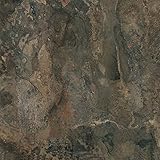
I remember staring at my kitchen floor, absolutely fuming. I’d spent a small fortune on what I thought were elegant, low-maintenance ceramic tiles, only to have them develop a weird, patchy sheen after just a few months. It looked less ‘high-end’ and more ‘neglected’. This is when the question really hit me: are there some tile floors that will not get shiny, or am I doomed to a life of perpetual buffing and regret? Turns out, the answer is a resounding yes, and it all comes down to the type of tile and, importantly, its finish.
The Low-Gloss Truth: Not All Tiles Are Created Equal
Let’s cut to the chase. If you’re looking at tile options and your primary goal is to avoid that high-gloss, reflective surface that shows every speck of dust and water spot, you’ve got options.
The entire premise that all tile floors are destined to become shiny is just plain wrong. It’s like saying all cars are red; it’s nonsensical.
The finish applied to a tile during manufacturing is the main determinant of its sheen. Think of it like paint on a wall: you can get high-gloss enamel, satin, or flat matte. Tile is no different.
The materials, the firing process, and the subsequent glazing or lack thereof dictate the final look. Many tiles are designed specifically to have a matte or textured finish.
This isn’t some rare, exotic thing; it’s a standard option, and frankly, a lifesaver for anyone who values their sanity and doesn’t want their floor to double as a disco ball.
The common misconception might stem from the fact that many popular, budget-friendly tiles often come in glossy finishes because they’re easier to produce and can look striking when brand new. But as anyone who has lived with them for a while knows, that initial sparkle fades into a maintenance nightmare. I learned this the hard way installing a glossy porcelain in my entryway. It looked stunning for about two weeks. Then the scuff marks from shoes, the water spots from rainy days, and the general grime started building up, creating an uneven, dull sheen that was impossible to even out. I spent hours scrubbing, only to find it looked worse. This experience cemented my desire for non-shiny surfaces.
When you’re shopping, the keywords to look for are ‘matte,’ ‘honed,’ ‘natural,’ ‘unglazed,’ or ‘textured.’ These terms generally indicate a tile that won’t reflect light like a mirror. Even within porcelain and ceramic, which are the most common types of tile, you’ll find a huge range of finishes. For instance, some ceramic tiles have a satin finish, which is a step up from matte but still offers a soft glow rather than a sharp reflection. Others, like certain types of natural stone tiles (though those are a whole other conversation about sealing and maintenance), come with a naturally unpolished, matte surface.
Decoding Tile Finishes: What to Ask for (and Avoid)
Alright, so you’re in the tile store, or browsing online. How do you actually identify the non-shiny contenders?
You need to know the lingo. The most obvious and desirable finish for a non-shiny floor is matte. This means the tile has been manufactured or treated to have a dull, non-reflective surface.
It absorbs light rather than bouncing it back. This is ideal for kitchens, bathrooms, and high-traffic areas where you want a sophisticated look without the glare and the constant battle against fingerprints and smudges. (See Also: Can Baking Soda Be Use To Clean Tile Floors )
It hides imperfections much better than a glossy finish, which is a massive win in my book. My buddy, Dave, redid his entire downstairs with a matte porcelain tile, and you can barely tell if it’s been cleaned or not, which is exactly what he wanted.
Then there’s honed. This term is often used for natural stone like marble or granite, but you’ll also find it applied to porcelain and ceramic. Honing is a process that grinds the surface of the tile to a smooth, flat finish, but it stops short of polishing it to a high shine. The result is a satin-like appearance that has a subtle sheen but isn’t reflective.
It’s a step up from pure matte and can offer a richer, more nuanced look. I’ve seen some honed travertine that looked absolutely stunning – it had depth and character without any of the blinding reflections. If you want something that feels a bit more luxurious than a pure matte but still offers that low-maintenance appeal, honed is a great way to go.
On the flip side, steer clear of tiles labeled polished or high-gloss. These have been treated to create a mirror-like finish.
While they can look incredibly dramatic and modern in a showroom, they are a maintenance headache waiting to happen. They show water spots, soap scum, grout haze, and scuff marks with alarming clarity. If you accidentally drop a pan or drag a heavy piece of furniture, you might even get scratches that are impossible to buff out. I once stayed at a hotel with polished marble floors in the lobby.
It was gorgeous, but you could see every single footprint and every tiny scratch from luggage wheels. It made the whole place look tired, despite the initial wow factor.
Another category to consider is unglazed tiles. These are typically terracotta or quarry tiles. They don’t have a glaze applied to their surface, so their natural texture and color are what you see. They are inherently matte, but they can be more porous and may require sealing to protect them from stains. However, for a truly rustic, non-shiny look, they are fantastic. Just be prepared for a bit more upkeep in terms of sealing and occasional re-sealing.
Real-World Performance: My Experience with Matte Tiles
When I decided to redo my master bathroom, I was adamant about avoiding the dreaded shine. I’d seen enough of my friend Sarah’s glossy bathroom tiles collect soap scum and water spots that no amount of scrubbing seemed to fully eradicate. I ended up choosing a matte porcelain tile that had a subtle, almost stone-like texture. It was a gamble because I hadn’t seen it installed in a real bathroom, only in a small display. But oh, what a gamble it paid off! The finish is consistent, it doesn’t reflect light aggressively, and it genuinely hides minor splashes and smudges. It makes the room feel calmer and more spa-like, which is exactly what I was going for.
The biggest surprise? How much easier it is to clean. With my old glossy tiles, I felt like I was constantly wiping them down. With these matte tiles, a quick sweep or a damp mop usually does the trick.
I don’t see every single water droplet or dust bunny immediately. Of course, if I spill something dark like red wine, I’ll see it and clean it promptly, but for everyday living, they are incredibly forgiving. I’ve had them for about two years now, and they still look fantastic, as if they were just installed. (See Also: Can Ceramic Tile Flooring Harm Her )
The grout lines, too, have stayed cleaner-looking because the tile surface doesn’t attract and hold onto grime in the same way a glossy finish does. It’s a small detail, but it makes a huge difference to the overall appearance of the floor.
My initial mistake with the entryway tiles was choosing based purely on aesthetics without considering the long-term reality of a high-traffic area. I was drawn to the immediate ‘wow’ factor of the glossy finish. Now, I know better. For functional, everyday flooring, matte or honed finishes are simply superior for anyone who doesn’t have a dedicated cleaning crew on standby. It’s about practicality and enjoying your home without feeling like a slave to its upkeep. I’ve also noticed that matte tiles can provide a bit more grip than glossy ones, which is a nice bonus, especially in bathrooms where moisture is a concern.
Common Pitfalls and How to Avoid Them
One of the biggest mistakes people make is assuming that all tiles of a certain material (like porcelain or ceramic) will behave similarly. This is where the finish comes in.
A polished porcelain tile is a world away from a matte porcelain tile in terms of maintenance and appearance. Don’t just look at the material; scrutinize the finish. Another error is not accounting for the actual use of the space. A bathroom floor sees constant moisture and soap residue.
A kitchen floor endures spills, grease, and foot traffic. A hallway sees dirt and grit tracked in from outside.
Choosing a high-gloss finish for any of these areas is setting yourself up for disappointment. Always consider the environment the tile will live in.
I’ve also seen people get confused by terms like ‘satin’ or ‘eggshell.’ These are often used for wall paints, but can sometimes apply to tiles. A satin finish is generally a good middle ground – it has a slight sheen but isn’t highly reflective. However, if you want to be absolutely sure about avoiding shine, stick to explicit terms like ‘matte’ or ‘natural.’ When in doubt, ask the retailer or manufacturer for clarification. Don’t be shy about this; it’s your money and your sanity on the line. I once spent an hour in a tile shop asking about the reflectivity of every single tile I liked, much to the salesperson’s initial annoyance, but it saved me from making another expensive mistake.
Another pitfall is thinking that all matte tiles are the same. Some matte tiles can be slightly textured, which is great for grip but can make them a little harder to clean than a perfectly smooth matte surface if you have very fine dust. Others are perfectly smooth. For most people, a smooth matte or a honed finish is the sweet spot. If you have very young children or elderly individuals in the house, a slightly textured matte finish can add an extra layer of safety without sacrificing too much in the way of ease of cleaning. It’s all about finding that balance for your specific needs.
What About Grout?
While the tile finish is most important, don’t forget the grout. Even the most matte tile can look less than stellar if the grout is stained and dingy. Choosing a grout color that complements your matte tile and is a bit darker can help hide minor dirt. Also, consider using an epoxy grout or a high-quality sealer on cementitious grout. Epoxy grout is virtually stain-proof and doesn’t require sealing, making it a fantastic, albeit more expensive, option for maintaining that clean look long-term. For standard grout, a good penetrating sealer applied regularly will make a world of difference in preventing stains from setting in.
The Lsi Keywords and Their Role
When you’re deep in tile shopping, you’ll hear terms like porcelain tile and ceramic tile constantly. These are the two most common materials for residential flooring. Porcelain tile is fired at a higher temperature and is denser and less porous than ceramic tile, making it more durable and water-resistant. Both can come in a matte finish, so the material itself doesn’t dictate shininess, but rather the manufacturing process and final surface treatment. For instance, a matte porcelain tile is an excellent choice for a kitchen or bathroom due to its durability and water resistance. Similarly, a matte ceramic tile is a more budget-friendly option that still delivers on the non-shiny aesthetic. (See Also: Can I Epoxy Over Vinyl Tile Floor )
Then there’s the concept of tile installation. While the finish is determined before it gets to your house, a poor installation can affect the long-term look. Unevenly laid tiles, poorly grouted lines, or improper sealing can all detract from even the most beautiful matte finish. If tiles are laid with significant lippage (where one tile edge is higher than another), it can create uneven light reflection and shadow, which can mimic a sheen. Make sure you hire a reputable installer who understands how to lay tiles flat and consistently, especially when working with matte finishes where any irregularity in the surface plane can be more noticeable than on a glossy tile where light might just bounce off.
Finally, let’s talk about tile maintenance. This is where the real-world benefit of matte tiles shines. Their low-sheen surface means you’re not constantly battling reflections and smudges. Regular sweeping and damp mopping are usually sufficient. Unlike glossy tiles that might require specialized cleaners to avoid streaks, matte tiles are generally more forgiving. However, it’s still important to use pH-neutral cleaners and avoid abrasive scrubbing pads that could potentially dull an already matte finish over time, especially if the finish is more of a satin or honed rather than a true, hard matte.
A Quick Comparison Table
Here’s a snapshot to help you decide:
| Finish Type | Appearance | Pros | Cons | Verdict |
|---|---|---|---|---|
| Matte | Dull, non-reflective | Hides smudges & scratches, low maintenance, good grip | Can sometimes be slightly harder to wipe off dried-on spills than smooth gloss | Excellent for high-traffic, practical areas. Best for avoiding shine. |
| Honed | Smooth, subtle satin sheen | Elegant, nuanced look, hides imperfections well, less glare than polished | May require sealing (depending on material), can show some water spots | Great for a more sophisticated, upscale feel while minimizing shine. |
| Polished/High-Gloss | Mirror-like, highly reflective | Striking initial appearance, can make spaces feel larger | Shows every smudge, scratch, water spot, and fingerprint; slippery when wet; high maintenance | Generally avoid for most residential floors unless you love intense cleaning. |
| Unglazed | Natural, earthy texture | Authentic, rustic look, inherently matte | Can be porous, often requires sealing, may stain more easily if not sealed properly | Perfect for specific styles, but requires diligent sealing and maintenance. |
Do All Natural Stone Tiles Have a Natural Shine?
No, not all natural stone tiles have a natural shine. Many types of natural stone, such as slate, travertine, and certain types of granite or marble, are available in finishes that are inherently matte or textured. These stones are often sold as ‘honed,’ ‘unpolished,’ or ‘natural’ finish, meaning they haven’t been polished to a high sheen. You can request these finishes specifically when purchasing to make sure a non-reflective surface.
Can You Make a Glossy Tile Less Shiny?
It’s very difficult, and often not recommended, to permanently make a high-gloss tile less shiny. Some people try using abrasive cleaners or even light sanding, but this can damage the glaze, lead to uneven dullness, and potentially ruin the tile’s integrity or appearance. The best approach is to select a tile with the desired matte finish from the start rather than trying to alter an existing glossy one.
Are Matte Tiles Harder to Keep Clean Than Glossy Tiles?
Generally, matte tiles are considered easier to keep clean for everyday purposes. Their non-reflective surface hides minor smudges, water spots, and scuffs much better than glossy tiles, which show every imperfection. While very dark or heavily textured matte tiles might require prompt cleaning of spills to avoid staining, their overall appearance tends to stay looking good for longer with less frequent deep cleaning.
Will Textured Tile Floors Show Dirt More Than Smooth Ones?
Textured tile floors can sometimes make dirt or dust slightly more visible because the texture creates shadows and variations. However, this is often offset by the fact that the texture itself can mask finer particles or smudges that would be glaringly obvious on a smooth, high-gloss surface. The key is the finish – a matte textured tile is still far more forgiving than a glossy textured tile. For heavily textured tiles, regular sweeping is especially important.
What Is the Difference Between Matte and Satin Tile Finishes?
The main difference lies in the level of reflectivity. A matte finish is designed to be dull and non-reflective, absorbing light. A satin finish has a slight sheen, offering a soft, subtle glow that is more reflective than matte but significantly less so than a high-gloss finish. Satin finishes can sometimes look a bit more sophisticated or luxurious than a pure matte, but they might show slightly more light reflection and potentially water spots compared to a true matte.
Verdict
So, to definitively answer the question: yes, there are absolutely tile floors that will not get shiny. It all comes down to choosing the right finish from the get-go. Matte and honed finishes are your best friends if you want to avoid the glare and the constant battle against showing every little mark.
Don’t fall for the showroom sparkle if it doesn’t fit your lifestyle. Prioritize practicality, especially in high-traffic or wet areas. Your future self, the one who isn’t spending hours scrubbing and polishing, will thank you.
Next time you’re shopping for tile, armed with the knowledge of matte, honed, and polished, you’ll be able to confidently select a floor that looks great and stays that way, without demanding your constant attention.