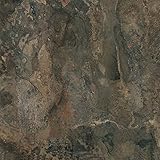
I remember looking at my grandma’s kitchen floor back in the day – those tiny, floral ceramic tiles. Charming, sure, but a nightmare to clean. Fast forward to today, and the question on everyone’s lips seems to be: are tile floors still in style? The answer, as with most things in decor, is a resounding ‘it depends.’ But let me tell you, the tile world has evolved way beyond those 80s nightmares. We’re talking about materials that look amazing, feel incredible underfoot, and can actually handle real life. Forget the dusty, dated image; we’re about to get down and dirty with what’s actually hot right now.
Why I Ditched My Laminate for Tile (finally)
Okay, confession time. For years, I was a laminate loyalist.
It seemed like the perfect ‘budget but looks good’ solution. My first apartment? Laminate.
My first house? Laminate. It was easy to install, easy to sweep, and I convinced myself it was good enough.
Then came the Great Spill Incident of ’19. My dog, bless his clumsy heart, decided the middle of the living room was the perfect place to get sick. Laminate, as it turns out, does not appreciate liquid intrusion. It bubbled, it warped, and a permanent, hideous stain bloomed right in the center of my ‘stylish’ floor.
That was it. I swore off laminate forever and started researching tile. The initial thought of tiling a whole house felt daunting – the cost, the labor, the sheer number of choices.
But I was determined to find something that was actually durable and didn’t look like it belonged in a motel lobby. What I found surprised me. The technology behind tile has come so far. We’re not just talking about the basic ceramic squares anymore.
Porcelain, for instance, is practically indestructible and can mimic the look of wood, stone, or concrete with uncanny accuracy. It’s a total big deal if you want that high-end aesthetic without the high-end maintenance headaches of natural materials. And honestly, the sheer variety available now is insane.
From massive format slabs that give a smooth look to intricate mosaic patterns, there’s a tile for literally every taste and every room. It’s not just about practicality anymore; it’s about making a statement. I ended up going with a large-format porcelain tile in a natural stone look for my main living area. It’s been through puppy accidents, dropped pans, and countless muddy boot prints, and it still looks brand new.
The biggest shock? How much warmer it feels underfoot than I expected, especially with good underlayment. So, while the initial investment might be higher than laminate, the longevity and beauty are absolutely worth it. It’s about choosing a floor that lasts and truly enhances your home, not just covers the subfloor.
The New Neutrals: What Tiles Are Actually Trending
Forget beige and boring. The tile world is anything but bland right now. When people ask if tile floors are still in style, they’re often picturing those dated, small squares.
But honestly, that’s not where the action is. We’re seeing a huge shift towards larger formats and materials that offer a more natural, organic feel. Think big.
Really big. Large-format tiles, often 24×24 inches or even larger, are everywhere. They create a sense of spaciousness and continuity, especially in open-plan living areas.
The grout lines become minimal, making the floor look sleek and modern, almost like a single, continuous surface. This is particularly effective in bathrooms and kitchens where you want a clean, uninterrupted look. Beyond size, the materials themselves are getting a serious glow-up. Porcelain continues its reign, and for good reason. (See Also: Are Tile Floors Bad For Dogs )
It’s incredibly dense, water-resistant, and can be manufactured to mimic almost anything. I’ve seen porcelain tiles that look indistinguishable from reclaimed barn wood, complete with knots and grain patterns. Then there’s the stone look. Natural stone like marble, travertine, and slate are timeless, but they come with maintenance baggage.
Porcelain versions offer the same visual appeal with a fraction of the upkeep. They’re stain-resistant and don’t require sealing like natural stone does. I recently saw a beautiful porcelain tile designed to look like terrazzo – those chips of stone embedded in concrete. It’s got this funky, retro-modern vibe that’s totally unexpected and incredibly chic.
It’s a great way to add some personality without being overwhelming. Another trend I’m loving is the textured tile. Instead of a perfectly smooth finish, these tiles have subtle textures that add depth and visual interest. Think a matte finish with a slight ripple, or a tile that mimics the subtle variations in natural concrete.
This adds a tactile dimension that makes the floor feel more grounded and sophisticated. For someone like me, who appreciates subtle details, textured tiles are a winner. They catch the light in interesting ways and just feel more ‘real.’
So, to answer the ‘are tile floors still in style’ question directly: yes, but the style has completely transformed. It’s about sophisticated, large-format options that mimic natural beauty with superior durability. Forget the ’90s throwback; we’re in a modern tile renaissance.
Natural Stone vs. Porcelain: My Verdict
This is where a lot of people get stuck, and honestly, I was too. You see a gorgeous slab of real marble or a stunning piece of slate, and you fall in love. But then reality hits.
Real stone is beautiful, no doubt about it. The unique veining in marble, the rich earthy tones of travertine – these are things that can’t be perfectly replicated. They have a certain depth and character that only nature can provide. And for certain high-end applications, or if you have a specific vision that only natural stone can fulfill, it’s still a fantastic choice.
However, let’s talk practicalities. Natural stone is porous.
This means it can stain, especially in high-traffic areas like kitchens or entryways. Spills from red wine, coffee, or even just oily foods can seep in and leave a permanent mark if not cleaned up immediately.
It also requires regular sealing to maintain its protective barrier, which is an ongoing chore. And let’s not even get started on the cost. The material itself is often significantly more expensive than porcelain, and the installation can be trickier due to the weight and fragility of some stones. I’ve personally seen friends agonize over sealing their travertine floors every year, and the constant worry about dropping something acidic has definitely put a damper on their enjoyment.
Porcelain, on the other hand, is engineered for performance. Its density means it’s virtually impervious to water and stains. You can spill just about anything on porcelain tile, and a quick wipe-down will usually take care of it.
It’s also incredibly hard-wearing, resisting scratches and chips much better than many natural stones. And the visual mimicry?
It’s gotten scary good. I’ve installed porcelain that genuinely looks and feels like high-quality marble, right down to the subtle variations in the pattern. (See Also: Can Carpet Be Put Over Tile Floors )
The biggest advantage for me, outside of the durability, is the low maintenance. I want a floor that I can live on, not one I have to constantly baby. For most homeowners, especially those with kids or pets, porcelain offers the best of both worlds: the look of luxury materials with the resilience of a modern material. It’s why I often steer people towards porcelain when they’re asking about are tile floors still in style and want something that’s both beautiful and practical.
| Feature | Natural Stone (e.g., Marble, Slate, Travertine) | Porcelain Tile |
|---|---|---|
| Aesthetic Appeal | Unique, natural beauty; unparalleled character. | Excellent mimicry of natural materials; wide design range. |
| Durability | Can be prone to staining, chipping, and etching. Varies by stone type. | Extremely hard, dense, and resistant to stains, scratches, and water. |
| Maintenance | Requires regular sealing, careful cleaning, and immediate spill cleanup. | Low maintenance; easy to clean with standard cleaners. |
| Cost | Generally higher material and installation costs. | Often more budget-friendly for comparable aesthetics. |
| Verdict | For the ultimate luxury look and unique character, if maintenance is not a concern. | The practical, stylish, and durable choice for most modern homes. |
Common Tile Mistakes to Avoid Like the Plague
Look, I’ve made my share of DIY flooring blunders, and tile is no exception. You see all these gorgeous tiled floors online and think, ‘How hard can it be?’
Real hard, if you don’t know what you’re doing. The most common mistake I see people make when they’re considering tile is focusing solely on the aesthetics and ignoring the practicalities of the space. For example, putting a very smooth, high-gloss tile in a bathroom or shower is a recipe for disaster. As soon as it gets wet, it becomes a slip-and-slide.
You need texture and a matte finish in areas where water is prevalent. Another big one is grout. People often go for the stark white grout because it looks clean and modern in the showroom. But in a real kitchen or entryway, that white grout will be black with grime within months.
Opt for a darker shade, or at least a mid-tone grey, that will hide dirt and wear better. I learned this the hard way after spending hours scrubbing my kitchen grout only to have it look dingy again by the next week. A good color match to the tile or a slightly darker shade makes a world of difference.
Then there’s the issue of size. While large-format tiles are trendy, they’re not always the best choice for very small rooms. They can make a small space feel even smaller and require a lot of cutting, leading to more waste.
Conversely, tiny mosaic tiles in a huge open space can look too busy and create an overwhelming number of grout lines. Proper planning for the room’s scale is key. And please, for the love of all that is holy, do NOT skimp on the underlayment or waterproofing. This is especially important in bathrooms and kitchens.
A cheap underlayment or inadequate waterproofing can lead to cracked tiles, subfloor damage, and expensive mold remediation down the line. It’s the invisible part of the job, but it’s probably the most important. My first tiled shower had a minor leak because I thought I could get away with cutting corners on the waterproofing. It was a nightmare to fix.
Finally, don’t underestimate the importance of the right adhesive and grout for the specific type of tile you’re using. Some tiles, like natural stone or certain porcelain finishes, require specialized products. Using the wrong ones can lead to adhesion problems or staining.
It’s worth spending a little extra to get it right.
Beyond the Kitchen: Where Else Can Tile Shine?
When you think of tile, your mind probably jumps straight to the kitchen backsplash or the bathroom floor. And yeah, they’re classics for a reason.
But honestly, the versatility of tile these days means it can seriously lift pretty much any space in your home. Think about entryways, for instance. Mudrooms or foyers that have to deal with the brunt of outdoor elements – dirt, snow, rain, you name it.
Tile is the absolute hero here. It’s incredibly easy to clean, it’s waterproof, and it can handle constant foot traffic without looking worn down. I’ve got a textured porcelain tile in my mudroom that looks like a distressed concrete. (See Also: Can Epoxy Flooring Go Over Vinyl Tile )
It’s practically indestructible and makes cleaning up after muddy boots a five-second job. And it’s not just utilitarian spaces.
I’ve seen stunning applications of tile in living rooms and dining rooms. Imagine a bold, patterned tile used as an accent wall behind a fireplace, or even as a full feature wall. It adds so much texture and visual interest. For hallways, especially those with high traffic, tile is a smart choice.
A durable porcelain with a wood-look finish can give you the warmth of wood without the scratching and denting that often plagues real wood floors in busy corridors. It’s a popular choice when people are looking for that ‘are tile floors still in style’ answer for high-wear areas. Bedrooms, too, can benefit from tile. While some might think it’s too cold, with the right underfloor heating and a good rug, a beautiful large-format porcelain tile can create a serene and sophisticated atmosphere.
I’ve seen some incredible designs using marble-look porcelain in bedrooms that just scream luxury and tranquility. Even laundry rooms, which are often overlooked, can be transformed with a fun, colorful tile. It’s a great place to experiment with bolder patterns or vibrant colors because it’s a smaller space. The point is, tile is no longer confined to wet areas.
Its durability, design flexibility, and ease of maintenance make it a fantastic option for almost any room where you want a floor that looks good and performs even better. It’s about seeing tile not just as a functional necessity, but as a design element that can truly enhance your home’s style.
The Faq: Your Burning Tile Questions Answered
Are Tile Floors Cold?
Tile itself is a naturally cool material, which can feel refreshing in warmer climates or during summer. However, in colder environments or during winter, it can feel quite chilly underfoot. This is a common concern, but it’s easily addressed. Installing underfloor heating systems beneath tile is a popular and effective solution that can make tile floors incredibly warm and comfortable, turning a potential drawback into a luxurious feature. Many people find heated tile floors to be even more comfortable than carpet.
How Long Do Tile Floors Last?
When installed correctly, tile floors are incredibly durable and can last for decades, often 50 years or more. Porcelain tile, in particular, is known for its exceptional longevity due to its density and resistance to wear, water, and staining. The lifespan also depends on the quality of the installation, the type of tile chosen, and the level of traffic it endures. With proper care and occasional grout cleaning, your tile floor can be a beautiful, lasting addition to your home.
Is Tile Flooring a Good Investment?
Yes, tile flooring is generally considered a good investment. Its extreme durability and longevity mean you won’t have to replace it for many years, saving you money on future flooring projects. It also adds value to your home, as it’s a sought-after feature for its practicality and aesthetic appeal. The initial cost might be higher than some alternatives, but its lifespan and low maintenance costs make it a cost-effective choice over time.
Can You Put Tile Over Existing Flooring?
In some cases, yes, you can install tile over existing flooring, but it depends heavily on the type of existing floor. Tile can typically be installed over a properly prepared and sound subfloor, which might be directly beneath existing vinyl or linoleum. However, installing tile over carpet or warped wood is generally not recommended and can lead to failure. The existing floor must be level, stable, and structurally sound to support the tile and adhesive. If the existing floor has any give or movement, it will likely cause the tile to crack.
Final Verdict
So, are tile floors still in style? Unequivocally, yes. But the style has evolved dramatically from what you might remember. We’re talking about sophisticated, durable options that mimic natural materials with incredible realism. Think large formats, textured finishes, and the sheer versatility that porcelain offers. It’s no longer just a practical choice for kitchens and bathrooms; it’s a design statement that can enhance any room.
My own journey from laminate refugee to tile convert has been a revelation. The peace of mind knowing my floor can handle real life – spills, pets, kids – without falling apart is priceless. It’s about investing in a floor that looks stunning now and will continue to do so for decades.
If you’re on the fence, I’d highly recommend getting some samples and even trying a small project, like a mudroom or a small bathroom. Seeing and feeling the quality of modern tiles will likely surprise you and might just convince you to ditch the old-fashioned notions of what tile can be. What’s the one room you’d most like to tackle with new tile?