I remember standing under the sink, staring at a tangle of pipes that looked like an octopus had a bad day. My plumber, a gruff guy named Sal who smelled faintly of pipe dope and impatience, was installing my shiny new garbage disposal. I’d seen diagrams, read forums, and a nagging question buzzed in my head: are two p traps necessary with a garbage disposal? Sal just grunted and kept working, which wasn’t exactly the reassuring answer I was hoping for.
The whole plumbing situation under a sink can be confusing, especially when you add a bulky appliance like a garbage disposal into the mix. You’ve got the main drain line, the dishwasher drain, and then, potentially, this extra trap situation. It’s enough to make anyone throw their hands up and just hope for the best, but understanding it can save you headaches (and plumber bills) down the line.
My own journey into the world of sink plumbing has been, let’s just say, educational. I’ve definitely learned some things the hard way, usually involving slow drains and the distinct smell of stagnant water. So, let’s cut through the noise and talk about what’s really going on with those p traps and your disposal.
Why Your Sink Only Needs One P Trap (even with a Disposal)
Let’s get this straight, right out of the gate: for the vast majority of residential plumbing setups, you absolutely do not need two p traps with a garbage disposal. This is one of those plumbing myths that seems to spread like wildfire, probably because people see a complex-looking pipe setup and assume more must be better.
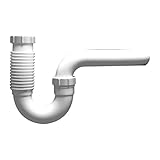
But in plumbing, like in life, sometimes less is more, and in this case, adding a second p trap can actually cause more problems than it solves. A p trap, in case you’re not intimately familiar with the underbelly of your sink, is that U-shaped bend in the pipe. Its sole purpose is to hold a small amount of water. This water acts as a seal, preventing sewer gases from wafting up into your kitchen.
It’s a simple but brilliant piece of engineering that keeps your home smelling fresh and prevents the spread of potentially nasty fumes. When you install a garbage disposal, it connects to the drain line, typically after the existing p trap. The disposal grinds up food waste and flushes it down the pipe.
The water from the disposal, along with the water from your faucet, keeps the p trap full and functioning correctly.
So, where does this idea of a second p trap come from? Some folks might think that because a garbage disposal is pushing more volume down the drain, you need another trap to handle it, or perhaps to provide an extra barrier against smells. Others might confuse it with specialized setups for certain appliances or specific codes in very unusual situations.
But for your standard kitchen sink, the one p trap is designed to handle the flow from both the sink basin and the disposal. The p trap is positioned to catch debris and solids that the disposal might miss, and also to maintain that all-important water seal. If you were to add a second p trap, you’d basically be creating a bottleneck. Water and food waste would have to pass through two U-bends, increasing the likelihood of clogs.
Imagine trying to pour a thick milkshake through two straws stacked end-to-end; it’s going to back up. This extra trap can also trap more gunk, leading to even more frequent clogs and, ironically, potentially worse smells if the water seal doesn’t function properly.
The added complexity also makes maintenance and clearing blockages a nightmare. You’d be dismantling two traps instead of one, doubling the mess and the effort. My own disastrous attempt at installing a fancy dual-basin sink with a disposal involved a confusing mess of pipes, and in my panic, I almost added an unnecessary second trap before I realized it was a terrible idea. Thankfully, I stopped myself.
The plumbing code generally specifies one p trap per fixture or drain line that requires a gas seal. A garbage disposal is connected to the drain line of the sink basin. It doesn’t create a new, independent drain that requires its own trap.
The existing p trap serves both. It’s a bit like saying you need two doors to keep the wind out of a single room; one is perfectly sufficient if it’s installed correctly. Think of it as a carefully balanced system. The slope of the pipes, the diameter of the pipes, and the single p trap all work together to make sure proper drainage and gas sealing.
Messing with that balance by adding an extra component is usually a recipe for disaster. The primary function of the p trap is to prevent sewer gases from entering your living space. It achieves this by holding a water seal. This seal is maintained by the regular flow of water from the sink and, yes, from the garbage disposal.
A properly functioning garbage disposal will push enough water and waste through the p trap to keep the seal intact. The myth of needing two p traps is, frankly, a plumbing urban legend that can lead to unnecessary expense and future headaches.
How Your Disposal and P Trap Actually Work Together
The magic, or rather the science, behind your sink drain system is pretty straightforward once you get past the initial intimidation factor. The garbage disposal is basically a high-powered grinder connected to your sink drain.
When you flip the switch, a motor spins a plate with impellers, which shred food waste into tiny particles. These particles are then flushed down the drainpipe along with water from your faucet.
This is where the p trap comes into play. The p trap, that classic U-shaped pipe, is positioned after the point where the garbage disposal’s discharge pipe connects to the main drain line.
Its important job is to hold a small amount of water. This water forms a barrier. Why is this barrier so important?
Because beneath your sink, there’s a network of pipes connected to your home’s sewer system. Without that water seal in the p trap, unpleasant and potentially harmful sewer gases would be free to rise up through your drain and into your kitchen. Imagine the smell of rotten eggs mixed with… well, whatever else is lurking in the sewer.
Not ideal. The water in the p trap effectively blocks these gases, keeping your kitchen fresh and safe. (See Also: Are Venus Flytraps Easy To Take Care Of )
Now, the common misconception that leads people to think they need a second p trap often stems from a misunderstanding of how the disposal interacts with the drain. People think, “It’s a disposal, it’s powerful, it’s doing something extra, so it needs extra protection or an extra trap.” But the disposal isn’t creating a separate drain system that bypasses the main trap.
It’s simply adding to the volume of material that goes down the existing drain line. The water that flows from the faucet while the disposal is running, and the water that follows afterward, is more than sufficient to keep the single p trap filled and functioning. In fact, adding a second p trap would likely impede the flow of water and waste.
It creates an unnecessary obstruction. Think about it: the disposal pushes the ground-up food and water through the drainpipe.
This mixture then hits the p trap. The water in the trap is displaced and flows into the larger sewer line, taking the food waste with it. The water level in the trap then replenishes itself with the next flush of water.
It’s a continuous cycle. If you had a second p trap, the waste would have to navigate two U-bends, increasing friction and the chances of solids getting caught. I once saw a DIYer’s setup where they’d tried to install a second p trap. The result was a slow, gurgling drain that constantly smelled because the lower trap wasn’t getting enough water to maintain a reliable seal.
It was a mess, and he ended up having to call a plumber to fix his ‘fix’. The takeaway here is that the disposal is designed to work with your existing plumbing, not to require an overhaul of the trap system.
The installation of a garbage disposal typically involves removing the existing strainer basket and tailpiece from the sink drain and installing a special flange that the disposal unit screws onto. The discharge pipe from the disposal then connects to the drain line, usually just before the p trap. The important point is that the p trap should be the last trap in the sequence before the drain line connects to the larger waste pipe.
This makes sure that the trap closest to your fixture (the sink, in this case) is the one providing the gas seal. If you were to install a second p trap after the first one, it would be redundant and counterproductive. Codes and best practices dictate a single p trap for each fixture. The National Plumbing Code, for instance, outlines trap requirements and placement, and it consistently points to a single p trap for a kitchen sink, regardless of whether a disposal is attached.
The key is proper slope and connection of the disposal’s outlet pipe to the drain line so that everything flows smoothly into the single, effective p trap.
Common Mistakes and What to Look For
You’d be surprised how many people make simple mistakes when installing or troubleshooting their garbage disposal and p trap setup. One of the most common is assuming that because a disposal grinds food, it can handle anything.
Big mistake. Bones, fibrous vegetables like celery or corn husks, coffee grounds, and grease are the sworn enemies of garbage disposals and plumbing in general.
They don’t break down easily and tend to ball up, leading to clogs. I learned this the hard way after trying to grind up a whole bunch of leftover pasta with tomato sauce and cheese.
Big cleanup job followed. Another mistake is related to that mythical second p trap – people sometimes overcomplicate the drain pipe configuration, adding unnecessary bends and connections that are prone to catching debris. Keep the pipe run as short and direct as possible from the disposal to the p trap, and from the p trap to the main drain line.
Look for smooth, continuous slopes downwards. Any dips or pockets in the pipe are potential clog traps.
When you’re looking at your own setup, or if you’re installing one yourself, pay attention to the material and size of your pipes. Most kitchen drains are 1-1/2 inch diameter. Your garbage disposal will likely have an outlet that’s also 1-1/2 inch, and it needs to connect to a drain line of at least that size. If you have smaller pipes for some reason, you might encounter drainage issues.
Also, check the material. PVC is common and easy to work with, but older homes might have galvanized steel or even cast iron. Whatever the material, make sure the connections are tight and properly sealed.
Leaks under the sink are a pain, and they can also indicate that your drain isn’t sealed correctly, which can affect the p trap’s water seal. If your drain is constantly slow, or if you’re getting gurgling sounds, it’s a sign something isn’t right. It could be a clog further down the line, a venting issue (though that’s a whole other can of worms), or a problem with the p trap itself.
Sometimes, the p trap just needs a good cleaning. You can usually unscrew the slip nuts on either side of the U-bend, remove it, and clear out any accumulated gunk. Wear gloves, trust me.
Here’s a quick rundown of what to look for to make sure your single p trap and disposal are happy campers:
| What to Check | Verdict |
|---|---|
| Is the p trap visibly leaking? | Needs tightening or new seals. |
| Are there multiple p traps on the drain line? | Likely unnecessary and problematic. |
| Is the pipe run from the disposal to the p trap smooth and sloped correctly? | Should be, to prevent clogs. |
| Are you putting grease or fibrous materials down the disposal? | Stop immediately! |
| Is the water seal in the p trap consistently present? (Check for dry traps) | If dry, could indicate venting issues or a trap that’s too large for the flow. |
| Are there strange gurgling sounds when water drains? | Usually a sign of a partial clog or venting problem. |
A correctly installed single p trap is designed to handle the waste from a garbage disposal. The key is proper installation with the correct pipe sizes, smooth slopes, and secure, leak-free connections. If you’re experiencing issues, it’s far more likely to be a clog, a venting problem, or an improper installation of the single trap and disposal connection, rather than a need for a second trap. (See Also: Are Omega Watch Straps Real Alligator )
A Contrarian View: When might You See Two Traps? (rarely!)
Okay, so I’ve spent a good chunk of time telling you that you don’t need two p traps. And for 99.9% of you reading this, that’s the absolute truth. But, because I like to play devil’s advocate and because plumbing can be weirdly niche, let’s consider the exception.
When might you even consider something that looks like two traps? This usually comes up in commercial settings or with very specialized industrial equipment where multiple drains are being combined into a single larger waste line, and local codes are incredibly stringent. For example, a commercial kitchen might have multiple sinks feeding into one main drain, and each sink might have its own p trap, but that’s not the same as two traps on a single disposal unit.
There are also situations where you might have a sink with a garbage disposal and another fixture that needs to drain into the same pipe downstream. In such a case, you’d have the disposal’s p trap, and then further down, there might be another fixture’s p trap. But this isn’t two traps for one disposal.
It’s just standard plumbing where multiple drains converge. Some people also get confused by things like grease traps, which are a completely different beast designed to catch grease before it enters the main sewer system.
A grease trap is often a large, separate unit installed in addition to a p trap, not as a second p trap. It serves a different function entirely. The idea of adding a second p trap directly in line with the disposal’s outlet before it even hits the main waste stack is, frankly, a plumbing abomination for residential kitchens.
It’s like putting a second filter on your water pitcher – it just slows things down and is more likely to get clogged itself.
The only other extremely rare scenario I can imagine involves extremely old, non-standard plumbing or a highly customized setup where, for some bizarre reason, a specific local code mandated a secondary trap for a specific type of installation. But even then, it wouldn’t be a standard sink p trap; it would likely be a specialized device designed for that purpose.
My plumber friend, Sal, once grumbled about a bizarre setup in an old restaurant where they had a weird double-trap configuration under a three-compartment sink, but it wasn’t for a garbage disposal and was a nightmare to maintain. The advice I always give, and this is my contrarian take: if someone suggests you need a second p trap for your home garbage disposal, ask them to show you exactly where in the plumbing code it says that for your specific situation, and then ask them why they think the single, universally accepted method of a single p trap isn’t sufficient. Chances are, they’re either mistaken, trying to upsell you, or you’re dealing with a highly unusual, non-standard setup that requires professional, code-specific consultation. For 99.9% of us, one is all you need, and two is too many.
Here’s a table breaking down why a single p trap is the standard:
| Feature | Purpose | Garbage Disposal Compatibility | Opinion/Verdict |
|---|---|---|---|
| Single P Trap | Forms a water seal to block sewer gases from entering the kitchen. | Designed to work with this; water from disposal and faucet keeps the seal. | Standard & Effective. All you need. |
| Two P Traps (in series) | Would theoretically offer a second gas seal and catch more debris. | Creates an unnecessary bottleneck, significantly increasing the risk of clogs and reducing flow. Double the maintenance. | Avoid. Overkill and problematic. |
| Grease Trap (separate unit) | Catches grease and solids before they enter the main sewer line. Often required in commercial settings. | An addition to the system, not a replacement for a p trap. Does not replace the need for a p trap. | Situational. Not a second p trap. |
What Happens When You Clog It (and How to Fix It)
Look, even with the best intentions and a perfectly installed single p trap, clogs happen. It’s the nature of drains, especially when you’re grinding food waste. When your sink starts draining slowly, or if water backs up into the basin, your p trap is the first place to suspect. Because of its U-shape, it’s a prime spot for heavier food particles, grease, or foreign objects to settle and create a blockage.
The good news is that the p trap is usually the easiest part of the drain system to access and clear. The first step, before you panic and grab a gallon of chemical drain cleaner (seriously, don’t do that – it’s bad for your pipes and the environment), is to gather your supplies: a bucket, some old towels or rags, gloves, and maybe a pair of pliers or a wrench if the slip nuts are stubborn.
Place the bucket directly underneath the U-shaped section of the pipe. This is important because when you loosen the slip nuts, water and whatever is clogging the trap will come pouring out. Then, locate the slip nuts – they’re usually large, plastic or metal rings that thread onto the pipe.
Loosen these nuts by hand, or if they’re tight, use your pliers or wrench. Once the nuts are loose enough, carefully wiggle the U-bend free. Be prepared for the mess.
Pour the contents of the trap into the bucket. You’ll likely see a collection of soggy food bits, maybe some hair (if it’s a double sink and the other side is used for other things), and a general sludgy mess. Use an old toothbrush or a pipe brush to clean out any remaining debris from inside the trap itself and from the connecting pipes. Rinse it thoroughly.
Once it’s clean, reassemble the trap, making sure the seals (washers) are in place and the slip nuts are tightened securely. Don’t overtighten, especially with plastic pipes, as you can crack them.
Turn on the faucet to run water through the drain and check for any leaks around the slip nuts. If it’s draining well and there are no leaks, you’ve successfully cleared your p trap!
If clearing the p trap doesn’t solve the problem, the clog might be further down the drain line. In this case, you might need to use a drain snake (auger). These flexible metal cables can be fed into the drainpipe to break up or pull out clogs that are beyond the trap. Feed the snake into the pipe where the trap was connected, turning the handle as you go.
When you feel resistance, you’ve likely hit the clog. Work the snake back and forth to break it up.
Again, after snaking, run water to test the flow and check for leaks. If you’ve tried these steps and the drain is still sluggish or completely blocked, it’s time to call a professional plumber.
Sometimes, the clog is too stubborn, or it might be an issue with your main sewer line or a venting problem that requires specialized tools and knowledge. Remember, trying to force water through a stubborn clog with excessive pressure or using harsh chemicals can damage your pipes and make the problem worse. (See Also: Are Sticky Mouse Traps Humane )
A gentle, methodical approach is usually best when dealing with sink clogs.
What to Do If Your Garbage Disposal Is Clogged?
First, turn off the power to the disposal at the breaker box. Never stick your hand into a disposal. Use a flashlight to look inside and see if you can spot the obstruction. You can try using pliers or tongs to remove it. If you can’t see it, or if it’s stubborn, you can try using a hex wrench (often supplied with the disposal) inserted into the center hole on the bottom of the unit to manually turn the grinding plate back and forth to dislodge the jam. After you’ve cleared the jam, turn the power back on and run cold water while you briefly turn on the disposal to test it.
What If My Sink Is Still Backing Up After Clearing the P Trap?
If clearing the p trap doesn’t resolve the backup, the clog is likely further down the drain line or in the main sewer pipe. You’ll need to use a drain snake (auger) to reach and break up the obstruction. If the snake doesn’t work, or if multiple drains in your house are backing up, it’s a sign of a more significant issue that will require a professional plumber.
When to Call a Plumber (and What to Tell Them)
Let’s be honest, most of us try to tackle home repairs ourselves these days. Saving a few bucks is always appealing.
And for simple tasks like cleaning out a p trap, it’s totally doable. But there’s a point where DIY turns into D-I-Why-Did-I-Do-This? Knowing when to throw in the towel and call a professional plumber is a skill in itself. If you’ve gone through the steps of clearing your p trap and the clog persists, or if the problem seems to be affecting multiple drains in your house (like both sinks backing up, or toilets not flushing properly), it’s a strong indication that the issue is beyond a simple sink clog.
These are signs of a deeper problem, possibly a blockage in your main sewer line or a venting issue, which requires professional expertise and equipment.
Another red flag is if you find yourself needing to call a plumber repeatedly for the same issue. This usually means the underlying cause hasn’t been properly addressed. Maybe the slope of the pipes isn’t right, or there’s a partial collapse somewhere in the system.
Don’t keep throwing money at temporary fixes. Also, if you’re dealing with persistent leaks, especially around the main pipe connections or if you notice water damage on your ceiling or walls, it’s time for an expert. Water damage can lead to mold and structural issues, so it’s not something to ignore.
And, of course, if you’re ever unsure about what you’re doing, or if the task involves working with gas lines or main water supply, always err on the side of caution and call a professional. Safety first, always.
When you do call a plumber, the more information you can give them, the better. Tell them exactly what you’ve observed: when the problem started, what symptoms you’re seeing (slow drains, gurgling, backups), what you’ve already tried to fix it (e.g., cleared the p trap, used a snake), and any specific details about your setup, like the type of sink, if you have a garbage disposal, or if it’s a double sink. Mentioning that you don’t have two p traps, and that the issue isn’t related to that common myth, can also be helpful, although a good plumber will likely figure that out quickly.
If you’ve had work done previously, mention that too. Clear communication helps them diagnose the problem faster and more accurately, potentially saving you time and money.
Sal, my plumber, always appreciated it when I could tell him exactly what I’d done and seen. It saved him time on the initial assessment.
Do I Need a Special Pipe for a Garbage Disposal?
No, you don’t need a special pipe in the sense of an entirely different material or diameter for the main drain line. However, the garbage disposal unit itself has a discharge pipe outlet (typically 1-1/2 inches) that needs to connect securely to your existing drain piping, which is usually also 1-1/2 inches in diameter. The key is a proper, leak-free connection.
Can a Garbage Disposal Cause My Sink to Drain Slowly?
Yes, a garbage disposal can contribute to slow draining if it’s overloaded, if food particles are too large or fibrous, or if grease and other problematic substances are put down it. It can also be a sign of a partial clog in the p trap or further down the drain line that the disposal’s output is exacerbating.
What Is the Purpose of the U-Shaped Pipe Under the Sink?
The U-shaped pipe, known as a p trap, is designed to hold a small amount of water. This water acts as a seal, preventing unpleasant and potentially harmful sewer gases from rising up from the sewer system and entering your kitchen or bathroom.
Can I Use a Plunger on a Garbage Disposal?
It’s generally not recommended to use a standard plunger on a garbage disposal directly, as it can potentially damage the unit or force debris into other parts of the plumbing. If the sink is clogged, it’s better to try clearing the p trap first or use a drain snake, after making sure the disposal is powered off.
How Often Should I Clean My Garbage Disposal?
Regular cleaning helps maintain your disposal and prevent odors. A good practice is to run cold water with the disposal for about 30 seconds after each use. Periodically, you can clean it more thoroughly by grinding ice cubes, followed by citrus peels or baking soda, to help scrape the blades and freshen it up.
Verdict
So, to circle back to that initial question: are two p traps necessary with a garbage disposal? The resounding answer is no. For your standard kitchen setup, one properly installed p trap is all you need to keep those smelly gases at bay and allow for efficient drainage. Adding a second one is almost always a bad idea, leading to clogs and frustration.
If you’re experiencing drain issues, focus on the likely culprits: clogs in the p trap itself, improper disposal usage, or blockages further down the line. Don’t fall for the myth of the extra trap. Keep your plumbing simple, clean your trap regularly, and know when to call in a pro if you can’t sort it out yourself. A well-functioning sink makes a huge difference in kitchen life.
Next time you’re under the sink, take a good look. Is it a simple, effective setup, or are you dealing with an octopus of pipes? For most of us, a single, clean p trap is the unsung hero of a healthy kitchen drain.