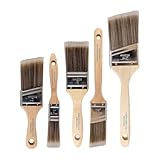
I’ve stood in paint aisles, staring at rows of brushes, feeling that familiar pang of dread. Will this $15 brush leave streaks like the last one? Or will it actually make this trim job look professional? For years, I’ve wasted money on brushes that promised the moon and delivered a mess. I learned the hard way which brands actually put their money into quality bristles and construction, and which ones just slap a fancy name on cheap materials. So, let’s cut to the chase: are Wooster paint brushes good? My answer, based on years of actual, paint-on-the-walls experience, is yes, but with some important caveats.
It’s not as simple as just grabbing any brush with the Wooster name on it. Like any tool, some are better suited for certain jobs than others. If you’re about to tackle a big project, or even just a tricky corner, knowing what to look for can save you a ton of headaches and, frankly, a lot of wasted paint.
Wooster Brushes: Are They Worth Your Hard-Earned Cash?
Look, I’ve been there. You’re standing in Home Depot or Lowe’s, ready to finally paint that accent wall. You see a Wooster brush and think, ‘Okay, this looks professional.’ But then you see the price tag, and maybe a cheaper, no-name brush catches your eye. What’s the deal? Are Wooster paint brushes good enough to justify the extra few bucks, or is it just marketing hype?
My experience says they’re generally a solid investment, especially if you’re doing more than just slapping paint on a fence. I remember one particularly frustrating Saturday morning years ago. I was trying to paint some intricate molding in my old kitchen with a cheap, fluffy brush I’d picked up on sale. Every stroke was a disaster.
Bristles were shedding like a cat in August, leaving little fuzzy bits stuck in the wet paint. I spent more time picking out hairs than actually painting. It looked terrible, and I had to wait for it to dry, sand it down, and start all over again. That day, I swore off bargain-basement brushes and decided to invest in something decent.
That’s when I started really paying attention to brands like Wooster.
The difference isn’t just in how they feel in your hand, though that’s important. It’s in the way they hold paint, how smoothly they lay it down, and how little fallout you get. Wooster makes a wide range of brushes, from their ultra-affordable multi-purpose ones to their high-end, professional-grade angled sash brushes that cost a pretty penny. The truth is, the ‘good’ question depends heavily on which Wooster brush you’re talking about and what you’re painting.
For interior walls with latex paint, their better synthetic brushes are fantastic. They don’t swell up like natural bristles can, and they lay down a remarkably smooth finish. I’ve used their Shortcut brushes for cutting in around windows and doors, and honestly, they hold an edge like a dream. The brush fibers are tipped in a way that allows them to pick up and release paint evenly. It’s not magic; it’s smart design and good materials. A lot of DIYers get hung up on the ‘brand name’ thinking it’s a golden ticket, but sometimes the best brush is just the one designed for the paint type and the surface you’re working on.
What to Look for: Beyond the Name on the Handle
Okay, so you’ve decided to give Wooster a shot, or you’re just curious about what makes one brush better than another. It’s not just about buying the most expensive one they have. There are a few things I always check before handing over my cash. First off, the bristles. This is the heart and soul of the brush. For water-based paints (like most latex and acrylics), you want synthetic bristles. Wooster uses a lot of nylon, polyester, or a blend. These don’t get splayed out or mushy when they get wet, which is a huge win.
If you’re working with oil-based paints or stains, then natural bristles (usually hog hair or ox hair) are your go-to. They have a natural ability to hold thicker, heavier liquids. However, natural bristles can absorb water and swell, making them less precise when working with latex. Wooster offers both, so make sure you’re picking the right type for your paint. I once made the mistake of using a great natural bristle brush with a water-based primer, and it was a nightmare. The bristles fanned out, and the primer just didn’t lay down evenly. Lesson learned: match the bristles to the paint. (See Also: Are Taklon Paint Brushes Better )
Next, check the ferrule – that’s the metal band holding the bristles to the handle. It should be securely crimped, not loose or wobbly. A cheap ferrule can lead to bristles falling out, which, as I’ve mentioned, is a painter’s worst enemy. Wooster generally has good quality ferrules on their mid-range to premium brushes. You want to feel that it’s solidly attached. Give it a gentle tug on the bristles; they shouldn’t budge easily.
The handle itself matters too. It should feel comfortable in your hand for extended periods. Some people prefer a thicker, ergonomically shaped handle, while others like a classic, thinner wooden handle. Wooster offers a variety of handle styles. My personal preference leans towards the slightly thicker, rubberized grips on some of their lines because they offer better control and reduce fatigue on longer jobs. But honestly, if it feels good to you, that’s what counts. Comfort equals control, and control equals a better paint job.
Finally, consider the brush shape and size. An angled sash brush (around 1.5 to 2 inches) is fantastic for cutting in edges, corners, and trim because the angle allows for precision. A larger flat brush (3-4 inches) is great for broader surfaces like doors or walls. Wooster has a huge range. For example, their T750 Chinex angle sash brushes are phenomenal for smooth finishes with enamels and lacquers. Don’t just grab the first brush you see; think about the specific areas you’ll be painting.
Common Mistakes People Make with Wooster (and Other) Brushes
You’d think buying a decent brush like a Wooster would make painting foolproof, right? Nope. I’ve seen people, and yes, I’ve been one of those people, make some real doozies of mistakes that ruin a perfectly good brush and a perfectly good paint job. The biggest one? Not cleaning your brush properly. Seriously, this is the cardinal sin of painting. You spend $20 on a good brush, use it for an hour, then just rinse it under the tap and leave it to dry in a clumpy mess. That brush is basically toast.
For water-based paints, you need to rinse thoroughly with water until the water runs clear. Then, gently reshape the bristles and let it dry lying flat or hanging with the bristles down. If you’re using oil-based paints, you’ll need mineral spirits or the manufacturer’s recommended solvent.
Again, rinse until clean, reshape, and dry. If you let latex paint dry in the bristles, it becomes rock solid. You can try to revive it, but it’s never quite the same.
I once had a brand-new Wooster angled brush that I neglected to clean properly after a small touch-up job. The dried latex made the bristles stiff and splayed. It took me about an hour of soaking and picking with a comb to get it usable again, and it was never as precise as it was before.
That was a hard lesson in respecting your tools.
Another common error is using the wrong brush for the job. I touched on this before, but it bears repeating. Using a brush designed for thick oil-based enamels on a thin, watery stain is a recipe for disaster. Or, conversely, using a brush that’s too soft and floppy for a thick, high-build coating will give you streaks and uneven coverage. Wooster labels their brushes for specific uses – pay attention to that! Their Chinex bristles, for example, are designed to be stiff and durable, excellent for tougher paints and rougher surfaces. Don’t just assume any brush will do. (See Also: A Brush Above Painting Michigan )
Then there’s the ‘too much paint’ problem. Overloading the brush means paint drips everywhere, it’s hard to control, and you end up using more paint than necessary. Load the brush about a third to halfway up the bristles. Dip it in, tap it gently on the side of the can (don’t scrape it hard, that pulls out bristles), and then apply. Less is often more, and you can always add another coat.
Finally, and this is a bit more subtle: treating a good brush like a disposable one. Even the best Wooster brushes are not meant to last forever if you’re painting daily. But if you’re a weekend warrior, a well-maintained brush should last you years. Don’t be tempted to use your good sash brush to clean out a clogged nozzle or as a makeshift putty knife. It’s like using a surgeon’s scalpel to open a package – just wrong.
Real-World Use: My Go-to Wooster Brushes
After years of slapping paint on walls, cabinets, and furniture, I’ve developed a few favorites from the Wooster line. It’s not about having a giant collection; it’s about having the right tools for the jobs I do most often. For cutting in around trim and doors, my absolute go-to is the Wooster Pro 1.5-inch or 2-inch angled sash brush. I’ve tried them in both synthetic (like their Shor-Cut line) and some of their higher-end natural bristle blends for specific applications. The synthetic ones are incredibly versatile for latex and acrylic paints. They hold their shape, give a clean line, and are easy to clean.
I’ve found that for cutting in a sharp line against a ceiling or a piece of trim, the quality of the bristles and the way they’re tipped makes a massive difference. The Wooster brushes I’ve used for this task just seem to know how much paint to hold and release. They don’t splay out wildly, and you get a really crisp edge. I remember one time I was painting a dark blue accent wall next to bright white trim. The pressure was on to get that line perfect. I grabbed my trusty Wooster angled brush, and it just glided along, leaving a perfectly clean separation. No bleeding, no fuzzy edges. It made a job I usually dread feel almost… satisfying.
For larger flat surfaces, like doors or cabinets, I often reach for a 2-inch or 3-inch flat brush. Wooster’s firm synthetic brushes are excellent here. They provide good coverage and a smooth finish without excessive brush marks. If I’m painting a wood cabinet with a semi-gloss finish, I want a brush that can lay down that thicker paint evenly. The firmer bristles help spread the paint without leaving drag marks. I’ve also used their wider brushes, like the 4-inch Pro-Plus, for walls when I’m not using a roller, and they do a decent job for touch-ups or smaller walls where a roller feels like overkill.
What about those fancy, expensive brushes? Wooster has lines like the Pelikan or Silver Tip. Honestly, for most DIYers, the mid-range lines like the Shor-Cut, Pro, or even some of the Sherlock brushes are more than sufficient. You’re paying for the finest filament tips, meticulous hand-setting, and often, extremely high bristle density. While they are undeniably superior for the most demanding professional jobs where a flawless finish is a must, the difference might be overkill for your average home improvement project. I own a couple of their higher-end brushes, and while I appreciate the buttery smooth feel and perfect finish, my everyday workhorse brushes are usually from their more accessible professional ranges.
Here’s a quick look at some common Wooster brush types and what I use them for:
| Wooster Brush Line (Example) | Bristle Type | Best For | My Verdict |
|---|---|---|---|
| Shor-Cut (Angled Sash) | Synthetic (Nylon/Polyester) | Cutting in trim, doors, windows with latex/acrylic paints. | Excellent all-rounder for DIYers. Holds an edge well, easy to clean. My go-to for most interior latex jobs. |
| Pro (Angled Sash) | Synthetic (Chinex) | Emamels, lacquers, and thicker coatings. Also good for latex. | A step up in durability and stiffness. Great for those slightly tougher paints or when you need a really sharp line. Worth the extra cost. |
| Pelikan / Silver Tip | Natural or Premium Synthetic | High-end finishes, oil-based paints, varnishes, lacquers. | Luxury tool. Amazing finish, but often overkill for DIY. If you demand the absolute best and are willing to pay and care for it, go for it. |
| Firm Flat Brushes (e.g., 2-3 inch) | Synthetic | Doors, cabinets, furniture, smooth surfaces with latex/acrylic. | Provides good coverage and a smooth laydown for larger flat areas. Less likely to leave lines than softer brushes on thicker paints. |
Are Wooster Paint Brushes Good for Beginners?
This is a question I get a lot from friends and family who are staring down their first big painting project. They see the Wooster name, know it’s respected, but wonder if they’ll just mess it up. My answer is a resounding yes, but with a important piece of advice: start with the right brush for the right paint. Don’t grab a super-specialized, high-end brush for your first go. Wooster has plenty of excellent, user-friendly options that will make your life easier.
For interior walls using latex paint, I’d recommend starting with a Wooster Shor-Cut angled sash brush (around 1.5 or 2 inches). These are designed to be easy to use, hold paint well, and provide a clean line when cutting in. They’re forgiving enough that if you’re not perfectly steady, the brush’s design helps compensate. They’re also reasonably priced, so if you have a bit of a learning curve, it’s not a huge financial loss. The synthetic bristles are also easier to clean up with just soap and water, which is a big plus for beginners who might not be familiar with solvents. (See Also: Can Acetone Be Used To Clean Paint Brushes )
Another good starting point is a 2-inch or 3-inch firm synthetic flat brush. This is for painting flat surfaces like doors, cabinets, or maybe even a piece of furniture. These brushes lay down paint smoothly and don’t require the same kind of delicate touch as cutting in. The firmness helps prevent the bristles from bending too much, giving you a more even coat. Again, Wooster’s mid-range options here are solid.
The key for beginners is to choose a brush that complements the paint type and the surface. If you’re using a standard interior latex paint on walls, stick with synthetic bristles. If you’re tackling a project with oil-based paint or a varnish, then you might need to consider natural bristles or specialized synthetics, but for most entry-level projects, latex and synthetics are the way to go. Wooster makes it easy by labeling their brushes, so just take a moment to read what they recommend.
Beyond choosing the right brush, the single most important thing for a beginner is cleaning the brush immediately after use. I cannot stress this enough. Dried paint is the enemy of a good brush. So, have your water and soap (or solvent if needed) ready to go as soon as you finish. A little effort in cleaning will make your brushes last for years and save you money in the long run. Wooster brushes are good tools, but like any tool, they need to be cared for to perform at their best.
People Also Ask:
Are Wooster Brushes Made in the USA?
Wooster Brush Company is headquartered in Wooster, Ohio, and they manufacture a significant portion of their product line in the USA. However, like many global manufacturers, they may also source some components or products from other countries to offer a wider range of price points and specialized items. For specific product lines, it’s best to check the packaging or Wooster’s official documentation, but their commitment to domestic manufacturing is a notable aspect of their brand.
What Kind of Paint Brushes Does Wooster Make?
Wooster makes an extensive range of paint brushes, catering to both professional painters and DIY enthusiasts. This includes synthetic brushes for latex and acrylic paints, natural bristle brushes for oil-based paints and varnishes, and specialized brushes like angled sash brushes for cutting in, flat brushes for broader surfaces, roller covers, trays, and various painting accessories. They offer brushes in different bristle densities, stiffness, and handle styles to suit nearly any painting task and paint type.
What Is the Difference Between Wooster Shortcut and Wooster Pro?
The Wooster Shor-Cut line is generally considered a line of high-quality, user-friendly brushes often favored by DIYers and professionals for everyday tasks, especially with latex paints. They offer excellent performance for their price point. The Wooster Pro line typically represents a step up in materials and construction, often featuring higher quality filaments, more precise bristle setting, and greater durability for more demanding professional use or when working with a wider variety of paint types and finishes, including tougher enamels and lacquers.
What Is the Difference Between Wooster Chinex and Nylon Bristles?
Chinex bristles are a proprietary synthetic filament developed by Wooster. They are known for being stiffer, more durable, and having excellent resistance to wear and tear, making them ideal for tougher paints like enamels, lacquers, and stains, as well as for use on rougher surfaces. Nylon bristles, while also synthetic, are generally softer and more flexible, making them excellent for smooth finishes with latex and acrylic paints, and they tend to perform well in water-based applications without swelling significantly. Chinex offers a more solid performance for heavier coatings.
What Is the Best Wooster Brush for Trim?
For trim work, especially with latex or acrylic paints, the best Wooster brushes are typically their angled sash brushes, often found in lines like Shor-Cut or Pro. A 1.5-inch or 2-inch angle sash brush provides the precision needed to cut clean lines along baseboards, window frames, and door casings. The angled tip allows for fine control, and the quality of Wooster’s synthetic bristles makes sure a smooth, even paint application with minimal streaking or shedding.
Final Verdict
So, are Wooster paint brushes good? Yes, generally speaking, they are. I’ve found that for the price, you’re getting a tool that performs reliably and makes the job easier, especially compared to the absolute cheapest options out there. My own experience, from frustrating DIY disasters to satisfyingly sharp paint lines, has cemented their place in my toolbox. They aren’t some magical paint brush that makes you a pro overnight, but they are honest tools that deliver good results when used correctly.
The key is to understand that ‘Wooster’ isn’t a single entity; it’s a brand with a wide spectrum of brushes. Match the brush to your paint type and the surface you’re painting. Pay attention to the bristle material and the ferrule. And for the love of all that is holy, clean your brushes immediately after use. Do that, and you’ll find that a Wooster brush is a very good friend to have on your painting projects.
Next time you’re staring down a painting task, don’t just grab the cheapest thing. Consider investing in a decent Wooster brush, and I think you’ll be pleasantly surprised at the difference it makes. Your trim will thank you.