I remember the first time I tried to spray paint something outside. It was a beat-up old metal chair I found on the curb, and I had visions of it looking like something from a magazine. So, I grabbed a few cans of what I thought was the perfect shade of blue and headed out to my backyard. Within minutes, I was covered in overspray, the wind had blown paint onto my neighbor’s pristine white fence, and I was questioning if I was even allowed to be doing this.
The simple question of ‘are you allowed to spray paint outside’ isn’t as straightforward as you might think. It’s not just about not annoying your neighbors; there are actual rules, and sometimes the advice you find online is just plain wrong.
Wind, Neighbors, and the Great Spray Paint Debate
Look, let’s get one thing straight: spray painting outside is not inherently illegal in most places. But that doesn’t mean you can just go nuts without consequence. The biggest immediate issue you’ll face is the wind.
I once tried to paint a bicycle frame on a slightly breezy day. By the time I finished, the bike looked like it had been attacked by a flock of angry, paint-splattered pigeons. The overspray went everywhere – on my car, my garage door, and I swear I found flecks of paint on my dog for weeks. It’s a messy business, and you need to respect the elements.
Wind is your enemy. A gentle breeze might seem manageable, but it can carry fine mist for surprising distances. I’ve learned the hard way that calm mornings or evenings are your best bet. If it’s gusty, you’re risking a ruined finish and a very unhappy neighbor.
I’ve seen people use cardboard shields, but honestly, for anything more than a small object, it’s a losing battle against a determined wind. The paint particles are incredibly light and can travel further than you’d ever imagine.
Then there are the neighbors. Even if you’re not technically breaking a law, nobody likes finding random splotches of bright orange on their prize-winning petunias or their freshly washed SUV. A quick chat beforehand can go a long way.
Just a friendly ‘Hey, I’m going to do some painting out back for a couple of hours, hope it doesn’t bother you!’ can prevent a lot of headaches.
I had a neighbor who used to paint model airplanes in his driveway, and the smell would drift over. While I didn’t mind it much, I know others who would have been furious. It’s about being considerate. Most local ordinances concerning outdoor activities will generally focus on noise, light pollution, or direct environmental contamination.
Spray painting, especially with solvents in the paint, could fall under environmental concerns in some highly regulated areas, but for the average homeowner doing a small project, it’s usually more about common courtesy and avoiding a nuisance. You’re not usually going to get arrested for spray painting a birdhouse in your yard on a Saturday afternoon, but you might get a stern talking-to from your HOA or a visit from a disgruntled neighbor.
The real question isn’t just about permission, but about responsibility. Are you prepared for the mess? Are you prepared for the potential fallout from your surroundings? If the answer is ‘maybe,’ then you need to reconsider your approach. I’ve spent more time cleaning up overspray than I care to admit, all because I underestimated the wind or overestimated my ability to contain it. It’s a lesson that hits home hard when you’re scrubbing your own siding or apologizing to someone who has every right to be annoyed.
When the Vapors Get You: Health & Safety First
Okay, let’s talk about the stuff you breathe in. This is where ‘are you allowed to spray paint outside’ gets more serious than just neighborly disputes. Those fumes are no joke. I once spent an entire afternoon spray painting a set of metal patio chairs, thinking ‘I’m outside, it’s fine.’ By the time I was done, I had a headache that felt like a tiny drummer was having a rave in my skull, and I felt vaguely nauseous for the rest of the day. That’s because spray paint contains volatile organic compounds, or VOCs, and when you’re spraying, you’re creating an aerosol that gets everywhere, including your lungs.
Wearing a respirator is a must. And I’m not talking about one of those flimsy blue paper masks.
You need a proper respirator with organic vapor cartridges. I bought my first decent one for about $50, and it was worth every penny. It makes a world of difference. You can still smell a faint whiff of the paint, but the choking, dizzying effect is gone.
I’ve seen people trying to get by with just a bandana, and honestly, that’s just asking for trouble. Think about it: you’re breathing in fine paint particles and solvents. Over time, that can lead to serious respiratory issues. I’ve heard stories of people experiencing chronic headaches, dizziness, and even more severe neurological problems from prolonged, unprotected exposure.
Beyond your own health, you also need to consider the environment. While painting outside generally disperses fumes more than painting indoors, those VOCs still go somewhere. In areas with strict air quality regulations, like California, there are often rules about the VOC content of paints and solvents. Some cities or counties might even have restrictions on when and where you can spray paint, particularly if it’s a large-scale operation or involves particularly harmful chemicals.
It’s always worth a quick check of your local municipality’s environmental or public works department website. They usually have information on hazardous materials and outdoor activities. (See Also: Can Craft Foam Be Spray Painted )
For most DIY projects, the primary concern is personal safety, but it’s good to be aware that larger-scale operations or specific types of paints might fall under more stringent regulations. I learned this when I was looking into painting a large metal sculpture; the paint manufacturer’s technical data sheet mentioned specific VOC limits that I had to adhere to for my region.
Here’s a quick rundown of what you absolutely need:
| Gear | Why You Need It | My Verdict |
|---|---|---|
| Respirator with Organic Vapor Cartridges | Filters out harmful fumes and VOCs. Prevents headaches, nausea, and long-term respiratory damage. | Key. A must for anything more than a tiny touch-up. Worth the investment. |
| Safety Glasses/Goggles | Protects your eyes from overspray and paint drips. | Highly Recommended. Keeps paint out of your eyes, which is surprisingly common. |
| Gloves (Nitrile or Chemical-Resistant) | Keeps paint off your skin and prevents absorption of solvents. | Good Idea. Makes cleanup easier and protects your hands. |
| Old Clothes/Coveralls | Don’t wear your favorite jeans. You will get paint on them. | Mandatory. Seriously, just accept it. |
Location, Location, Location: Where Not to Spray Paint
So, you’ve got your respirator and you’re ready to go. But where exactly can you spray paint outside? The answer is: it depends. While your own backyard is often the go-to spot, it’s not always the best or most legal choice. I once made the mistake of thinking a deserted-looking industrial lot was fair game. It wasn’t. Turns out, it was private property, and the owner wasn’t thrilled to find me decorating his chain-link fence with neon green. So, rule number one: make sure you have permission to be there. Trespassing charges are a much bigger problem than overspray.
Public parks? Generally a no-go. Most parks have regulations against activities that can create litter, damage property, or pose environmental hazards. Spray paint definitely falls into those categories.
You might get away with it if you’re tucked away in a corner and nobody sees you, but it’s a risk. I’ve seen people try to paint skateboards in parks, only to be politely (or not so politely) asked to stop by park rangers.
Think about the long-term impact. Even if you clean up meticulously, paint residue can linger.
Some places are also sensitive ecosystems, and introducing chemical solvents can be genuinely harmful. I remember seeing a nature documentary about how even small amounts of runoff can affect aquatic life, and while spray paint isn’t exactly industrial waste, it’s not plant food either.
What about sidewalks or driveways? If it’s your own, it’s usually fine, as long as you’re okay with potential staining. Concrete can absorb paint, and trying to power wash it off can be a nightmare. I learned this when I accidentally dripped a whole can of black spray paint on my driveway while painting a garden gnome.
It looked like a Rorschach test and took me ages to scrub off, and even then, a faint shadow remained. If it’s a public sidewalk or street, it’s almost certainly a violation of local ordinances.
Cities spend a lot of money keeping public spaces clean, and unauthorized painting is considered vandalism. You could face fines or be required to clean it up yourself, which is far more effort than just painting it in the first place.
Consider the surfaces around you. If you’re painting something in your yard, are there reflective surfaces like windows or shiny metal that could get coated? Are there delicate plants or garden features you need to protect? I once watched a neighbor painstakingly mask off his entire prize-winning rose bush before spray painting a mailbox. It looked ridiculous, but he was committed. And honestly, it’s that kind of forethought that separates a successful project from a disaster. Always think about the trajectory of the paint. Wind is a factor, yes, but so is gravity and the angle you’re holding the can. A bit of planning can save you a lot of grief.
Alternative Methods & When to Just Stay Indoors
There are times when, despite all the precautions, spray painting outside just isn’t the best idea. Maybe the wind is relentless, or you live in an apartment with a tiny balcony and no yard. Or perhaps you’re just not comfortable with the health risks, even with protective gear.
In these situations, alternative painting methods are your best friend. For smaller projects or when you need a really smooth, controlled finish, using a brush or roller might be a better option. I used to think spray paint was the only way to get a flawless finish, but with modern paints and good brushes, you can achieve incredible results.
It takes more patience, and you might have brush strokes if you’re not careful, but the control is unparalleled.
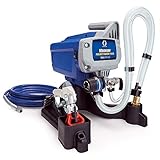
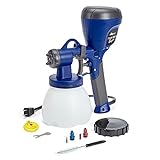
For furniture or larger items, especially if you want a durable, factory-like finish, a paint sprayer (like a HVLP sprayer, not an aerosol can) is a far superior tool. These machines use compressed air to atomize the paint, giving you a much smoother, more even coat with less waste. You can use them indoors or outdoors, but they require more setup, cleaning, and understanding of paint viscosity. I bought a decent HVLP sprayer a few years ago for about $150, and it’s been a big deal for furniture restoration. The learning curve is steeper than a rattle can, but the results are night and day. You can achieve a super-glossy finish that’s almost impossible with spray cans.
If you’re committed to spray cans but can’t paint outside, you’re looking at indoor options. This means ventilation is most important. You’ll need to set up in a garage with the door wide open, or a shed, or a spare room you don’t mind potentially reeking of paint for a while. (See Also: Can Aluminum Be Spray Painted )
You absolutely MUST use a respirator indoors, and you need to protect everything from overspray – floors, walls, furniture, you name it. Drop cloths are your best friend. I once tried to spray paint a lamp in my spare bedroom with the window open, thinking it would be enough.
Big mistake. The paint smell permeated the entire house for days, and I found tiny flecks of paint on my computer monitor. It was a mess I vowed never to repeat.
For indoor spray painting, dedicated paint booths or pop-up spray tents are available, which create a contained environment and help with ventilation and overspray capture. These can range from $50 for a small pop-up tent to several hundred dollars for a more solid setup.
Ultimately, the decision to spray paint outside boils down to a risk assessment. Are the potential downsides – wind, neighbors, health, environmental impact – worth the convenience and finish you’re trying to achieve? Sometimes, the answer is no, and exploring other methods is the smarter, safer, and more responsible choice. I’ve learned that a project isn’t worth it if it causes significant stress or damage, even if the final painted object looks great.
Spray Paint Etiquette: Common Mistakes and How to Avoid Them
Beyond the legalities and safety, there’s a whole etiquette to spray painting outside that many people just ignore. The number one mistake I see?
Not prepping the area properly. This means not laying down enough drop cloths, not masking off adjacent surfaces, and generally assuming that overspray is just a minor inconvenience. I’ve seen driveways permanently stained, garden gnomes speckled with unintended colors, and even cars dusted with paint because people were too lazy to cover things up. It takes an extra 15 minutes to properly mask and cover, but it can save you hours of scrubbing or hundreds of dollars in professional cleaning or repair.
I once saw a guy trying to spray paint a fence, and the wind caught the can, sending a cloud of white paint directly onto his neighbor’s black luxury sedan. The look on the sedan owner’s face was priceless, and not in a good way. The fence painter ended up having to pay for a professional detail.
Another common error is using the wrong type of paint for the job or the surface. Not all spray paints are created equal. You have different formulations for metal, plastic, wood, and multi-surface applications.
Using a paint not designed for the material can lead to poor adhesion, chipping, or an uneven finish. I tried to paint a plastic garden bench with standard metal spray paint once, and it just beaded up and ran off. Then I bought the ‘special plastic’ kind, and it adhered perfectly.
It’s worth reading the can’s instructions. Similarly, people often don’t shake the can long enough. That little rattling sound is the ball inside mixing the pigment and propellant. If you don’t shake it for at least 1-2 minutes (and yes, that means after you hear the ball rattling), you’ll get inconsistent color, sputtering, and poor coverage.
I’ve rescued many projects that looked like a disaster simply by shaking the can more vigorously for longer. It’s the cheapest fix there is.
Skipping the test spray is also a huge mistake. Before you commit to painting your actual project, do a test spray on a piece of cardboard or a hidden spot of the object.
This allows you to check the color, coverage, and spray pattern. It also helps you get a feel for the distance and speed needed for an even coat. I once painted a whole set of outdoor chairs before realizing the paint was running. A quick test spray would have shown me I was holding the can too close or moving too slowly.
Conversely, holding the can too far away results in a dry, uneven mist that looks like it was applied by a toddler with a glitter glue stick. A consistent 8-12 inch distance is generally recommended for most spray paints, but it’s always best to test.
Finally, not allowing adequate drying time between coats is a recipe for disaster. You’ll end up with drips, runs, and paint that peels off easily. Most spray paints recommend drying times of 15-30 minutes between coats, with full cure times taking 24 hours or more. Impatience here will undo all your hard work. I’ve been guilty of this myself, rushing to get a second coat on before the first was even touch-dry, only to find I had created a sticky mess. Patience is a virtue, especially when it comes to spray paint. It’s the difference between a professional-looking finish and something that looks like it was done in a rush by an amateur.
Real-World Application: Projects That Shine (and Don’t)
So, what are the best things to spray paint outside? Honestly, anything that can handle the elements and doesn’t require absolute perfection, or things you’ve properly prepared. Outdoor furniture is a classic. (See Also: Can Bug Spray Damage Car Paint )
Old metal chairs, wooden benches, even plastic tables can be given a new lease on life. The key here is proper cleaning and primer. For metal, a rust-inhibiting primer is your best friend. For wood, a good exterior primer will help the paint adhere and last longer.
I recently refinished an old metal garden bench that was showing its age. After a good scrub, a light sanding, a coat of rust-inhibiting primer, and then three thin coats of spray paint, it looked brand new.
It’s still holding up beautifully a year later, even through rain and sun.
Garden decor is another great candidate. Terra cotta pots, metal garden art, even concrete gnomes can be transformed. This is where you can really play with color and finish. I’ve seen people use metallic spray paints to give cheap plastic garden ornaments a high-end look. For terra cotta pots, make sure to seal them after painting if they’ll be exposed to frost, as moisture can get trapped and crack the pot. My sister spray painted a whole set of mismatched terra cotta pots in a unified matte black, and they look incredibly chic on her patio. The key is that these items are often seen from a distance, and minor imperfections are less noticeable.
What about things that aren’t great for spray painting outside? High-traffic items that require a super-smooth, durable finish, like car body panels or intricate interior furniture, are better left to professionals or done with different tools. While you can spray paint a car, achieving a flawless, factory-quality finish with rattle cans is virtually impossible. You’ll likely end up with orange peel, runs, and dust nibs.
The amount of prep, sanding, and multiple layers of primer, base coat, clear coat, and polishing required is immense. Similarly, a beautiful antique dresser might be better served by a brush or a high-end paint sprayer to achieve the depth and smoothness that spray cans often struggle with.
I tried to spray paint a wooden dresser once, and even with a lot of effort, I couldn’t get a smooth enough finish without visible lines from the spray pattern or slight texture. It looked okay from afar, but up close, it was obvious it wasn’t done professionally.
The reality is, spray paint is fantastic for quick touch-ups, revitalizing outdoor items, and adding a pop of color to less important pieces. It’s about choosing the right project for the tool. For things that need to withstand a lot of wear and tear, or require a truly perfect finish, you might need to reconsider your method or invest in more specialized equipment. The satisfaction of a successful spray paint job comes from picking the right item, doing the prep work, and understanding the limitations of the medium. It’s not magic, it’s just paint, but when used correctly, it’s incredibly versatile.
Faq: Spray Painting Outside
Are Spray Paints Toxic?
Yes, spray paints contain volatile organic compounds (VOCs) and other chemicals that can be harmful if inhaled or if they come into contact with skin. While painting outdoors disperses these fumes more than indoors, it is still important to wear appropriate personal protective equipment, especially a respirator with organic vapor cartridges, and to avoid prolonged exposure.
Do I Need a Permit to Spray Paint Outside?
In most residential areas for small DIY projects, you likely do not need a specific permit. However, local ordinances can vary significantly. If you are planning a large-scale project, painting in a public space, or live in an area with strict environmental regulations, it’s advisable to check with your local city or county government for any specific rules or restrictions that may apply to outdoor painting activities.
How Do I Prevent Overspray From Damaging My Surroundings?
Proper preparation is key. Use large drop cloths or tarps to cover the ground and any surrounding objects, furniture, or plants. Mask off any areas you don’t want painted with painter’s tape and masking paper or plastic sheeting. Always consider the wind direction and spray in the opposite direction of valuable or sensitive items. Painting on a calm day with minimal wind is your best defense against unwanted overspray.
Can I Spray Paint on Public Property?
Generally, no. Spray painting on public property, such as sidewalks, streets, park structures, or public art installations, is considered vandalism and is illegal in most jurisdictions. You can face fines, be required to clean the graffiti, or face other legal penalties. Always make sure you have permission to paint on any surface, especially if it is not your own private property.
Final Thoughts
So, are you allowed to spray paint outside? The short answer is usually yes, but with significant caveats. It’s not just about a green light from the municipality; it’s about being responsible, safe, and considerate. You need to think about the wind, your neighbors, and most importantly, your own health. I’ve learned that a little extra prep work, the right safety gear, and a bit of forethought can save you a massive headache and a lot of cleanup.
Don’t let my overspray nightmares deter you entirely. Spray painting outside can be incredibly effective for certain projects. Just remember to assess the conditions, protect your surroundings, and wear that respirator. If the wind is howling or you’re concerned about fumes, consider alternative methods or find a more controlled environment. At the end of the day, a successful spray paint job is one where you’re happy with the result, and nobody else is finding your paint on their property.
What project are you thinking of tackling next, and have you considered the wind factor?