I remember staring at my beat-up Honda Civic, the original paint peeling like a sunburn. I’d seen those shiny, matte finishes on YouTube videos, and the thought hit me: why not just grab a can of spray paint and make it look halfway decent myself? The whole idea of whether you’re allowed to spray paint your car quickly became my obsession, fueled by a desire to save cash and a healthy dose of ‘how hard can it be?’ My first attempt involved a rattle can of what I thought was a cool metallic blue. Spoiler alert: it looked like a bruised blueberry that had been attacked by a swarm of angry wasps. It was a mess, and I learned a lot about what not to do.
This isn’t about giving your rusty heap a quick facelift that’ll wash off in the first rain. It’s about understanding the real deal, the stuff nobody tells you in those glossy online tutorials. We’re talking about legality, practicality, and whether you’re setting yourself up for a world of hurt or a genuinely unique look for your ride.
So, You Wanna Spray Your Car? Let’s Talk Legality First
The big question on everyone’s mind when they consider a DIY paint job, especially with rattle cans or even a cheap spray gun, is ‘are you allowed to spray paint your car?’ The short answer is: yes, generally, you are allowed to paint your car yourself. There’s no federal law in the US that explicitly forbids an individual from spray painting their privately owned vehicle. However, that ‘yes’ comes with a massive asterisk the size of a semi-truck. The real issues aren’t usually about the act of painting itself, but about the quality of the paint job and how it impacts public spaces and other people.
Think about it this way: if you slap on a paint job that’s so bad it’s flaking off everywhere, creating a hazard on the road, or if the fumes are so potent they’re making your neighbors sick, you’re going to run into problems. Most local ordinances and state laws are concerned with public nuisance, environmental protection, and vehicle safety. So, while you can legally spray paint your car in your own driveway, you can’t do it in a way that pollutes the environment excessively or creates a safety hazard.
This often comes down to overspray, improper disposal of materials, and the general aesthetic impact on your community. For instance, if your overspray is drifting onto your neighbor’s property, that’s a quick way to get a visit from the local code enforcement. It’s all about responsibility and making sure your project doesn’t negatively affect others.
The flip side is that if you do a decent job, keeping the paint contained and using environmentally responsible products (or at least disposing of them properly), you’re usually in the clear. The biggest hurdle you’ll face isn’t the law; it’s the sheer difficulty of achieving a professional-looking finish without the right tools, environment, and a whole lot of practice. My first foray into this DIY world was a disaster, as I mentioned.
I thought a few cans of cheap spray paint would suffice for my old pickup truck. Within weeks, the paint was chalky, uneven, and peeling in spots that looked like a topographical map of a very unhappy planet. It wasn’t just unsightly; it was embarrassing.
The law might not have come knocking, but the stares and snickers from passersby were a constant reminder of my poor judgment.
Understanding the legalities is just the first step. The more pressing concern for most DIYers is whether they can actually achieve a result they’ll be happy with, and whether the time, effort, and money spent are actually worth it. This isn’t a weekend warrior project if you want it done right, and that’s where many folks get tripped up.
The Reality of Spray Painting Your Car: It’s Not Like the Videos
Let’s be blunt: those slick YouTube videos showing someone transforming their car with a few cans of spray paint are often misleading, if not outright staged. They rarely show the hours of meticulous prep work, the multiple failed attempts, or the subtle imperfections that scream ‘amateur’ to anyone who knows cars. If you’re thinking about grabbing a few cans from the auto parts store and going to town, you need to understand what you’re really getting into. The biggest myth is that it’s easy and cheap. While the initial cost of spray cans is low, the cost of achieving even a passable result can skyrocket, and the effort involved is immense.
My personal nightmare involved a Craigslist special paint job. I bought a car that was advertised as ‘recently painted.’ The seller conveniently failed to mention it was spray-painted poorly in a garage. The finish was uneven, wavy, and felt gritty even after a wash. It looked decent from fifty feet away in dim light, but up close, it was a disaster. I ended up spending more money trying to fix it than a proper respray would have cost. This taught me a valuable lesson: cheap paint jobs are almost always a false economy. You might save money upfront, but you’ll likely pay for it in frustration, time, and potentially more money down the line.
The common advice you’ll find online, beyond the obvious ‘prep work is key,’ often glosses over the actual application. It’s not just about spraying in even strokes. You need the right temperature, low humidity, no wind, and absolutely zero dust. (See Also: Can Craft Foam Be Spray Painted )
Think of it like performing surgery in a dust storm. Even with a cheap spray gun and compressor, the environment you spray in makes a colossal difference. I once tried to paint a fender in my garage, only to find dust motes settling on the wet paint like tiny metallic snowflakes. It looked awful.
If you’re using rattle cans, the pressure is inconsistent, the spray pattern is often wide and uncontrollable, and it’s incredibly difficult to get a smooth, even coat without runs and drips. You’ll go through far more cans than you think, too. What looks like a 4-can job in a video might actually take 10-15 cans for a truly even finish, especially on larger panels or if you have to do multiple coats to cover imperfections.
The outcome is heavily dependent on your skill, patience, and the conditions. For a quick touch-up on a hidden scratch, maybe spray paint is fine. But for an entire car, expecting a showroom finish from a rattle can is pure fantasy. You’re more likely to end up with something that looks like it was painted by a toddler with a can of Krylon.
What to Look for in DIY Paint Kits
If you’re still determined to go the DIY route, there are kits out there that promise better results than basic rattle cans. These often involve a small spray gun (sometimes electric, sometimes requiring a compressor), primer, paint, and clear coat. The key here is to manage expectations. These are not going to give you a factory finish, but they can potentially yield a better result than rattle cans if used correctly.
| Product Type | Pros | Cons | Verdict |
|---|---|---|---|
| Rattle Cans | Very low initial cost, readily available. | Extremely difficult to get an even finish, poor durability, inconsistent spray. | Only suitable for tiny touch-ups on non-visible areas. Overrated for full car jobs. |
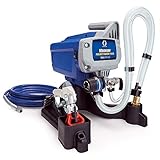
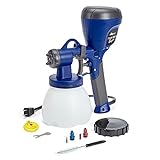
| Electric Spray Guns (e.g., Wagner) | Easier to control than rattle cans, less overspray, good for small to medium projects. | Can clog easily, paint viscosity is important, not as powerful as compressor guns, limited color options. | A step up from rattle cans for small panels or furniture. Can be decent for a basic car refresh if you’re patient. |
| Air Compressor Spray Guns (Entry-Level) | Better atomization and control than electric, wider range of paints. | Requires a decent air compressor, learning curve for gun adjustment, can still produce overspray. | The minimum recommended for any serious DIY car painting. Still requires significant prep and skill. |
| Specialty Aerosol Paints (e.g., Rust-Oleum Specialty, ColorBond) | Formulated for specific surfaces (vinyl, plastic), decent adhesion. | Limited color palette, not always as durable as automotive paint. | Good for interiors or specific trim parts, less ideal for body panels. |
When choosing a kit, look at the reviews and don’t fall for marketing hype. Many of these kits are better suited for furniture, fences, or even smaller vehicles like go-karts. For a car, you’re looking at needing enough paint for multiple coats, primer, and clear coat.
The paint itself needs to be durable and UV resistant. Many craft or general-purpose spray paints simply won’t hold up to the elements.
You’ll also want to consider the application process. Does it require thinning? What kind of coverage can you expect per can or per liter? A common mistake is underestimating how much paint you’ll need.
It’s always better to have too much than too little, as getting an exact color match later can be a nightmare.
The quality of the primer and clear coat is just as important as the color coat. Primer helps the paint adhere and covers minor imperfections. A good clear coat protects the paint from UV damage, scratches, and the elements. Without a quality clear coat, your hard work will fade and oxidize quickly. I learned this the hard way when I skipped the clear coat on a motorcycle fairing, thinking I’d save time. It looked okay for a few months, but then it started to chalk and lose its shine, looking dull and neglected. It was a stark reminder that cutting corners on paint protection is a recipe for disappointment.
Common Mistakes That Turn Dreams Into Nightmares
Let’s talk about the pitfalls. If you’re going to attempt this, you absolutely must avoid these common errors. The biggest one, hands down, is inadequate surface preparation.
People see the paint job and forget that the foundation is everything. You can have the best paint in the world, but if you spray it over dirt, grease, rust, or poorly prepped surfaces, it’s going to fail. (See Also: Can Aluminum Be Spray Painted )
This means not just washing the car, but degreasing it thoroughly, sanding it down to a smooth, consistent surface, and applying primer. I once saw a guy spray paint his car right over a layer of wax. It looked decent for about two weeks, then started peeling off in sheets, taking the original paint with it.
That’s not just a bad paint job; it’s potential damage to the car’s value.
Another huge mistake is trying to spray in the wrong environment. As I’ve touched on, dust is the enemy. So is wind. So is extreme temperature. I’ve seen people try to paint in their open garages during a dusty summer day, or even outdoors on a windy afternoon. You end up with paint flecks, debris embedded in the finish, and an uneven texture that looks like sandpaper. The ideal scenario is a clean, dust-free, temperature-controlled space. If you don’t have a proper spray booth, your garage needs to be meticulously cleaned, and ideally, you’d be able to seal it off during application and drying. Running a dehumidifier can also help if your area is humid.
Rushing the process is another killer. Each coat needs time to flash off (become tacky) before the next is applied. Applying too much paint too quickly leads to runs, drips, and uneven curing. This is especially true with rattle cans, where the propellant can cool the nozzle and cause an inconsistent spray pattern. Patience is not just a virtue here; it’s a necessity. Think in terms of thin, even coats, allowing adequate drying time between each. Don’t just spray until it looks covered; spray until it looks consistently covered, and then do one more light coat.
Finally, the mistake of using the wrong type of paint. Not all spray paints are created equal. Automotive paints are designed to withstand UV rays, temperature fluctuations, and physical abrasion. Craft paints, hardware store enamels, and even some “specialty” paints might look good initially but will fade, chip, or peel far sooner than you’d like. If you’re serious about a DIY paint job, you need to invest in automotive-grade primer, base coat, and clear coat, even if you’re applying it with a cheap spray gun. It’s the only way to make sure some level of durability.
The ‘contrarian’ Take: Why You Should Probably Just Wrap It Instead
Here’s my contrarian opinion: for most people looking to change the color or finish of their car, spray painting it yourself is a bad idea. Everyone talks about spray painting as the cheap alternative to a professional job or a wrap. I disagree. While the upfront cost of spray cans is low, the cost in time, frustration, and the almost guaranteed subpar result makes it more expensive in the long run. You’ll spend hours prepping, multiple days painting, and weeks (or months) regretting it. The end result is often a car that looks worse than before, devaluing it and making you cringe every time you look at it.
Instead of wrestling with spray cans or a cheap spray gun, consider a vinyl wrap. Yes, a professional wrap can cost $1,500 to $5,000 or more, depending on the car and the material. But a DIY wrap kit, while still requiring patience and skill, is often more forgiving than spray paint.
If you mess up a section, you can peel it off and reapply it. The material is designed for automotive use, it’s durable, and when installed correctly, it looks fantastic. You can get incredible finishes – matte, satin, gloss, even chrome – that are virtually impossible to achieve with spray paint at home.
It’s a cleaner process, with far less overspray and mess. For the same amount of effort you’d put into a disastrous spray paint job, you could potentially achieve a professional-looking finish with a wrap. Think of it as a high-tech, high-quality sticker that protects your original paint underneath.
It’s the smarter DIY approach for a truly transformed look without the chemical fumes and sanding dust.
The Practicalities: What You Actually Need
Alright, if you’ve read this far and you’re still determined to go down the spray paint rabbit hole, let’s talk about what you’ll actually need to do it halfway decently. This isn’t just about the paint. You’ll need a space. As mentioned, a clean, dust-free, well-ventilated area is most important. This usually means a garage, but it needs to be immaculate. You’ll need to seal off anything that could create dust (like workshop equipment) and cover everything you don’t want painted, including your own tools and the floor. Drop cloths, masking paper, and plenty of good quality painter’s tape are your best friends here. Don’t skimp on the tape; cheap tape can leak, ruining your finish. (See Also: Can Bug Spray Damage Car Paint )
Beyond the spray medium itself (rattle cans or a spray gun setup), you’ll need a lot of sandpaper. We’re talking various grits, from coarse (around 180-220) for stripping old paint or smoothing out imperfections, to medium (320-400) for scuffing surfaces to accept primer, and fine grits (600-1000) for wet-sanding between coats of primer, paint, and clear coat.
You’ll also need a good degreaser and wax and grease remover. These are a must for a clean surface. A tack cloth is key for picking up any lingering dust right before you spray.
If you’re using a spray gun, you’ll need a compressor with adequate airflow (CFM) and a regulator to control pressure. You’ll also need a respirator with organic vapor cartridges – this is not optional. Automotive paint fumes are seriously toxic.
Personal Protective Equipment (PPE) is a must. We’re talking about a full-face respirator with the correct cartridges, chemical-resistant gloves, and disposable coveralls. You’re breathing in chemicals, and skin contact can cause irritation or worse. My first painting attempt, I wore a cheap dust mask and regretted it for days with a headache. Don’t be me. Invest in proper respiratory protection. Even with rattle cans, proper ventilation and protection are important. You’ll also need a good light source. Painting in dim light is a recipe for missed spots and uneven application.
Finally, you need patience. Lots of it. Rushing any part of the process – prep, sanding, applying coats, drying times – will result in a poor finish. The best advice I can give is to watch countless tutorials, practice on scrap metal or old body panels first, and then mentally prepare yourself for the fact that your first attempt will likely not be perfect. It’s a learning curve that’s steep and often frustrating. But if you’re meticulous, you can achieve a result that’s better than a completely trashed original paint job, even if it’s not showroom quality.
A Few Practical Tips for the Brave Soul
Here are a few hard-won tips if you’re absolutely committed to the spray paint path. First, practice makes perfect, or at least, better. Before you touch your car, get some large cardboard sheets or scrap metal. Practice your spray pattern, your distance, your speed. Learn how to avoid runs. Understand how the paint behaves when it’s applied lightly versus heavily. This practice will save you from making irreversible mistakes on your actual vehicle.
Second, test your paint in an inconspicuous area. Does it adhere well? Does the color match what you expected? How does it look in different lighting? This could be on the underside of a bumper, inside a door jamb, or on a piece of scrap metal painted with the same primer. Don’t wait until you’ve painted the entire hood to discover the color is completely wrong or the paint is reacting poorly with the primer.
Third, embrace the “dust coat” or “tack coat.” This is a very light, dry spray applied first. It’s not meant for coverage but to create a surface that the subsequent wet coats will adhere to more effectively. It helps prevent runs and makes sure better adhesion. Follow this with slightly heavier coats, building up coverage evenly. Fourth, if you are using rattle cans, try to keep them warm. A warm can sprays more consistently. You can dip them in a bucket of warm (not hot) water for a few minutes. Also, when you finish spraying, turn the can upside down and spray for a second or two. This clears the nozzle and prevents it from clogging for the next use.
Lastly, manage your expectations. You are not a professional painter with a $50,000 spray booth and $5,000 worth of paint. You are a DIYer with cans of paint, likely in a garage. Aim for a ‘better than it was’ outcome, not a concourse-ready finish. If you can achieve a clean, even color that’s durable enough for daily driving, you’ve done well. The goal is to improve the car’s appearance and protect it, not necessarily to win a show. And remember, if it turns out truly awful, you can always sand it down and start again, or explore options like a professional wrap. It’s a learning process.
Final Verdict
So, are you allowed to spray paint your car? The short answer is yes, but the long answer is filled with caveats about environmental impact, public nuisance, and the sheer difficulty of achieving a good result. My advice? Unless you have a dedicated, dust-free spray booth, access to professional-grade equipment, and a deep well of patience, reconsider. The cost in time and potential for a terrible outcome often outweighs the savings compared to a professional job or even a DIY vinyl wrap.
If you’re looking for a quick fix for a minor scratch on an older vehicle, a carefully applied rattle can might suffice. But for a full color change or a significant aesthetic upgrade, you’re likely setting yourself up for disappointment. Think long and hard about the prep work, the environmental conditions, and your own skill level before you pull that trigger.
Ultimately, the decision is yours. Just make sure you’re informed about the potential pitfalls and legal considerations. You might save some money upfront, but will the final result be something you’re proud of, or just another automotive regret?