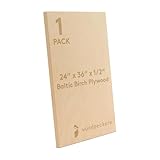
So, you’re staring at a sheet of 4×8 plywood, maybe even two, and wondering if your trusty 2001 Ford Explorer Sport Trac can haul it without turning into a lumber delivery service by accident. I’ve been there, staring down lumber yards with a truck that looked more like a glorified car with a tiny bed. It’s a common question for anyone who’s ever needed to pick up building materials or move furniture.
Let’s cut to the chase: can 2001 Explorer Sport Trac fit plywood in bed? The answer is a bit nuanced, but generally, yes, with some caveats. You’re not exactly driving a full-size pickup, after all. I’ve learned that knowing the exact dimensions and how to maximize that space can save you a world of headache, and potentially a rental truck fee.
Forget the glossy brochures for a second. We’re talking real-world hauling here, and sometimes that means getting creative with tie-downs and tailgates.
The Real Bed Size of a 2001 Sport Trac
Alright, let’s talk dimensions. The 2001 Ford Explorer Sport Trac wasn’t built to be a heavy-duty workhorse like its F-150 cousins. It was marketed as a lifestyle vehicle, a compromise between an SUV and a pickup. This means its bed, while functional, is on the smaller side. The advertised bed length is typically around 50 inches (or about 4.17 feet) from the tailgate to the back of the cab. The width between the wheel wells is a important figure, usually around 41-42 inches. The total width of the bed is more, around 50-51 inches. So, when you ask ‘can 2001 Explorer Sport Trac fit plywood in bed,’ you’re immediately bumping into that wheel well restriction.
A standard sheet of plywood is 4 feet by 8 feet, which translates to 48 inches by 96 inches. The 48-inch dimension is already a tight squeeze width-wise, especially considering the wheel wells. This is where many people run into trouble. They assume the overall bed width is usable, but those humps in the bed floor eat up precious inches. I once tried to haul a couple of drywall sheets, thinking the 48-inch width was the key. I quickly realized the wheel wells were going to force me to angle them, which meant they wouldn’t lie flat, and I risked damaging the edges. It was a frustrating lesson in looking beyond the headline numbers.
If you want to fit a 4×8 sheet of plywood flat in the bed, you’re going to have a bad time. The wheel wells are simply too wide to allow it. However, this doesn’t mean it’s impossible to transport plywood in a Sport Trac. It just means you need to be prepared for a different approach. The length, at 50 inches, is also a problem if you want to keep the tailgate closed. An 8-foot (96-inch) sheet is almost twice the length of the bed. This necessitates leaving the tailgate down, which is a common practice for many truck owners.
The real trick is understanding the usable space around those wheel wells. If you’re willing to let the plywood overhang the tailgate, then the width becomes the primary limiting factor. This is where the wheel wells are absolutely the dealbreaker for a flat, full-width load. You’ll need to angle the sheet, or if you’re hauling smaller pieces, you might be able to fit them alongside or in front of the wheel wells. For a full 4×8 sheet, angling it is your best bet if you want it somewhat contained within the truck’s footprint, though it won’t be perfectly flat.
The Tailgate Down Gambit: Key for Long Loads
Okay, so we’ve established that a full 8-foot sheet of plywood won’t fit flat and contained within the bed of a 2001 Explorer Sport Trac. That’s just physics. The bed is simply too short. This is where the tailgate becomes your best friend, or at least, your necessary evil. Leaving the tailgate down is the standard solution for hauling anything longer than the bed itself. For an 8-foot sheet (96 inches), with a bed length of about 50 inches, you’re looking at roughly 46 inches of overhang. That’s a significant chunk of material sticking out the back. (See Also: Can A 4x8 Plywood Fit In A Honda Pilot )
When you’re in this situation, the width becomes the main challenge. As mentioned, the wheel wells are usually around 41-42 inches apart. A standard 48-inch wide sheet of plywood simply won’t sit flat across those wells. You’ll have to angle it. Picture this: you place the front edge of the plywood against the back of the cab (or just in front of the wheel wells if you can manage) and then angle the rest of it towards the rear. This usually means the plywood will be resting on the top edges of the tailgate and potentially the sides of the bed, not sitting flush down in the bed floor.
I learned this the hard way trying to haul some reclaimed barn wood. I assumed I could just lay it in. Wrong. The beams were 6 inches wide and I had maybe 40 inches of clearance between the wells. They ended up resting on the wells and the sides, creating a wobbly, precarious load that I had to baby the entire way home. For plywood, it’s a similar story. You might be able to get one edge resting on the back of the cab’s bed-mounting points, or directly on the bed floor if you angle it significantly, with the other end extending out over the tailgate. The key is securing it properly so it doesn’t slide or shift.
When the tailgate is down, the effective length increases, but you’re still limited by the width between the wheel wells for a flat load. This is why many people opt to buy their plywood cut to size at the lumber yard. If you can get them to slice an 8-foot sheet into two 4-foot pieces, or even into 2-foot by 8-foot strips, you’re in much better shape. Two 4-foot pieces would easily fit side-by-side in the bed, even with the wheel wells. Or, a 2×8 sheet could be laid flat across the bed, resting on the sides and tailgate. This is a much safer and more stable way to transport materials in a Sport Trac.
Maximizing Space: Tips for Hauling Plywood
So, you’re committed to using your Sport Trac. How do you make it work? The first rule is to understand the limitations and work with them. For a full 4×8 sheet, you’re going to have the tailgate down. Period. Don’t try to force it. The second rule is to get creative with the width. Since you can’t lay it flat due to the wheel wells, you need to angle it. You might get one edge resting on the bed floor, just in front of the wheel wells, and then angle the other edge upwards so it clears the wells and rests on the tailgate.
Another strategy is to use multiple sheets. If you can get the lumber yard to cut your plywood into smaller, more manageable pieces, you’ll have a much easier time. For instance, cutting an 8-foot sheet into two 4-foot sections means you’ll have two 4×4 sheets. These can easily be laid flat in the bed, with room to spare between them and even allowing you to close the tailgate. Or, you could get 2×8 sheets, which would also fit much more comfortably. This is often the most practical solution.
If you absolutely must transport a full 4×8 sheet and can’t get it cut, here’s a trick I’ve used for long, awkward items: invest in a bed extender. These are aftermarket accessories that bolt onto your hitch receiver and extend the usable length of your truck bed significantly. With a bed extender, you can support the overhanging portion of the plywood, allowing it to sit more level and securely. While it adds an extra step and cost, it makes hauling long items like lumber, kayaks, or motorcycles a breeze. For a 2001 Explorer Sport Trac, a bed extender is almost a must-have if you plan on frequently hauling materials that exceed the bed length.
Beyond the bed extender, proper tie-downs are a must. Use ratchet straps or sturdy rope. Always secure the load to multiple points on the truck bed and frame. Make sure the plywood isn’t just resting precariously; it needs to be cinched down tight. A bright red flag tied to the end of the plywood is also a legal requirement in most places for loads extending past the taillights. Don’t forget mirrors; you’ll want to be able to see behind you and be aware of any movement. Finally, drive conservatively. No sudden stops or sharp turns. (See Also: Can Bondo Be Applied To Plywood )
The ‘people Also Ask’ Deep Dive
Can You Fit a 4×8 Sheet of Plywood in a Ford Explorer Sport Trac?
Yes, but not flat with the tailgate closed. You’ll need to leave the tailgate down and angle the sheet. The 4×8 dimension is problematic due to the wheel wells, which limit the flat width to about 41-42 inches. For a full sheet, it will overhang significantly.
What Is the Bed Size of a 2001 Ford Explorer Sport Trac?
The 2001 Ford Explorer Sport Trac has a bed length of approximately 50 inches and a width of about 50-51 inches. However, the important width between the wheel wells is much smaller, typically around 41-42 inches.
How Much Weight Can a 2001 Explorer Sport Trac Haul?
The payload capacity for a 2001 Ford Explorer Sport Trac is generally around 1,400 to 1,500 pounds. This includes the weight of passengers and cargo. Always check your specific vehicle’s owner’s manual for exact figures, as it can vary slightly by configuration.
Can You Put a Queen Mattress in a Sport Trac?
A queen mattress is typically around 60 inches wide by 80 inches long. Like plywood, it’s unlikely to fit flat with the tailgate closed. You’d need to leave the tailgate down and potentially angle it, or consider a bed extender for a more secure fit. The width is the main challenge here as well.
Contrarian View: Maybe Just Rent a Truck
Look, everyone wants to save a buck. And I get it. You own a truck-like vehicle, and you want to use it. But here’s the blunt truth that often gets glossed over: sometimes, trying to stuff oversized, awkward materials into a vehicle that’s not perfectly suited for the job costs you more in time, frustration, and potential damage than it’s worth. Everyone says, ‘Oh, you can totally haul plywood if you just leave the tailgate down and tie it right.’ And yeah, you can. But the question is, should you?
My contrarian take is this: for a vehicle like the 2001 Explorer Sport Trac, which has a relatively short bed and prominent wheel wells, a full 4×8 sheet of plywood is often more trouble than it’s worth. You’re compromising safety, risking damage to the material and your truck, and likely driving slower and more cautiously than you’d like. If you’re only doing this once in a blue moon, maybe it’s fine. But if you’re a DIYer who regularly needs to haul lumber, drywall, or other construction materials, you’re probably better off renting a small pickup truck or a trailer from Home Depot or Lowe’s for a few hours. They have a flat rate, typically around $20-$30 for a few hours, and the vehicles are designed for this exact purpose.
Think about it: you’ll get a vehicle with a much larger bed, where that plywood will lie flat, tailgate closed or easily supported. No awkward angling, no significant overhang, and no constant worry about it shifting. Plus, you’re not putting potentially damaging debris, sawdust, or scratches on your Sport Trac’s bed liner. I’ve seen people scratch up their paint, warp their tailgates, or just generally make a mess trying to force it. The peace of mind and the actual ease of loading and unloading a proper work truck often outweighs the perceived cost savings of using your less-than-ideal vehicle. It’s not about being lazy; it’s about being efficient and smart with your resources, both time and vehicle wear-and-tear. (See Also: Can Cat Plywood Be Used For Exterior Siding )
Real-World Scenarios and Safety
Let’s paint a picture of what hauling plywood in a 2001 Sport Trac might look like. Imagine you’re picking up a single 4×8 sheet of 1/2-inch plywood for a small shelving project. You pull up to the lumber yard, they load it onto the bed. You leave the tailgate down. The sheet extends about four feet past the tailgate. You’ve angled it so it rests on the bed floor near the cab, but the majority is out in the open. You’ve got four ratchet straps: two around the plywood and the tailgate/bed sides, and two more securing the front of the plywood to the truck’s frame or bed anchors.
The drive home is the test. You’re hyper-aware of every bump and sway. Every time you brake, you glance in your rearview mirror, half-expecting to see the sheet sliding. You can’t go over 45 mph without feeling like you’re tempting fate. This is the reality for many when they try to make the Sport Trac perform like a full-size pickup. The vehicle’s suspension and bed design just aren’t optimized for long, heavy, flat loads. The wheel wells, as we’ve beaten to death, are the primary spatial constraint, but the overall length is the secondary, equally significant issue.
Now, consider hauling two sheets. This is where it gets dicey. If you try to stack them with the tailgate down, you’ve got a massive amount of material hanging out, potentially exceeding the vehicle’s safe towing or hauling limits. The weight distribution becomes a serious concern, impacting braking and handling. Even if you could physically fit them, it’s a recipe for disaster. This is why buying plywood cut to size is almost always the superior option for this vehicle. Four 2×8 sheets, for example, can be stacked neatly within the bed, allowing the tailgate to be closed. Their weight is distributed more evenly, and they’re far more secure.
Safety is most important. I’ve seen incidents where unsecured loads have shifted, causing accidents. A sheet of plywood, especially a full 4×8 sheet, can act like a sail in windy conditions or become a dangerous projectile if it comes loose. Always err on the side of caution. If a load feels unstable, looks too large, or you’re unsure about securing it, don’t take the risk. It’s better to make an extra trip, buy smaller pieces, or rent appropriate equipment than to put yourself or others in danger. The Sport Trac is great for smaller items, groceries, camping gear, or even a motorcycle if you’re clever, but full sheets of construction material test its limits.
A Quick Comparison Table
Here’s a breakdown of how different sheet goods might fare in the 2001 Sport Trac bed:
| Material | Standard Size | Fitability Verdict (Tailgate Down) | Comments |
|---|---|---|---|
| Plywood | 4 ft x 8 ft | Requires Angling, Significant Overhang | Wheel wells are the main width issue. Best to buy cut. |
| Drywall | 4 ft x 8 ft | Requires Angling, Significant Overhang | Very fragile. Angling makes it prone to cracking. Buy cut. |
| 2×4 Lumber | 8 ft | Tailgate Down, May Need Multiple Trips or Bed Extender | Easier if cut to shorter lengths (e.g., 6 ft). |
| 2×8 Lumber | 8 ft | Tailgate Down, May Need Multiple Trips or Bed Extender | Similar to 2x4s. Best if cut. |
| Smaller Sheets (e.g., 4 ft x 4 ft) | N/A | Fits Flat, Tailgate May Close | Ideal for this vehicle. Two 4×4 sheets fit well. |
This table highlights the core issue: the 8-foot length and the 4-foot width of standard sheets are problematic for the Sport Trac’s bed dimensions. While you can make it work with careful securing and a lot of overhang, it’s rarely ideal. For the best experience, consider smaller dimensions or getting materials cut at the point of purchase.
Conclusion
So, to circle back to the main question: can 2001 Explorer Sport Trac fit plywood in bed? Yes, you can technically fit a 4×8 sheet, but it’s a compromise. You’ll be leaving the tailgate down, angling the sheet, and dealing with significant overhang. It’s doable for a short, slow trip, especially if you have a bed extender and tie-downs that inspire confidence. But for regular hauling or multiple sheets, it’s a pain in the backside.
Honestly, if you’re frequently moving building materials, you might be better off exploring other options. Buying materials cut to size at the lumber yard is often the most practical solution for this specific vehicle. Or, as I’ve mentioned, consider a rental truck for those bigger jobs. It saves wear and tear on your Sport Trac and a whole lot of stress.
Ultimately, the 2001 Explorer Sport Trac is a versatile vehicle, but it’s not a full-size pickup. Knowing its limitations, especially when it comes to hauling larger items like plywood, is key to avoiding headaches and potential damage. Measure twice, haul once, and when in doubt, get it cut or rent a bigger truck.