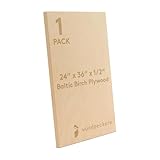
I remember staring at a pile of half-finished drawers, each one built from what I thought was pretty decent ¾-inch birch plywood. Then came the loading – tools, books, you name it. Within weeks, I was looking at sagging bottoms and warped sides. It was a harsh lesson learned the hard way: just because something is thick doesn’t automatically make it tough enough for serious abuse. So, can ¾ plywood be used for heavy duty drawers? The short answer is: maybe, but not without some serious caveats and potentially a lot more work than you might expect.
Most people think ‘thick means strong,’ and sure, ¾-inch plywood is a big step up from ¼-inch or even ½-inch. But ‘heavy duty’ is a loaded term, and the way you use and build those drawers makes all the difference. I’ve seen some questionable drawer builds that held up surprisingly well, and some that looked solid but failed spectacularly under load.
Is ¾-Inch Plywood Really the Beast It Claims to Be?
Look, when you’re talking about building something that’s going to take a beating, thickness is often the first thing people fixate on. And yeah, ¾-inch plywood feels substantial. It’s got a good heft to it, and compared to thinner sheets, it resists flexing pretty darn well on its own. This is why it’s a go-to for cabinet carcasses, workbench tops, and even some basic shelving where you don’t need bulletproof strength. For the sides and back of a drawer box, it’s usually more than adequate, offering good rigidity and a solid feel.
However, the real hero for heavy-duty drawers isn’t just the thickness of the side panels. It’s the bottom. This is where most drawer failures happen, especially with heavy loads. If you’re using ¾-inch plywood for the sides and back, and then you slap a flimsy ¼-inch hardboard or even ½-inch plywood bottom into it, you’re setting yourself up for disappointment. That bottom panel is going to sag under the weight of tools, scrap metal, or a hefty collection of ceramic mugs. The ¾-inch sides will eventually get pulled apart or warped because the unsupported bottom is flexing and putting undue stress on the joinery.
My first big drawer project involved building some deep, wide drawers for my garage workbench. I figured ¾-inch birch ply for everything – sides, front, back, and bottom – would be overkill, thus perfect.
I glued and screwed everything together like a maniac. They looked fantastic. Then I started loading them up with socket sets, wrenches, and a few cans of automotive fluids.
By the third month, the bottoms of the two deepest drawers had a noticeable dip in the middle. The ¾-inch sides were still holding strong, but the unsupported span of the bottom panel was bowing under the weight.
It was a prime example of putting all your faith in one component and neglecting another equally important one. The lesson? The bottom needs just as much, if not more, attention than the sides for heavy-duty applications.
One of the biggest myths is that any plywood is automatically strong. It’s not. The quality of the wood plies, the type of glue used, and how well it’s manufactured make a huge difference. A cheap, construction-grade ¾-inch plywood might have more voids inside and weaker cross-grain veneers than a higher-grade cabinet-grade plywood. While for drawer sides and backs this might not be a deal-breaker, for the bottom where you need consistent strength across the entire span, a well-made, void-free plywood is a much better bet. I’ve learned to inspect the edges of the plywood sheet for visible glue lines and the number of plies. More plies generally mean better strength and stability.
The Important Bottom: Where ¾-Inch Plywood Gets Tested
Let’s get down to brass tacks: if you’re asking if ¾-inch plywood can handle heavy-duty drawers, you’re probably thinking about the whole box. And sure, the sides and back made from ¾-inch material will be plenty strong. They’ll resist racking, and the joinery will have a solid piece of wood to bite into, whether you’re using screws, dadoes, or rabbets. This provides a good, sturdy frame. But the real question, and the place where most people fall short, is the drawer bottom. This is the part that supports all the weight, and it’s the most likely culprit when a drawer starts to sag or fail. (See Also: Can A 4x8 Plywood Fit In A Honda Pilot )
So, can ¾-inch plywood be used for heavy duty drawers bottoms? Honestly, in most cases, it’s overkill and introduces its own set of problems.
¾-inch plywood is heavy. If you’re building, say, a set of deep, wide drawers for a mobile tool chest, adding ¾-inch material to the bottom of every drawer is going to add a significant amount of weight. This makes the drawers harder to slide, puts more stress on your drawer slides (even heavy-duty ones), and makes the whole unit heavier to move.
For the bottom, especially if the drawer sides are already ¾-inch, you often need something thinner but stronger per unit of weight. A high-quality ½-inch or even 3/8-inch cabinet-grade plywood with plenty of plies and no voids is often a better choice.
It offers excellent strength-to-weight ratio and can resist bowing if properly supported.
Support is the key word here. Even with a good quality ½-inch plywood bottom, if the drawer is very wide (say, over 30 inches), you absolutely need to add support. This usually means running cleats or a sturdy wooden runner along the inside faces of the drawer sides, about an inch or two up from the bottom edge, that the plywood bottom can rest on and be glued/screwed to. Some people even add a central support cleat running front-to-back underneath the drawer bottom for extra rigidity on really wide or heavily loaded drawers. Think of it like adding joists to a floor – it distributes the load and prevents sagging.
I once built a set of utility drawers for a workshop where the client insisted on using ¾-inch plywood for the entire drawer box, including the bottom. He was convinced it was the only way to make them ‘heavy duty.’ The result? Drawers that weighed a ton, were incredibly stiff to open and close, and the ¾-inch bottoms, despite their thickness, still showed a slight flex under the load of his woodworking machinery parts.
We ended up having to add those central support cleats anyway. It was a classic case of over-engineering in the wrong place and under-engineering the support system. For most heavy-duty applications, the bottom should be adequately supported and made of a strong, stable material, which doesn’t always mean the thickest option available.
Joinery: The Glue Holding It All Together
When you’re asking can 3/4 plywood be used for heavy duty drawers, the joinery is arguably as important as the material itself. Thick material is only good if you can join it securely. With ¾-inch plywood, you have a lot of options, and most of them are pretty solid. Simple butt joints with glue and screws are going to be strong, but they can look a bit crude, and the screw heads can be a weak point if they back out or if the wood splits around them.
Dadoes are your friend here. Cutting a groove (a dado) into the ¾-inch side and back panels for the drawer bottom to slide into creates a much stronger connection. The bottom panel is then captured within the sides, preventing lateral movement and providing excellent support. When you do this, the bottom panel basically becomes part of the structural integrity of the drawer box. For heavy-duty drawers, I prefer to cut the dado about halfway through the thickness of the ¾-inch side panels. This way, you have a substantial amount of material left on the outside for screws to bite into, and the bottom is securely seated. (See Also: Can Bondo Be Applied To Plywood )
Another excellent option is rabbet joints. A rabbet is an L-shaped cut along the edge of a board. You can cut a rabbet on the front and back edges of the drawer sides to accept the front and back panels, and similarly on the bottom edges of the front, back, and sides to accept the bottom panel. This creates a larger glue surface area and a more interlocking joint. When combined with glue and a few screws or nails, rabbet joints are incredibly strong and provide a clean look.
For the absolute toughest drawers, consider a combination. For instance, use dadoes for the bottom panel to slide into, and then use rabbet joints or strong finger joints (dovetails are overkill for most plywood drawers but possible) for the corners where the front, back, and sides meet. I once built a set of drawers for a metal fabrication shop, and we used ¾-inch Baltic birch plywood (which is known for its void-free construction and many plies) with dadoed bottoms and reinforced rabbet joints at the corners, using construction adhesive in addition to wood glue. Those drawers have been in constant use for five years, carrying loads of heavy metal parts, and they still look and function like new. The joinery was the key; the ¾-inch plywood provided the material strength, but the interlocking joints and the dado for the bottom provided the structural integrity under stress.
Avoid simple butt joints for heavy-duty drawers, especially if you plan on using screws only. Without glue, they are prone to racking. Even with glue, they rely heavily on the screw threads to hold the shear force, which can fail over time, especially with the constant movement and vibration associated with heavy drawers.
Common Mistakes and How to Avoid Them
When people ask can 3/4 plywood be used for heavy duty drawers, they often overlook a few important points that can turn a stout-looking drawer into a saggy mess. The first and most common mistake is neglecting the drawer bottom’s support. As I’ve hammered home, a thick bottom is only as good as what holds it up. Simply screwing a piece of plywood to the bottom edge of the drawer sides leaves the middle unsupported. When you load it up with heavy items, gravity takes over, and that unsupported span will bow. Always, always, always incorporate cleats or runners for the bottom panel to rest on, or use dadoes to capture it.
Another mistake is using the wrong type of plywood. Not all ¾-inch plywood is created equal. Construction grade plywood, while thick, can have significant voids within its core. These voids create weak spots. When a heavy load is applied, the wood can crush or split around these voids. For heavy-duty drawers, opt for cabinet-grade plywood, preferably birch or Baltic birch. These generally have more plies, fewer voids, and stronger cross-grain veneers, offering more consistent strength across the entire sheet. The price difference is usually worth it for the durability you gain.
Over-tightening screws is another surprisingly common error. Plywood, especially at the edges, can split easily if you’re not careful. While ¾-inch plywood is more forgiving than thinner sheets, it’s still possible to split the wood around screw holes, compromising the joint’s strength. Always pre-drill pilot holes, especially near the edges. Use a drill bit slightly smaller than the screw shank. If you’re using countersunk screws, be careful not to overtighten and strip the hole or crush the wood fibers. A snug fit is what you’re after, not a crushing force.
Finally, people often underestimate the importance of the drawer slides themselves. Even the strongest ¾-inch plywood drawer box will fail prematurely if it’s riding on weak, wobbly drawer slides. For heavy-duty applications, you need heavy-duty slides. Look for slides rated for at least 75-100 pounds per pair, preferably more. Make sure they are installed correctly, level, and square. Misaligned slides will bind, put undue stress on the drawer box, and can lead to premature failure of both the slides and the drawer itself. I learned this the hard way after a set of “heavy-duty” slides I bought online failed after only a year of moderate use on a tool drawer, causing the drawer box to twist.
Here’s a quick rundown of what to look for:
| Component | ¾-Inch Plywood Application | Verdict for Heavy Duty | Reasoning |
|---|---|---|---|
| Drawer Sides | Excellent | 👍 Use It | Provides ample rigidity and strength to resist racking. |
| Drawer Back | Excellent | 👍 Use It | Similar to sides, provides structural support. |
| Drawer Front | Excellent | 👍 Use It | Provides a solid face for hardware and drawer front appearance. |
| Drawer Bottom | Potentially Overkill/Risky | 👎 Avoid unless heavily supported | Adds significant weight, prone to sagging without proper support or a better material choice (e.g., ½-inch cabinet grade ply). |
| Drawer Bottom Support | Key | 🌟 Must Have | Cleats, runners, or dadoes are important to prevent bottom sag. |
Real-World Performance and Practical Tips
So, does ¾-inch plywood actually work for heavy duty drawers in the real world? Yes, but with the understanding that it’s not a magic bullet. It’s a strong material for the frame of the drawer, but the bottom panel and its support system are where the real engineering needs to happen. If you’re building drawers for a mechanic’s tool chest, a woodworker’s shop, or even just a really loaded kitchen pantry, you need to think beyond just the thickness of the plywood. (See Also: Can Cat Plywood Be Used For Exterior Siding )
One of the most practical tips I can give is to consider the span. A ¾-inch plywood drawer that’s only 18 inches wide and 15 inches deep is going to perform very differently than one that’s 36 inches wide and 24 inches deep, even if you load them with the same total weight. Longer spans mean more use for gravity to cause sagging. For wider drawers, you absolutely need those support cleats running underneath the bottom panel, and possibly a central stiffener. Think about how long the unsupported panel is – that’s your primary concern for the bottom.
Another tip is to use cabinet-grade plywood. I’ve found that brands like Baltic Birch, or even higher-end birch or maple plywood found at cabinet supply stores, are far superior to standard construction-grade plywood. They have many more plies, meaning more layers of wood glued together with the grain running in alternating directions. This makes the material much stronger, more dimensionally stable, and less prone to delaminating or splitting. The edges will be clean and void-free, which is important for good glue adhesion and a professional look.
When it comes to finishing, don’t skimp. A good coat of polyurethane or a durable paint will protect the plywood from moisture and wear. For heavy-duty drawers, especially in a workshop environment, this protection is important. Moisture can cause wood to swell and warp, and abrasive materials can damage the surface. A tough finish will extend the life of your drawers considerably. I usually apply at least two or three coats of a durable poly finish to drawer bottoms and sides.
Finally, match your drawer slides to the intended load. If you’re building drawers that will hold 50-100+ pounds of tools or materials, you need slides rated for that capacity. Buying cheap, lightweight slides will only lead to frustration and early failure, no matter how well you’ve built the drawer box itself. Always err on the side of caution and get slides with a higher weight rating than you think you’ll need.
People Also Ask:
Can I Use Plywood for Drawer Bottoms?
Yes, plywood is a common and generally good material for drawer bottoms, provided it’s adequately supported and of sufficient thickness for the load. For standard drawers, ½-inch or even ⅜-inch cabinet-grade plywood is often sufficient, especially when resting on support cleats or captured in dadoes. For very heavy-duty applications, thicker plywood or reinforced supports are necessary.
What Is the Strongest Plywood for Drawers?
For drawer construction, especially heavy-duty drawers, cabinet-grade plywood is the strongest choice. Birch plywood, especially Baltic Birch, is highly regarded due to its numerous plies, void-free core, and excellent strength and stability. Hardwood plywoods like maple or oak also offer good strength.
What Thickness Plywood Is Best for Heavy Duty Drawers?
For the sides and front of heavy-duty drawers, ¾-inch plywood is excellent. For the bottom, while ¾-inch can be used, it’s often too heavy and better replaced with a well-supported ½-inch or ⅜-inch cabinet-grade plywood. The key for the bottom is adequate support, not just thickness.
How Do You Support a Plywood Drawer Bottom?
The most common and effective ways to support a plywood drawer bottom are by using support cleats (strips of wood glued and screwed to the inside of the drawer sides and front/back, upon which the bottom rests) or by cutting dadoes (grooves) into the drawer sides and front/back for the bottom panel to slide into. For very heavy loads, a central support runner beneath the bottom is also recommended.
Final Verdict
So, to circle back, can ¾-inch plywood be used for heavy duty drawers? Absolutely, for the sides, front, and back. It provides a sturdy, rigid frame that can handle significant stress. However, the bottom is where you need to be smart. Don’t just slap a piece of ¾-inch ply on there and call it a day. It adds unnecessary weight and can still sag if not properly supported. Opt for a good quality ½-inch or ⅜-inch cabinet-grade plywood for the bottom and invest time in creating a solid support system with cleats or dadoes.
My personal experience has taught me that building truly heavy-duty drawers is about more than just picking the thickest material. It’s about understanding how the components work together, the importance of joinery, and critically, how the bottom panel is supported. If you get those elements right, even a lighter-weight but well-supported bottom panel can outperform a thick, unsupported one.
Before you start cutting, consider the specific load your drawers will carry. Are they filled with dense metals, heavy books, or lighter tools? This will dictate the level of support and the exact material choices you make. Don’t be afraid to add those extra cleats or use a better-quality plywood for the bottom; it’s the difference between a drawer that lasts and one that becomes a sagging testament to a shortcut.