I remember the first time I tried to grab a few cans of spray paint for a project back in high school. I thought I’d breeze right through the checkout. Nope. The cashier gave me this look, like I was trying to buy dynamite. So, can a 17 year old buy spray paint? It’s not as simple as grabbing a soda. There’s a whole mess of rules, and honestly, most of them are pretty sensible, even if they feel like a buzzkill at the time.
This isn’t some weird, made-up restriction. It’s tied to some real concerns about vandalism and, believe it or not, health. But for a kid who just wants to customize a skateboard or give an old lamp a new look, it can feel like a roadblock. Let’s break down what you need to know, straight up.
The Law Is the Law, Even If It Feels Dumb
Alright, let’s get this out of the way: legally, in most places, a 17-year-old cannot buy spray paint. Why? Because it’s often classified as a controlled substance or an imitation controlled substance. This isn’t about the paint itself, but about what it can be used for. Think about graffiti. Think about people huffing it – which is incredibly dangerous and can cause serious brain damage or even death. Because of these potential misuses, laws have been put in place to restrict sales to minors.
This is a nationwide thing, but the specifics can vary a bit by state and even by city. Some places might have a blanket ban for anyone under 18, while others might have specific types of aerosol cans or volumes that are restricted. It’s not just about buying it at a big box store; even smaller art supply shops or hardware stores are generally supposed to follow these regulations. They can face hefty fines if they’re caught selling to someone underage, so they’re usually pretty strict about checking IDs.
I’ve seen it happen: a buddy of mine, 17 at the time, got carded buying a can of chrome paint for his bike and was told flat out ‘no sale.’ The cashier wasn’t being a jerk; she was just doing her job to avoid trouble. It’s a real bummer when you’re trying to get creative, but it’s a precaution that’s in place for a reason.
What to Look for (and What to Avoid) When Buying
So, you’re 17 and you want to spray paint something. What are your options? Honestly, your best bet is to have an adult buy it for you. A parent, an older sibling, a cool aunt – someone over 18. They can pick it up for you, and then it’s your responsibility to use it safely and legally. If you’re not in a position to do that, you might be out of luck for now. Don’t try to pull a fast one; cashiers are trained to spot fake IDs and they’ve seen it all. Trying to buy it yourself is just going to end in disappointment and potentially a stern talking-to.
When you do get your hands on some, don’t just grab the cheapest can you see. There’s a huge difference in quality.
For beginners, I’d steer clear of those super-high-pressure cans that spit paint everywhere. They’re messy and unforgiving.
Look for brands that offer good control and a consistent spray. Brands like Montana Cans (especially their Gold line) or MTN (like their 94 line) are popular for a reason. They offer a wide range of colors, a nice matte finish often, and better valve control, which means fewer drips and runs.
For actual use, especially on something you care about, spending a little extra on good quality paint is worth it. I once wasted about $60 on cheap, generic brands trying to get a smooth finish on a guitar build. It was a disaster of splotches and drips that I had to sand off.
Lesson learned: good paint costs more, but it saves you headaches and rework. And always, always, always check the can’s pressure rating – lower pressure is usually better for control. (See Also: Can Craft Foam Be Spray Painted )
Common Mistakes and How to Not Make Them
Okay, let’s talk about what goes wrong. The biggest mistake, besides getting caught trying to buy it underage, is not understanding how spray paint actually works. It’s not just point-and-shoot. You need to prep your surface. Sanding, priming, cleaning – all that jazz. Skipping these steps means your paint job will look amateurish and probably won’t last. I made this mistake early on, painting directly onto a raw metal surface. It looked okay for a week, then started peeling like sunburnt skin. Prep work is boring, I get it, but it’s a must for a decent finish. Think of it like cooking: you wouldn’t throw raw ingredients into a pot and expect a gourmet meal.
Another common pitfall is not shaking the can enough. That rattle inside? It’s not just for show.
It’s a mixing ball that needs to break up the pigments and propellant. If you don’t shake it vigorously for at least a minute or two, you’ll get uneven color, streaks, and sputtering.
And speaking of sputtering, don’t hold the can too close to the surface. That’s how you get drips and thick, uneven coats. Maintain a consistent distance of about 8-12 inches, and use light, overlapping strokes. Move your wrist, not just your arm, for a smoother application.
Finally, don’t spray in a confined, unventilated space. The fumes are no joke.
I’ve had headaches that lasted days from a quick touch-up in a garage with the door shut. Always work outdoors or in a well-ventilated area. Your lungs will thank you.
Real-World Uses: Beyond the Graffiti Stereotype
While spray paint gets a bad rap because of its association with graffiti and vandalism, its practical uses are vast and incredibly useful for anyone, especially teens looking to personalize their stuff. Think about giving an old piece of furniture a facelift. A thrift store dresser can become a statement piece with a few coats of spray paint in a trendy color. Or maybe you want to customize your bike, scooter, or skateboard. A unique paint job can make your ride stand out. I remember a friend who painted his entire bicycle frame a matte black, then added some subtle pinstripes. It looked professionally done and cost him less than $50 in materials.
Beyond personal items, spray paint is fantastic for DIY projects. Need to paint plastic storage bins to match your room decor? Spray paint. Want to give some old picture frames a metallic sheen?
Spray paint. It’s also great for crafts. You can paint flower pots, craft store wooden items, even shoes (with the right prep and sealant).
It’s a fast, accessible way to achieve a smooth, even finish that you’d struggle to get with a brush, especially on complex shapes. For someone 17, this opens up a whole world of creative expression without needing expensive tools or specialized equipment. (See Also: Can Aluminum Be Spray Painted )
The key is understanding the different types of paint – enamel for durability, acrylic for flexibility, and primer/sealant for adhesion and protection. For instance, if you’re painting a metal object like a bike frame, you’ll want a primer designed for metal, followed by a durable enamel, and then a clear coat to protect it from scratches and weather. It’s about choosing the right tool for the job, not just grabbing any can.
Understanding the Health and Safety Aspects
This is where the “can a 17 year old buy spray paint” question gets serious. Beyond the legal restrictions, there are significant health risks associated with spray paint. The most immediate concern is inhalation.
The solvents and propellants in spray paint can be harmful if inhaled, leading to dizziness, nausea, headaches, and in severe cases, unconsciousness, respiratory failure, and even death. This is why ventilation is absolutely most important. I can’t stress this enough: never, ever spray paint indoors without proper ventilation (like a fan blowing air out a window) or in a confined space.
Wearing a respirator mask designed for organic vapors is also a smart move, especially for extended use. You can find decent ones for around $30-$50, which is a small price to pay for protecting your lungs.
Skin contact is another issue. While most spray paints aren’t acutely toxic on contact, prolonged exposure can cause irritation and dryness. It’s a good idea to wear gloves – thin nitrile gloves are usually sufficient for most tasks. Eye protection is also important. Paint splatters can happen unexpectedly, and getting paint in your eyes is not only painful but can also cause temporary vision impairment. Safety glasses are cheap and effective. Finally, remember that spray paint is flammable. Keep it away from open flames, sparks, and high heat. Store it in a cool, dry place, and dispose of empty cans properly. Don’t just toss them in the regular trash; many municipalities have specific aerosol can disposal guidelines.
Alternatives and Next Steps If You’re Under 18
So, you’re 17, and the law says no. What now? As I’ve hammered home, the simplest and safest route is to have an adult purchase the spray paint for you. This avoids any legal gray areas and makes sure you’re not putting yourself or store employees in an awkward position. If you have a parent, guardian, older sibling, or trusted adult friend who’s willing to help, that’s your golden ticket. Make sure they understand what you plan to use it for so they can help you choose the right type of paint and any necessary safety equipment.
If adult assistance isn’t an option right now, don’t despair! There are other ways to achieve similar results, albeit with a different process. For smaller projects or detailed work, acrylic paints applied with brushes can offer incredible control and a vast array of colors.
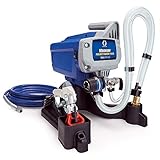
You can get fantastic, smooth finishes with acrylics, especially with the right brushes and techniques. For larger items, consider airbrushing. While the initial setup cost is higher, an airbrush system gives you precise control and can create smooth gradients and effects that are hard to replicate with cans. Another option, depending on your project, might be vinyl wraps or decals, which offer a clean, professional look without the fumes or potential legal issues.
These alternatives might require a bit more learning or a different approach, but they can still help you express your creativity. If you’re keen on the spray paint aesthetic and are under 18, patience and planning are your best friends.
Wait until you’re 18, or find that adult helper. (See Also: Can Bug Spray Damage Car Paint )
Spray Paint Comparison Table (Verdict for a 17-Year-Old)
| Paint Type | Pros | Cons | Verdict for Under 18 |
|---|---|---|---|
| Standard Aerosol Spray Paint | Wide color selection, fast application, accessible for simple projects. | Legal restrictions for minors, strong fumes, potential for drips/runs if not used properly, requires ventilation and safety gear. | Generally Legal to Purchase: NO. Requires adult purchase. Safety concerns significant. |
| High-Quality Artist Spray Paint (e.g., Montana, MTN) | Better control, wider color palettes, good coverage, often lower pressure options. | Still subject to purchase restrictions for minors, more expensive, fumes still present, requires proper ventilation. | Generally Legal to Purchase: NO. Requires adult purchase. Excellent for experienced users, but restrictions apply. |
| Acrylic Paint (Brush/Roller) | No purchase restrictions for minors, no harmful fumes (water-based), excellent control for detail, wide range of finishes. | Slower application, can leave brush strokes if not applied carefully, not ideal for very large or complex shapes without practice. | Generally Legal to Purchase: YES. Great alternative for controlled application and safety. |
| Airbrush Paint | Precise control, smooth gradients, excellent for detail, no purchase restrictions (paint itself), minimal fumes. | Requires airbrush equipment (compressor, gun), higher initial cost, learning curve for technique. | Generally Legal to Purchase: YES (paint). Equipment can be expensive. Good for advanced hobbyists. |
Can a 17 Year Old Buy Spray Paint at Walmart?
Generally, no. Walmart, like most major retailers, adheres to laws that restrict the sale of spray paint to individuals under 18 due to its potential for misuse. They will typically ask for ID and refuse the sale if you are underage.
Are There Specific Types of Spray Paint That Are Legal for a 17 Year Old to Buy?
This varies by location, but typically, any spray paint that can be misused for vandalism or intoxication falls under these restrictions. This includes most common art and hardware store spray paints. There might be very niche industrial or specialized paints that don’t carry these restrictions, but they are unlikely to be what someone is looking for for creative projects.
What If I’m 17 and Need Spray Paint for a School Project?
For school projects, the best approach is to discuss the requirements with your teacher. They may have a process for obtaining materials, or they might suggest an alternative medium. If spray paint is truly necessary, your parents or guardians will likely need to purchase it for you and supervise its use.
The Fine Print: Where to Find Official Information
Navigating these regulations can feel like trying to decipher a secret code. If you’re really curious about the exact laws in your area, your best bet is to check with your local government or law enforcement websites. Many states and cities have consumer protection divisions or statutes posted online that outline these restrictions. For instance, if you live in California, you might look up California Penal Code Section 594.6, which deals with the sale of aerosol paint containers to minors.
Laws can be complex and might even differ slightly between counties, so a quick online search for ‘[Your State/City] spray paint sales to minors’ can often point you to the relevant statutes or local ordinances. It’s a good idea to be informed directly from the source rather than relying on hearsay.
This makes sure you understand the specifics, like whether there are limits on can size or specific types of paint that are more heavily regulated. For example, some jurisdictions might exempt certain types of art supplies if they are sold in smaller quantities or specifically marketed for artistic use, but this is rare and should be verified.
Conclusion
So, to put it bluntly: can a 17 year old buy spray paint? In most places, the answer is a hard no. The laws are there to prevent vandalism and dangerous substance abuse, and retailers are legally obligated to enforce them. Trying to skirt these rules isn’t worth the hassle or the potential trouble.
Your best bet, if you’re under 18 and need spray paint, is to have an adult buy it for you. This is the safest and most straightforward approach. If that’s not possible, explore the alternative art supplies or techniques that don’t carry these legal restrictions. There are plenty of ways to get creative without running into roadblocks.
Ultimately, whether you’re 17 or 70, safety comes first. If you do get your hands on spray paint, use it responsibly, with proper ventilation and protective gear. Your health and the law are more important than a quick paint job. Think about what you really want to achieve and if there’s a safer, legal way to get there. If you’re itching to customize something, consider waiting until you’re 18 or working with a parent to get what you need.