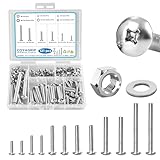
I swear, the first time I went to replace the steering wheel on my old Can-Am Outlander, I thought I was going to have to sell a kidney. Not because the machine itself was a beast to work on, but because finding the right darn can am steering wheel bolt felt like a quest for the Holy Grail. Seriously, you’d think it’s a common part, but chasing down the right specs and thread pitch can be a real headache if you don’t know what you’re looking for.
Most forums just say ‘get the bolt,’ which is about as helpful as telling a starving man to ‘eat food.’ It’s the details, man. The little things that save you hours of frustration and a pile of cash spent on the wrong hardware.
So, let’s cut through the noise and talk about what actually matters when you’re dealing with this specific piece of metal.
The Mystery of the Missing Bolt Specs
Alright, let’s get straight to it: the can am steering wheel bolt isn’t some universal part you can just grab off the shelf at any hardware store. Can-Am, like most manufacturers, uses specific fasteners for a reason. It’s not just about holding the steering wheel on; it’s about making sure it stays on under vibration, stress, and whatever else you throw at your rig. The common advice you’ll see online is often vague: ‘use a metric bolt, size M8 or M10.’ While that might be true for some models, it’s a gamble.
I once bought a whole set of M8s because someone on a forum swore by them, only to find out they were too short. My steering wheel wobbled like a loose tooth.
Took me three more trips to the auto parts store and a call to the dealer to finally get the right one, which was actually an M10 with a fine thread and a specific length. Cost me about $15 for one bolt, which felt ridiculous, but it was better than buying a whole bag of the wrong ones again.
The important specs you’re usually looking for are the thread diameter, thread pitch (how many threads per inch or millimeter), and the length under the head. For many Can-Am models, you’re likely dealing with metric sizes.
A common size for steering wheel hubs is M10, but the pitch can vary. You might see 1.0mm pitch or 1.25mm pitch. Getting this wrong means the bolt either won’t thread in at all, or it will cross-thread and damage the hub or the steering shaft. That’s a much bigger, more expensive problem than just buying the right bolt.
The length is also important; too short and it won’t engage enough threads, too long and it might bottom out before it’s fully tightened, or worse, interfere with other components. Always, always check your service manual if you have it.
If you don’t, your best bet is to carefully remove the old bolt and take it to a good fastener shop to match it. They’ve got tools to measure thread pitch accurately.
I’ve seen people try to use standard grade 2 bolts or even lug nuts in a pinch. Don’t do it.
These machines are subjected to bumps, jumps, and serious torque on the steering. You need a bolt with a proper grade rating, usually grade 8.8 or higher for metric, which signifies its tensile strength. (See Also: Can I Buy A Full Auto Bolt Carrier )
A lower grade bolt can shear off under stress, leading to an immediate loss of steering control. That’s a terrifying thought when you’re out on the trail.
Think about the forces involved when you hit a rut or a rock at speed. The steering wheel bolt is holding one of the most important components for your safety.
So, while saving a few bucks might seem tempting, it’s a false economy when it comes to the fastener holding your steering wheel on.
Common Pitfalls and Why They’re Garbage Advice
Here’s where the internet really goes off the rails. You’ll find endless threads with guys arguing about what bolt works. The most common bit of bad advice I see is, “Just use an M10 x 1.5, they’re everywhere.” Nine times out of ten, that’s wrong for a Can-Am steering wheel bolt. The factory spec is usually a finer pitch, like M10 x 1.25.
Using the wrong pitch is like trying to screw a square peg into a round hole – it won’t go in smoothly, and if you force it, you’ll strip the threads on both the bolt and the steering column. I learned this the hard way when I bought a new steering wheel and a generic bolt kit. The M10 x 1.5 bolts just wouldn’t engage properly. I spent an hour wrestling with it, thinking I was doing something wrong, before I realized the pitch was off.
The sheer frustration! It’s not ‘everywhere’ if it doesn’t fit your specific application.
Another piece of garbage advice is to reuse the old bolt indefinitely. Sure, if it’s in perfect condition, no rust, no stretching, and you’re just taking the wheel off and putting it back on without issue. But these bolts are often subjected to significant stress and vibration.
Over time, they can develop microscopic cracks or stretch, weakening their integrity. If you’re replacing the steering wheel, or if the old bolt looks even slightly damaged or corroded, just get a new one. They’re not that expensive, especially when you consider the risk.
I had a friend whose steering wheel came loose on a trail because the old bolt had apparently stretched just enough over time. He was lucky he was going slow. That’s not a risk I’m willing to take.
Then there’s the whole ‘just use whatever you have in your toolbox’ mentality. People will suggest using bolts from old car parts, farm equipment, or even hardware store ‘assortment’ packs. While a bolt might look similar in size, the material strength, thread profile, and coating can be completely different.
Can-Am uses specific grades of steel for their fasteners to handle the specific stresses of off-roading. A generic bolt might not have the tensile strength required. (See Also: Are Mercruiser 5 7 Engines Four Bolt Mains )
It could be made of softer metal, leading to stripping, or it might be brittle and snap under impact. I’ve seen people try to use black oxide bolts that looked tough, only to have them rust through in less than a year from exposure to mud and water. You need a bolt that’s designed for this kind of environment and load. Stick to the specs or get advice from someone who truly knows the Can-Am platform.
What to Actually Look for (and Where to Find It)
When you’re hunting for the correct can am steering wheel bolt, focus on these key features: Thread Diameter, Thread Pitch, Length, and Grade. For most Can-Am models, you’ll be looking at metric sizes. The most common diameter is M10.
The pitch is where things get tricky; it’s often a finer pitch than standard, so M10 x 1.25 is more common than M10 x 1.5. Always confirm. The length is measured from under the bolt head to the tip.
You’ll typically need a bolt that’s long enough to fully engage the threads in the steering column, but not so long that it interferes with anything behind it. A length of around 25mm to 35mm is common, but again, measure your original or check your manual.
The grade is important for strength. Look for a metric grade of 8.8 or higher. Often, the grade is stamped on the bolt head.
Where do you find these specific bolts? Your first, best bet is the official Can-Am dealer. Yes, it’s usually the most expensive option, but you get the exact part designed for your machine. They’ll have the part number, and you can be 100% sure it’s correct. If you’re looking for a more budget-friendly option, specialized fastener suppliers are your next stop. Places like Bolt Depot, McMaster-Carr (if you’re in the US), or local industrial hardware stores are excellent resources. They carry a wide range of metric bolts in various grades and pitches. You can often search by specific dimensions online. I’ve had good luck with online fastener retailers that let you filter by size, pitch, and grade.
Another avenue, though one to approach with caution, is high-performance aftermarket parts suppliers. If you’re upgrading your steering wheel or adding a quick-release hub, these companies often sell the necessary hardware. They might offer stronger or more specialized bolts. However, always double-check that they are compatible with your specific Can-Am model and aren’t just generic racing parts that might not be rated for the vibrations and impacts of off-road use. Some companies even offer kits specifically for Can-Am steering wheels, which can be a good all-in-one solution if you’re doing a full replacement.
Can-Am Steering Wheel Bolt Thread Pitch Chart (example)
| Can-Am Model (Common) | Bolt Diameter | Thread Pitch (mm) | Typical Length (mm) | Grade (Recommended) | Verdict |
|---|---|---|---|---|---|
| Outlander (Gen 1/2) | M10 | 1.25 | 25-30 | 8.8+ | Good chance this is it. Always verify. |
| Renegade (Gen 1/2) | M10 | 1.25 | 25-30 | 8.8+ | Likely same as Outlander. |
| Maverick (early models) | M10 | 1.25 | 30-35 | 10.9 | Can be higher grade for performance models. |
Disclaimer: This chart is an illustration based on common findings. Always verify specifications for your exact model year and VIN.
Real-World Application and Installation Tips
So, you’ve got the right bolt. Now what? Installation isn’t rocket science, but there are a few things to keep in mind. First, clean the threads on both the bolt and the steering column receiver.
A little brake cleaner and a soft brush can work wonders. You want a clean engagement to avoid cross-threading. Second, and this is where many people go wrong: use a torque wrench. Overtightening can strip the threads or even crack the steering column boss.
Undertightening means the wheel could come loose. The service manual will specify the torque value, but a common range for an M10 bolt of this type is between 25-35 Nm (Newton-meters) or about 18-26 lb-ft. If you don’t have a torque wrench, tighten it firmly, but don’t go Hulk mode. You want it snug and secure, not like you’re trying to torque it down for a lug nut. (See Also: Can Am Merverick X3 Max Xrs Wheel Bolt Pattern )
When you thread the bolt in, do it by hand for the first few turns. If it feels stiff or grinds, stop immediately. Back it out and try again. This is the best way to catch cross-threading early. If it goes in smoothly by hand for several turns, then you can use a socket or wrench to tighten it the rest of the way, preferably with a torque wrench. Some steering wheels might have a washer, or the bolt head itself might have an integrated flange that acts like a washer. Make sure this is in place. These are designed to distribute the load over a larger area of the steering wheel hub, preventing it from cracking or deforming.
A little trick I learned for easier removal next time: apply a tiny bit of anti-seize compound to the threads of the bolt. Just a small dab. This prevents the bolt from seizing into the steering column threads due to corrosion, especially if you ride in wet or muddy conditions. It makes future removals a breeze.
However, use it sparingly, as too much can get into the threads and affect torque readings. For the actual steering wheel removal, you’ll likely need a steering wheel puller. Don’t try to pry it off or bash it with a hammer – that’s a great way to damage your steering column or the wheel itself. A steering wheel puller is a relatively inexpensive tool that makes this job straightforward and safe for both the vehicle and you.
Contrarian View: Do You really Need an Oem Bolt?
Okay, here’s my unpopular opinion. Everyone screams ‘OEM or nothing!’ for any part, especially something as important as the steering wheel bolt. And yeah, for some things, OEM is the only way to go. But for a simple fastener like a can am steering wheel bolt, that’s often pure, unadulterated brand loyalty nonsense driving up prices. Can-Am charges an arm and a leg for a bolt that probably costs them pennies to manufacture. I’ve successfully used high-quality, aftermarket metric bolts from reputable fastener companies that meet or exceed the OEM specifications for strength and thread pitch. The key is ‘high-quality’ and ‘meeting specs.’ You can’t just grab a bolt from the discount bin at the hardware store.
My reasoning is simple: the bolt’s job is to provide a secure mechanical connection with a specific thread pitch and sufficient tensile strength. As long as an aftermarket bolt meets those criteria – meaning it’s the correct M10 x 1.25 (or whatever your specific model needs) and it’s a Grade 8.8 or higher metric bolt – it will perform identically to the OEM bolt, if not better, for a fraction of the cost. I’ve used a M10 x 1.25 x 30mm Grade 10.9 bolt from an industrial supplier on a couple of Can-Am machines, and they’ve held up perfectly through thousands of miles of rough terrain. The only difference was the price tag and the fact it didn’t have a Can-Am logo on it.
The risk comes when you use a bolt that’s the wrong size, wrong pitch, or a low-grade fastener that can’t handle the stress. If you do your homework and get the specs right, going aftermarket is not only smart financially, it’s perfectly safe. You’re paying for the logo and the convenience, not necessarily a superior product in this specific instance.
What Size Is the Can-Am Steering Wheel Bolt?
The most common size for a Can-Am steering wheel bolt is an M10 diameter. However, the thread pitch can vary, with M10 x 1.25 being more frequent than the standard M10 x 1.5. Always confirm the exact pitch and length for your specific Can-Am model, as variations exist between different years and models.
Can I Use a Regular Bolt From the Hardware Store?
It’s risky. While you might find a bolt that fits, it’s important to match the thread pitch, diameter, and especially the grade (strength rating) of the original bolt. Using a lower-grade or incorrectly pitched bolt can lead to failure and loss of steering control. Stick to high-grade metric bolts (8.8 or higher) with the correct specifications to make sure safety.
How Do I Remove a Stuck Steering Wheel Bolt?
If the bolt is stuck, don’t force it excessively, as you could strip the threads or break the bolt. First, make sure you’re using the correct size socket and apply steady, even pressure. Penetrating oil like WD-40 or PB Blaster, left to soak for a while, can help. If it’s severely corroded, a bit of heat from a heat gun (not a torch, which can damage surrounding components) might loosen it. Ultimately, if it won’t budge, a bolt extractor kit or professional help might be necessary.
Do I Need a Special Tool to Remove the Steering Wheel?
Yes, for most vehicles including Can-Am ATVs and UTVs, you will need a steering wheel puller. Trying to force the steering wheel off by prying or hitting it can damage the steering column splines or the steering wheel itself. A steering wheel puller applies even pressure to safely separate the wheel from the shaft.
Verdict
So, the humble can am steering wheel bolt is more than just a piece of metal; it’s a small but vital component that demands respect. Don’t get caught out by vague advice or the temptation to grab the wrong part just to save a few bucks. Getting the right specs – diameter, pitch, length, and grade – is most important for your safety and the longevity of your machine.
My advice? If you’re unsure, remove the old bolt and take it to a professional fastener shop. It’s a small investment of time that will save you a world of headaches and potential danger on the trail. And remember, even with the right bolt, proper installation with a torque wrench is a must.
Next time you’re tinkering with your Can-Am, take the extra few minutes to get this little detail right. Your steering wheel will thank you for it.