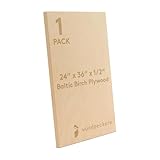
I remember staring at a stack of what looked like really nice plywood at the lumber yard a few years back. It was Baltic birch, praised for its strength and ply count. “This is it!” I thought. “This is what I’ll use for the transom on my project boat. Way better than that flimsy marine stuff they try to sell you.” Oh, how wrong I was. The question of whether can baltic birch plywood be used for boats is a loaded one, and my initial enthusiasm quickly turned into a rather expensive lesson in what
actually
holds up on the water. It’s not as simple as just grabbing the prettiest sheet.
So, Can Baltic Birch Plywood Be Used for Boats? The Blunt Truth
Alright, let’s cut to the chase. Can baltic birch plywood be used for boats? Yes, technically, you can.
People have done it. You can probably even build a functional canoe out of cardboard if you seal it enough times. But should you?
That’s a whole different ballgame, and my honest answer, after years of tinkering and seeing what sinks and what floats, is a resounding ‘it depends, and usually, no, not for the important bits’. Baltic birch is a fantastic material, don’t get me wrong.
It’s known for its exceptional strength-to-weight ratio, thanks to its uniform core and the high number of plies (often 11 or more in a 3/4-inch sheet). This means fewer voids, which is a big deal. When I built a small utility trailer frame and covered it with Baltic birch, it felt rock solid, way more rigid than standard exterior plywood.
The edges are clean, and it takes finishes beautifully. It doesn’t have that tell-tale hollow sound you get when you tap on cheaper plywood. For furniture, cabinets, or even some interior boat paneling where it’s not constantly getting soaked, it can be an excellent choice. But the marine environment is brutal.
We’re talking constant moisture, UV exposure, temperature swings, and the dynamic stresses of waves. Standard plywood, even the good exterior grades, will eventually delaminate and rot. Baltic birch, while better, isn’t inherently designed for this kind of sustained abuse.
Its glues, while strong, are typically not the waterproof or boil-proof kind needed for true marine applications. You’re basically taking a super-strong, beautiful material that’s designed for indoor use and asking it to survive the ocean. It’s like wearing a tuxedo to go mud wrestling – you might look good for a bit, but it’s not built for the job.
Why Standard Advice Often Misses the Mark
Here’s where a lot of advice online falls flat. You’ll see folks saying, “Baltic birch has no voids, so it’s better than marine plywood!” And yes, fewer voids are good. But they’re often overlooking the type of glue and the type of wood veneer used.
Marine plywood is specifically manufactured using waterproof glue (often WBP – Weather and Boil Proof) and typically uses premium veneers that are also selected for their resistance to rot and decay. Think Douglas fir or Okoume.
These woods, combined with the specialized glue, are designed to withstand prolonged immersion and harsh conditions. My first big mistake with plywood selection was believing that just because something was thicker and had more layers, it automatically meant it was tougher for my specific use case. I was building some storage boxes for the deck of a skiff, and I used the best-looking Baltic birch I could find. Within a year, the edges started to fuzz up, and one corner, where water tended to pool, showed signs of delamination. (See Also: Can A 4x8 Plywood Fit In A Honda Pilot )
It wasn’t a total disaster, but it was far from the lasting durability I expected. I’d spent more on that Baltic birch than on the actual fiberglass cloth I used to seal it, and it still failed prematurely.
The common advice often focuses on the physical structure of the plywood (plies, voids) and neglects the important chemical and biological resistance required for boats. It’s like saying a super-strong steel beam is perfect for underwater construction without considering rust.
You need the right kind of strength, the kind that actively resists the elements, not just passive structural integrity.
What to Look for When Choosing Plywood for Boats
If you’re building a boat, especially anything that floats for more than an afternoon, you need to be looking for specific characteristics. The gold standard, and for good reason, is marine-grade plywood.
This isn’t just a marketing term; it’s a standard. True marine plywood is constructed with waterproof glue and has extremely strict grading standards for veneers, meaning virtually no internal voids, no knots, and no defects that could trap moisture and lead to rot.
It’s made from durable wood species like Douglas fir, Okoume, or Meranti. I’ve used Douglas fir marine plywood for stringers and bulkheads, and it’s been rock solid for over a decade. It’s expensive, no doubt about it. I recall paying about $120 for a 4×8 sheet of 3/4-inch marine ply a few years ago, which felt like highway robbery at the time compared to standard plywood.
But when I look at the boats built with it, still sound and seaworthy after years of hard use, I see the value. When you’re looking at a sheet of plywood for boat building, ask yourself these questions: 1. Is it rated for marine use?
2. What type of glue is used?
(Look for WBP, waterproof, or boil-proof). 3. What species of wood is it made from?
(Douglas fir, Okoume are good). 4. What’s the grading? (AAA or similar, indicating smooth, knot-free faces).
If the sheet you’re looking at doesn’t tick these boxes, especially the marine rating and waterproof glue, you’re taking a gamble. For structural elements, keel, transom, bulkheads, or any part that will be constantly exposed to water or high stress, don’t skimp.
For less important interior elements, or if you’re building a very small, very temporary craft and plan extensive sealing, you might get away with a high-quality exterior grade, but even then, I’d be hesitant. (See Also: Can Bondo Be Applied To Plywood )
The Role of Glue and Wood Species in Marine Plywood
This is where the rubber meets the road, or rather, where the wood meets the water. The glue is arguably the most important factor when considering plywood for boat building.
Standard exterior plywood uses water-resistant glue, which means it can handle getting wet for a while, but prolonged immersion or exposure to boiling temperatures (which can happen in certain boat uses) will break it down. This leads to delamination – the layers separating. When that happens, you’ve got a structural failure waiting to happen.
Marine-grade plywood, on the other hand, uses waterproof glue. This is typically an exterior-grade phenolic resin glue, which is designed to withstand constant moisture and extreme temperature variations without breaking down. I learned this the hard way when I tried to repair an old dinghy using what I thought was good quality exterior plywood. It looked fine for a few months, but after a particularly hot summer and a few days left tied up in the rain, the edges started to peel apart like a cheap sticker.
It was a mess. The wood species also plays a significant role. Marine plywood often uses woods like Douglas fir or Okoume, which are naturally more resistant to rot and decay.
They also have good strength and stability. Baltic birch is a hardwood, which is great for strength and density, but the veneers themselves, while typically knot-free, aren’t usually selected for their inherent resistance to fungal attack in the same way marine species are. It’s like comparing a strong, dense oak to a naturally rot-resistant cedar; both are strong, but one is better equipped to handle dampness over the long haul. So, while Baltic birch’s dense, void-free construction is appealing, its reliance on standard glues and veneers not specifically chosen for marine environments makes it a risky proposition for anything beyond the most superficial, well-sealed applications.
Real-World Scenarios: Where Baltic Birch Might (barely) Work
Okay, so I’ve been pretty hard on using Baltic birch for boats. But are there any situations where it might not be a total train wreck? Let’s be honest, budget is always a factor, and sometimes you have to make do.
For very small, temporary projects, or parts of a boat that are absolutely, positively never going to get wet, Baltic birch could be used. Think interior cabinetry or trim in a cabin cruiser where the boat is always kept under cover and the humidity is controlled. Or maybe for a simple, flat-bottomed punt or skiff that you only use on calm, freshwater lakes for a few hours at a time, and you meticulously seal every single edge and surface with multiple coats of high-quality epoxy and varnish.
I’ve seen people build kayaks out of stitch-and-glue methods using Baltic birch, and if they go overboard with the epoxy and fiberglass reinforcement, they can last a decent while, especially on a freshwater river. My buddy Dave built a small sailboat using Baltic birch for the hull. He spent weeks meticulously coating every inch with epoxy resin and then several coats of marine varnish.
It looked stunning when it was done, and for the first season, it performed well on our local lake. But even with all that sealing, after a couple of years, he started noticing some soft spots near the waterline.
It’s still afloat, but he’s constantly patching and reapplying finishes. It requires a level of maintenance that frankly, I don’t have the patience for. If you’re building something truly expedition-worthy or plan to leave it in the water for extended periods, save yourself the future headaches and use proper marine plywood. For a weekend toy on a protected pond, and if you’re a sealing wizard, maybe.
But I wouldn’t bet my life on it, or even my afternoon fishing trip.
Common Mistakes and Practical Tips for Boat Plywood
The biggest mistake I see people make, and I’ve made it myself, is confusing ‘strong’ with ‘waterproof’ or ‘rot-proof.’ A strong piece of wood that deteriorates when wet is useless for boat building. (See Also: Can Cat Plywood Be Used For Exterior Siding )
My first foray into boat repair involved a cracked transom. I grabbed what I thought was heavy-duty plywood from the big box store, assuming its thickness and density meant it would be perfect. I sealed it up with some paint and figured I was good to go.
Six months later, during a rough choppy day, I heard a sickening crunch. The transom, where it met the hull, had started to delaminate under stress and water ingress. It was a complete failure.
The cost of that mistake, both in materials and the time lost, was way more than if I’d just bought the right marine plywood from the start. Here are some practical tips: 1. Always buy marine-grade plywood for structural components. It’s expensive, but it’s the only way to get the guaranteed waterproof glue and veneer quality.
2. If you absolutely must use a high-quality exterior plywood for non-important parts, seal everything religiously.
Use a two-part epoxy resin system designed for marine use, not just a coat of paint. Pay special attention to edges and any drilled holes – these are prime water entry points. 3.
Consider using fiberglass cloth and epoxy for sheathing the entire hull, especially if you’re not using marine plywood. This adds a significant layer of protection. 4. When in doubt, overbuild the sealing.
More epoxy, more varnish, more fiberglass is almost always better than not enough when it comes to protecting wood in a marine environment. I’ve learned to accept that the initial cost of marine-grade materials is a long-term investment in reliability and safety. Trying to cut corners here is a false economy that will cost you more in repairs and frustration down the line. It’s better to spend a bit more upfront and have peace of mind.
Faq: Common Questions About Plywood for Boats
Is Baltic Birch Plywood Suitable for Boat Decks?
While Baltic birch is strong, it’s generally not recommended for boat decks due to its lack of inherent rot resistance and the standard glues used, which aren’t fully waterproof. Decks are constantly exposed to water, sun, and foot traffic. If you were to use it, you’d need to meticulously seal every square inch with multiple layers of high-quality marine epoxy and varnish, and even then, its lifespan would likely be shorter than with proper marine plywood.
Can I Use Baltic Birch Plywood for Interior Boat Cabinetry?
For interior cabinetry where there’s minimal direct water exposure and good ventilation, Baltic birch can be a decent option. Its stability and clean finish are attractive. However, you should still seal the edges and any cut surfaces to prevent moisture absorption, especially in humid environments. Always make sure good airflow to prevent condensation buildup.
What Is the Difference Between Marine Plywood and Baltic Birch Plywood?
The primary difference lies in construction and intended use. Marine plywood is specifically manufactured with waterproof glue (like WBP) and uses rot-resistant wood veneers with virtually no voids, designed for constant exposure to water. Baltic birch is known for its numerous plies, void-free core, and strength, but typically uses glues that are water-resistant, not fully waterproof, and veneers not selected for marine durability.
How Much More Expensive Is Marine Plywood Than Baltic Birch Plywood?
Marine plywood is significantly more expensive, often costing 2 to 3 times as much as high-quality Baltic birch plywood for the same thickness. This higher cost reflects the specialized manufacturing process, premium materials, and rigorous quality control required to meet marine standards, making sure longevity and safety in harsh aquatic environments.
Verdict
So, to circle back, can baltic birch plywood be used for boats? The short, honest answer is: it’s a gamble you should probably avoid for anything important. While its strength is impressive, the lack of specific marine-grade glues and rot-resistant veneers means it’s not built to withstand the constant assault of water, UV, and the general abuse a boat endures. I’ve seen too many projects where someone tried to save a buck or thought ‘stronger is better’ only to end up with delaminated edges and soggy cores.
If you’re building a serious boat, or even a serious kayak, spend the extra cash on actual marine-grade plywood. Your future self, the one who isn’t constantly patching or worrying about sinking, will thank you. For non-important interior bits where moisture is minimal, it might pass, but even then, a good epoxy coating is your best friend. Don’t let the good looks of Baltic birch fool you into thinking it’s a marine-grade workhorse.
My advice? Stick to what’s proven. Marine plywood is expensive for a reason – it’s designed to work and last in the wettest, toughest conditions you can throw at it.