I remember staring at a box of bamboo flooring for what felt like hours, the instructions in one hand, a tube of adhesive in the other. I’d just spent a chunk of change on this supposedly eco-friendly, super-durable stuff, and the nagging question was: can bamboo real wood flooring be glued to plywood? The salesperson had brushed it off with a vague ‘it’s a floating floor, mostly,’ which wasn’t exactly reassuring. I’d already messed up installing a laminate floor once, and the last thing I needed was another expensive mistake.
There’s a lot of jargon thrown around when it comes to flooring, and bamboo is no exception. It’s not quite solid hardwood, not quite laminate, and trying to figure out the best way to lay it down can feel like deciphering ancient hieroglyphics. But don’t sweat it. I’ve been there, done that, and probably have the slightly warped planks to prove it.
Gluing Bamboo to Plywood: The Real Deal
Let’s cut to the chase: yes, in most situations, you absolutely can glue bamboo real wood flooring to plywood. But before you go grabbing the nearest tube of construction adhesive and start slathering it on, hold your horses. It’s not as simple as ‘yes’ or ‘no’ for every single scenario. Think of it like asking if you can cook pasta. Sure, but there’s a difference between perfectly al dente and a soggy mess. The same applies here. The ‘how’ matters just as much, if not more, than the ‘if’.
Why the nuance? Bamboo flooring, especially the strand-woven kind which is incredibly dense and hard, requires a specific approach. Unlike traditional hardwood which might be nailed down, or laminate which is almost always floated, bamboo offers a middle ground. Gluing it directly to a subfloor like plywood provides a very stable, solid feel underfoot. It eliminates that hollow sound you sometimes get with floating floors and drastically reduces the chances of planks shifting or gapping over time, especially in high-traffic areas or places with fluctuating humidity. I’ve had floors that creaked like a haunted house after a few years of floating, and it drove me nuts. Gluing, when done right, is the cure for that.
The key here is understanding the adhesive. You can’t just use any old glue.
It needs to be flexible enough to handle minor expansion and contraction of the bamboo planks, yet strong enough to create a permanent bond. It also needs to be compatible with both bamboo and plywood. This is where the research pays off, and where I learned my first hard lesson: cheaping out on the adhesive is a false economy. I once tried a bargain-brand adhesive that promised the moon, and within six months, I had a few planks starting to lift at the edges.
Had to pull them up, clean the mess, and start over with a proper, albeit more expensive, product. Lesson learned the hard way.
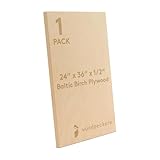
Plywood itself is a decent subfloor for gluing. It’s stable, readily available, and provides a good surface for the adhesive to grip. However, the quality of the plywood matters. You want good quality exterior-grade plywood, typically 3/4 inch thick, with no voids or delamination. If your plywood subfloor is questionable – maybe it’s old, has water damage, or is uneven – you’re asking for trouble. You’d be better off reinforcing it or even laying down a new layer of plywood before you even think about gluing down your bamboo. The foundation has to be solid, plain and simple.
What to Look for in Your Bamboo and Plywood
So, you’ve decided to go the glue-down route. Great. Now, let’s talk about what you’re actually gluing down and what you’re gluing it to. Not all bamboo flooring is created equal, and neither is all plywood. Getting this right from the start will save you a ton of headaches down the line.
First, the bamboo. You’re likely dealing with either solid bamboo or engineered bamboo. Solid bamboo is basically strips of bamboo laminated together. Engineered bamboo has a bamboo veneer on top of a core layer, often plywood or HDF. For glue-down applications, both can work, but you need to pay attention to the manufacturer’s recommendations. Some manufacturers specifically advise against glue-down for certain types of their bamboo, especially if it’s a very thin veneer or has a specific kind of interlocking system. Always, always check the installation guide that comes with your flooring. It’s your bible for this project.
The type of bamboo also matters. Strand-woven bamboo is ridiculously hard – almost like a rock. This density means it glues down beautifully, creating an incredibly durable surface. However, its hardness can also make it trickier to cut and work with, so have sharp blades ready. Natural bamboo, which is made by laminating strips parallel to each other, is a bit softer and can be more susceptible to dents and scratches if not cared for properly, but it still glues down well.
Now, the plywood subfloor. You want structural plywood, usually 3/4 inch thick. Avoid particleboard or OSB if you can, especially for glue-down. Plywood offers better stability and a more uniform surface for the adhesive. Look for CDX grade or better. Make sure it’s installed securely to the joists. If you can push down on a section and it flexes, it’s not ready for flooring. You might need to add blocking or screws to stiffen it up. Unevenness is another enemy. Any high spots will telegraph through the bamboo, creating an uneven surface that can lead to premature wear or damage. You’ll need to sand down high spots and fill low spots with a leveling compound. (See Also: Can A 4x8 Plywood Fit In A Honda Pilot )
Moisture is also a huge concern for both plywood and bamboo. If your subfloor is in a basement prone to dampness, or if you’re installing over concrete that hasn’t been properly sealed, gluing down bamboo is a recipe for disaster. The plywood will absorb moisture, swell, and potentially rot, and the glue bond will fail. You need a dry, stable subfloor. A moisture test on the plywood is a must, especially if it’s over a crawl space or concrete slab. If you’re unsure, err on the side of caution and get a professional opinion or invest in a good moisture barrier.
What Kind of Plywood Is Best for Flooring?
For gluing down flooring, structural plywood is your best bet. Aim for at least 3/4 inch thickness. Exterior-grade plywood is generally recommended because it uses waterproof glue, making it more resistant to delamination. Look for CDX or better grades, making sure there are no large voids or soft spots.
Choosing the Right Adhesive: Your Glue-Down Lifeline
This is where many DIYers, myself included at one point, tend to cut corners. And let me tell you, it’s a mistake you’ll regret every time you walk on your floor. The adhesive is literally holding everything together, so picking the wrong one is like building a house on a foundation of sand. For gluing bamboo real wood flooring to plywood, you need a specific type of adhesive, and it’s not the generic stuff you find at the big box stores.
The most common recommendation for glue-down bamboo is a high-performance, flexible, urethane-based flooring adhesive. Why urethane? Because it offers a superior bond, excellent flexibility to accommodate the natural expansion and contraction of wood and bamboo, and good moisture resistance. It’s also generally non-toxic once cured, which is a big plus if you have kids or pets.
When you’re shopping, look for adhesives specifically labeled for use with engineered or solid hardwood flooring, and importantly, that state they are suitable for bamboo. Some adhesives are designed for nail-down or floating floors, and they won’t provide the necessary grip or flexibility for a glue-down application. You’ll see terms like ‘full spread’ on the packaging, meaning you cover the entire subfloor with adhesive, not just in spots or lines.
Here’s a little tip I picked up: a lot of bamboo flooring manufacturers have their own branded adhesives or strongly recommend specific brands. While it might seem like they’re just trying to upsell you, following their recommendation is often the safest bet. They know their product best and have tested it with specific adhesives. If you deviate, and something goes wrong, they can easily point to your non-compliant adhesive choice as the reason for failure, voiding any warranty.
The application method also matters. These adhesives usually come in tubs and are spread using a notched trowel. The size and shape of the notches are important. Too shallow, and you won’t get enough coverage. Too deep, and you’ll have too much adhesive, which can ooze up between planks and create a mess that’s impossible to clean once it dries. The adhesive packaging will specify the correct trowel size. It’s usually a fairly fine-tooth trowel, but always check. I made the mistake of using a slightly too aggressive trowel on a small section once, and the bead of adhesive that squeezed up was a nightmare to deal with. It dried like concrete.
Adhesive Options for Bamboo Flooring
| Adhesive Type | Pros | Cons | Verdict |
|---|---|---|---|
| Urethane-Based Flooring Adhesive | Excellent bond strength, flexible, good moisture resistance, low VOCs when cured. | Can be more expensive, requires specific trowel. | Highly Recommended for glue-down bamboo. |
| Acoustic/Sound-Dampening Adhesives | Reduces impact noise, good bond. | Can be pricier, may have specific application requirements. | Good for upper floors or noisy areas. |
| Modified Silane Adhesives | Good flexibility, moisture tolerant, often low VOCs. | Can be less forgiving with application timing. | A solid alternative to urethane. |
| General Purpose Construction Adhesive | Widely available, relatively inexpensive. | Often too rigid, can be high VOCs, may not bond well long-term. | NOT Recommended for bamboo flooring. |
The Gluing Process: Step-by-Step
Alright, you’ve got your bamboo, your plywood is prepped, and you’ve got the right adhesive. Now comes the actual work. Don’t rush this. Take your time, read the adhesive instructions thoroughly, and work in manageable sections.
1. Preparation is Key: Make sure your plywood subfloor is clean, dry, smooth, and free of any dust, grease, or old adhesive. Sweep, vacuum, and if necessary, use a floor scraper to remove any contaminants. If there are any high spots, sand them down. Fill any low spots with a leveling compound and let it cure completely. Lightly scuff-sanding the plywood can also help with adhesion, especially if it’s very smooth.
2. Layout and Planning: Dry-lay a few rows of your bamboo flooring to determine your starting point and pattern. Decide on the direction of the planks – usually running parallel to the longest wall or the main light source. Mark a chalk line as a guide for your first row. Remember to account for expansion gaps around the perimeter of the room (usually 1/4 to 1/2 inch) using spacers.
3. Applying the Adhesive: Open the adhesive and stir it if recommended. Using the correct notched trowel specified by the adhesive manufacturer, spread a thin, even layer of adhesive onto a section of the subfloor. Work in a manageable area, typically about 50-100 square feet at a time, so the adhesive doesn’t start to skin over before you lay the flooring. Don’t spread too much; you want a consistent layer, not a puddle. (See Also: Can Bondo Be Applied To Plywood )
4. Laying the Planks: Immediately begin laying the bamboo planks into the wet adhesive. Start with your first row, pressing each plank firmly into the adhesive. Use a tapping block and mallet to gently tap the planks into place, making sure a tight fit between them. Stagger the end joints of the planks from row to row – a good rule of thumb is to offset them by at least 6 inches. This is important for structural integrity and aesthetics.
5. Working the Room: Continue spreading adhesive and laying planks row by row. As you lay each row, make sure it’s snug against the previous row and that the end joints are staggered. Periodically step on the planks to make sure they are making good contact with the adhesive. If any adhesive squeezes up between the planks, wipe it away immediately with a damp cloth. Dried adhesive is a pain in the rear.
6. Finishing Touches: Once the entire floor is laid, use a heavy roller (usually provided by the adhesive manufacturer or rentable) to roll over the entire floor. This makes sure maximum contact between the planks and the adhesive, compressing the adhesive layer and eliminating any air pockets. Let the adhesive cure for the time recommended by the manufacturer (usually 24-48 hours) before allowing foot traffic or placing heavy furniture.
Common Mistakes and How to Avoid Them
You’d think after a few flooring projects, you’d be immune to mistakes. Nope. The learning curve for flooring can be steep, and even with the best intentions, things can go sideways. When it comes to gluing bamboo real wood flooring to plywood, there are a few pitfalls that seem to trip people up time and time again. Understanding them beforehand is your best defense.
The most common mistake? Subfloor prep. I cannot stress this enough. People get eager to get the pretty floor down and skimp on making sure the plywood is absolutely perfect. High spots, low spots, dust, grit – all of these will compromise the bond and lead to an uneven, creaky floor. I once saw a job where the installer didn’t clean the subfloor properly, and within months, there were areas where the bamboo just peeled up because the adhesive couldn’t grip the dirt. It looked awful.
Another biggie is using the wrong adhesive. Like I said before, don’t just grab any old tube. Using a mastic or adhesive not designed for wood or bamboo flooring is a recipe for disaster. These adhesives might not be flexible enough, or they might not offer the strong, permanent bond you need. I’ve heard stories of people using standard tile mastic and having their bamboo warp or delaminate because the mastic wasn’t designed for the moisture levels or movement of wood-based products.
Underestimating the amount of adhesive needed is also a common error. It’s better to have a little too much that you can clean up than not enough, which leaves gaps. When you don’t spread enough adhesive, or you let it skin over, you create areas where the bamboo isn’t fully supported. This can lead to individual planks loosening, the finish wearing faster in those unsupported spots, or even breakage under heavy furniture.
Ignoring manufacturer instructions is practically a guarantee of failure. Every brand of flooring and adhesive has specific requirements. Not reading them, or thinking “I know better,” is a fast track to regret. This includes things like required acclimation time for the flooring, specific trowel sizes, cure times, and expansion gap requirements. I once had a friend who refused to wait the full 48 hours for his adhesive to cure. He moved furniture back in after 24 hours, and a few planks ended up with slight indentations that never fully recovered.
Finally, inadequate expansion gaps. Bamboo, like any wood product, expands and contracts with changes in temperature and humidity. If you don’t leave enough room around the perimeter of the room, walls, doorways, or cabinets, the floor will push against these obstacles. This pressure can cause buckling, cupping, or even cracking of the planks. Those little plastic spacers you use? They’re not optional; they’re key.
Common Mistakes When Gluing Bamboo Flooring
- Insufficient subfloor preparation (dirt, debris, unevenness).
- Using the wrong type of adhesive (not designed for wood/bamboo).
- Under-applying adhesive or letting it skin over.
- Ignoring manufacturer installation guidelines.
- Not leaving adequate expansion gaps around the room perimeter.
- Walking on or placing heavy items on the floor before adhesive has fully cured.
Real-World Use: My Experience and Tips
I’ve had a few different bamboo floors installed in my life, some glued, some floated. My current kitchen floor is a strand-woven bamboo that I painstakingly glued down myself over a good quality plywood subfloor. It’s been down for about five years now, and honestly, it’s held up like a champ. I’ve dropped pots, dragged chairs (accidentally, of course), and lived through a minor flood from a leaky dishwasher, and it’s still looking pretty darn good. That solid, secure feeling underfoot is something you just don’t get with a floating floor.
The key for me was the patience. I spent an entire weekend just prepping the subfloor. I checked for flatness with a long level, sanded down a few high spots, and vacuumed like my life depended on it. Then, I took my time laying the planks, making sure each one was seated properly. I worked in small sections, probably only 40 square feet at a time, so the adhesive stayed wet and sticky. Yeah, it took longer than if I’d floated it, but the result is worth it. I can tap on any part of the floor, and it sounds solid. No hollow thuds, no creaks. (See Also: Can Cat Plywood Be Used For Exterior Siding )
One thing I learned from a past disaster was the importance of having enough adhesive and spreading it evenly. I’d rather use a bit too much and clean up squeeze-out than not have full contact everywhere. For my kitchen floor, I bought one extra tub of adhesive, just in case. It was a relief to have it when I realized I was running a bit low on one section.
Another tip: don’t be afraid to enlist a helper. Laying flooring solo is doable, but having a second pair of hands to help place long planks, hand you tools, or clean up adhesive makes the process much smoother and faster. My buddy Dave helped me with the kitchen floor, and it made a huge difference. We’d lay a few rows, then take a break, strategize for the next section. It felt less like a chore and more like a project.
And for goodness sake, protect your newly glued floor. Once it’s down and cured, it’s tough, but not invincible to heavy impacts or sharp objects. Use felt pads on all furniture legs. When moving heavy items, use furniture sliders or even a piece of thick cardboard to protect the surface from scratches and dents. I learned this the hard way with a beautiful maple floor that got a nasty gouge from a refrigerator being dragged across it by movers who clearly didn’t know what they were doing. It still makes me wince thinking about it.
For those of you who are contemplating this project and feeling a bit intimidated, here’s my honest take: if you can handle a moderate DIY project, are patient, and willing to do the prep work, you can absolutely glue down bamboo flooring. It’s a rewarding process that results in a superior floor. If you’re really unsure or have a complex room layout, hiring a professional installer is always an option, and they’ll have the experience and tools to get it done right.
Faq: Your Burning Questions Answered
Can I Glue Bamboo Flooring Directly Over Concrete?
Generally, no, you cannot glue bamboo flooring directly over concrete without a proper subfloor in between, unless the manufacturer specifically states otherwise. Concrete can be prone to moisture issues, and gluing directly can trap moisture, leading to mold, mildew, and adhesive failure. You typically need to install a plywood subfloor over concrete first, making sure it’s properly leveled and a moisture barrier is in place.
How Much Adhesive Do I Need for Bamboo Flooring?
The amount of adhesive needed depends on the product coverage rate specified by the manufacturer, which is usually listed on the tub and in the technical data sheet. It’s typically measured in square feet per gallon. Always buy a little extra (around 10-15%) to account for waste, uneven subfloor, or potential mistakes during application. It’s better to have leftover adhesive than to run short mid-project.
What Is the Difference Between Floating and Glue-Down Bamboo Flooring?
Floating bamboo flooring is installed by interlocking the planks together and allowing them to move freely as a single unit over the subfloor, usually over an underlayment. Glue-down bamboo flooring is adhered directly to the subfloor using a specialized adhesive, creating a more permanent and solid connection. Glue-down typically offers a more solid feel and is less prone to noise and movement.
How Long Does It Take for Glued Bamboo Flooring to Cure?
The cure time for glued bamboo flooring varies depending on the adhesive used and environmental conditions (temperature and humidity). Most urethane-based adhesives require at least 24-48 hours of curing time before you can walk on the floor or place furniture on it. Always refer to the adhesive manufacturer’s instructions for the exact recommended cure time to make sure a proper bond.
Can I Reuse Bamboo Flooring If I Glue It Down?
It is extremely difficult to salvage glued-down bamboo flooring for reuse. The adhesive creates a very strong bond to the subfloor and the underside of the planks. When you try to pry them up, you will almost certainly damage the planks, making them unsuitable for reinstallation. Therefore, glue-down installations are generally considered permanent.
Conclusion
So, the short answer to ‘can bamboo real wood flooring be glued to plywood?’ is a resounding yes, provided you do it right. It’s not a shortcut, it’s a commitment to a more stable, solid floor. The prep work, the right adhesive, and careful installation are the trifecta that makes this method work beautifully.
Don’t let the fear of making a mistake hold you back. Take your time, read those instructions twice, and if you’re feeling overwhelmed, ask for help or hire a pro for the trickier parts. A well-glued bamboo floor is a beautiful, durable addition to any home.
If you’re eyeing a glue-down installation for your next project, remember the key takeaways: clean subfloor, quality adhesive, and patience. Your feet will thank you for it later.