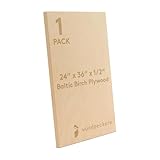
I remember staring at a stack of BCX plywood at the lumberyard, wondering if I was about to make a rookie mistake that would cost me dearly down the line. Everyone always talks about CDX for subfloors, and frankly, I’d never even seen BCX before. It looked decent enough, but in the world of building materials, ‘decent looking’ can be a fast track to squeaky floors and water damage.
So, can BCX plywood be used for subfloor? It’s a question that popped into my head when I was trying to source materials on a budget, and the answer isn’t as straightforward as you might think. It boils down to understanding what BCX actually is and what your subfloor demands.
Let’s cut through the noise and figure out if this particular grade of plywood is a solid choice or just another way to waste good money.
Bcx vs. Cdx: What’s the Actual Difference for Subflooring?
Okay, so you’re looking at plywood and wondering if that ‘BCX’ stamp means it’s a no-go for your subfloor. I’ve been there. The lumberyard can be a confusing place, and frankly, sometimes the guys behind the counter aren’t much help. They’ll shrug and say ‘yeah, it’s fine’ without explaining why or why not. When it comes to subfloors, ‘fine’ isn’t good enough. We’re talking about the literal foundation for your entire living space. It needs to be strong, stable, and resistant to moisture, especially in those inevitable kitchen spills or leaky bathroom moments.
So, let’s break down BCX and CDX, because that’s where the confusion usually starts. The letter grades refer to the veneer quality on each side of the plywood. For CDX, ‘C’ means you might see some knots, some veneer patches, and maybe even some rougher grain. It’s generally considered a utility grade. ‘D’ on the other side is even more forgiving – think larger knots, splits, and a generally rougher appearance. The ‘X’ signifies it’s rated for exterior use, meaning the glue holding it together is water-resistant. This is why CDX is the old reliable for subfloors – it’s tough enough, readily available, and the price is usually right.
Now, BCX. The ‘B’ veneer is where things get interesting.
It’s a much higher grade. You’ll see a smoother surface, fewer defects, and a more uniform look compared to ‘C’. It’s often sanded and looks pretty darn good, almost like a furniture-grade plywood, but it’s still structural. The ‘C’ side is similar to the ‘C’ in CDX, meaning it’s not perfectly smooth and might have some knots.
The ‘X’ again means it uses exterior glue. So, technically, BCX plywood has one side that’s a step up in appearance from the ‘C’ side of CDX, and the other side is comparable. The important part for subflooring is the exterior glue, which both grades share.
This means both should hold up reasonably well against moisture from the subfloor side, assuming you don’t drown it.
The key takeaway here is that for structural integrity and moisture resistance (thanks to the ‘X’ glue), both CDX and BCX are built to handle some abuse. The main difference is cosmetic on one side. If you’re planning on covering the subfloor with a good underlayment and then your finished flooring – like carpet, tile, or vinyl plank – that cosmetic difference on the ‘B’ side of BCX is largely irrelevant. It’s like paying extra for a fancy car interior when you’re always going to be wearing muddy boots.
Structural Integrity and Moisture Resistance: The Real Concerns
When we talk about using any plywood for a subfloor, two things are absolutely most important: it needs to be strong enough to not flex or creak underfoot, and it needs to handle any moisture it might encounter. This is where I’ve seen people get tripped up, myself included. Years ago, I tried to save a buck on some cheap particle board for a small utility room floor. Big mistake. Within a year, it started to swell and sag in the corners where a leaky pipe had dripped. It looked like a topographical map and felt like walking on a waterbed. That’s a lesson you don’t forget.
So, how does BCX stack up? The ‘B’ veneer on one side of BCX plywood is generally tighter-grained and less prone to surface damage than the ‘C’ veneer found on both sides of CDX. (See Also: Can A 4x8 Plywood Fit In A Honda Pilot )
This can translate to a slightly more stable panel overall, meaning less chance of surface imperfections showing through your finished flooring, even with an underlayment. The ‘X’ in BCX, just like in CDX, is the real hero for subflooring. It means the adhesive used is rated for exterior exposure, which is important because your subfloor is constantly exposed to potential moisture from below – things like humidity from a crawl space, condensation, or even minor leaks. This exterior-grade glue is designed to resist delamination, or separating, when exposed to moisture, which is exactly what you want to prevent a soggy, collapsing mess.
Now, let’s talk about thickness. Whether you’re using BCX or CDX, the thickness matters. For most residential subfloors, 5/8-inch or 3/4-inch thick plywood is standard. Thicker is generally better for preventing flex and squeaks, especially over wider joist spacing. Many builders opt for 3/4-inch tongue-and-groove panels, which interlock for a tighter, more stable surface. BCX plywood is available in these standard thicknesses, so you can absolutely find it in sizes suitable for a solid subfloor.
My own experience has taught me that while the ‘B’ veneer is nice, the real performance comes from the panel’s thickness, the spacing of your floor joists (typically 16 inches on center for standard subflooring), and that important ‘X’ rating for moisture resistance. If you get BCX in the right thickness and install it properly over well-spaced joists, it will perform structurally. The question then becomes, are you paying a premium for that ‘B’ veneer that you’ll likely never see?
Installation Tips and Common Pitfalls to Avoid
Putting down a subfloor isn’t rocket science, but it’s definitely a job where attention to detail pays off. Mess this up, and you’ll be hearing about it every time you walk across the floor for the life of the house. I’ve seen contractors rush this, and the results are always the same: squeaks, pops, and sometimes even the dreaded ‘soft spot’ that makes you question the whole house’s integrity. So, let’s talk about doing it right, whether you’re using BCX or something else.
First off, acclimate the plywood. Don’t just yank it off the truck and start screwing it down, especially if it’s been sitting in the rain or in a super humid environment. Let it sit in the room where it’s going to be installed for at least 24-48 hours. This allows it to adjust to the ambient temperature and humidity, reducing the chance of expansion or contraction after it’s down. This is a small step that makes a huge difference in preventing nail pops and gaps later.
Next, the adhesive. This is a must. You absolutely MUST use a subfloor adhesive. Most builders use a construction adhesive specifically designed for subfloors. You run a bead of this stuff on top of the floor joists before laying down each panel. It glues the plywood to the joists, creating a solid, monolithic surface and significantly reducing squeaks. Don’t skimp here. I once worked with a guy who thought he could skip the adhesive on a small patch job to save time. Every step in that room sounded like a goose honking.
When it comes to fastening, use the right screws. Subfloor screws are designed to grip and hold without backing out. Nails can sometimes pop loose over time.
Space your screws about 6 inches apart along the edges and 10-12 inches in the field (the middle of the panel). Stagger your panels so the seams don’t line up, creating a stronger, more stable floor. If you’re using tongue-and-groove plywood, make sure the tongue and groove fit snugly. Sometimes, you need to tap them in with a scrap piece of plywood and a hammer – don’t force it too hard, but make sure a tight fit.
If you notice any gaps larger than a credit card, that’s a problem. You can sometimes fill small gaps with wood filler or even sawdust mixed with glue, but large gaps are a sign of an installation issue that needs fixing before the next layer goes down.
A common mistake is not checking for square. Before you start laying panels, make sure your joists are laid out square. If they aren’t, your plywood won’t lay down properly, and you’ll end up with gaps and stress points. Also, be mindful of expansion gaps around the perimeter of the room, especially if you’re installing hardwood flooring later. Most finished flooring needs a small gap to expand and contract. Check the flooring manufacturer’s recommendations.
Bcx Plywood: When Does It Make Sense?
So, after all this talk about grades and moisture resistance, when does it actually make sense to choose BCX plywood for your subfloor? Honestly, it comes down to a few factors: availability, price, and your personal aesthetic standards, even if they’re hidden. If you can get BCX at a price that’s comparable to CDX, and you want that slightly smoother surface on the exposed side for whatever reason (maybe you’re only laying down a thin sheet vinyl and don’t want any texture to telegraph), then go for it. The ‘B’ veneer offers a cleaner look, and the ‘X’ glue provides the necessary moisture resistance. (See Also: Can Bondo Be Applied To Plywood )
Let’s consider a scenario. You’re renovating an older home, and some of the subfloor is exposed in a basement area that you’re finishing into a workshop. You want it to look decent, not just functional. In this case, using BCX could be a good choice. The ‘B’ side will present a much cleaner, more appealing surface than a ‘C’ or ‘D’ side would, especially if you’re going to paint or seal it. You still get the structural support and moisture resistance from the ‘X’ glue, but with an added cosmetic benefit that CDX simply doesn’t offer on its ‘C’ or ‘D’ sides.
Another instance where BCX might be considered is if you’re working on a specific project where the manufacturer or architect has specified it. While less common for subflooring, sometimes specific projects have material requirements that might include BCX for its consistent face veneer. If it’s specified, and you can source it, then it’s a clear path.
However, for the vast majority of standard subflooring applications – where the subfloor is completely covered by carpet, tile, laminate, or hardwood – the ‘B’ veneer of BCX is overkill. You’re paying for a cosmetic feature that will never be seen. CDX plywood, when installed correctly with proper adhesive and fasteners, performs identically in terms of structural strength and moisture resistance for these applications. The ‘C’ veneer is perfectly adequate for a subfloor base.
My honest opinion? Unless there’s a significant price difference or a specific aesthetic requirement for a visible subfloor, the extra cost for the ‘B’ veneer on BCX is generally not justified for subflooring. You’re often better off putting that money into higher-quality fasteners, better adhesive, or even a premium underlayment if you’re aiming for top-tier performance.
Can Bcx Plywood Be Used for Subfloor? A Practical Verdict
After years of wrestling with lumber and dealing with the consequences of questionable material choices, I’ve landed on a pretty firm opinion about BCX plywood for subflooring. Yes, can BCX plywood be used for subfloor? Technically, yes. The ‘X’ rating means it has exterior glue, which is important for moisture resistance, and it’s structurally sound enough, especially in thicker grades like 3/4 inch. The ‘B’ veneer is a higher quality face than you’ll find on CDX, meaning it’s smoother and has fewer defects.
However, and this is a big ‘however,’ for most typical subflooring applications, it’s often a case of paying for features you don’t need. The primary job of a subfloor is to provide a stable, structural base that can withstand foot traffic and resist moisture from below. CDX plywood, when installed correctly with adhesive and screws, does this job perfectly well. The ‘C’ and ‘D’ veneers, while less attractive, don’t compromise the structural integrity or moisture resistance of the panel in this hidden application.
Think of it like buying a fancy suit for a job where you’re always going to wear a hazmat suit over it. The fancy suit might look great, but it’s completely hidden and its aesthetic appeal is wasted. You’re better off investing in a good quality, durable hazmat suit. In this analogy, CDX is the practical hazmat suit, and BCX is the slightly nicer suit underneath that no one will ever see.
Where BCX might make sense is if you have an exposed subfloor area that you intend to finish, paint, or seal directly, and you want a cleaner, more aesthetically pleasing surface without the blemishes common on ‘C’ or ‘D’ grades. Or, if by some chance, the price difference between BCX and CDX is negligible in your area, then there’s no real downside to using the slightly superior face veneer.
My personal rule of thumb? If the subfloor will be fully covered by finished flooring, I’ll stick with CDX unless BCX is on a significant sale or readily available. The money saved can be better spent on quality subfloor adhesive, the right screws, or a good underlayment, all of which contribute more to the longevity and comfort of your floor than a ‘B’ grade veneer.
The Great Plywood Debate: Comparing Subfloor Options
Let’s lay it all out in black and white. When it comes to choosing subfloor material, the options can seem endless, but for plywood, it often boils down to grades like BCX and CDX. I’ve spent more time than I care to admit staring at these panels, trying to justify the cost difference. Here’s a breakdown of how they stack up for subflooring, with my two cents thrown in.
The fundamental difference, as we’ve discussed, is the veneer quality. ‘B’ veneer is smooth, with very few defects. ‘C’ veneer can have knots, patches, and some roughness. ‘D’ veneer is the roughest. The ‘X’ means exterior glue, which is a must for subfloors. So, for our purposes, the comparison is mainly between the ‘B’ vs. ‘C’ face. Thickness and joist spacing are important variables that apply regardless of the plywood grade. We’ll assume standard 16-inch joist spacing and a 3/4-inch thickness for this comparison, as these are common for a solid subfloor. (See Also: Can Cat Plywood Be Used For Exterior Siding )
Here’s a table to make it clearer:
| Feature | BCX Plywood (3/4 inch) | CDX Plywood (3/4 inch) | My Verdict |
|---|---|---|---|
| Face Veneer (Front) | B – Smooth, few defects | C – Knots, patches, rougher | B is nicer, but C is fine under flooring. |
| Back Veneer | C – Knots, patches, rougher | D – Most defects, rough | Doesn’t matter when covered. |
| Glue Bond | Exterior (‘X’) | Exterior (‘X’) | Both are suitable for moisture. |
| Structural Strength | Excellent | Excellent | Both perform well at 3/4 inch. |
| Moisture Resistance | Good (due to ‘X’ glue) | Good (due to ‘X’ glue) | Equal performers here. |
| Price | Typically Higher | Typically Lower | CDX wins on cost-effectiveness. |
| Aesthetic (Visible) | Good for painted/sealed subfloors | Poor for painted/sealed subfloors | BCX is superior if visible. |
| Overall Suitability for Subfloor (Covered) | Very Good | Excellent | CDX is the practical workhorse. |
So, when you boil it down, if your subfloor is going to be completely hidden beneath other flooring materials, there’s little practical advantage to choosing BCX over CDX. The ‘B’ grade is purely cosmetic. You’re basically paying more for a smoother surface that no one will ever see. The structural integrity and moisture resistance are comparable, thanks to the ‘X’ glue. I’ve seen plenty of homes with CDX subfloors that have lasted for decades without a single issue, provided they were installed correctly.
The common advice is that CDX is the standard for a reason – it’s a good balance of cost and performance. BCX is a step up, but for a subfloor, that step is usually unnecessary. If you’re on a tight budget, or just want the most bang for your buck on materials that will be covered, CDX is the way to go. If you’re finishing an area where the subfloor itself will be the finished surface, or if you’re a perfectionist who wants the absolute smoothest base possible, BCX might be worth the extra cost. Just don’t let anyone tell you that BCX is required for a good subfloor – it’s usually just a nicer option.
Can Bcx Plywood Be Used for Subfloor? Faq
Is Bcx Plywood Strong Enough for a Subfloor?
Yes, BCX plywood is generally strong enough for a subfloor. It’s available in thicknesses like 3/4 inch, which provides excellent structural support when installed over standard joist spacing. The ‘B’ and ‘C’ veneers offer good panel integrity, and the important ‘X’ rating makes sure it uses exterior glue, making it resistant to delamination from moisture.
What Is the Difference Between Bcx and Cdx Plywood for Subflooring?
The main difference is the quality of the face veneer. BCX has a ‘B’ grade face (smoother, fewer defects) and a ‘C’ grade back, while CDX has ‘C’ grade on both sides. Both have an ‘X’ rating, meaning they use water-resistant exterior glue, which is the important factor for subflooring. For a subfloor that will be covered, the cosmetic difference of BCX is usually not worth the extra cost.
Can I Use Bcx Plywood If I Plan to Paint My Subfloor?
Absolutely. If you intend to paint or seal your subfloor as the finished surface, BCX plywood is a good choice. The ‘B’ grade veneer provides a smoother, more uniform surface than CDX, which will look much better once painted or sealed, with fewer imperfections showing through.
What Are the Risks of Using Bcx Plywood for Subflooring?
The primary risk isn’t with the BCX plywood itself, but with improper installation. Like any plywood, it can be susceptible to moisture damage if exposed to significant water over time, though the ‘X’ glue helps mitigate this. The real risks come from poor installation, such as insufficient adhesive, improper fastening, or not accounting for expansion, which can lead to squeaks, warpage, or even structural failure, regardless of the plywood grade used.
Final Verdict
So, to circle back to the big question: can BCX plywood be used for subfloor? The short answer is a resounding yes, but with a big asterisk. It’s structurally sound, it’s got the moisture-resistant glue you need, and it’s available in the right thicknesses. For a truly hidden subfloor, though, it’s often more than you need and you might be spending extra for looks you’ll never see.
My go-to for a subfloor that’s destined to be covered is still CDX. It’s the workhorse for a reason – it gets the job done reliably and cost-effectively. If you’re building a workshop in the basement and want a cleaner look for the subfloor itself, or if you find BCX at a price that makes sense, then by all means, go for it. Just make sure you’re not overpaying for features that will be buried under layers of flooring.
Ultimately, the best subfloor is a properly installed one. Good adhesive, the right fasteners, and attention to detail will serve you far better than obsessing over the ‘B’ veneer versus the ‘C’ veneer. So, weigh your options, consider your budget, and remember what really matters when it comes to building a solid floor.