I remember the first time I saw someone spray stain onto a deck. Seemed like magic. Then I tried it myself with a cheap paint sprayer, and let’s just say my deck looked like a Rorschach test. It got me thinking: can beyond paint be sprayed? And more importantly, should you even try it?
The world of sprayers is way bigger than just latex and primer. You can coat furniture, apply sealants, even mist plants. But jumping in without knowing the right tool for the job is a recipe for a sticky, uneven mess. Forget the glossy brochures; let’s talk about what actually works and what’s just a waste of your cash and sanity.
Spraying More Than Just Your Walls: What Actually Works
Look, most people think sprayers are just for house paint. And yeah, that’s a huge chunk of it. But the technology has come a long way, and the nozzles, pressure settings, and fluid formulas mean you can spray a surprising amount of stuff. Think wood stains, sealers, even some thicker concrete coatings. The key is viscosity – how thick the liquid is. Paint is designed to be sprayed, and so are many wood finishes. Thicker stuff, like drywall mud or some epoxy coatings, needs specialized, high-pressure units, often with a hopper instead of a cup. For everyday DIY stuff, though, if it pours reasonably well, there’s a good chance you can spray it with the right setup.
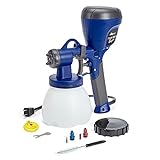
I’ve personally used a decent HVLP (High Volume, Low Pressure) sprayer for furniture restoration and it was a revelation compared to brushing. The finish was so much smoother.
Then there was the time I tried to spray a deck sealer with a repurposed car detailing sprayer. Big mistake. It clogged instantly. The lesson learned?
Not all sprayers are created equal, and neither are the liquids you’re trying to spray. You need to match the sprayer’s capability to the material’s thickness and the type of finish you’re after. For woodworking, fine finishes are the goal, and that means a sprayer that can atomize the material into a fine mist.
For something like a concrete sealer, you might want a wider, more solid spray pattern.
One of the biggest gotchas is cleaning. If you’re spraying something that dries fast or is solvent-based, you’ve got to clean that sprayer immediately. I learned this the hard way with a polyurethane finish. I got distracted for maybe twenty minutes, came back, and the sprayer was mostly seized up. Took me an hour of soaking and poking with a tiny wire to get it usable again. Seriously, factor in cleaning time. It’s not optional, especially with anything other than water-based latex. You might need specific cleaning solutions, depending on what you’ve sprayed, which adds to the cost and complexity.
Choosing the Right Gun for the Job: Beyond the Basic Paint Sprayer
This is where most folks trip up. They buy one sprayer and think it’ll do everything. Wrong. There are fundamentally different types of sprayers, and each excels at different tasks. For delicate finishes like furniture or cabinets, an HVLP sprayer is usually the go-to. It uses a lower pressure, which means less overspray and a finer, more controlled finish. You’re not blasting the material onto the surface; you’re gently laying it down. This is what gives you that glass-smooth look without endless sanding.
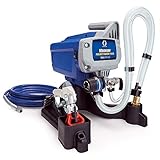
Then you have airless sprayers. These are beasts. They use high pressure to force the material through the nozzle. They’re fast, and they’re great for big, flat surfaces like walls or fences. (See Also: Can Craft Foam Be Spray Painted )
But they lay down a thicker coat and create a lot more overspray, so you’ll be doing a lot more masking. If you’re trying to spray something thicker, like a deck stain or a heavier-bodied sealant, an airless is often the way to go. They can handle materials that would clog an HVLP. I’ve used a Graco Magnum X5 airless sprayer for fencing and it chewed through the job in a fraction of the time it would have taken with a brush or roller, but man, the masking tape bill was significant.
For very specific, smaller jobs, or for materials that are really thin, you might look at something like a detail sprayer or even a garden sprayer modified for your needs. But tread carefully there. Garden sprayers aren’t built for many chemicals and can degrade quickly. For the average DIYer wanting to spray beyond paint, I’d recommend sticking to dedicated HVLP or airless systems. And always check the manufacturer’s specs for the sprayer to see what materials it’s rated for. Don’t guess.
Sprayer Type Comparison: What to Look For
| Sprayer Type | Best For | Pros | Cons | My Verdict |
|---|---|---|---|---|
| HVLP | Furniture, cabinets, fine finishes | Low overspray, smooth finish, precise control | Slower for large areas, can struggle with thick materials | My go-to for anything requiring a show-quality finish. Worth the investment. |
| Airless | Walls, fences, decks, large areas | Fast, handles thick materials well, good for big jobs | High overspray, requires significant masking, can be overkill for small projects | Great for speed and scale, but not for detailed work. Masking is a pain. |
| Standard Garden/Pump Sprayer (Modified) | Very thin liquids, pest control, light sealers (with caution) | Cheap, readily available | Not designed for many chemicals, poor control, short lifespan, potential for contamination | Avoid for anything valuable. Only use if you accept it’s disposable. |
The Nitty-Gritty: Preparing Your Materials for Spraying
This is where 90% of spraying success or failure happens before you even pull the trigger. The biggest hurdle is viscosity. Most sprayers come with a viscosity cup – a little metal cup with a hole in the bottom. You fill it with your material, time how long it takes to drain, and compare it to the manufacturer’s recommendation for that specific nozzle. If it’s too thick, it won’t atomize properly, and you’ll get splatters and runs. If it’s too thin, it might just run off the surface.
Paint is usually formulated to be sprayed right out of the can, but even then, some brands are thicker than others. Stains and sealers can vary wildly. Some are thin as water, others are practically gel. You might need to thin them with the recommended reducer or solvent. This is important. Using the wrong thinner or too much can ruin the coating’s integrity. For instance, thinning oil-based polyurethane too much can weaken its protective qualities. Always, always check the product’s technical data sheet or the sprayer manual for thinning ratios.
Straining is another step people skip, and it’s a dumb mistake. Even new paint cans can have dried bits or gunk in them. These will clog your nozzle faster than you can say “sanding block.” Get a paint strainer – they’re cheap mesh bags that fit over your paint can. Pour your material through it before it goes into the sprayer.
I learned this on a project where I was spraying a semi-transparent stain. I skipped straining because the can looked clean.
Halfway through, I got a big clod in the spray pattern, ruining a perfectly good section of fence. Another hour of patching and re-spraying. Don’t be me; strain your material.
It’s a simple step that saves a ton of headaches.
Common Mistakes That Turn Your Project Into a Disaster
Alright, let’s talk about what goes wrong. Number one: not thinning enough, or thinning too much. I’ve already covered this, but it bears repeating because it’s that common. If your material isn’t the right viscosity, you’re fighting a losing battle. Number two: wrong nozzle size. Every sprayer and every material has an ideal nozzle. Too small, and you won’t get enough flow. Too big, and you’ll get too much material and runs. It’s like trying to drink a milkshake through a coffee stirrer. (See Also: Can Aluminum Be Spray Painted )
Number three: wrong pressure. For HVLP, you want enough pressure to atomize but not so much that you’re blowing the finish away. For airless, you need enough pressure to get a clean fan pattern, but cranking it to max just wastes power and increases overspray. You’ll often see recommended pressure ranges for different nozzle sizes. Follow them. Number four: inconsistent movement. When you’re spraying, you need to move your arm at a steady speed, keeping the sprayer perpendicular to the surface. Starting and stopping your spray pattern mid-air or changing speed will lead to thick and thin spots, drips, and an uneven finish. Think of it like a very fast, controlled sweep.
My own epic fail involved all of the above. I was trying to spray a water-based varnish on some cabinets, thinking my HVLP would be perfect.
I didn’t thin it enough. I used a nozzle that was a bit too small. I set the pressure too high for the material, trying to force it.
And my arm movement was jerky. The result was a bubbly, patchy mess with runs and dry spots. It looked like a beginner’s first attempt, which, I guess, it was. I ended up having to sand the whole lot down and start over, this time following the instructions exactly.
It took twice as long, but the finish was night and day. A humbling experience, for sure.
Real-World Uses: What Can You Actually Spray Beyond Paint?
This is where the fun starts. Beyond walls and ceilings, the applications are vast if you have the right gear. Wood furniture and cabinets are prime candidates. A good HVLP sprayer can lay down lacquer, enamel, or even oil-based finishes with a smoothness that brushing or rolling just can’t match. The time saved on sanding between coats alone is often worth the sprayer’s cost. I’ve sprayed polyurethane on tabletops and got a mirror-like finish without any brush marks. It’s incredible.
Fences and decks are another big one, usually handled by airless sprayers. Stains, solid stains, and sealers can be applied much faster than with a brush. You still need to back-brush some stains to make sure penetration, but the initial application is a breeze. For DIYers, this can save a weekend. I’ve also seen people successfully spray concrete sealers on garage floors and patios. These are often thicker, and you need a sprayer that can handle that viscosity and the potential abrasion. Some specialized concrete sprayers exist, but some heavy-duty airless units can also do the job if the material is compatible.
What about less common things? Some people spray plaster or textured finishes onto walls for decorative effects, though this usually requires very specific hopper guns or texture sprayers. Automotive paints, of course, are sprayed, but that’s a whole different ballgame with specialized equipment and safety precautions. Even some roof coatings or driveway sealers can be sprayed, again, with industrial-grade equipment. For the average homeowner, though, think furniture, cabinets, decks, fences, and maybe even some types of exterior wood siding. The key is always checking the material’s compatibility with your sprayer and its viscosity.
A Quick Look at Lsi Keywords
When considering what can beyond paint be sprayed, think about interior wood stain. It’s a perfect candidate for an HVLP sprayer, giving a consistent, smooth finish on trim, doors, or furniture without the brush strokes you’d get with a brush. Another area is exterior wood sealer. While some sealers are thin enough for a pump sprayer, a good airless sprayer can apply thicker formulations more evenly and quickly to decks or fences. Lastly, for those tackling DIY cabinet refacing, spraying water-based enamel offers a factory-like finish that’s hard to achieve any other way. (See Also: Can Bug Spray Damage Car Paint )
Practical Tips and Safety First
Let’s get real about safety. When you spray anything, especially solvent-based products, ventilation is a must. Work in a well-ventilated area, ideally outdoors or in a garage with the door wide open. Wear a respirator – not just a dust mask. Solvents and fine particles get into your lungs, and that’s bad news long-term. I learned this when I sprayed some lacquer indoors without adequate protection. I had a headache for two days. Invest in a good respirator with organic vapor cartridges.
Eye protection is also a must. Overspray can go anywhere. Safety glasses are the minimum, but goggles are better. And gloves, of course, especially if you’re handling solvents or anything that can stain or irritate your skin. For larger jobs, consider covering everything you don’t want sprayed. Masking tape, plastic sheeting, and drop cloths are your best friends. Overspray can travel further than you think. I once sprayed a fence and found little flecks of stain on my car parked 30 feet away. That taught me to always overestimate masking needs.
Finally, practice. Before you hit your main project, test your sprayer on scrap material. Get a feel for the trigger, the speed of your movement, and how the material lays down. Adjust your pressure and nozzle as needed. This initial setup and practice run will save you a ton of grief and potentially expensive mistakes. And always, always read the instructions for both the material you’re spraying and the sprayer itself. Don’t assume you know better.
Frequently Asked Questions About Spraying Materials
Can I Spray Polyurethane with a Paint Sprayer?
Yes, you can often spray polyurethane, but it depends on the type of sprayer and the polyurethane. Oil-based polyurethanes are generally thicker and may require an airless sprayer or an HVLP sprayer with a larger nozzle and potentially thinning. Water-based polyurethanes are usually thinner and more amenable to HVLP sprayers. Always check the product’s viscosity recommendations and your sprayer’s capabilities. Thinning might be necessary, but do so according to the manufacturer’s instructions.
What Kind of Sprayer Do I Need for Deck Stain?
For deck stain, an airless sprayer is usually the best choice. They provide the high pressure needed to apply thicker stains quickly and evenly over large areas like decks and fences. While some thinner, more watery deck stains might be sprayable with a high-output HVLP, an airless will be more efficient and handle a wider range of deck coating viscosities. Remember to still back-brush if recommended by the stain manufacturer to make sure deep penetration.
Can You Spray Wood Oil Finishes?
Yes, wood oil finishes, like Tung oil or Danish oil, can be sprayed. These are typically quite thin and atomize well with HVLP sprayers. Be mindful of their flash points if they contain solvents. The benefit of spraying is a very thin, even coat that penetrates the wood, which is ideal for oil finishes. You’ll still want to wipe off any excess oil after a short period, as you would with brush application.
Is It Possible to Spray Concrete Sealer?
It is absolutely possible to spray concrete sealer, but you need the right equipment. Many concrete sealers are thicker than paint and require a sprayer capable of handling those viscosities, often an airless sprayer with a large tip. Some concrete sealers are specifically formulated for pump sprayers, but for larger areas or more professional results, an airless sprayer is often preferred. Always check the sealer manufacturer’s recommendations for application methods and equipment.
Conclusion
So, can beyond paint be sprayed? The answer is a resounding yes, but with caveats. You’re not going to spray motor oil or thick mud with a standard paint sprayer, but anything from thin wood oils to thicker deck stains and enamels is fair game, provided you have the right tool for the job and prepare your materials correctly.
Don’t be afraid to experiment, but do it wisely. Start with scrap material. Invest in decent equipment; the cheap stuff will only frustrate you. And for goodness sake, pay attention to thinning ratios and nozzle sizes. They’re not suggestions; they’re the difference between a professional finish and a costly mess.
If you’re looking to improve the finish on your furniture or tackle a large fencing project faster, exploring what can beyond paint be sprayed with the right sprayer might just be your next smart DIY move. Just remember that prep and patience are your best friends in this game.