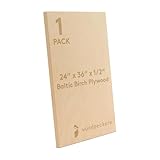
I remember staring at a stack of pristine birch plywood, ready to build a custom bookshelf. My brain immediately went to paint – a nice, clean white to match the room. I figured, heck, it’s wood, right? How hard can it be? Turns out, really hard if you don’t know what you’re doing. I learned that the hard way, ending up with a finish that looked like a toddler attacked it with a sponge. So, can birch plywood be painted? The short answer is yes, but it’s not always the straightforward process people make it out to be. There are definitely nuances.
This stuff isn’t just cheap particle board; it’s got layers, and those layers can make for some frustrating surprises if you skip the prep. I’ve messed this up enough times to have a pretty solid opinion on what actually works and what’s just chasing a smooth, factory-like finish that might not be achievable or even necessary for your project.
Why I Almost Gave Up on Painting Plywood
Look, I’m not trying to be a Debbie Downer, but let’s get real. When I first started dabbling in DIY projects, I thought painting plywood was pretty much a no-brainer. Grab some primer, slap on some paint, done.
My first attempt involved some cheap cabinet doors I was repurposing. I figured, hey, it’s just a utility closet, who’s going to notice? Famous last words.
I didn’t sand properly. I used a primer that probably cost less than my morning coffee.
The result? A patchy, streaky mess where the wood grain was still glaring through in some spots, and the paint was peeling in others after just a few weeks. It looked worse than before.
I ended up having to strip the whole thing and start over, which, let me tell you, is a special kind of hell when you’ve used the wrong type of paint remover and made a sticky, gummy disaster zone. That’s when I realized that just asking ‘can birch plywood be painted?’ isn’t enough; you need to know the how and the why behind it.
The real issue with many plywoods, birch included, is the glue. Manufacturers use strong adhesives to bind those thin plies together, and some of them can react poorly with certain primers or paints, causing blotchiness or adhesion problems. The birch itself has a fine, consistent grain, which is usually a good thing for painting, but those glue lines and the occasional small knot or filler spot can really mess with your smooth finish if you’re not prepared. I’ve seen people try to get a glass-smooth finish on plywood and end up spending more time and money on it than if they’d just bought solid wood or a higher-grade material. It’s about managing expectations and understanding the material’s quirks.
The Dirt on Plywood Grades and How They Affect Painting
Not all birch plywood is created equal, and this is where a lot of folks get tripped up before they even pick up a paintbrush. You’ve got your grades, typically labeled with letters like A, B, C, and D.
An ‘A’ grade means it’s pretty darn smooth on both sides, minimal defects, and generally the best for a paint finish. An ‘A-B’ means one side is A-grade, the other is B-grade (still pretty good).
As you go down the alphabet, the veneer quality drops. ‘C’ grade might have more visible imperfections, filler, and perhaps some rough patches. ‘D’ grade is usually the roughest, with potential for open knots and a less uniform surface.
So, if you’re aiming for that showroom-perfect painted look, you’re going to want to spring for at least an A-B grade, preferably A-A, especially for the visible surfaces of your project. (See Also: Can A 4x8 Plywood Fit In A Honda Pilot )
I once tried to paint a shelf unit made from what I thought was decent plywood, but it turned out to be a C-C grade. It was fine for structural stuff, but man, trying to get paint to stick and look decent was a nightmare. There were tiny voids and inconsistencies that just drank primer unevenly, and the grain pattern was so prominent, it bled through even after multiple coats.
It ended up looking like a really cheap, poorly painted piece of furniture. For projects where the wood surface will be highly visible and you want a smooth, professional finish, using a higher grade of birch plywood is worth every penny. If it’s something that’s going to be hidden, or you’re going for a more rustic, intentionally imperfect look, then a lower grade might be perfectly acceptable, but you still need to prep it right.
| Plywood Grade | Typical Appearance | Best For Painting? | My Verdict |
|---|---|---|---|
| A-A / A-B | Smooth veneer, minimal defects, nice grain. | Excellent. Best for smooth, flawless finishes. | This is your go-to if you want it to look like it came from a factory. Worth the splurge. |
| B-B | Some minor defects, occasional filler, but generally solid. | Good. Can work, but may require more prep. | Decent for projects where a perfectly smooth finish isn’t 100% important. Be prepared for a little extra sanding. |
| C-C / D-D | Rougher surface, more noticeable defects, knots, filler. | Poor. Very difficult to achieve a smooth finish. | Avoid if you want a smooth paint job. Fine for shop furniture or hidden parts, but don’t expect miracles. |
The Only Way to Properly Prep Birch Plywood for Paint
Okay, so you’ve got your good quality birch plywood, you’re ready to paint, and you’re thinking, ‘How hard can it be? Just slap on some primer!’ Stop right there. This is where most people, myself included early on, stumble.
Proper prep is the absolute backbone of a good paint job on plywood. You cannot skip steps here and expect decent results.
First up: sanding. You need to sand the entire surface. I’m not talking about a quick once-over. Start with a medium grit (like 120-150) to knock down any fuzzies and even out the surface.
Then, go over it with a finer grit (like 220) to get it nice and smooth. Your goal is to create a uniform surface that the primer can really grab onto. Pay attention to those edge banding seams if you’ve added any – they need to be flush and smooth.
After sanding, you must clean off all the dust. A shop vac with a brush attachment is your best friend here, followed by a tack cloth.
Seriously, don’t just wipe it with a dry rag. The dust is invisible and will ruin your paint job. Next, the primer. This is NOT the place to skimp.
You need a good quality primer specifically designed for wood or for cabinetry. My personal favorite for this situation is an oil-based or shellac-based primer. They are fantastic at blocking wood tannins and any potential glue bleed-through, which is a common problem with plywood. Apply one or two thin, even coats, letting each dry completely.
Then, and this is key for that super smooth finish, lightly sand again with a very fine grit (320 or higher) after the primer is dry. Wipe down with a tack cloth again. This second light sanding smooths out any raised grain or imperfections the primer may have highlighted.
I learned this lesson after a project where I only primed once and didn’t sand between coats. The paint looked okay at first, but over time, I could see tiny bumps and an uneven texture that drove me nuts. It was like the wood grain had puffed up slightly under the paint. Going back and doing that light sanding after the primer makes a world of difference. It’s an extra step, sure, but it’s the difference between a amateur-looking finish and something that looks professionally done. I spend about 20 minutes per door or panel on this final sanding and cleaning, and it always pays off. (See Also: Can Bondo Be Applied To Plywood )
People Also Ask: Can Birch Plywood Be Painted?
Is Birch Plywood Good for Painting?
Yes, birch plywood is generally considered good for painting, especially higher grades like A-A or A-B. Its fine, consistent grain and smooth surface make it an excellent candidate for a smooth, professional paint finish. However, proper preparation is absolutely important to avoid issues like grain bleed-through or adhesion problems. Always start with sanding, use a quality primer, and consider a light sanding between primer and paint coats.
Do I Need to Prime Birch Plywood Before Painting?
Absolutely, yes. Priming birch plywood before painting is a must if you want a durable and attractive finish. A good quality primer seals the wood, prevents tannins and glue from bleeding through the paint, and provides a uniform surface for the paint to adhere to. Skipping primer is a recipe for peeling paint and an uneven appearance. I recommend an oil-based or shellac-based primer for the best results.
What Kind of Paint Should I Use on Birch Plywood?
For birch plywood, latex or acrylic paints are common choices for the top coat, especially if you’ve properly primed. However, the best type of paint depends on the finish you desire and the intended use of the project. For high-traffic areas or furniture, a durable enamel or cabinet paint will hold up better to wear and tear. Always make sure your primer is compatible with your chosen topcoat. For that super smooth finish, multiple thin coats of paint are better than one thick one.
My Contrarian Take: You Don’t always Need a Flawless Finish
Here’s where I might ruffle some feathers. Everyone talks about getting that glass-smooth, furniture-grade finish on painted plywood. And sure, if you’re building a high-end piece of furniture that will be the centerpiece of your living room, go for it. Spend the extra hours sanding, use the fancy primer, apply multiple thin coats of paint, and lightly sand between each. It’s a process, and it can yield beautiful results. I’ve done it myself for a few special projects, and the satisfaction of achieving that perfect look is undeniable. It truly transforms the material.
BUT. And it’s a big but.
Most of the time, I’m building things for my garage, for storage, for utility. Shelves that hold paint cans, a workbench that’s going to get scratched, a closet organizer. In these cases, my advice is: chill out. If you’ve done a decent sanding job (not a perfect one, just a decent one), used a good primer, and applied a couple of coats of decent quality paint, you’re probably good to go.
I’ve got a workbench I built out of BC grade plywood a few years back that I just slapped a coat of primer and some leftover exterior house paint on. It’s got dings, it’s got scuffs, and you can still see a bit of the grain trying to peek through in places. And you know what? I love it.
It’s functional, it was cheap, and I don’t stress about it getting banged up. So, my contrarian opinion is this: don’t let the pursuit of perfection stop you from finishing your project. For many applications, ‘good enough’ really is good enough.
You can always repaint it later if you get ambitious.
Painting Techniques and Common Pitfalls to Avoid
Once you’ve prepped your birch plywood, the actual painting part is where you can either nail it or screw it up. The most common mistake I see people make, after skipping prep, is applying paint too thickly.
This leads to drips, runs, and an uneven texture that’s a pain to fix. Whether you’re brushing, rolling, or spraying, aim for thin, even coats. Multiple thin coats are always better than one thick, gloppy one. If you’re using a roller, a high-density foam roller is usually best for plywood to avoid leaving a heavy texture. (See Also: Can Cat Plywood Be Used For Exterior Siding )
For brushing, a good quality synthetic brush will give you smoother results. Always brush or roll in the direction of the grain for the most natural look, even under paint.
Spraying, of course, offers the smoothest finish, but it requires more equipment and setup. If you’re spraying, make sure you’re in a well-ventilated area, wear a respirator, and use thin coats. Another pitfall is not letting the paint dry properly between coats. Rushing this can lead to lifting and peeling.
Patience is key. And don’t forget about the edges and the back of the piece if it’s going to be seen. It’s easy to forget about those, but a fully finished piece looks much more professional. Also, be aware of the type of paint you’re using.
Some paints, especially older oil-based formulas, can yellow over time, particularly in low-light areas, which might not be the look you’re going for. Modern water-based acrylics and enamels are usually more stable in terms of color retention.
I had a friend who was painting some cabinet doors and got impatient. He applied a second coat of latex paint about 30 minutes after the first, and it started to peel up in long, rubbery strips. He was furious. I had to explain that latex paint needs a good amount of time to cure and dry, especially in humid conditions. It’s not just about looking dry; it needs to set up properly. So, always check the paint manufacturer’s recommendations for recoat times. It might seem like a small thing, but it can save you a massive headache and a lot of wasted paint and time.
Real-World Uses: Projects Where Painted Birch Plywood Shines
So, where does painted birch plywood actually shine? It’s fantastic for cabinet doors, especially kitchen or bathroom cabinets. The smooth surface and consistent grain take paint beautifully, giving you that custom cabinetry look without the massive price tag of solid wood. I recently helped a neighbor repaint their old kitchen cabinets using A-B grade birch plywood for the doors and drawer fronts. After proper prep and a good quality cabinet paint, they looked brand new. It was a weekend project that completely transformed their kitchen for under $500 in materials, which was a fraction of what a new set of doors would have cost.
Another common use is for built-in shelving units or bookcases. Whether it’s a floor-to-ceiling library wall or a simple set of garage shelves, painting birch plywood makes them look intentional and finished.
For garage shelving, you might opt for a more solid, perhaps slightly lower-grade plywood and a tougher paint like an epoxy or a durable latex. It holds up well to general wear and tear and can be wiped clean easily. I’ve also seen it used for custom furniture pieces, like desks or side tables, where the clean lines of the painted wood are the main aesthetic. It’s also a great material for kids’ rooms – you can paint it fun colors, and it’s generally more durable than MDF or particle board for things like toy boxes or custom play furniture.
Think about wall paneling too. If you want a modern, clean look for an accent wall, you can install painted birch plywood panels. It’s a more affordable alternative to shiplap or beadboard, and the smooth, painted surface can be really striking. The key is always to start with a decent grade of plywood and put in the effort with primer and paint. It’s a versatile material that, when treated correctly, can give you a high-end look for a fraction of the cost of other woods.
Conclusion
So, to wrap it all up, can birch plywood be painted? Yes, you absolutely can, and it can look fantastic. The trick isn’t in the painting itself, but in the preparation. Don’t skimp on sanding, invest in a good quality primer (oil-based or shellac-based is often your best bet), and be patient with thin, even coats of paint. Remember that the grade of the plywood matters – higher grades will always give you a smoother finish with less fuss. But also, don’t get bogged down in the pursuit of absolute perfection if your project doesn’t demand it; a good, functional finish is often all you need.
My biggest takeaway from years of wrestling with wood and paint is that taking the time to do it right the first time saves you so much grief down the road. It’s the difference between a project you’re proud of and one that you’re constantly trying to ignore. So, go ahead, grab that birch plywood, and get painting. Just remember to prep like your project depends on it – because it does.