I remember staring at that shed, a sad, weathered grey box that seemed to absorb every bit of joy from my backyard. I’d seen the glossy ads for Cabot stains, all rich color and deep protection. So, I bought a gallon, ready to transform it. Then the thought hit me: could this stuff go through my sprayer? Because let’s be honest, brushing that whole thing would take me longer than building it.
It’s a question I’ve wrestled with for years, this desire to speed up painting with a sprayer versus the risk of ruining a good can of product. Can Cabot paint be used with a spray gun? It’s not as simple as a yes or no, and frankly, most of the advice out there is either too vague or straight-up wrong.
Spraying Cabot: The Nitty-Gritty Realities
Look, I love a good can of Cabot. Their semi-transparent stains? Top-notch for letting wood grain show through while still offering solid protection. Their solid stains are practically bulletproof, good for decks, fences, even furniture. But when you start thinking about hooking it up to a sprayer, things get… complicated. The big question, ‘can Cabot paint be used with a spray gun,’ really boils down to the specific product and your sprayer’s capabilities. Most of their deck stains, especially the semi-transparent ones, are just too thick to atomize properly without significant thinning. And thinning a stain like that? It’s a gamble. You’re not just watering it down; you’re changing its chemical makeup, potentially compromising its ability to bond and protect.
I learned this the hard way on a porch railing project. I had a brand-new Wagner sprayer, felt invincible. I poured in this beautiful deep blue Cabot solid stain, figured I’d add a splash of thinner just to be safe, and hit the trigger. What came out was… not paint.
It was a lumpy, uneven mess that splattered more than it sprayed. I spent more time cleaning the sprayer and the surrounding areas than I did actually coating the wood. It was a mess, pure and simple. The mistake wasn’t just the thinning; it was assuming it would be a simple process.
Cabot products are formulated for brush, roller, or pad application, designed to penetrate or form a solid film. Trying to force them through a sprayer without understanding their viscosity and composition is like trying to push a boulder through a straw.
The official line from Cabot, if you dig deep enough into their technical data sheets (which, let’s face it, most of us don’t), is usually geared towards traditional application methods. They aren’t marketing their stains as spray-friendly out of the can for good reason. The viscosity is key. Sprayers need a certain flow rate and consistency to work. Too thick, and you clog the tip, get an uneven spray pattern, or just have paint dribbling out. Too thin, and you lose coverage, get runs, and the finish might not cure right.
When Cabot and Sprayers might Play Nice (with Caveats)
Okay, so it’s not a slam dunk. But are there any scenarios where you could use Cabot with a spray gun and not end up crying into a bucket of stripper? Yes, but you have to be smart about it. First off, forget the semi-transparent deck stains for spraying unless you’re using a professional-grade airless sprayer designed for heavy-bodied coatings and you’re willing to experiment with specific reducers.
Even then, it’s a shot in the dark. Where you might have a shot is with their solid color stains, especially if they’re a bit older and have lost some of their initial viscosity, or if you’re using a sprayer with a larger tip size.
I’m talking about the kind of solid stain that looks more like paint, covering the wood completely. Even these often require thinning. Cabot’s own recommendations (if you can find them for spraying, which is rare) usually involve using their specific reducers, not just any old mineral spirits or water.
Using the wrong thinner can cause the stain to lose its adhesion properties or even crack.
I tried this once with a Cabot solid stain on a privacy fence. I used a decent airless sprayer, the kind you rent from a tool shop. I did a lot of thinning, probably more than I should have, using a reducer specifically recommended for that type of stain.
I ran a test spray on some scrap wood first. The pattern was okay, but I noticed it was a bit splotchy.
The coverage wasn’t as uniform as a brush application. It worked, in that the fence got covered, but it took a lot of fiddling, and I ended up doing a light back-brushing anyway to even out the coat.
The finish wasn’t as smooth or as rich as I’d gotten with a brush on another section. So, while it can be done, ‘can Cabot paint be used with a spray gun’ often comes with a big asterisk: ‘but should you?’
The key takeaway here is that if you’re determined to spray Cabot, you need to check the product’s Technical Data Sheet (TDS). Not the can label, the TDS. This document often has specific instructions regarding thinning ratios and recommended application methods, including spraying if it’s supported. For many exterior wood stains, especially those designed to penetrate, spraying is simply not the intended or optimal method. They are formulated to be applied thickly and worked into the wood grain, which sprayers often struggle to replicate without altering the product’s integrity. It’s a trade-off: speed versus finish quality and longevity. (See Also: Can Craft Foam Be Spray Painted )
What to Look for: Your Spray Gun & the Paint’s Demeanor
So, you’ve got a can of Cabot, and you’ve got a sprayer. How do you figure out if they’re going to be friends? It’s a two-part equation: your spray gun and the paint’s personality. Let’s start with the gun.
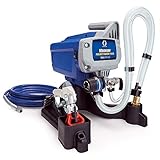
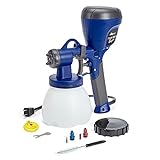
If you’re rocking one of those little electric handheld paint sprayers, the kind you get for DIY trim work or small furniture projects, you’re probably out of luck with most Cabot products. Those are designed for thinner materials like latex house paint or lacquers. For anything thicker, like a solid stain, you generally need an airless sprayer. These machines use a pump to push the paint through a tip under high pressure, atomizing it into a fine mist.
The size of that tip matters. A larger tip opening (measured in thousandths of an inch, like .015, .017, .019) can handle thicker materials. If you’re dead-set on spraying Cabot, you’ll need a sprayer capable of delivering the pressure and flow rate required for that viscosity, and you’ll want to select the largest tip size recommended for the product (or the sprayer’s capability). Even then, it’s not a guarantee.
Now, about the paint itself. Cabot makes different types of products. Their solid stains are more like paint and have a better chance of spraying than their semi-transparent deck stains.
The semi-transparent ones are oil-based or water-based formulations that are designed to soak into the wood, not just sit on top. They have a much lower solids content and a higher percentage of carriers. Trying to spray these typically results in a streaky, uneven mess. If you’re considering spraying, you absolutely must check the viscosity.
Most sprayers will have a recommended viscosity range, often measured in seconds using a viscosity cup. You can buy these little cups online for next to nothing. If the paint doesn’t flow freely through the cup within the manufacturer’s recommended time, it’s likely too thick for your sprayer. You’ll then have to consider thinning, and this is where things get dicey.
Cabot doesn’t always recommend thinning, and if they do, it’s usually with a specific reducer. Using the wrong thinner can break down the stain’s binders, leading to poor adhesion, premature peeling, or a finish that washes away in the rain.
Here’s a little table I threw together based on my own battlefield experiences:
| Cabot Product Type | Sprayer Friendliness (General Verdict) | Likelihood of Success (DIY Sprayer) | Notes |
|---|---|---|---|
| Solid Color Stain (e.g., Exterior Latex) | Moderate (with precautions) | Low to Medium | May require thinning with specific reducers. Test spray pattern extensively. Back-brushing often needed. |
| Semi-Transparent Deck Stain (Oil-Based) | Low (highly not recommended) | Very Low | Too thick, inconsistent flow. High risk of clogging and poor finish. Thinning severely compromises performance. |
| Semi-Transparent Deck Stain (Water-Based) | Low (highly not recommended) | Very Low | Similar issues to oil-based, though may be slightly more forgiving with water-based thinners. Still high risk of poor application. |
| Waterproofing Sealers (Thin) | High | High | Many Cabot sealers are designed for spraying. Check TDS for specifics. Usually requires minimal or no thinning. |
The verdict column is my honest opinion, not gospel. The reality is, if you’re not using a professional-grade sprayer and you’re not prepared to experiment and potentially waste product and time, stick to the brush or roller for their deck stains. For solid stains, it’s a maybe, but proceed with extreme caution and a lot of testing.
Common Mistakes People Make (including Yours Truly)
The biggest mistake, hands down, is assuming that because something is a ‘stain’ or ‘paint,’ it’ll just spray. Cabot products, especially their deck stains, are formulated with specific penetration and adhesion properties in mind.
They aren’t like a standard latex house paint that’s practically begging to be sprayed. People see a nice finish on a can and think ‘easy application.’ But the reality is, if you try to spray a semi-transparent deck stain out of the can with a consumer-grade sprayer, you’re going to have a bad time. You’ll clog your gun within minutes, get an uneven, streaky finish, and potentially ruin the stain’s protective qualities.
I’ve seen friends do this, get frustrated, and end up with a half-finished project and a sprayer full of dried-up goo.
Another common error is improper thinning. If you do decide to thin Cabot products for spraying (and again, I’m mostly talking about solid stains here), you must use the correct thinner. For oil-based products, that’s usually mineral spirits or a specific oil-based reducer.
For water-based products, it’s water, but only up to a certain percentage, or a specific water-based thinner. Using the wrong type of thinner – like putting acetone in an oil-based stain – will chemically alter it and likely ruin it. Even using the right thinner requires careful measurement. Most manufacturers specify a maximum thinning ratio, often around 10-15%.
Exceeding this significantly will compromise the stain’s durability, adhesion, and color consistency. I once thinned a Cabot solid stain a bit too much on a small furniture piece, and the finish felt rubbery and peeled off after a few months in the sun. Cost me double to redo it properly. (See Also: Can Aluminum Be Spray Painted )
Then there’s the issue of the spray tip. People often use a tip that’s too small for the material. If the tip opening isn’t large enough, the thick stain simply won’t pass through, leading to spitting, pulsing, and a poor spray pattern.
You need to consult the sprayer manufacturer’s recommendations for tip sizes suitable for stains or thicker coatings. Even with the right tip, if your sprayer doesn’t have enough gallons per minute (GPM) or pounds per square inch (PSI) capability, it won’t be able to atomize the product effectively, regardless of the tip size.
People also forget the important step of straining the paint. Even new cans can have dried bits or sediment. Straining the stain before putting it in the sprayer is a a must step to prevent tip clogs.
I learned that lesson the hard way too, spending an hour cleaning out a clogged tip on a humid afternoon, wishing I’d just taken two minutes to strain the can.
What About Cleaning the Sprayer After Using Cabot?
Cleaning a sprayer after using Cabot products depends heavily on whether you used an oil-based or water-based formulation. For water-based Cabot stains, you’ll typically flush the system with water until it runs clear, then follow up with a cleaner designed for latex paints and stains. For oil-based Cabot products, you’ll need to use mineral spirits or a specific oil-based paint thinner to flush out the lines and the gun until all residue is gone. It’s always best to consult your sprayer’s manual for the manufacturer’s recommended cleaning procedure, as improper cleaning can lead to clogs and damage to the sprayer’s internal components.
Real-World Use Cases: When Spraying Makes Sense
So, when does the hassle of potentially spraying Cabot actually pay off? Primarily, it’s about speed and surface area.
If you have a massive project like a long privacy fence, a large barn, or a sprawling deck that needs a solid color coat, a sprayer can save you a significant amount of time and labor. Brushing or rolling miles of fence takes days.
Spraying it, if done correctly, can take hours. However, this is almost exclusively for their solid stains, which behave more like paint. Trying to spray semi-transparent stains for a speed advantage is a false economy; the time saved upfront will be lost in touch-ups, fixing runs, and potentially reapplying because the finish is uneven or the stain didn’t penetrate properly.
I recently helped a buddy tackle his massive wrap-around porch. It was a complex design with lots of spindles and railings.
He was insistent on using Cabot’s solid deck stain. We rented a high-output airless sprayer.
The key here was that he was willing to do the prep work, including thinning the stain precisely as per the manufacturer’s (very specific) guidelines for spraying, and he also committed to back-brushing each section immediately after spraying. This isn’t a ‘set it and forget it’ spraying job. The back-brushing makes sure the stain is worked into the wood grain and eliminates any lap marks or splotches that the sprayer might leave.
It looked fantastic when we were done, but it was a two-person, full-day job where one person sprayed and the other followed right behind with a brush. It wasn’t just spraying; it was a hybrid application method.
Another scenario where spraying Cabot might work is if you’re using a contractor-grade or professional sprayer designed for heavy-bodied coatings. These machines have more power and larger tip options than typical DIY models. Even then, the product formulation is king. If Cabot itself doesn’t explicitly state a product is sprayable, or if their TDS is silent on the matter, assume it’s not designed for it.
Their waterproofing sealers, for instance, are often formulated to be sprayed, and they go on much thinner than their deck stains. So, you need to differentiate.
For a large, relatively flat surface needing a solid color coat, and if you have the right equipment and patience for thinning and potentially back-brushing, spraying can be a viable option. Otherwise, stick to the tried-and-true brush or roller for the best results and longevity, especially for their deck stains. (See Also: Can Bug Spray Damage Car Paint )
Practical Tips & Tricks for Using Cabot Sprayer-Ready
If you’ve decided to go ahead and try spraying Cabot, even with the warnings, here are a few hard-won tips. First, read the Technical Data Sheet (TDS) for the exact product you’re using. Do not skip this. It will tell you if spraying is even an option and, if so, what thinning ratios and tip sizes are recommended. Don’t rely on the can label; it’s too basic. Second, always, always strain your paint. A simple paint strainer bag that fits over your five-gallon bucket is a cheap insurance policy against a clogged tip. I’ve had dried bits in brand-new cans, so don’t assume it’s clean.
Third, test, test, test. Before you even think about spraying your project, spray a large scrap piece of the same material you’ll be working on. Adjust your sprayer’s pressure, fan pattern, and the thinning ratio until you get a consistent, even coat. Look for runs, splotches, and dry spots. If you’re using a solid stain, practice back-brushing immediately after spraying to see how well it blends. This is important. You’re not just looking for coverage; you’re looking for a professional-looking finish. If the back-brushing looks messy or you can’t get it to blend smoothly, reconsider spraying or adjust your technique.
Fourth, maintain your sprayer meticulously. Clean it immediately and thoroughly after use, following the manufacturer’s instructions for the type of product you’ve applied (oil vs. water-based). Clogged sprayers are a painter’s worst nightmare, and dried Cabot stain is notoriously difficult to remove.
Invest in good quality cleaning solutions. Fifth, don’t try to achieve full coverage in one coat if the stain is heavily thinned. It’s often better to apply two thinner coats with proper drying time in between than one thick, uneven coat that’s prone to running and drips. This is especially true for solid stains where you’re trying to mimic a paint-like finish.
Finally, be prepared for the cleanup. Spraying means overspray. Mask off everything you don’t want to paint. This includes your windows, doors, siding, walkways, and even plants.
Overspray can travel further than you think and can be a real pain to remove. So, if you’re asking ‘can Cabot paint be used with a spray gun,’ the answer is a qualified ‘yes, but…’ and these tips will help you navigate the ‘but’ part.
Can Cabot Deck Stain Be Sprayed?
Generally, no, Cabot deck stains, especially semi-transparent ones, are not recommended for spraying with standard DIY equipment. They are formulated for brush or roller application to make sure proper penetration and a durable finish. Attempting to spray them often leads to clogging, uneven coverage, and a compromised protective layer due to necessary thinning. If you must spray, use a high-quality airless sprayer with a large tip, and be prepared to thin the product significantly with the correct reducer, followed by immediate back-brushing.
What Type of Sprayer Is Best for Cabot Stains?
For Cabot solid stains, which are more paint-like, a high-output airless sprayer is your best bet. These sprayers use hydraulic pressure to atomize thicker liquids. Look for a model with adjustable pressure and the ability to accept larger spray tips (e.g., .015 to .019 inches or larger). For Cabot’s thinner waterproofing sealers, a garden-style sprayer or a basic electric sprayer might suffice. Always check the sprayer’s specifications and the stain’s Technical Data Sheet for compatibility and recommended tip sizes.
Do I Need to Thin Cabot Paint for Spraying?
Yes, most Cabot stains, particularly solid stains and any that are considered thicker, will likely need to be thinned for spraying. However, this is a important step where you must follow the product’s Technical Data Sheet carefully. Use only the specific reducer recommended by Cabot for that particular product. Over-thinning can degrade the stain’s performance, and using the wrong type of thinner can cause irreparable damage. For semi-transparent stains, thinning is highly discouraged due to the risk of compromising their unique properties.
How Do I Know If My Cabot Paint Is Too Thick to Spray?
The best way to check is with a viscosity cup. Most paint sprayers have a recommended viscosity range, often expressed in seconds. You dip the cup into the paint, let it fill, and time how long it takes for the paint to drain completely through the small hole at the bottom. If it takes significantly longer than the sprayer manufacturer’s recommendation (e.g., 30-45 seconds depending on the sprayer), the paint is too thick and will likely clog your sprayer or produce a poor finish. Always refer to your sprayer’s manual for its specific viscosity guidelines.
Can Cabot Semi-Transparent Stain Be Thinned for Spraying?
While technically you can thin almost anything, it is strongly advised against thinning Cabot semi-transparent stain for spraying. These stains are carefully formulated to achieve a specific level of penetration and to highlight wood grain while providing protection. Thinning them significantly alters their chemical composition, which can lead to a failure in adhesion, premature wear, poor color retention, and a patchy or streaky appearance that defeats the purpose of a semi-transparent finish. It’s best to stick to brush or roller application for these products.
My Final Thoughts on Spraying Cabot
So, to circle back to the main question: can Cabot paint be used with a spray gun? The honest, blunt answer is: sometimes, but it’s often more trouble than it’s worth, especially for their renowned deck stains.
If you’re using a solid color stain and you have a capable airless sprayer, and you’re willing to do the legwork—thinning correctly, testing extensively, and potentially back-brushing—then yes, you can make it work. It’s a way to speed up massive projects like fences. But for their semi-transparent deck stains? Forget about it.
You’re asking for a headache and a subpar finish. It’s like trying to use a butter knife to saw down a tree; it’s just not the right tool for the job, and you’ll end up frustrated.
My personal experience has taught me that when a product is formulated for a specific application, deviating too far from that leads to compromise. Cabot’s deck stains are masterpieces of wood protection when applied correctly with a brush or roller. They penetrate, they protect, and they look fantastic. Trying to force them through a sprayer often means sacrificing that quality for speed. You save time on application but lose it in prep, cleanup, and potential rework. For me, the extra effort with a brush on deck stains is worth the peace of mind and the beautiful, lasting finish.
Final Thoughts
Look, nobody wants to spend their weekend with a brush in hand, but sometimes that’s just the reality of getting a quality finish. If you’re eyeing up a massive fence or a deck that needs a solid color coat, and you’ve got the right sprayer and the patience to experiment with thinning and back-brushing, then maybe. But for the folks who love Cabot for their beautiful semi-transparent deck stains, my advice is simple: grab a good quality brush or roller and enjoy the process. You’ll get a much better result, and frankly, it’ll save you a lot of grief.
At the end of the day, understanding what you’re putting into that sprayer is key. Cabot makes great products, but they’re designed for specific jobs. Trying to force them into a different role can, and often will, backfire. So, before you load up that sprayer, ask yourself if it’s truly worth the potential hassle. For most of us and for most Cabot deck stains, the answer is probably a hard ‘no’.