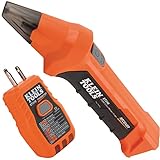
I’ve spent more time than I care to admit wrestling with electrical panels, trying to figure out where the heck a specific circuit breaker is hiding. You know the feeling: the lights flicker, the toaster dies mid-bagel, and you’re standing in front of a metal box crammed with a dozen identical switches, none of them labeled. It’s enough to make you want to throw your hands up and call an electrician. But before you do that, let’s talk about whether circuit breakers can be locted, and more importantly, how to make your life a whole lot easier next time the power goes out.
The short answer is, yes, they can be located, but the real question is how easily and how reliably. Many of us inherit homes with panels that look like they were wired by a squirrel on caffeine, with zero documentation and labels that are either faded, wrong, or just plain missing. It’s a common frustration, and one that often leads to unnecessary panic or costly service calls.
When the Lights Go Out: Finding the Culprit
Look, we’ve all been there. That sinking feeling when a breaker trips. Maybe it was the microwave and the coffee maker trying to share the same circuit, or maybe it was something more sinister. Whatever the cause, your immediate thought is, ‘Where is that darn breaker?’ The frustrating reality is that, no, circuit breakers aren’t always easy to find. They can be locted, but only if someone has actually taken the time to do the job properly. Most of the time, they’re just a bunch of identical toggles in a metal box, and good luck figuring out which one controls your living room lamp versus the GFI outlet in the garage.
I remember the first house I bought. The panel was in the basement, a dark, dusty corner behind a stack of old paint cans. It had been wired by a previous owner who, bless their heart, thought labeling was for amateurs. I spent a solid hour one Saturday morning, armed with a flashlight and a notepad, flipping breakers one by one while my wife yelled out from various rooms, ‘Is the TV working yet?’ ‘No, but the fridge just died!’ That was a fun afternoon.
I learned a lot that day, mostly about how much I hated not knowing what was what. It taught me the hard way that ‘locting’ a circuit breaker is a proactive task, not a reactive one.
The truth is, a properly labeled electrical panel is a homeowner’s best friend. It saves you time, stress, and money. When you can walk up, glance at a clear, concise label, flip the right breaker, and have power restored in under a minute, it feels like a superpower. Without it, you’re just fumbling in the dark, literally and figuratively. So, while circuit breakers can indeed be locted, the ease with which you can do it depends entirely on the foresight (or lack thereof) of whoever installed or maintained your electrical system.
Why Your Panel Looks Like a Spaghetti Monster
Let’s be honest, most electrical panels are a mess. I’ve seen panels that looked like a kindergartener’s art project gone wrong, with wires everywhere and absolutely no rhyme or reason. This isn’t just an aesthetic problem; it’s a safety hazard. When you can’t readily identify which circuit breaker controls what, you’re making it harder for yourself, your family, or even emergency personnel to quickly isolate power if needed. This is especially true in older homes or those that have had multiple renovations without a professional updating the panel documentation.
I once had to help a buddy who’d inherited his uncle’s house. The panel was a beast, a huge old Federal Pacific Electric thing, probably from the 70s, and it was packed tighter than a sardine can.
Wires were run in all sorts of weird ways, and the labels were either completely gone or just said ‘Lights’ or ‘Outlets,’ which is about as helpful as a screen door on a submarine. He’d had a small electrical fire in the kitchen, and the fire department had a hell of a time trying to shut off the main power because they didn’t know which breaker was the main feed and which was tied into the affected circuit. Thankfully, it was a small fire and they got it out quickly, but it was a stark reminder of how dangerous an unorganized panel can be. It took us two weekends to map out every single circuit, and even then, I wasn’t entirely convinced we got it 100% right.
That’s the kind of mess that makes you truly appreciate the few times you do encounter a well-organized panel. (See Also: Can I Run 12 2 With A 20 Amp Breaker )
The reasons for this chaos are varied. Sometimes it’s just laziness or a lack of knowledge from the original installer. Other times, it’s due to DIY electrical work that wasn’t done to code. People might add new circuits over the years for new appliances or renovations and just slap a wire onto an existing breaker or add a new one without updating the panel directory. Or, frankly, sometimes the labels just fall off or fade over time, especially if the panel is in a damp or dusty environment. Whatever the reason, the result is the same: a confusing, potentially hazardous mess that makes the simple task of locating a circuit breaker a frustrating ordeal.
The Myth of the ‘universal Breaker Location’
There’s this idea floating around, mostly in online forums where people are panicking about a tripped breaker, that there’s some sort of universal logic to how circuit breakers are located. Like, ‘Oh, the kitchen breakers are always on the left’ or ‘The bedroom circuits are usually in the middle.’ Let me tell you, that’s mostly nonsense. I’ve seen panels where the kitchen was on the far right, the bedrooms were split between the top and bottom rows, and the garage outlet was controlled by a breaker tucked away in the furthest corner. There is no ‘standard’ for breaker location beyond the fact that they’ll all be in the main electrical panel, which itself can be located in wildly different places.
I’ve personally encountered panels in attics, garages, unfinished basements, utility closets, and even, bizarrely, behind a decorative wooden panel in a hallway. The location of the panel itself is often the first hurdle. Once you’re staring at the panel, the idea that there’s a predictable order to the breakers is a comforting thought, but it’s rarely the reality. I’ve spent my fair share of time in dimly lit basements, trying to discern faded Sharpie marks under a flickering bulb, only to discover that the breaker controlling the downstairs bathroom lights was actually one of the last ones on the right, completely mixed in with seemingly random circuits.
It’s a wild goose chase that often ends in frustration and a resigned sigh. It’s like trying to find a needle in a haystack, except the haystack is full of identical metal switches and the needle is a vital electrical connection.
The only real truth is that the breakers can be locted, but it requires a systematic approach, not guesswork. You can’t rely on some imagined order. You need to test each circuit. Some people will tell you to just start flipping breakers and see what happens. While this might work in a pinch, it’s a terrible long-term strategy and can be disruptive. Imagine flipping a breaker and accidentally shutting off the sump pump or the circuit for your home security system. Not ideal. The real solution is mapping out your panel, which we’ll get to, but first, let’s talk about what to look for if you’re buying or just moved into a new place.
What to Look for (and What to Avoid) in a Panel
When you’re looking at a house, whether it’s your first or your fifth, pay attention to the electrical panel. It might seem like a minor detail compared to the kitchen countertops or the backyard view, but it tells you a lot about the care and attention the home’s electrical system has received. A clean, well-labeled panel is a good sign. Conversely, a panel that looks like a disaster zone, with overloaded breakers, frayed wires peeking out, or no labels at all, is a flashing red light. It suggests a potential for future problems and a history of neglect. This is why understanding where circuit breakers can be locted is more than just a convenience; it’s a part of due diligence.
When I was house hunting last year, I walked into one property, and the agent proudly pointed to the panel in the garage. It was a Square D, which is a decent brand, but the inside looked like a bird’s nest. Wires were twisted together, the breaker directory was peeling off, and there were at least three breakers that looked like they were barely holding on. The seller’s disclosure mentioned some electrical work done by a ‘handyman.’ Yeah, right.
I politely thanked them and walked out. A few weeks later, I saw that house again – they’d had to drop the price considerably. I heard from a neighbor that they’d had an electrical inspection, and it failed spectacularly. It’s not about being an electrician; it’s about using your eyes and common sense.
A messy panel is a sign of bigger issues, and if you can’t even figure out where the circuit breakers can be locted, imagine what else is lurking behind the walls. (See Also: Can I Join Two Circuit Breakers Together )
Here’s a quick rundown of what to avoid:
| What to Avoid | Why It’s Bad | My Verdict |
|---|---|---|
| No Labels / Faded Labels | Impossible to identify circuits. Increases risk during emergencies. | Dealbreaker. Fix it or walk. |
| Overcrowded Panel | Breakers crammed in, potential for overheating and poor connections. | Major red flag. Requires professional assessment. |
| Visible Damage / Burn Marks | Serious safety hazard. Indicates past electrical faults. | Immediate inspection needed, likely costly repairs. |
| DIY-looking Wiring | Lack of professional installation, potential code violations, fire risk. | Get a licensed electrician’s opinion immediately. |
| Panel in a Damp Area (e.g., unfinished basement, laundry room) | Corrosion, increased risk of electrical faults. | Needs careful monitoring and potential relocation. |
Conversely, look for a panel with clear, legible labels that correspond to the rooms or appliances they control. A neat arrangement of breakers, with plenty of space between them, is also a good sign. Brands like Eaton, Siemens, and Schneider Electric are generally reliable, but even a reputable brand can be poorly installed. The cleanliness and organization are key indicators of the overall electrical system’s health.
How to Actually Locate and Label Your Breakers
Alright, so you’ve got a panel that looks like a puzzle, and you’re tired of guessing. The good news is that you can absolutely map out your circuits yourself. It takes a bit of time and patience, but it’s one of the most satisfying DIY electrical projects you can do. This is how you make sure your circuit breakers can be locted easily, every single time. First things first, grab a helper. This is almost impossible to do alone, and it’s definitely not as safe.
Here’s the process:
- Safety First: Turn off your main breaker if you’re going to be doing anything more than just testing. If you’re just testing, make sure your helper knows exactly what you’re doing. Make sure you have a good flashlight and a pen or marker.
- Start Mapping: Go to your electrical panel. Have your helper stand by the main breaker. You’ll start with the first breaker on your panel (usually top left).
- Flip and Test: Flip that breaker OFF. Immediately ask your helper (or have them check) what went off in the house. You want them to check lights, outlets, appliances, and any other electrical devices. For outlets, use a simple plug-in lamp or a phone charger.
- Identify and Label: Once you’ve identified which circuit is controlled by that breaker, go back to the panel and write a clear, concise label next to it. For example, ‘Living Room Lights,’ ‘Kitchen Outlets,’ ‘Master Bedroom,’ ‘Garage Door Opener,’ ‘Microwave,’ ‘Dishwasher.’ Be specific.
- Repeat: Flip the breaker back ON. Then, move to the next breaker in the panel and repeat steps 3 and 4. Work your way systematically through the entire panel.
- Handle Trickier Circuits: Some circuits might power multiple rooms or outlets. You might need to be very specific, like ‘Upstairs Hall & Bath Outlet.’ If you have a smart home system or an alarm, be extremely cautious and consider having a professional label those circuits to avoid accidental shutdowns.
- Final Check: Once you think you’ve mapped everything, do a final sweep of the house. Flip each breaker off one by one and make sure everything you expect to go off, does. Also, check that breakers you don’t expect to affect anything don’t cause any surprises.
It sounds tedious, but trust me, the peace of mind and saved time in the long run are invaluable. I did this at my last house, and when the power went out during a storm, I was able to immediately identify and reset the main breaker for the pole light that had been hit, without frying anything else. That alone was worth the afternoon I spent doing it.
Common Mistakes and How to Avoid Them
People make a few classic mistakes when they’re trying to deal with their electrical panels, and most of them boil down to impatience or a lack of understanding of basic electrical safety. The biggest one, hands down, is the ‘flip and pray’ method. You know, where you just start flipping breakers randomly hoping you hit the right one before something important goes offline. I’ve seen people shut down their well pump during a heatwave or their furnace in the winter by doing this. Not smart.
Another common pitfall is not being specific enough with labels. If you label a breaker ‘Upstairs,’ that’s only helpful if you have a very small upstairs.
What if it controls the bathroom fan, the hallway light, and two outlets? If you’re trying to fix a problem with just the light, you’re still guessing.
I made this mistake myself when I first moved into my current place. I labeled an outlet circuit ‘Office.’ Turns out, that circuit also powers the printer in the living room and the smart speaker in the kitchen. So when the office outlet started acting up, and I flipped the ‘Office’ breaker, the printer died mid-print job and the speaker went silent. Not ideal. (See Also: Can 12v Circuit Breakers Handle Higher Voltage )
Now I label it ‘Office, Printer, Living Room Speaker.’ It’s clunky, but it’s accurate.
Here’s a quick list of common errors to sidestep:
- Not using a helper: It’s unsafe and inefficient to do this alone. You need eyes and ears in different parts of the house.
- Ignoring manufacturer instructions: If your breaker panel has a directory or a legend, use it. If it’s gone, try to find the original manual online.
- Overloading circuits: This isn’t directly about locating breakers, but it’s related. If you’re constantly tripping breakers, it means your panel might be undersized, or you’re drawing too much power on a single circuit. This often leads to confusion about which breaker is tripping repeatedly.
- Not updating labels: If you add a new appliance or renovate a room, update your panel directory immediately. Waiting until you have a problem is too late.
- Assuming order: As we’ve discussed, there’s no universal order. Don’t assume the breakers are laid out logically.
Finally, and this is the big one: if you’re ever unsure, or if your panel looks particularly scary, don’t hesitate to call a licensed electrician. They can map out your panel quickly and safely, and it’s a small price to pay for peace of mind. While circuit breakers can be locted with a bit of effort, your safety is always the top priority. Sometimes, letting a professional handle it is the smartest move.
Faq: Your Circuit Breaker Questions Answered
Where Is the Main Electrical Panel Usually Located?
The main electrical panel, also known as the breaker box or fuse box, can be found in a variety of locations depending on the age and design of your home. Common spots include unfinished basements, garages, utility rooms, closets, or even on an exterior wall. It’s typically placed near where the main power service enters your house. If you’re really struggling to find it, consult your home’s blueprints or ask a real estate agent familiar with your property.
How Can I Tell Which Circuit Breaker Controls Which Outlet?
The most reliable way to tell which circuit breaker controls which outlet is to systematically map your panel. You’ll need a helper for this. Go to your panel, flip a breaker off, and have your helper check which outlet (or light, or appliance) loses power. Once identified, label the breaker clearly. Repeating this for every breaker will give you a definitive map of your home’s electrical circuits.
What Does It Mean If a Circuit Breaker Trips Often?
If a circuit breaker trips frequently, it indicates that the circuit is overloaded or there’s a short circuit somewhere on that line. An overload happens when you’re drawing more power than the circuit is designed to handle (e.g., too many high-wattage appliances on one circuit). A short circuit is a more serious issue where wires are touching inappropriately, creating a path of very low resistance. This requires immediate attention from a qualified electrician to prevent fire hazards.
Can I Reset a Tripped Circuit Breaker?
Yes, you can reset a tripped circuit breaker. To do so, you first need to find the breaker that has tripped – it will usually be in a position that is between the ‘ON’ and ‘OFF’ positions, or fully in the ‘OFF’ position. Push the breaker handle firmly to the ‘OFF’ position, and then push it firmly back to the ‘ON’ position. If the breaker trips again immediately, do not keep resetting it, as this indicates a persistent problem that needs professional diagnosis.
Is It Dangerous to Label My Own Circuit Breakers?
Labeling your own circuit breakers is generally not dangerous, provided you follow basic safety precautions. The most important step is to make sure you don’t accidentally touch live wires or create new electrical faults. The process of mapping and labeling primarily involves flipping breakers off and on and observing what happens. However, if you are uncomfortable or uncertain at any point, or if your panel appears to be in disrepair, it’s always best to hire a licensed electrician for the job to make sure safety.
Final Thoughts
So, can circuit breakers be locted? Absolutely, but it’s rarely as simple as just walking up to the panel and knowing. It’s a task that requires a bit of detective work, a dose of patience, and, ideally, a second pair of hands. Too many of us learn this the hard way, usually when the power goes out at the worst possible moment. Taking the time to properly label your breakers is one of those small, but incredibly effective, home maintenance tasks that pays dividends in stress reduction and quick problem-solving.
Don’t be the person fumbling in the dark, desperately flipping switches while your ice cream melts or your Wi-Fi is down. Invest an afternoon in mapping out your electrical panel. It’s a straightforward process that makes a world of difference. You’ll be thanking yourself the next time a breaker decides to take a vacation.
If you’re still staring at a panel that looks like a bowl of spaghetti, and the thought of mapping it out yourself feels daunting, don’t hesitate to call in a professional. They’ve seen it all and can get it sorted out safely and efficiently. Your future, less-stressed self will thank you for taking that step to make sure your circuit breakers can be locted without a panic attack.