I swear, it felt like a scene from a horror movie. I was half-asleep, shuffling to the bathroom in the dark, when I saw it. A sleek, brown body, antenna twitching, making a beeline from the drain. My stomach dropped. I’d spent a fortune on pest control, sealed every crack, and still, they found a way in. The biggest question on my mind, and probably yours if you’re reading this, is: can cockroaches swim through p traps?
It’s a question that keeps me up at night, especially after that one particularly nasty encounter. You think that little U-bend of water is your last line of defense, right? Wrong. Or maybe right. The truth is a bit more complicated, and frankly, a lot more unsettling than most people let on.
The Water Seal: Myth vs. Reality
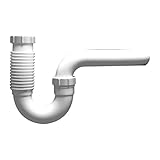
Look, the whole point of a P-trap is that it holds a bit of water. That water creates a seal. Simple, right? A physical barrier. A cockroach, or any bug for that matter, is supposed to hit that water and think, ‘Nope, can’t get through this wet stuff.’ It’s like a tiny, plumbing-based moat. For the most part, this is true. A healthy, functioning P-trap with a consistent water level is a pretty effective deterrent for most household pests, including roaches. They’re not exactly built for aquatic adventures. Think about it – have you ever seen a cockroach doing the butterfly stroke? Me neither.
The problem arises when that water seal isn’t so healthy. I learned this the hard way. I had a guest bathroom that barely got used. Months went by, and I’d only flush the toilet occasionally, maybe run the sink once in a blue moon. One day, after a long absence, I went in there, and BAM. Cockroach party in full swing. Turns out, if a drain isn’t used for a long time, the water in the P-trap evaporates. Poof. Gone. No water seal, no barrier. It’s like leaving the drawbridge down. It’s not that they can swim through it; it’s that sometimes, there’s nothing to swim through.
This is especially common in guest bathrooms, laundry room sinks that aren’t used often, or even floor drains in basements that aren’t regularly flushed. It’s not about their swimming prowess; it’s about maintenance. People often forget that these simple plumbing features need a little bit of attention. I remember one time I was convinced there was some super-powered, water-resistant breed of cockroach. Turns out, I’d just forgotten to run water down the unused shower drain for about three months. Embarrassing, and frankly, a bit humbling. It taught me that the ‘how’ isn’t always about the creature’s abilities, but about our own neglect.
So, while a well-maintained P-trap is a decent defense, relying on it as your only line of defense is a mistake. It’s a passive defense, and like any passive defense, it has its weaknesses. The most significant weakness? Lack of use leading to evaporation. The second most significant weakness? Blockages or damage that prevent the trap from holding water properly in the first place.
When the Water’s Gone: Evaporation and Other Loopholes
This whole evaporation thing is the big one, and it’s why so many people freak out about roaches coming from drains. It’s not some Indiana Jones-level escape they’re performing. It’s just physics and a lack of hydration. Water evaporates. If it’s not replenished, the trap becomes a direct highway. This is particularly true in warmer, drier climates, or during drier seasons. I’ve lived in a couple of places where this was a constant battle. You’d go away for a week, come back, and the first sign of unwelcome guests would be scuttling out of the sink drain.
It’s a simple fix, but one that’s often overlooked. For any infrequently used drains – and I mean any – you need to run water down them regularly. I’m talking once a month, minimum. Just let the water run for 30 seconds or so.
It’s not a lot to ask, and it can save you a lot of grief. Some people even pour a little bit of mineral oil down there, thinking it will slow evaporation.
Honestly, I’ve tried that, and it felt like a lot of fuss for minimal gain. Just running water is easier and, in my experience, more effective.
The oil just felt like an unnecessary extra step that could potentially cause other issues down the line, like clogging. (See Also: Are Omega Watch Straps Real Alligator )
Another less common, but still possible, loophole is if the P-trap itself is damaged or improperly installed. If there’s a crack, or if the trap isn’t pitched correctly, it might not hold water effectively even when used. You might see water seeping out, or it might just not fill up properly. This is where you might need to call a plumber. I had a situation once in an older rental property where a sink kept smelling funky, and we figured out the P-trap was actually installed backward. Backward! Can you believe it? The roaches weren’t swimming through it, they were just walking right over the top because there was no water seal at all. It was a plumbing facepalm moment.
Here’s a little table I put together based on my own trial-and-error with drain maintenance. It’s not scientific, but it’s my lived experience.
| Drain Location | Frequency of Use | My Experience with Evaporation/Seepage | Verdict |
|---|---|---|---|
| Kitchen Sink | Daily (multiple times) | Rarely, if ever. Water is constantly replenished. | Excellent defense. |
| Bathroom Sink (primary) | Daily (multiple times) | Very rare. Needs a few weeks of no use. | Good defense. |
| Shower/Tub (primary) | Daily | Rare. Water tends to pool longer due to shape. | Good defense. |
| Guest Bathroom Sink | Weekly/Monthly | Noticeable after 1-2 weeks of no use. | Requires regular flushing. |
| Laundry Room Sink | Monthly/Seasonally | Significant evaporation after 2-3 weeks. | Needs monthly flushing. Major weak point. |
| Floor Drain (basement) | Rarely (if ever) | Almost complete evaporation within weeks. | Extremely high risk. Needs regular water. |
The Cockroach’s Perspective (and Why They Don’t Need to Swim)
So, let’s talk about the roaches themselves. Are they secretly little swimmers? No. But are they resourceful little survivors? Absolutely. They don’t need to be Olympians in the water department. If the water is gone, they just walk across. If the water is shallow, they can often navigate it, especially if there are any rough edges or imperfections in the trap they can grip. Their exoskeletons offer some protection against brief water exposure, and they can hold their breath for a surprisingly long time, which might help them survive if they did fall into a full trap.
Think of it this way: a P-trap is designed to stop things that can’t overcome a water barrier. Roaches are incredibly adaptable. While they aren’t built for swimming, they are built for survival. They can climb rough surfaces, squeeze through tiny gaps, and endure conditions that would kill most other creatures. If there’s a path of least resistance, they will find it. And that path often involves a dry or nearly dry P-trap.
I’ve heard people argue that roaches can swim through P-traps. And in a way, they’re not entirely wrong, but they’re missing the point. They don’t need to be Michael Phelps. They just need a little help, or rather, a lack of water. Their ability to survive brief submersion or to find ways to grip and pull themselves through shallow water is enough. It’s not like they’re going for a leisurely swim. It’s a desperate scramble. But if there’s no water, it’s not even a scramble; it’s a walk.
This is why professional exterminators often talk about sealing drains or using drain covers, especially in commercial kitchens or other high-risk areas. They understand that the water seal alone is a vulnerable point. It’s a good first line of defense, but it’s not a foolproof one. The roaches aren’t the problem; the lack of water in the trap is the problem. It’s a subtle but important distinction. We blame the roach’s supposed swimming ability, when in reality, we’re often the ones who have created the perfect entry point through neglect.
Beyond the P-Trap: Other Entry Points and Prevention
Okay, so we’ve established that P-traps are not impenetrable fortresses, especially when neglected. But roaches are sneaky little devils, and even a perfect P-trap won’t stop them if they have other options. This is where people often get tunnel vision, obsessing over the drain while ignoring the obvious. I’ve seen people spend hundreds on drain treatments and foggers, only to have roaches still marching in from under the baseboards or through a leaky window frame.
First off, and this is huge: sealing gaps. Cockroaches can squeeze through incredibly small openings – we’re talking the width of a quarter. So, around pipes, behind baseboards, under door frames, any tiny crack in your walls or foundation is a potential entry point. I’ve learned to be a bit obsessive about caulk.
A simple tube of caulk from the hardware store, maybe $5 or $6, has been more effective than many expensive pest control products I’ve bought over the years. I literally spent a weekend once just going around my apartment, sealing every minuscule gap I could find. It made a noticeable difference.
You have to be thorough. Don’t just look at the obvious stuff; get down on your hands and knees and inspect. (See Also: Are Traditional Mouse Traps Humane )
Another common mistake is food sources. Roaches are scavengers. If there’s food, they’ll come. This means keeping your kitchen spotless. No crumbs left out, clean up spills immediately, don’t leave dirty dishes in the sink overnight. Even pet food can be a magnet. Store pet food in sealed containers. And I’m not just talking about obvious food. Sticky residues from sugary drinks, grease splatters on the backsplash – these are all buffets for roaches.
Trash cans are another big one. Make sure they have tight-fitting lids. Empty them regularly, especially if you have food waste. Don’t let garbage sit around attracting them. I’ve also found that things like cardboard boxes or piles of old newspapers can be hiding spots. Roaches love clutter. Decluttering your living space, especially areas like pantries or storage rooms, can significantly reduce their hiding places and make them easier to spot and eliminate. My grandmother used to say, ‘A clean house is a roach-free house,’ and while I think it’s a bit of an oversimplification, there’s a huge amount of truth to it. Prevention is truly key, and it’s often the simplest, cheapest things that work best.
Common Cockroach Drain Mistakes and How to Avoid Them
Let’s get specific. What are the common blunders people make when it comes to drains and roaches? Number one, as we’ve hammered home: neglecting infrequently used drains. It’s so common because it’s so easy to forget. You don’t see the problem until it’s already there, scuttling out. The fix is simple: make a calendar reminder. Once a month, pour a gallon of water down every drain that isn’t used daily. This includes guest bathroom sinks, showers, laundry room sinks, utility sinks, and any floor drains. Seriously, set a recurring alarm on your phone. It’s that important.
Mistake number two: assuming the P-trap is the only way in. As I mentioned, they’ll find other routes. So, while you’re checking your drains, also be looking for cracks around pipes where they enter walls, gaps under cabinets, or anywhere a tiny insect could potentially slip through. Seal these gaps with caulk or steel wool (roaches don’t like chewing through steel wool). It’s a bit of detective work, but it pays off.
Mistake number three: relying solely on chemical treatments. Sprays and baits can be effective, but they’re often a temporary fix if the underlying access points aren’t addressed. If roaches can keep coming back in through drains or gaps, you’ll be spraying forever. Think of chemical treatments as a mop-up operation, not the primary strategy. Focus on exclusion and sanitation first. I wasted a lot of money on fancy gel baits that worked for a week, and then more roaches showed up. It was frustrating because I thought I was doing the right thing by following product instructions, but I wasn’t addressing the root cause.
Mistake number four: ignoring smells. That faint, musty, or sometimes slightly oily smell coming from a drain? That’s often a sign that the water seal might be compromised or that there’s some gunk building up in the trap itself, which roaches love to feed on. Clean your drains regularly with a stiff brush and a bit of baking soda and vinegar. It’s a natural way to break down buildup and kill bacteria, which in turn makes the drain less appealing to pests.
Here’s a quick checklist for drain maintenance:
- Schedule Monthly Flushing: Set reminders for all infrequently used drains.
- Inspect for Leaks/Damage: Periodically check under sinks and around drains for any signs of water damage or leaks.
- Clean Drains: Use baking soda and vinegar or a drain cleaner monthly to remove gunk.
- Check for Proper Sealing: Make sure the drain cover or stopper creates a good seal when not in use.
- Seal Gaps Around Pipes: Use caulk or steel wool to fill any openings where pipes enter walls.
Putting It All Together: A Practical Approach
So, you’ve got a roach problem, or you’re just trying to prevent one. You’re wondering if they can swim through P-traps. The honest answer is: they don’t need to swim. If the P-trap is dry, they just walk across. If it’s full, they’re generally not great swimmers, but they can sometimes survive brief submersion or navigate shallow water. The real issue is maintaining that water seal.
My practical, lived-in approach is this: Assume your P-traps are vulnerable. Regularly run water down all drains, especially those not used daily. This is a must. It’s the easiest, cheapest, and most effective way to maintain the water barrier. I’ve made it a habit to do this every time I clean my bathrooms and kitchen – a quick flush for every drain in the house. It takes maybe two minutes total.
Beyond the drains, focus on sanitation and exclusion. Keep your house clean. Store food properly. Seal all potential entry points. This multi-pronged approach is what actually works. I used to get so stressed about every little bug I saw. Now, I focus on the fundamentals. If I see a roach, my first thought isn’t ‘OMG, it swam through the P-trap!’ it’s ‘Which gap did it come through?’ or ‘Did I forget to run water down the guest shower?’ (See Also: Are Sticky Mouse Traps Humane )
I also think it’s important to be realistic. No home is 100% roach-proof, especially if you live in an apartment building where you can’t control your neighbors. But you can make your home significantly less hospitable and accessible to them. It’s about making it hard for them to get in and hard for them to survive if they do. Don’t fall for those expensive gadgets that promise to repel roaches with ultrasonic waves or whatever. Focus on the basics: water seals, sanitation, and sealing entry points. It’s boring advice, I know, but it’s the stuff that actually gets results. I’ve spent way too much money on gimmicks that didn’t work. Learn from my mistakes.
Frequently Asked Questions About Cockroaches and Drains
Can Cockroaches Come Up Through the Toilet?
Yes, cockroaches can come up through toilets, though it’s less common than other entry points. If the toilet bowl water level is low, or if they are exceptionally motivated and can get past the water, they could potentially enter. This is more likely if the toilet isn’t used regularly and the water seal in the trap becomes compromised, or if there are cracks in the porcelain.
Do Cockroaches Live in Drain Pipes?
Cockroaches can live and breed in drain pipes, especially in areas where there’s moisture, food debris, and warmth. They are particularly attracted to the organic matter that can accumulate in pipes. While they don’t typically make the pipes their permanent home, they will use them as thoroughfares and nesting sites if conditions are favorable.
How Do I Keep Cockroaches Out of My Drains?
To keep cockroaches out of drains, make sure P-traps have a consistent water seal by running water regularly in all drains, especially those used infrequently. Seal any cracks or gaps around pipes entering walls. Keep drains clean by regularly flushing them with baking soda and vinegar. Consider using drain covers or stoppers when drains are not in use. Maintaining good overall sanitation in your home is also key.
Can a Cockroach Climb Out of a Sink Drain?
If a P-trap in a sink drain is dry, a cockroach can absolutely climb out. Even with water, if the water level is low or if they can find a way to grip the sides, they can sometimes make their way out. The primary defense is the water seal, so if that’s gone, the drain becomes an easy access point.
What Should I Do If I See a Cockroach Coming From a Drain?
If you see a cockroach coming from a drain, first, try not to panic. Immediately run water down the drain for a minute to re-establish the water seal. Then, inspect the area around the drain and pipes for any potential entry gaps and seal them. Clean the drain thoroughly. If the problem persists, it indicates a more significant issue, and you may need to consider professional pest control or plumbing inspection.
Final Thoughts
So, to directly answer the question: can cockroaches swim through p traps? Frankly, it’s a bit of a red herring. They don’t have to be Olympic swimmers. The real issue is whether there’s water in the trap. If it’s dry, they walk. If it’s shallow, they might scramble. The water seal is your primary defense, and its effectiveness hinges on regular use and maintenance.
My biggest takeaway from years of battling these critters is that prevention is far more effective than reaction. Don’t wait until you see one to think about your drains. Make it a routine: pour water down those unused drains every month. Seal up any little cracks you find. Keep things clean. It’s the boring, unglamorous stuff that actually works.
If you’re still dealing with persistent roach issues after addressing drains and sealing entry points, it might be time to call in the pros. But before you do, take a important look at your drains and your cleaning habits. You might be surprised at how much power you already have to reclaim your space.