You’re staring at a wall, the old wallpaper peeling away like sunburnt skin, and you’re wondering, ‘Can Goo Gone remove wallpaper?’ I’ve been there. Standing in my rental, armed with a putty knife and a growing sense of dread, I’ve tried every trick in the book. Some worked, most didn’t, and a few made things a whole lot worse. Goo Gone is the go-to for sticky messes, but wallpaper glue? That’s a different beast entirely.
The internet is flooded with advice, a lot of it half-baked. People swear by this and that, but who actually has the time to test every single product? I do, apparently, because I’ve spent way too much money and effort on this exact question. So, let’s cut through the noise and get down to brass tacks about whether Goo Gone is your wallpaper removal superhero or just another sticky disappointment.
The Goo Gone Wallpaper Hypothesis: How Does It Even Work?
Look, Goo Gone’s main gig is dissolving adhesive gunk. Think price tag residue, duct tape goo, or that sticky film left behind by those clingy car decals. It’s usually a citrus-based solvent, meaning it breaks down the sticky stuff at a molecular level. When it comes to wallpaper, the real enemy isn’t just the wallpaper itself, but the glue holding it to the wall. Most modern wallpapers use a water-soluble paste, but older ones might have some seriously stubborn, synthetic adhesives.
So, the theory is: if Goo Gone can break down sticky adhesive, it should, in theory, be able to soften and loosen wallpaper paste, right? It’s a logical jump, and one many people make. I certainly did.
I remember staring at a particularly stubborn patch of vinyl-coated floral wallpaper in my old apartment, convinced that a generous dousing of Goo Gone was the magic bullet. I sprayed it on, let it sit, and… well, more on that later. The key thing to understand is that Goo Gone isn’t specifically formulated for wallpaper paste. It’s a general adhesive remover.
This distinction is HUGE. While it can affect adhesives, it might not do it efficiently, or it might create a mess of a different kind. The effectiveness hinges on the type of wallpaper paste used.
If it’s a heavy-duty, old-school adhesive, Goo Gone might just sit there, mocking you. If it’s a more water-soluble type, it might offer some help, but don’t expect miracles.
It’s like using a butter knife to chop down a tree – it might eventually do something, but it’s not the right tool for the job, and you’ll be there all day.
One thing to consider is the ‘active ingredient’ aspect. Goo Gone’s primary ingredient is often d-Limonene, a solvent derived from citrus peels.
It’s effective at breaking down oils and sticky residues. However, wallpaper paste isn’t always oil-based; it’s often starch or cellulose-based, which react differently to solvents. Water is often the primary solvent for most common wallpaper pastes. Goo Gone might help slightly by breaking down any synthetic binders in the paste, but it’s not going to magically dissolve it the way water and scraping usually do.
Think of it this way: Goo Gone is like WD-40 for sticky stuff, but wallpaper glue is more like hardened cement. You need a different approach.
This is where people get confused – they see ‘adhesive remover’ and assume it covers all adhesives, which is a costly assumption for your walls.
My Firsthand Fiasco: When Goo Gone Met My Walls
Okay, time for a confession. My first attempt at wallpaper removal in my first apartment involved a can of Goo Gone and a whole lot of misplaced optimism. The wallpaper was that hideous, textured stuff from the 70s, and I figured Goo Gone, being the miracle worker it was for sticker residue, would breeze through it. I generously sprayed the stuff on, let it sit for what felt like an eternity, and then attacked it with a scraper.
What happened? It made the wallpaper gummy and sticky. The Goo Gone didn’t dissolve the adhesive; it seemed to react with it, creating this bizarre, gooey mess that was somehow harder to scrape off than the original paste. It was like trying to clean mud off your shoes with more mud.
I ended up with streaks of Goo Gone and sticky residue all over the wall, and the wallpaper was still stubbornly attached. I spent twice as long cleaning up the mess Goo Gone created as I would have spent just scraping.
This experience taught me a valuable, albeit frustrating, lesson: not all sticky problems are created equal. Goo Gone excels at lifting and breaking down the residue left by tapes, labels, and other surface adhesives. (See Also: Does Judarn Wallpaper Remove Easily )
Wallpaper paste, especially older or more solid types, is a different beast. It’s designed to hold paper to a wall, often through moisture and temperature fluctuations.
Goo Gone might weaken it slightly, but it rarely provides the clean break you need. My mistake was assuming a general-purpose product would conquer a specialized problem. The result was a sticky, gummy residue that clung to the wall and my scraper, making the entire process ten times more frustrating. I ended up having to wash the wall down with hot, soapy water anyway, and then re-scrape the weakened-but-not-removed paste.
It was a classic case of ‘trying to save time by taking a longer route.’
The smell was also something else. While citrusy, it was overpowering and lingered for days. It wasn’t the fresh scent of a clean wall; it was the acrid odor of a failed DIY experiment. This experience was a hard reset for my DIY approach. I learned that for wallpaper, you need to target the paste specifically, often with heat and water, or specialized removers that are designed for wallpaper paste. Goo Gone is great for what it’s good at, but wallpaper paste isn’t usually on that list. It’s a good reminder that sometimes, the simplest solutions (like hot water and a scraper) are the best, and specialized products are specialized for a reason.
The Common Advice Trap: Why Water and Vinegar Isn’t Always Enough
Everyone and their uncle will tell you to just spray it down with hot water and maybe a splash of vinegar. And look, for some very basic, single-layer, water-based pasted wallpaper, that might get you 70% there.
But that’s often just the beginning. The real pain in the backside is the glue residue left behind, and that’s where Goo Gone might seem like a logical next step. But here’s the contrarian take: relying on Goo Gone to remove that stubborn wallpaper glue is often a fool’s errand, and a waste of time and money.
Why? Because wallpaper paste isn’t just ‘sticky stuff.’ It’s a complex mixture, and the synthetic binders in many modern adhesives are resistant to solvents like those found in Goo Gone. Water and vinegar are great for softening the paper and loosening water-soluble paste.
But if you’ve got a vinyl-coated paper or a particularly tenacious adhesive, you’ll be left with a sticky, gummy film that Goo Gone might just turn into a more unmanageable mess, as I found out.
The common advice often overlooks the different types of wallpaper and adhesive formulations. A cheap vinyl wallpaper from the 90s glued with a heavy-duty adhesive is going to behave very differently than a delicate paper from the 1920s with a starch paste. People see ‘removable’ wallpaper and think it means ‘effortless removal.’
It rarely does. And when the hot water/vinegar trick doesn’t fully work, they reach for something like Goo Gone, thinking it’s a step up. It’s like using a hammer to screw in a screw – it might eventually work, but you’re likely to damage the screw head and the material.
I’ve seen people spend hours with Goo Gone, only to end up with a wall that’s coated in a greasy, sticky film that’s even harder to clean than the original paste. You’re better off investing in a dedicated wallpaper stripper solution or using good old-fashioned elbow grease with steam.
So, while the internet buzzes with DIY wallpaper hacks, it’s important to be skeptical. If a product isn’t specifically designed for wallpaper adhesive removal, its effectiveness is going to be hit-or-miss, leaning heavily towards ‘miss’ for stubborn jobs. You might get lucky with a very old, simple wallpaper, but for anything more modern or resilient, you’re setting yourself up for frustration.
The real solution often involves a multi-pronged approach: scoring the paper (if vinyl-coated), using a dedicated stripper, applying heat (via a steamer or even a hairdryer in some cases), and then good old mechanical scraping. Goo Gone is better suited for the aftermath – cleaning up any stray adhesive marks after the main event is done. Don’t let the ‘adhesive remover’ label trick you into thinking it’s a magic wand for wallpaper paste.
When Goo Gone might Be Your Friend: Post-Removal Cleanup
Okay, so we’ve established that Goo Gone isn’t your primary weapon for blasting off wallpaper. But that doesn’t mean it’s entirely useless in the wallpaper removal saga. Where I’ve found Goo Gone to be genuinely helpful is in the cleanup phase, after you’ve done the heavy lifting of actually getting the bulk of the wallpaper and paste off the wall. Sometimes, even after extensive scraping and washing, you’re left with those stubborn little sticky spots, those ghost marks of adhesive that just won’t budge. This is where Goo Gone can actually shine. It’s designed to tackle those lingering residues.
Imagine you’ve spent hours steaming and scraping, you think you’re finally done, and then you run your hand over the wall – BAM – a few tacky spots remain. That’s the moment you can pull out the Goo Gone. A small application, a little bit of gentle scrubbing with a sponge or cloth, and those final bits of stubborn glue often come right off. It’s much more effective at this stage because the bulk of the adhesive has already been removed by more appropriate methods. (See Also: Does Peel And Stick Wallpaper Damage Walls When Removed )
Goo Gone can break down the remaining film without requiring you to attack the wall with more aggressive scraping, which could potentially damage the drywall. The citrus-based formula is good at lifting these residual, often dried-out adhesive remnants.
It’s like using a fine-tooth comb for the last bits of dust after a major clean.
I’ve used it successfully on those faint, shiny streaks that sometimes appear where a lot of paste was. It doesn’t usually require a huge amount, and a little goes a long way. After applying Goo Gone to a small area, I’d let it sit for a minute or two, then wipe with a damp cloth, and then rinse the area with plain water to remove any Goo Gone residue itself. This is a important step, as you don’t want to leave a greasy film on your wall before you prime or paint.
It’s important to test Goo Gone in an inconspicuous spot first, though, especially if you plan on painting soon. While it’s generally safe for most surfaces, it’s always better to be safe than sorry. So, to reiterate: Goo Gone is not a primary wallpaper remover, but it can be a surprisingly effective ally for cleaning up the very last bits of sticky ghosting.
Think of it as your wallpaper removal ‘detox’ kit – for the final, pesky remnants.
Practical Tips: When You do Decide to Try Goo Gone (and How to Not Mess Up)
Alright, if you’re still dead-set on trying Goo Gone, maybe on a particularly stubborn patch or as a last-ditch effort, here’s how to do it without making a bigger mess than you started with. First and foremost, test it in a small, hidden area. Seriously, do this. Behind a piece of furniture, in a closet corner. See how it reacts with your specific wallpaper and its adhesive. Not all wallpapers or glues are created equal, and you don’t want to find out it eats your paint or makes things worse on a main wall. If the test spot looks good, proceed with caution.
My best advice is to use it sparingly and strategically. Don’t drench the wall.
Apply a small amount directly to the sticky residue with a cloth or a cotton swab, rather than spraying it all over. Let it sit for a short period – maybe 5-10 minutes.
You’re not trying to dissolve the entire wallpaper, just soften those specific sticky spots. Then, gently try to scrape or wipe away the loosened adhesive. A plastic scraper is usually safer than a metal one for avoiding wall damage.
If it starts to look gummy and difficult, stop. That’s your cue that it’s not working as intended and you’re just smearing it.
At that point, switch to a dedicated wallpaper stripper or even just warm water and a sponge.
Here’s a quick rundown of how I’d approach it if I absolutely had to:
| Step | Action | Verdict |
|---|---|---|
| 1 | Test in an inconspicuous area. | Absolutely key. Don’t skip this. |
| 2 | Apply Goo Gone sparingly to sticky residue only. | Use a cloth or swab. Avoid saturating. |
| 3 | Let it sit for 5-10 minutes. | Patience is key, but don’t let it dry. |
| 4 | Gently scrape or wipe away loosened adhesive. | Use a plastic scraper. If it smears, stop. |
| 5 | Clean the area with warm water and mild soap. | Important to remove any Goo Gone residue. |
| 6 | Rinse thoroughly with clean water. | Make sure no lingering chemical smell or film. |
Remember, this is for the lingering sticky spots, not for primary wallpaper removal. For the bulk of the job, you’re much better off with a wallpaper steamer, a good quality stripper solution (specifically designed for wallpaper paste), and a lot of patience. If Goo Gone makes things worse, your best bet is often to go back to hot water and a scraper, or invest in a commercial wallpaper remover that’s proven to work on adhesives.
The Real Tools for the Job: What Actually Works
After years of trial and error, and a few wallpaper-induced headaches, I’ve come to appreciate that there are tools and products specifically designed for wallpaper removal for a reason. Goo Gone is fantastic for its intended purpose – removing sticky residue from surfaces like glass, plastic, and painted walls. But when it comes to the tenacious grip of wallpaper paste, you need to call in the cavalry that’s actually trained for the fight.
My go-to for most wallpaper jobs is a combination of a wallpaper steamer and a good scraper. For vinyl-coated wallpapers, I’ll score the surface first to allow the steam or stripper solution to penetrate. A wallpaper steamer rents for about $30-$50 a day, and a decent metal scraper with a replaceable blade costs around $15. It’s an upfront cost, but it pays for itself in saved sanity and time compared to using the wrong tools. (See Also: Can You Use Removable Wallpaper On Desk )
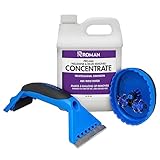
There are also dedicated wallpaper stripper solutions. Brands like Chomp!
or Zinsser offer products that are formulated to break down specific types of wallpaper adhesives. These often cost around $15-$25 per bottle and are usually mixed with water. I’ve found these to be far more effective than generic adhesive removers like Goo Gone because they target the chemical makeup of wallpaper paste. They are designed to loosen the bond without damaging the underlying wall too much, though you still need to be careful.
One thing to look for is a stripper that’s low-VOC (volatile organic compounds) if you’re sensitive to fumes or concerned about indoor air quality. The key is that these products are designed for the task, unlike Goo Gone.
When it comes to the ‘People Also Ask’ questions, the consensus from actual pros is that Goo Gone is generally not recommended for removing wallpaper itself. It can help with the sticky residue after removal, but attempting to use it as a primary remover is often ineffective and can create a gummy mess.
For example, the question ‘Does Goo Gone remove wallpaper glue?’ is usually answered with a qualified ‘not effectively’ for most types of glue.
The best approach is to use a specialized wallpaper stripper or a steamer. Another common query, ‘How to remove sticky wallpaper residue?’ is where Goo Gone can be a helpful tool, but only after the main wallpaper and paste have been removed by more suitable means.
Investing in the right tools upfront saves you time, money, and a whole lot of frustration in the long run. My own experience with Goo Gone on wallpaper taught me that sticking to the products designed for the job is usually the smartest move.
Frequently Asked Questions About Goo Gone and Wallpaper
Will Goo Gone Damage My Drywall?
Goo Gone itself is generally safe for most painted and finished surfaces, but prolonged contact or heavy application on unfinished drywall could potentially cause some softening or discoloration. It’s always best to test in an inconspicuous area first. The main risk to drywall comes from aggressive scraping after applying Goo Gone, which might happen if it doesn’t work as expected.
Can I Use Goo Gone on Vinyl Wallpaper?
Yes, you can try using Goo Gone on vinyl wallpaper, especially for cleaning residue after removal. However, vinyl can be a bit tougher, and Goo Gone might not effectively break down the adhesive underneath it. If you’re trying to remove the wallpaper itself with Goo Gone, you’ll likely need to score the vinyl first to allow the product to reach the adhesive.
Is Goo Gone Safe to Use Around Pets and Children?
Goo Gone is generally considered safe to use around pets and children when used as directed. It’s a citrus-based solvent, which is less harsh than many petroleum-based solvents. However, it’s always best to make sure good ventilation and keep pets and children away from the treated area until it has been cleaned and rinsed, and the fumes have dissipated.
What Is the Best Way to Remove Wallpaper Paste Residue?
The best way to remove wallpaper paste residue is often a combination of methods. Start with warm water and a sponge or cloth to loosen and wipe away as much as possible. For stubborn spots, a dedicated wallpaper stripper solution or a paste remover product can be very effective. Goo Gone can be helpful for the final, light sticky marks after the bulk of the paste has been removed by other means.
Final Thoughts
So, to answer the burning question: can Goo Gone remove wallpaper? The short, blunt answer is: not effectively, and usually not at all, if you’re trying to remove the wallpaper itself and the bulk of the adhesive. It’s like bringing a butter knife to a sword fight. While it might soften some adhesives, it’s not the right tool for the job and can often create a sticky, gummy mess that’s harder to clean. I learned that the hard way, and I don’t want you to go through that same frustration.
Where Goo Gone does earn its keep is in the cleanup phase, tackling those last few stubborn sticky spots after you’ve used a proper wallpaper stripper or steamer. Think of it as your finishing touch, not your heavy-duty remover. For the main event of peeling off wallpaper and dealing with the glue, invest in a dedicated wallpaper stripper solution or rent a steamer. It’ll save you time, effort, and a whole lot of potential wall damage.
Ultimately, tackling wallpaper is a battle of patience and the right tools. Don’t let the ‘adhesive remover’ label on Goo Gone trick you into a frustrating DIY detour. Stick to what works, and save your Goo Gone for those pesky sticker residues on your fridge. My advice? Leave Goo Gone out of the primary wallpaper removal process.