I remember staring at that hideous floral wallpaper in my first apartment, convinced it was some kind of historical artifact. My landlord, bless his optimistic heart, told me it was easy to remove. “Just peel it off,” he said. Turns out, he’d never actually tried it. That was my first lesson in the brutal honesty of DIY: what sounds simple on paper can be a wrestling match with reality. So, if you’re standing there, contemplating a similar battle, wondering ‘can I remove wallpaper from plasterboard?’, let me tell you, it’s a process, and it’s not always pretty.
This isn’t about the fancy tools or the ‘miracle’ solutions you see online. This is about what actually works, what doesn’t, and how to avoid wanting to set the whole room on fire. I’ve been there, scraped my knuckles raw, and ended up with a wall that looked worse than when I started. But I’ve also learned a thing or two about what makes this particular job less of a nightmare.
The Sticky Truth: Why It’s Tricky and What to Expect
Let’s cut to the chase: removing wallpaper from plasterboard, or drywall as some folks call it, is often more involved than peeling a sticker off a jam jar. The plasterboard itself is basically compressed paper and gypsum, and while it’s sturdy enough for paint and screws, it’s not exactly a fan of getting soaked or aggressively scraped. The real enemy here, though, isn’t the plasterboard itself, but what’s holding that wallpaper on: adhesive. And not all adhesives are created equal.
You’ve got your standard, run-of-the-mill paste that usually gives you a fighting chance. Then you have the industrial-strength stuff, often found on older or vinyl-coated papers, that seems to have been mixed with concrete. When you try to remove wallpaper from plasterboard with the latter, you’re not just peeling paper; you’re potentially peeling off the paper facing of the plasterboard itself. This is where the real headache begins. Imagine trying to gently remove a sticker from a very thin piece of cardboard, and you’re halfway there. If you’re too aggressive, you’ll tear the cardboard. That’s your plasterboard.
My first attempt was on a bathroom with supposedly ‘strippable’ wallpaper. Strippable. Ha! It came off in tiny, confetti-like pieces, leaving behind a gummy residue that clung to the wall like a desperate ex. I spent hours with a putty knife, convinced I was going to gouge through the drywall. It looked like a badger had had a fight with a glue factory. The key takeaway from that delightful experience was understanding that ‘strippable’ is often more of a marketing term than a guarantee, especially when dealing with older installations or different types of plasterboard. You need to approach it with caution and a healthy dose of realism.
The biggest pitfall is assuming all wallpaper peels off easily. It’s a common misconception that’s fueled by those sped-up DIY videos. They never show the hours of scraping, the dust clouds, or the inevitable tear in the drywall paper. When you’re asking ‘can I remove wallpaper from plasterboard?’, the real question is ‘how carefully can I remove wallpaper from plasterboard without causing irreparable damage?’ The answer depends heavily on the type of wallpaper, the adhesive used, and your own patience levels. I’ve seen people just slap new wallpaper over the old, which is a shortcut I’d advise against unless you enjoy peeling layers of paper off your wall years down the line.
The Tools of the Trade (and Which Ones Actually Work)
So, you’ve committed. You’ve accepted the fight. Now, what do you actually need? Forget the fancy gadgets that promise to steam your wallpaper off in minutes. While steamers can be effective, they’re often overkill for small jobs and can saturate the plasterboard, leading to bubbling or softening. For most people tackling this, a good old-fashioned liquid solution and a scraping tool are your best bet.
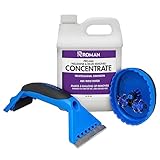
First up, the solution. You can buy commercial wallpaper removers, which are basically strong chemicals designed to break down the adhesive. They work, but they can be harsh and smelly. A more DIY-friendly approach, and one I’ve found surprisingly effective, is a mixture of hot water and a bit of dish soap. Some people swear by white vinegar, and I’ve used that too. A 50/50 mix of hot water and white vinegar can do wonders for stubborn paste. The heat helps soften the adhesive, and the vinegar acts as a solvent. The key is to keep the solution warm, so work in manageable sections and keep topping up your bucket.
Now for the scraping. This is where you need to be judicious. A wide putty knife is your friend, ideally one with a flexible blade. Think 4-inch or 6-inch. A stiff, cheap putty knife will just dig into the plasterboard. You want something that can glide along the surface. Some people swear by specialized wallpaper scrapers with long handles, which can be great for reaching high spots and saving your back, but I find they can sometimes offer too much use, leading to accidental gouges. It really depends on your comfort level. For me, a good quality, flexible putty knife has always been sufficient.
Here’s a important tip: test, test, test. Before you go at a whole wall like a crazed lumberjack, find an inconspicuous corner or a seam. (See Also: Does Peel And Stick Wallpaper Damage Walls When Removed )
Apply your solution, let it sit for a few minutes, and then try to scrape. See how easily the wallpaper and adhesive come off.
If it’s coming off cleanly, great. If it’s tearing the paper facing of the plasterboard, you need to adjust your technique or your solution.
Maybe more water, less vinegar, or a gentler scraping angle. I once tried to rush this testing phase on a bedroom wall and ended up with more holes than wall. It was a classic case of impatience costing me time and a trip to the hardware store for drywall patch.
Another tool that’s surprisingly useful, especially for vinyl or washable wallpapers, is a scoring tool. This is a roller with little spikes that you run over the wallpaper. It creates tiny perforations, allowing your liquid solution to penetrate the vinyl layer and reach the adhesive underneath. It sounds aggressive, and it is, but used with a light touch, it’s a big deal for those super-tough, non-porous papers. Just remember, the deeper the spikes, the higher the risk of damaging the plasterboard. Aim for ‘just enough’ to break the surface.
The ‘how-To’ Without the Hell: Step-by-Step
Alright, let’s break down the actual process of removing wallpaper from plasterboard. This is where we move from theory to practice. Remember, patience is your superpower here. Rushing this job is how you end up with a wall that looks like it lost a fight with a cheese grater.
- Preparation is Key: Lay down drop cloths or old sheets to protect your floors and any furniture. Turn off the power to the room at the breaker box. You don’t want any unexpected electrical surprises.
- Start Peeling (If Possible): Look for a seam or a corner where the wallpaper might be lifting. Try to peel back a section. If it comes off easily, great! Keep going. If it tears or leaves paper behind, move to the next step.
- Apply Your Solution: Using a spray bottle or a sponge, generously apply your chosen removal solution (hot water and dish soap, or hot water and vinegar) to a section of the wallpaper, about 3-4 feet square at a time. Don’t soak it to the point of dripping excessively, but make sure it’s wet enough to penetrate.
- Let It Soak: This is vital. Allow the solution to sit for at least 10-15 minutes. The longer it soaks, the better it will break down the adhesive. You can cover the wet section with plastic sheeting to keep it moist, especially if you’re in a dry climate or have good ventilation.
- Scrape Gently: Now, take your flexible putty knife and hold it at a shallow angle to the wall. Start scraping at the loosened edge. Work slowly and steadily, trying to get the blade underneath the wallpaper. If it’s not coming easily, apply more solution and let it soak longer. Avoid digging the corners of the knife into the plasterboard.
- Deal with Stubborn Spots: If you encounter particularly sticky patches or areas where the paper facing is coming off with the wallpaper, reassess. Sometimes, a bit more soaking is all it needs. Other times, you might need to use a scoring tool very lightly over those areas before re-applying the solution.
- Residue Removal: Once the bulk of the wallpaper is off, you’ll likely have adhesive residue left. Mix up a fresh batch of your solution and use a sponge or a cloth to scrub away the residue. For tougher spots, a clean putty knife held at a very low angle might be necessary, but be extremely careful not to damage the drywall paper.
- Rinse and Dry: After you’ve removed all the residue, wipe down the walls with a clean sponge dampened with plain water to rinse away any lingering solution. Allow the walls to dry completely. You might notice some minor imperfections or small tears in the drywall paper at this stage.
- Repair and Prepare for Next Steps: Once dry, inspect the walls. Any gouges or tears in the drywall paper will need to be patched with joint compound. Sand these smooth once dry. Then, you’re ready to prime and paint or re-wallpaper.
Common Mistakes and How to Avoid Them
I’ve made my fair share of blunders when it comes to wallpaper removal, and I’m sure I’ll make more. The good news is, you can learn from my mistakes. The most common pitfall, by far, is impatience. Everyone wants the wallpaper gone yesterday. This leads to aggressive scraping, over-soaking, and ultimately, damaged plasterboard. I remember one time, I was so eager to get a bold, geometric print off a living room wall that I just kept hacking away at it with a metal scraper. Within an hour, I had more holes than smooth surface. It looked like a target practice gone wrong.
Another mistake is using the wrong tools. A stiff, sharp-edged putty knife or a metal scraper is tempting because it feels like it’s getting the job done faster. But it’s precisely that sharpness and rigidity that will tear through the paper facing of your plasterboard. You need flexibility and a bit of give. Investing in a good quality, flexible putty knife is a small price to pay to save yourself a much larger repair bill. I learned this the hard way when I spent three times as long repairing the damage I caused with a cheap tool.
Over-saturating the walls is also a big one. While you want the solution to penetrate, turning your plasterboard into a soggy mess is a recipe for disaster. Wet drywall can soften and even sag, especially if it’s not the moisture-resistant type. This is why working in small sections and letting the solution do its work for the recommended time is so important. You’re aiming for penetration, not saturation. Think of it like giving a plant a drink, not drowning it.
Forgetting to turn off the power is a mistake you only make once. Trust me, the jolt is not worth the time saved. Always, always, always flip those breakers. It’s a simple step that many people overlook in their haste to get started. (See Also: Can You Remove Wallpaper To Repaint )
Finally, there’s the issue of residue. Many people think once the paper is off, they’re done. But that sticky adhesive left behind will wreak havoc on new paint or wallpaper. It’ll show through, or worse, prevent new materials from adhering properly. Taking the extra time to thoroughly scrub off all the old paste is important. I’ve seen jobs where people skipped this, and within months, new paint started peeling in patches, all because the old glue was still there.
The Big Question: Can I Remove Wallpaper From Plasterboard Without Damage?
This is the million-dollar question, isn’t it? And the honest answer is: yes, you can, but it requires care, the right approach, and a healthy dose of realism. It’s not an automatic ‘no,’ nor is it a guaranteed ‘easy yes.’ The success of removing wallpaper from plasterboard without damaging the underlying surface hinges on several factors. The type of wallpaper is a huge one. Vinyl-coated papers are often tougher and require more effort, sometimes even scoring. Older, traditional papers might be more porous and easier to remove with a good soaking.
The adhesive is the other major player. Some glues are designed to be water-soluble and break down easily. Others are practically industrial-grade cement. You simply won’t know for sure until you start. That’s why the testing phase in an inconspicuous spot is so vital. It’s your crystal ball for how the rest of the job will go. If that first test patch comes off with minimal fuss, and the plasterboard paper stays intact, you’re likely in for a smoother ride.
The condition of the plasterboard itself matters too. If the plasterboard is already in poor condition, perhaps from previous water damage or poor installation, you’ll have less margin for error. If it’s solid, well-installed drywall, you’ll have a bit more forgiveness.
I’ve had rooms where the wallpaper practically fell off in sheets after a good soak. Then, I’ve had others where I felt like I was performing microsurgery with a putty knife for hours, trying to preserve every scrap of drywall paper. I’d say, on average, for a typical pre-pasted or standard adhesive wallpaper on decent plasterboard, you can expect to do some minor patching. Maybe a few small tears in the paper facing, or some minor gouges from the scraper. This is normal and usually easily repairable with a bit of joint compound and sanding.
The real damage to worry about is when large sections of the drywall paper are ripped away, exposing the gypsum core, or when the board itself starts to soften and sag. This usually happens from over-soaking or using tools that are too aggressive. If you encounter this, don’t panic. It just means you’ll need to do more extensive drywall repair, possibly involving skim coating or even replacing sections of drywall. But for most DIYers, with a bit of care, removing wallpaper from plasterboard without causing major damage is absolutely achievable. The key is to be methodical, patient, and prepared to do some minor touch-ups afterward.
When to Call in the Pros (or Just Live with It)
There comes a point in many DIY projects where you have to ask yourself: is this worth the headache? And with wallpaper removal from plasterboard, that point can arrive faster than you think. If you’ve tried the gentle approach, done your testing, and you’re still finding that the wallpaper is tearing the plasterboard paper relentlessly, or if the adhesive is like superglue that just won’t budge, it might be time to consider professional help. A professional wallpaper removal service has the experience, the specialized tools, and the patience to tackle even the most stubborn jobs without wrecking your walls. The cost might seem high, but it could save you a lot of frustration and repair work.
Another scenario where you might consider calling it quits is if the wallpaper is particularly old and you suspect it might contain lead paint or asbestos. In such cases, it’s always best to consult with professionals for safe removal. Your health is far more important than a pretty wall. I’ve heard horror stories about people unknowingly disturbing these materials, and the consequences are not worth the DIY bragging rights.
But what if it’s not about damage, but about your sanity? If you’ve spent an entire weekend battling a single room and feel like you’re losing your mind, it might be time for a strategic retreat. Sometimes, it’s more cost-effective in terms of your well-being to just hire someone. However, for many, the satisfaction of doing it yourself is part of the appeal. My personal rule of thumb is this: if the repairs needed after removal are minor (a few patches, some sanding), then you’ve succeeded. If you’re looking at needing to replace entire sections of drywall, then you’ve probably crossed a line where professional help would have been a better investment of your time and energy. (See Also: Can You Use Removable Wallpaper On Desk )
And then there’s the option that some people choose, often out of sheer exhaustion: covering it up. While I’m a firm believer in doing things properly, I’ve seen people successfully wallpaper or paint over old wallpaper.
This is generally not recommended, especially if the old wallpaper is peeling, bubbly, or textured. New paint or wallpaper might not adhere well, and you could end up with an even bigger mess down the line. However, if the old wallpaper is completely smooth, well-adhered, and you’re painting over it with a good quality primer first, it can work as a temporary solution. But for a lasting, professional finish, removal is almost always the best way to go.
Ultimately, the decision to push through, call a pro, or reconsider your options comes down to your budget, your time, and your tolerance for frustration.
How Do I Remove Stubborn Wallpaper Glue From Plasterboard?
For stubborn glue residue, your best bet is a hot water and dish soap solution, applied generously and allowed to soak for at least 15-20 minutes. Use a flexible putty knife held at a very low angle to gently scrape away the softened adhesive. For exceptionally tough spots, a mild solution of TSP (trisodium phosphate) cleaner, following manufacturer instructions carefully and making sure good ventilation, can be effective, but always test in an inconspicuous area first.
Will I Damage My Plasterboard When Removing Wallpaper?
It’s possible, but not inevitable. Over-soaking the plasterboard, using aggressive scraping tools, or applying too much force can tear the paper facing or even damage the gypsum core. Working methodically, using a flexible putty knife, keeping the plasterboard from becoming waterlogged, and testing your approach in a small area first will significantly reduce the risk of damage.
What Is the Easiest Way to Remove Wallpaper From Plasterboard?
The ‘easiest’ way is subjective and depends on the wallpaper and adhesive. Generally, for most standard wallpapers, the easiest method involves a good quality wallpaper scoring tool (used lightly), followed by a generous application of a hot water and dish soap or vinegar solution, allowing ample soaking time, and then gentle scraping with a flexible putty knife. Working in small, manageable sections is also key to avoiding overwhelm.
Can I Just Paint Over Old Wallpaper?
While tempting, painting directly over old wallpaper is generally not recommended. If the wallpaper is peeling, bubbling, or textured, new paint will likely not adhere well and will highlight the imperfections. If the wallpaper is completely smooth and well-adhered, a good quality primer specifically designed for covering wallpaper might allow for a paint job, but it’s a gamble and a professional would advise against it for a lasting finish.
Final Verdict
So, can I remove wallpaper from plasterboard? Yes, you absolutely can. But it’s rarely as simple as just peeling it off. It’s a job that demands patience, the right tools, and a willingness to accept that there might be some minor wall repair needed afterward. Don’t fall for the ‘quick peel’ promises; be prepared for a bit of elbow grease and maybe a few moments of questioning your life choices.
My advice? Go into it with realistic expectations. Gather your supplies – good stripper solution, a flexible scraper, drop cloths – and tackle it section by section. If you end up with a few minor tears in the drywall paper, don’t beat yourself up. A little joint compound and sanding will sort it out. That’s part of the learning curve when you decide to tackle something like this yourself.
At the end of the day, understanding that removing wallpaper from plasterboard is a process, not a magic trick, will save you a lot of frustration. Just remember to work smart, not just hard, and you’ll get there. Next time you’re staring at a wall covered in something less than desirable, you’ll know what you’re up against.