I remember staring at that godawful floral wallpaper in my first apartment. It was the kind of pattern that made your eyes cross. My landlord, bless his cheap heart, insisted it was “charming.” Charming? It was a crime against design. So, I asked myself, can I use a clothes steamer to remove wallpaper? I pictured myself, a superhero of renovation, melting that monstrosity away with a puff of steam. Spoiler alert: it wasn’t quite that simple.
I’d seen those sleek handheld steamers advertised, promising to tackle wrinkles and refresh fabrics. Could they really handle the stubborn adhesive holding years of questionable decorating choices to my walls?
It turns out, the answer is a resounding “maybe,” with a big ol’ asterisk attached. It’s not the magic bullet some might lead you to believe, but with the right approach, it can be a surprisingly effective tool in your arsenal.
So, Can I Use a Clothes Steamer to Remove Wallpaper? Let’s Get Real.
Look, I’ve been there. You’ve got a wall that screams “help me,” and you’re scanning your garage for anything that might make the job easier. The question, ‘can I use a clothes steamer to remove wallpaper,’ pops into your head, and for good reason.
Those things pump out heat and moisture, which sounds like exactly what wallpaper glue hates. And you’re not entirely wrong. The basic principle is sound: heat and moisture soften adhesive, making it easier to peel away.
It’s a gentler approach than scraping with sheer brute force, which can gouge your drywall like a madman. I learned this the hard way, trying to power through a particularly stubborn vinyl layer with just a putty knife. The wall looked like it had a bad case of acne afterwards.
A steamer, used correctly, can prevent that kind of damage. It allows the steam to penetrate the wallpaper’s surface, breaking down the glue’s bond.
This is particularly true for certain types of wallpaper, like strippable or peelable varieties. For those, a steamer can be a godsend. It loosens the paper enough that you can often pull large sections off in one go, leaving behind a much cleaner surface.
For older, more adhered papers, it still helps, but you’ll likely need more patience and a bit more elbow grease with a scraper afterwards. It’s about softening the enemy, not obliterating it instantly.
Think of it as a pre-treatment that makes the real work much, much less painful. I’ve found that holding the steamer head against a section for about 30 seconds to a minute is usually enough to get things going, but this varies wildly depending on the paper and the glue.
What Kind of Steamer Actually Works? (and What’s a Waste of Money)
This is where a lot of people get tripped up. You can’t just grab that tiny travel steamer you bought for vacation and expect miracles. Those things are designed for a light misting of fabric, not for blasting through layers of wallpaper adhesive.
What you need is a dedicated wallpaper steamer, or at least a solid garment steamer with a good, wide nozzle. I made the mistake of trying to use a small, cheap garment steamer I already owned on a bathroom renovation. It took forever to heat up, produced barely any steam, and the water tank was tiny, meaning I was refilling it every five minutes. It was more frustrating than helpful.
I ended up spending around $120 on a proper wallpaper steamer attachment for my shop vac, which was overkill for just wallpaper, but I’ve used it for other projects since. If you’re only doing one room, a mid-range garment steamer with a decent water capacity (at least 1.5 liters) and a strong, consistent steam output is your best bet. Look for one that has a long hose so you can keep the unit on the floor and maneuver the steam plate easily.
The steam plate itself is key. You want a flat, wide plate that you can press against the wall to maximize contact and steam penetration. Some steamers come with different attachments, but for wallpaper, a simple, flat plate is usually best. Avoid anything with a flimsy plastic nozzle that feels like it’s about to melt. (See Also: Does Peel And Stick Wallpaper Damage Walls When Removed )
You want something solid, something that feels like it can handle the heat and the moisture for extended periods. Think about how long you’ll be standing there, holding this thing up to the wall. Comfort and ease of use are surprisingly important when you’re battling stubborn wallpaper.
The ‘people Also Ask’ Stuff: Answering Your Burning Questions
So, you’re wondering if you can use a clothes steamer to remove wallpaper. We’ve covered the ‘how’ and the ‘what kind.’ But what about the finer points? Let’s tackle some of those questions that keep popping up.
One of the big ones is about the type of wallpaper. Can you use a steamer on all wallpaper? Generally, yes, it helps.
However, it’s most effective on standard paper-backed or vinyl-coated wallpapers. For very old, delicate, or textured wallpapers, steam can sometimes cause the pattern to run or the paper to disintegrate unevenly, making a messier job. It’s always a good idea to test a small, inconspicuous area first.
What about the glue itself? Some adhesives are tougher than others.
Older wallpapers might have been hung with stronger glues, or multiple layers might be involved. In those cases, steam is still your friend, but it might require more passes and more scraping. Some people ask if you can just spray water instead. While water can soften some adhesives, it doesn’t penetrate as effectively as steam, nor does it provide the sustained heat that really breaks down the glue.
Think of it like this: spraying water is like trying to wash a greasy pan with cold water; steam is like using hot, soapy water. It’s a significant difference in effectiveness. And what if you don’t have a steamer at all?
You can absolutely remove wallpaper without one, but it’s usually a lot more work. You’ll rely heavily on a scoring tool (to create tiny holes for your water or stripper solution to penetrate) and a good quality wallpaper remover solution. It’s a slower, often more physically demanding process. So, while a steamer isn’t strictly necessary, it definitely makes the job of removing wallpaper significantly easier and less damaging to your walls.
How Long Should I Steam Wallpaper?
This is the million-dollar question, and the honest answer is: it depends. For most standard vinyl or paper-backed wallpapers, aim to hold the steam plate against a section for about 30 seconds to a minute. You’ll start to see the edges begin to curl and lift. If it’s not budging, give it another 15-30 seconds. For stubborn areas or multiple layers, you might need to go back over them. The goal is to soften the adhesive enough to peel, not to cook the wallpaper into oblivion. Always test in a small spot first to gauge how quickly the adhesive is responding to the steam.
Can You Use a Steamer on Painted Wallpaper?
Yes, but with a caveat. If the wallpaper is painted with a latex or water-based paint, the steam will likely soften the paint as well as the wallpaper. This can create a bit of a gooey mess. If it’s an oil-based paint, it’s more likely to hold up. Regardless, it’s always best to test in an inconspicuous area first. You might find that the paint starts to bubble or peel along with the wallpaper, which is perfectly fine if you’re going to repaint anyway. Just be prepared for a potentially messier process and have your scraper ready to deal with any softened paint residue.
My Humiliating Wallpaper Steaming Fiasco (and What I Learned)
Okay, gather ’round, because I have a story. It involves my brother’s first apartment, a truly hideous shade of avocado green wallpaper that had probably been there since the Nixon administration, and my brand-new, top-of-the-line garment steamer. I was so proud of this steamer. I figured, ‘Hey, this thing can handle wrinkles, it can handle wallpaper!’
I plugged it in, let it heat up, and pressed the steam plate against the wall. Nothing. I held it longer. Still nothing.
I cranked it up to ‘high steam.’ I swear I heard the little appliance crying for mercy. After about five minutes of holding this steaming contraption against a two-foot square section, the wallpaper had barely budged, but the wall behind it was starting to look a little… damp. Not in a good way. (See Also: Can You Remove Wallpaper To Repaint )
I was practically sweating, the steam was filling the room, and I had managed to peel off maybe a total of three square inches of wallpaper in about an hour. My brother walked in, took one look at the damp, partially peeled disaster zone and my defeated expression, and just said, “Dude. You need a real wallpaper steamer.”
He was right. My fancy garment steamer was like trying to fight a bear with a feather duster. The heat wasn’t concentrated enough, the steam wasn’t powerful enough, and the nozzle was too small. It was a classic case of using the wrong tool for the job.
I ended up buying a proper wallpaper steamer unit the next day, and the difference was night and day. That avocado green came off in sheets. It taught me a valuable lesson: sometimes, you just need the right tool, even if it means shelling out a little extra cash. The time and frustration saved are usually worth it.
The Contrarian View: Why I Think Steamers Are Overrated (sometimes)
Alright, here’s where I might get some flak. Everyone and their dog raves about wallpaper steamers. They’re practically hailed as the messiah of DIY wall prep.
And for some situations, yeah, they’re great. But I’ve found that for many modern, strippable wallpapers, all the steaming in the world isn’t as effective as good old-fashioned elbow grease and a strong stripper solution. Hear me out. These new wallpapers are designed to be peeled.
You often just get a corner up, and the whole sheet practically falls off. If you’ve got that kind of wallpaper, a steamer is just adding an unnecessary step and a lot of moisture that can sometimes make the paper tear into tiny little confetti pieces, which then stick to everything.
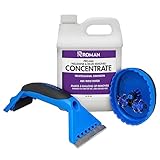
It becomes a whole new battle. I’ve had more success with a good scoring tool, a bucket of warm water with a dedicated wallpaper remover like Chomp or Zinsser’s product, and a wide putty knife or scraper.
You score the wall, apply the solution liberally, let it soak for about 15-20 minutes, and then scrape. It’s faster, cleaner, and often less frustrating than dealing with soggy wallpaper clumps that steam seems to create. The key is a good stripper solution that breaks down the adhesive effectively.
Plus, you don’t have to lug around a bulky steamer or worry about electrical cords near water. For vinyl-backed or older, painted-over wallpapers, a steamer is definitely more useful. But if you’re dealing with a newer, strippable paper, don’t be afraid to skip the steamer and go straight to the solution and scraper. You might be surprised at how much easier it is.
Practical Tips & Tricks for Steaming Success
So, you’ve decided to give the steamer a shot. Smart move, if your wallpaper isn’t the ‘peels off in one sheet’ kind. Here are a few things I’ve learned that will make your life considerably less miserable during this process.
First off, preparation is everything. Move all furniture away from the walls, cover floors with drop cloths or old newspapers (steam can make things damp, and you don’t want a sticky mess on your carpet or wood floors), and lay down extra protection near the baseboards.
Next, always start with a small, inconspicuous area to test how long you need to steam each section. You’re looking for the wallpaper to soften and begin to peel away easily. If it’s still clinging for dear life, give it a bit more steam.
If it’s practically disintegrating into mush, you’re steaming too long or too intensely. When you’re actually steaming, hold the steam plate flat against the wall. Don’t move it around too much; let the steam do its work. (See Also: Can You Use Removable Wallpaper On Desk )
Work in manageable sections, about two to three feet wide at a time. Once the wallpaper is softened, use a wide putty knife or a specialized wallpaper scraper to gently lift the edges and peel. Work from top to bottom.
If you encounter stubborn spots, reapply steam. Sometimes, you’ll find multiple layers of wallpaper. In that case, you’ll need to steam and scrape each layer individually. For vinyl-coated papers, the vinyl layer often peels off first, leaving the paper backing.
You’ll then need to steam and scrape that backing off. Don’t be tempted to use metal scrapers that can gouge the drywall – a plastic or flexible metal scraper is best.
And for the love of all that is holy, keep your electrical connections and water well away from each other. Safety first, always. After you’ve removed the bulk of the wallpaper, you’ll likely have some adhesive residue left.
A mild solution of warm water and a little dish soap, or a dedicated wallpaper adhesive remover, will usually do the trick. Wipe it down thoroughly with a damp sponge, and let it dry completely before you even think about painting or applying new wallpaper. A clean, dry wall is your best friend for a smooth finish.
Here’s a quick rundown of what to expect:
| Wallpaper Type | Steamer Effectiveness | Likely Outcome |
|---|---|---|
| Standard Paper-Backed | High | Easiest to remove, often comes off in large strips with minimal scraping. |
| Vinyl-Coated | High | Vinyl layer peels first, leaving backing. Steaming helps soften backing for scraping. |
| Textured/Embossed | Medium | Can be effective, but texture might hold more moisture or snag. Test first. |
| Painted Over | Medium-High | Paint may soften and peel with wallpaper. Steamer helps break down adhesive underneath. |
| Fabric/Silk/Specialty | Low | High risk of damage to the material. Not recommended. |
My verdict? If you have a lot of wallpaper to remove and it’s not a super-easy strippable type, a steamer is a worthwhile investment or rental. It saves your arms and your drywall. But if you’re just tackling a small area or have a modern peelable paper, you might find a good stripper solution and scraper does the job faster and with less fuss.
How Do I Remove Glue Residue After Steaming Wallpaper?
Once the wallpaper is off, you’ll almost always have some sticky adhesive residue left. The best way to tackle this is with a solution of warm water and a bit of dish soap or a dedicated wallpaper adhesive remover. A sponge or a wide putty knife can help you gently scrape away the softened glue. Rinse the area thoroughly with a clean, damp sponge to remove any soap or remover, and let the wall dry completely. A dry wall is important before you prime and paint or apply new wallpaper.
Can I Use a Clothes Steamer on Textured Wallpaper?
Textured wallpaper can be a bit trickier with a steamer. The texture itself can sometimes trap steam, leading to uneven softening of the adhesive. It can also make the texture itself more prone to damage or snagging as you try to peel. It’s definitely not a ‘no,’ but it is a strong ‘test it first in an inconspicuous area.’ You might find that you need to steam for a bit longer, or that the texture makes scraping more difficult. Be prepared for a potentially messier job with textured papers compared to smooth ones.
Verdict
So, can I use a clothes steamer to remove wallpaper? Yes, absolutely, with the right steamer and the right expectations. It’s not a magic wand that instantly vaporizes your old wall coverings, but it’s a powerful ally in softening that stubborn adhesive, especially for older or vinyl-coated papers. I’ve learned that a dedicated wallpaper steamer is a different beast than your average garment steamer, and the extra investment, or even a rental, can save you a mountain of frustration and potential damage to your walls.
Don’t expect it to be a one-pass miracle. You’ll still need patience and a good scraper. But compared to just brute force or relying solely on water, steam makes a significant difference. Remember to prep your space well, test in a small area, and always prioritize safety when dealing with electricity and water.
If you’re facing a wall that looks like it’s been wallpapered since the dawn of time, a steamer is probably your best bet. If you’re dealing with a modern, easily strippable paper, you might find a good chemical stripper and scraper faster, but for the tougher jobs, the steam is worth it. Good luck!