I remember staring at the hideous floral wallpaper in my first apartment, convinced I’d never get it off. The landlord just shrugged. It took me three solid weekends and a variety of questionable goo-removers to finally get down to bare plaster. So, when someone asked me recently, ‘Can I use a steam cleaner to remove wallpaper?’, my first thought was, ‘Oh, you sweet summer child.’
Look, I’m all for newfangled gadgets making life easier, especially when it comes to the soul-crushing task of wallpaper removal. But let’s be blunt: steam cleaners aren’t a magic bullet for every wallpaper situation. They work, sometimes, but they’re far from the miracle cure some folks make them out to be. Don’t throw your money at one before you know the score.
The Steam Cleaner Theory: How It’s Supposed to Work
The idea behind using a steam cleaner for wallpaper removal is pretty straightforward, and honestly, it makes a lot of sense on paper. Wallpaper adhesive, especially the older, more stubborn kinds, is basically a type of glue. Most glues can be softened or even dissolved with water. Steam is just water in its gaseous state, delivered in a way that’s more potent than a simple spray bottle. When you hold that hot steam against the wallpaper, the heat and moisture penetrate the paper and, theoretically, break down the adhesive’s bond with the wall.
The steam softens the glue, making it gummy and pliable. This allows you to then scrape the wallpaper off in larger, more manageable sheets, rather than in tiny, frustrating little flakes.
It’s supposed to be less physically taxing than endless scraping and less messy than soaking the walls with buckets of water. The heat also plays a role; it’s not just the water. Heat can expand materials and weaken bonds. So, you’re getting a double whammy of softening and loosening.
It sounds like a dream, right? Less elbow grease, less mess, and a faster job. That’s the theory, anyway.
The reality, as with most things in home improvement, is a bit more nuanced and often depends on a few key factors you can’t always control.
I’ve tried this method on a few different walls over the years. My first attempt was in a rental property with what I think was contractor-grade adhesive – the kind that feels like concrete when dry. I borrowed a friend’s steam cleaner, a mid-range model that cost him about $180. I held that steaming plate against the wall for what felt like an eternity, moving it about an inch every 30 seconds.
Some sections peeled off relatively cleanly, in strips about a foot wide. It felt like a win! Then I hit a patch where the paper had been painted over multiple times.
The steam just beaded up and rolled off. It barely made a dent. I ended up going back to a solution of hot water and a bit of dish soap for those sections, which worked better, believe it or not. This taught me that the type of wallpaper and the condition of the wall surface are huge players in whether steam cleaning is even a viable option.
It’s not just about the tool; it’s about the enemy you’re fighting.
What to Look for in a Steam Cleaner (and What to Avoid)
So, you’re thinking about buying a steam cleaner specifically for wallpaper removal, or maybe you already have one lying around. Good. Now let’s talk about what actually makes a difference. You don’t need the fanciest, most expensive industrial steamer you can find – those are overkill and frankly, way too much hassle for a single room. What you do need is something with a decent-sized water tank (so you’re not refilling every five minutes), a nozzle that can deliver a concentrated stream of steam, and enough power to generate hot, consistent steam.
I’ve seen people try to use those tiny handheld garment steamers. Don’t. Just don’t. They produce a pathetic puff of steam that evaporates before it even hits the wall. You’ll spend more time fiddling with the machine than actually removing wallpaper. What you want is something closer to a dedicated wallpaper steamer, or a multi-purpose steam cleaner that has a wallpaper attachment. These usually come with a large, flat plate that you hold against the wall. This plate traps the steam, allowing it to saturate the wallpaper and adhesive for a longer period. It’s like a mini sauna for your wall.
When I bought my first dedicated wallpaper steamer, I went for one that was advertised as being ‘powerful’ and had a good-sized tank – about a gallon. It cost me around $70. Honestly, it was a solid purchase. (See Also: Does Peel And Stick Wallpaper Damage Walls When Removed )
It took about 10 minutes to heat up, and then I could steam for a good 20-30 minutes before needing to refill. The plate was wide enough to cover a decent section of wall at a time. The key is consistent, hot steam applied for a sustained period.
If the steam is weak or cools down too quickly, you’re wasting your time. Also, pay attention to the cord length. You don’t want to be yanking extension cords every few feet because you’re tethered to a wall outlet.
Here’s a quick rundown of features that matter:
| Feature | What to Look For | Verdict |
|---|---|---|
| Tank Size | At least 1 gallon (for longer steaming sessions) | Key for efficiency. |
| Steam Plate Size | A wide, flat plate (6-10 inches) for maximum contact | Important for even heating. |
| Heat-Up Time | Under 15 minutes | Saves precious time. |
| Cord Length | At least 15 feet | Reduces hassle with extensions. |
| Steam Output | Consistent, hot steam (not wispy) | The whole point of the exercise. |
| Ease of Use | Comfortable to hold for extended periods | Your arms will thank you. |
The Common Mistakes People Make (and How to Avoid Them)
Alright, let’s talk about the screw-ups. Because trust me, I’ve made most of them.
The biggest mistake I see people make when attempting to remove wallpaper with a steam cleaner is impatience. They treat it like a quick spray-and-wipe job. You can’t just blast a section with steam for 10 seconds and expect the paper to fall off. It needs time to soak, to penetrate, to do its thing.
I learned this the hard way in my old rental. I was rushing, trying to get it done before dinner, and I was just pushing the steamer around like a vacuum cleaner. Big mistake.
The wallpaper came off in tiny, gummy strips that were ten times harder to remove than if I’d just used a scraper and hot water from the start. It was a mess, and I ended up with sticky residue all over the place.
Another common blunder is not preparing the wall properly. You need to score the wallpaper first if it’s vinyl or has a plastic coating. If you don’t, the steam just can’t get through the plastic layer to reach the adhesive underneath.
Imagine trying to steam a plastic-wrapped sandwich – the heat and steam are going to bounce right off. You can use a scoring tool (they’re cheap and available at any hardware store) to create tiny perforations all over the wallpaper. This allows the steam to penetrate effectively. Some people skip this step, thinking the steam is so powerful it’ll find a way through.
It won’t. Not on most modern wallpapers, anyway. I’ve seen people get frustrated and start hacking at the wall with the steam plate, which just damages the drywall underneath. Save yourself the headache and just score the damn paper.
Over-saturating is another trap. While you need to let the steam work, you don’t want to turn your wall into a swimming pool.
Too much water can seep into the drywall and cause damage, or even get behind the paper and loosen the adhesive on the other side of the wall, which is a whole other can of worms. Focus on holding the steam plate steady over a section for about 30-60 seconds, or until you see the paper start to bubble or lift at the edges.
Then, gently try to peel it back with a scraper. If it’s not coming easily, give it another 15-30 seconds of steam. It’s a balancing act. (See Also: Can You Remove Wallpaper To Repaint )
You want it wet enough to loosen the glue, but not so wet that you’re causing structural damage. And for the love of all that is holy, make sure your electrical outlets are covered and you’re not standing in a puddle of water. Safety first, people!
When Steam Works Like Magic (and When It Doesn’t)
Let’s be honest: there are times when using a steam cleaner to remove wallpaper feels like you’ve discovered the secret cheat code to DIY. These are usually the situations where the wallpaper is older, possibly porous, and hasn’t been painted over. Think of those delicate, paper-backed designs from the 70s and 80s. When you hit one of those with steam, and it just glides off in huge, glorious sheets, it’s incredibly satisfying.
I had a client once whose entire dining room was covered in this really thin, almost tissue-like floral paper. I was dreading it, expecting days of scraping. I fired up my steamer, held the plate to the wall, and the whole layer just melted away.
No scoring needed, no residue, just clean plaster underneath. It took me maybe two hours to do the whole room.
I almost cried tears of joy.
But here’s the flip side, the part no one likes to talk about: when it doesn’t work. The biggest culprit? Painted-over wallpaper. If you have wallpaper that’s been painted, especially with a semi-gloss or gloss paint, the steam is going to have a really tough time.
The paint creates a barrier, just like vinyl coatings do. The steam can’t penetrate effectively.
You’ll be holding that hot plate there for ages, and all you’ll get is a slightly steamed-up paint surface and maybe a few stubborn bits of paper stubbornly clinging to the wall. I’ve spent hours on painted wallpaper with a steamer, only to abandon it and resort to a chemical stripper. It’s demoralizing and a complete waste of time and energy. The common advice is to score, but even with scoring, if there are multiple thick coats of paint, the steam just isn’t going to get through effectively enough to loosen the glue.
Another situation where steam cleaners can fall short is with very old, brittle wallpaper or walls that have been wallpapered multiple times. Sometimes the paper disintegrates into a million tiny pieces under the steam, making it even harder to clean up.
Or, the steam can loosen the plaster or drywall paper layer underneath the wallpaper, causing damage that’s far more extensive than just removing the paper. I learned this when I was trying to strip some ancient, layered wallpaper in a historic house. The steam was so effective at loosening the adhesive that it also started to loosen the actual plaster from the lath. I ended up with chunks of plaster falling off.
That was a much, much bigger repair job than I’d ever anticipated. So, while steam can be a lifesaver, know its limits. It’s not a universal solution, and sometimes the old-fashioned methods, or a good chemical stripper, are still your best bet.
When to Call in the Professionals (or at Least, a Better Tool)
Look, I’m a DIY enthusiast. I love getting my hands dirty and saving a buck. But there comes a point where you have to ask yourself if the time, effort, and potential for damage are really worth it. If you’ve tried steam cleaning on a section of wall and it’s barely budging, or if you’re dealing with multiple layers of wallpaper, a thick coat of paint, or very delicate plaster walls, it might be time to reconsider your approach. Forcing a steam cleaner to do a job it’s not suited for can lead to a lot of frustration and costly mistakes.
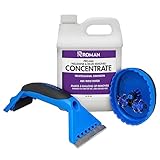
Sometimes, the best tool for the job isn’t a steam cleaner at all. For particularly stubborn wallpaper, especially vinyl or heavily painted varieties, a dedicated wallpaper stripper solution can be more effective. (See Also: Can You Use Removable Wallpaper On Desk )
These are chemical solutions you mix with hot water. They contain ingredients designed to break down the adhesive more aggressively than plain water or steam alone. You apply it generously with a sponge or roller, let it sit for the recommended time, and then scrape. I’ve found these to be more consistent than steam on really tough jobs.
They can be a bit messy, and you need good ventilation, but they often get the job done faster and with less collateral damage than wrestling with a steamer on a wall that’s fighting back.
Then there’s the option of renting a professional-grade wallpaper steamer. These machines are more powerful than most consumer models and are designed for heavy-duty use. If you have a very large area to strip, or if you’ve encountered particularly stubborn adhesive, renting one for a day or two might be more cost-effective and efficient than buying a cheap consumer model that might not do the trick.
You can often find them at tool rental places for a reasonable daily rate, maybe around $25-$40 a day. This way, you get the power of a professional machine without the long-term investment.
If after trying these methods, you’re still struggling, or if the walls are showing signs of damage, it might be time to call in a professional wallpaper removal service. They have the experience and specialized tools to tackle even the most difficult jobs without damaging your walls.
It might cost more upfront, but it can save you a lot of time, stress, and potential repair bills down the line. Sometimes, knowing when to hand over the reins is the smartest move.
Frequently Asked Questions About Steam Cleaning Wallpaper
Can Steam Damage Drywall?
Yes, steam can damage drywall if overused or if the drywall is already compromised. Excessive moisture can weaken the paper facing of the drywall, leading to bubbling, peeling, or even structural damage. It’s important to avoid over-saturating the wall and to make sure the steam is applied consistently without lingering too long in one spot.
Will Steam Remove All Types of Wallpaper?
No, steam is not effective on all types of wallpaper. It works best on porous, unpainted papers. Vinyl, foil, and heavily coated wallpapers, as well as any wallpaper that has been painted over, will likely resist steam penetration, making it difficult or impossible to remove effectively with this method alone.
How Long Should I Steam a Section of Wallpaper?
The amount of time you should steam a section of wallpaper varies depending on the type of paper and adhesive. Generally, aim for 30-60 seconds of consistent steam application. You should see the wallpaper start to bubble or lift at the edges. If it’s not loosening, give it an additional 15-30 seconds, but avoid prolonged steaming in one spot to prevent damage.
Is Scoring Wallpaper Necessary Before Steaming?
Scoring is absolutely necessary for non-porous wallpapers, such as vinyl or foil, before steaming. This creates tiny holes that allow the steam to penetrate the paper and reach the adhesive. For porous, unpainted papers, scoring may not be strictly necessary but can sometimes still help the steam penetrate more quickly and evenly.
What Is the Alternative If Steam Doesn’t Work?
If steam doesn’t work, your best alternatives include using a specialized wallpaper stripper solution mixed with hot water, or employing a chemical wallpaper remover. For very difficult jobs or large areas, renting a more powerful wallpaper steamer or hiring a professional are also viable options. Sometimes, dry scraping and a lot of patience are still required.
Final Verdict
So, can I use a steam cleaner to remove wallpaper? The answer is a qualified ‘yes’. It’s a tool that can be incredibly effective on the right kind of wallpaper under the right conditions. Think of it as a helpful assistant, not a miracle worker. You’ve got to do your homework, pick the right machine, and know when to push and when to back off.
Don’t expect it to be a magical solution for every peeling-paint-covered, multi-layered wallpaper nightmare you encounter. When it works, it’s a beautiful thing, saving you sweat and tears. When it doesn’t, you’ll just end up with a steamy mess and a wall that’s still decorated. In those tough cases, be prepared to pivot to a stripper solution or even consider professional help rather than damaging your walls trying to force the issue.
My advice? If you’ve got a simple, unpainted paper situation, give a steamer a shot. But if you’re facing something more complicated, weigh the costs of your time and potential wall repairs against the cost of a chemical stripper or a professional. Sometimes, the cheapest option isn’t the best one in the long run.