I remember staring at that hideous floral wallpaper in my first apartment, convinced it was some kind of ancient curse. The landlord said, “Just peel it off.” Yeah, right. Hours later, I was covered in sticky residue, my hands raw, and the wall looked worse than before. This is where the question, “can i use an iron to remove wallpaper,” often pops into people’s heads. It sounds like a hack, a quick fix. But is it a good one?
The internet is full of DIY tricks, some brilliant, some downright dangerous. When you’re faced with stubborn wallpaper, the temptation to grab the nearest household appliance is strong. I’ve certainly been there, wishing for a magic wand instead of a scraper.
So, let’s cut to the chase. Can you use an iron? The short answer is, sort of. But you’re going to want to hear the rest of the story before you plug in your trusty garment steamer.
The ‘iron’ Method: What the Hype Is All About
The idea behind using an iron, or more commonly a garment steamer, to remove wallpaper boils down to heat and moisture. Wallpaper adhesive, especially the old-school stuff, can be softened and dissolved by these two elements. Think of it like trying to scrape dried-on gunk off a counter – a little warm water makes it manageable. The iron or steamer basically does the same thing, but on a vertical surface and with a bit more oomph.
How it’s supposed to work is pretty straightforward. You heat up the wallpaper with the iron or steamer, which loosens the glue. Then, you’re supposed to be able to peel or scrape it off easily. Some folks swear by holding an iron on a medium-hot setting directly against the wallpaper (with a towel or cloth in between to protect the iron and the wall, obviously). Others opt for a garment steamer, which injects steam more directly. The steam penetrates the wallpaper and gets to the adhesive underneath.
I tried the iron-on-a-towel trick once, years ago, on a particularly stubborn vinyl-coated paper. My thinking was, it’s a contained heat source, less likely to mess things up than a big ol’ wallpaper steamer I didn’t own. The reality? It was agonizingly slow. I’d hold the iron there for what felt like an eternity, then try to scrape. It worked, maybe, on a tiny patch. But the effort-to-reward ratio was abysmal. It was like trying to eat soup with a fork. It technically works, but you’d rather not.
The problem is, wallpaper isn’t a uniform material. Some papers are thick and porous, others are thin and plastic-coated. The adhesive also varies wildly. What might loosen one type of glue might do nothing to another. And the heat from an iron, while localized, can sometimes scorch or melt certain types of wallpaper, making a bigger mess than you started with. Plus, you’re limited to small sections, making it an incredibly time-consuming process for an entire room. This is why many people, including myself, eventually ditch the DIY appliance route for dedicated tools.
Why Dedicated Tools Beat the Kitchen Drawer
Look, I appreciate a good life hack as much as the next person. I’ve used a butter knife to fix a wobbly chair leg and a credit card to scrape ice off my windshield. But when it comes to removing wallpaper, especially if you have more than a postage-stamp-sized area to tackle, you’re really shooting yourself in the foot by sticking to household items like an iron. It’s a classic case of using the wrong tool for the job, and it’s a mistake I’ve seen friends make, and frankly, one I’ve made myself in a pinch.
The core issue is that household irons aren’t designed for this. They produce dry heat. While heat helps, it’s the moisture that really breaks down most wallpaper adhesives. A garment steamer is closer, but they are usually designed for delicate fabrics and don’t pump out the volume of steam needed for a large wall without a lot of fuss. Holding it in one spot for ages can also potentially damage drywall if you overdo it, making the wall absorb too much moisture and weakening the paper.
This is where dedicated wallpaper removal tools shine. Wallpaper steamers, the ones designed specifically for the job, are beasts. They have large water reservoirs, produce a consistent, high volume of steam, and come with hose attachments that allow you to hold the steam plate against the wall for efficient loosening. (See Also: Does Peel And Stick Wallpaper Damage Walls When Removed )
They’re an investment, sure, usually costing somewhere in the $50 to $100 range depending on the model, but they save you hours of back-breaking labor and potential wall damage. I remember my first time using a proper wallpaper steamer; it felt like I’d opened a cheat code for home renovation. That same wall that took me half a day with scrapers and a prayer was stripped bare in a couple of hours, glue and all.
Then there are the scrapers. You can find specialized wallpaper scrapers with long handles and angled blades that give you use and control. Trying to do this with a putty knife is like trying to dig a trench with a spoon. It’s possible, but you’ll be there until next Tuesday. Investing in a decent scraper set, maybe $20-$30, is another no-brainer.
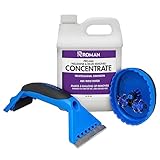
And let’s not forget the chemicals. While I’m generally not a huge fan of spraying random chemicals around my house unless absolutely necessary, wallpaper removal solutions are formulated to break down specific types of wallpaper paste. They are far more effective and often safer for your walls than improvising with household cleaners or, heaven forbid, trying to steam your paint job to death.
| Tool | Pros | Cons | Verdict |
|---|---|---|---|
| Household Iron/Garment Steamer | Might work on tiny patches. Accessible. | Slow, inefficient, can damage wallpaper/iron. High risk of over-wetting drywall. Not designed for this. | Last resort for a tiny, isolated spot. Otherwise, a waste of time. |
| Dedicated Wallpaper Steamer | Efficient, fast, designed for the job. Good for large areas. | Requires purchase, can be bulky, needs water refills. | Highly recommended. Worth the investment for any significant wallpaper removal. |
| Wallpaper Scraper (Long Handle) | Provides use, saves your back and knees, efficient scraping. | Requires purchase. | Key companion to a steamer or solution. Makes a huge difference. |
| Wallpaper Removal Solution | Effectively breaks down adhesives. Can be easier than steaming for some. | Requires purchase, can be messy, needs ventilation. Potential for wall damage if misused. | Good alternative or supplement to steaming, especially for tough adhesives. |
The Real Way to Tackle Stubborn Adhesive
Okay, so you’ve decided against the iron-on-a-towel method (smart move). Now, let’s talk about how to actually get that sticky gunk off your walls without resorting to sanding your drywall down to the studs. This is where the real work, and the real satisfaction, comes in. I’ve wrestled with some truly heinous adhesives in my time, the kind that seem to be bonded with superglue and pure spite. The key is patience and the right approach, often a combination of methods.
First, you need to score the wallpaper. This is important, especially for vinyl-coated or glossy papers that are designed to resist moisture. You need to create tiny perforations so that your steam or removal solution can actually penetrate to the adhesive layer underneath. You can buy special scoring tools (they look like tiny pizza cutters with little spikes) or even use a fork if you’re really in a pinch, though a dedicated scoring tool is much more effective and less likely to damage the drywall itself. Don’t go crazy; you’re not trying to shred the paper, just make enough tiny holes for the magic to happen.
Once scored, it’s time for the steamer or solution. If you’re using a steamer, work in small sections. Hold the steam plate against the wall for 30-60 seconds, letting the steam loosen the glue. Immediately after steaming a section, grab your long-handled scraper and start working from a corner or edge. You should find that the wallpaper and adhesive peel away much more easily. If it’s still fighting you, give it another blast of steam.
If you’re using a removal solution, follow the product instructions carefully. Usually, you’ll mix it with water and apply it with a sponge or garden sprayer. Let it soak for the recommended time, then scrape. Some solutions are designed to be left on, while others need to be rinsed. The smell can be a bit much, so make sure you’ve got good ventilation.
My personal favorite strategy, when faced with a truly ancient and stubborn adhesive, is a hybrid approach. I’ll score the paper, then apply a wallpaper removal solution and let it sit for a good 15-20 minutes. Then, I’ll use the steamer on sections to keep the moisture active and scrape.
It’s a bit of a multi-pronged attack, but it usually gets even the most tenacious wallpaper off without destroying the drywall. I once had a wall where the wallpaper had been up for probably 40 years, and the adhesive was like concrete. It took three passes of solution, scoring, and steaming, and a whole lot of elbow grease, but eventually, it surrendered. The feeling of finally getting to a clean, bare wall is incredibly rewarding. (See Also: Can You Remove Wallpaper To Repaint )
Common Mistakes People Make (and I’ve Made Too)
It’s easy to get excited about a DIY project and then hit a wall – literally. When it comes to wallpaper removal, there are a few classic blunders that can turn a manageable task into a nightmare. I’ve stumbled into most of them myself, usually when I was impatient or thought I knew better than the instructions. Learning from these mistakes is key to a smoother renovation process.
One of the biggest mistakes is not scoring the wallpaper properly, or at all. As I mentioned, if you have vinyl, foil, or washable wallpaper, the backing is designed to repel water. Without scoring, your steam or solution just beads up and rolls off, doing almost nothing to the adhesive. You end up standing there, steaming a single spot for ten minutes, wondering why nothing is happening. Trust me, I’ve been there, feeling like an idiot while the wallpaper just sat there, mocking me.
Another common pitfall is using too much water, especially with a steamer. While moisture is your friend, saturating the drywall can cause it to swell and break down. This turns a wallpaper removal job into a drywall repair job, which is far more involved and costly. You want the steam to loosen the glue, not turn your wall into papier-mâché. Aim for controlled bursts of steam and work quickly.
People also often try to peel off large sections of wallpaper without properly loosening the adhesive underneath. This leads to tearing the paper, leaving the backing stuck to the wall, and then having to scrape off tiny, stubborn bits of paper and glue. It’s far more efficient to tackle small, manageable sections, making sure the adhesive is softened before you start scraping. A little patience here saves a lot of frustration later.
Then there’s the scraper situation. Using a flimsy putty knife or, worse, a utility knife blade directly on the wall, is a recipe for gouges and scratches. Invest in a proper wallpaper scraper with a long handle. It gives you use and control, and the blade is designed to shave off the adhesive without digging into the drywall. I once tried to hurry the process by using a kitchen knife, and the gouges I left were a nightmare to patch later. My $25 scraper would have saved me hours of spackling.
Finally, and this is a big one, people underestimate the power of a good wallpaper removal solution. They think they can just rely on hot water or a bit of dish soap. While those might work on very old, very simple wallpaper, most modern adhesives require something a bit more potent. Using a dedicated solution makes sure you’re attacking the glue with the right chemistry, making the entire process faster and more effective.
A Word on Alternatives: Strippable vs. Peel-and-Stick
Before you even think about grabbing that iron or steamer, it’s worth considering the type of wallpaper you’re dealing with. Not all wallpaper is created equal, and this dramatically affects how easy, or difficult, it will be to remove. The industry has gotten smarter over the years, offering options that make the DIYer’s life a lot easier. The two big ones to know about are strippable and peel-and-stick wallpapers.
Strippable wallpaper is designed to be removed in large pieces, often in sheets, without needing to soak or steam it extensively. The adhesive used is typically formulated to release cleanly from the wall. You usually just start at a corner, peel it back, and it comes off. Sometimes, a little residue might remain, which can be cleaned with warm water or a mild solution. This is the holy grail of wallpaper removal. If you’re buying new wallpaper, always opt for strippable if easy removal is a concern for you down the line.
Peel-and-stick wallpaper takes this a step further. It’s basically a large sticker. You peel off the backing and apply it to the wall. Removal is usually as simple as peeling it off, much like removing a sticker from a jar. It’s fantastic for renters, temporary accent walls, or for people who like to change their decor frequently. It leaves virtually no residue and is incredibly forgiving. I’ve used peel-and-stick for a few small projects, and the removal process was so ridiculously easy it felt like cheating. It’s a big deal compared to traditional paste-applied papers. (See Also: Can You Use Removable Wallpaper On Desk )
The catch, of course, is that you might be paying a bit more for these conveniences. Traditional wallpaper, especially the patterned or textured kind, can be cheaper upfront. But when you factor in the time, effort, and potential for wall damage involved in removing it, the cost difference often shrinks considerably. If you’re dreading the wallpaper removal process, spending a little more on strippable or peel-and-stick is often a wise investment in your sanity.
So, while the question of whether you can use an iron to remove wallpaper might come up, it’s really a symptom of a larger problem: dealing with wallpaper that wasn’t designed for easy removal. The best ‘hack’ is to choose your wallpaper wisely from the start, opting for modern materials that make the end-of-life process a breeze.
Can You Use a Hair Dryer to Remove Wallpaper?
Similar to an iron, a hair dryer can provide heat, which helps soften the adhesive. However, it’s less effective than a dedicated steamer because it lacks moisture and concentrated heat. It’s also very slow and best suited for very small areas or specific sticky spots. You’re likely to end up with a sore arm and minimal progress on a whole room.
Is Wallpaper Steaming Bad for Drywall?
Excessive steaming can be bad for drywall. If you apply steam for too long in one spot, the moisture can seep into the drywall paper and the gypsum core, causing it to weaken, swell, and potentially crumble. The key is to use a dedicated wallpaper steamer with a steam plate and work in controlled sections, moving the steamer frequently.
What Is the Best Way to Remove Old Wallpaper Glue?
The best way to remove old wallpaper glue is typically a combination of scoring the wall, applying a wallpaper removal solution, and then scraping. For truly stubborn glue, a wallpaper steamer can help reactivate the adhesive. Sometimes, a mild abrasive cleaner might be needed after the bulk of the glue is removed, followed by a thorough rinse with clean water.
How Long Does It Take to Steam a Wall for Wallpaper Removal?
The time it takes to steam a wall for wallpaper removal varies greatly depending on the type of wallpaper, the adhesive, and the steamer’s power. For a strong, vinyl-coated wallpaper, you might need to hold the steam plate on a section for 30-60 seconds before scraping. For easier papers, 15-30 seconds might be enough. A whole room can take anywhere from 2-8 hours, depending on the size and complexity.
Verdict
So, to circle back to that burning question: can i use an iron to remove wallpaper? Yes, technically, you can. But is it a good idea? Not really. It’s like trying to hammer a nail with a shoe – you might get it in, but you’ll probably dent the shoe and won’t have a straight nail.
You’re far better off investing in the right tools. A dedicated wallpaper steamer, a good scraper, and maybe a removal solution will save you time, sweat, and potential damage to your walls. I learned this the hard way, and I’m telling you now to avoid the frustration.
If you’re dealing with a new project, seriously consider strippable or peel-and-stick options. They’re designed for easy removal and will save you a world of pain down the line. Ultimately, the goal is a clean, smooth wall ready for its next chapter, not a battleground of torn paper and sticky residue.