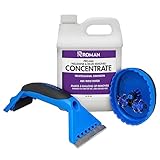
I stood there, a bucket of sudsy water in one hand and a scraper in the other, staring at a wall that looked like it had the measles. Years of hideous floral wallpaper stared back, mocking my optimism. Like many of you, I’d scoured forums and Pinterest for the magic bullet, and somewhere along the line, the idea of using fabric softener to remove wallpaper popped up. Seemed too easy, right? But desperation makes you try weird things. So, can I use fabric softener to remove wallpaper? Let’s get real about it.
Honestly, the first time I heard this suggestion, I rolled my eyes so hard I think I saw my brain. Fabric softener? The stuff that makes your towels feel like clouds? How could that possibly tackle stubborn, ancient wallpaper paste? But hey, I’ve wasted plenty of money on specialized removers that did squat, so a few dollars on Downy seemed like a gamble worth taking in a moment of sheer wallpaper-induced madness.
The Fabric Softener Myth: Why People Even Think This Might Work
Alright, let’s tackle the elephant in the room: why does the idea of using fabric softener to remove wallpaper even exist? It’s a common question that pops up when you’re staring down a wall that seems determined to stay put. The theory, as far as I can gather from whispers on the internet, hinges on the idea that the softening agents in fabric softener might somehow break down the adhesive holding the wallpaper to the wall. Think of it like this: fabric softeners are designed to coat fabric fibers, making them smoother and less clingy. Proponents suggest this coating action could penetrate the paper and loosen the glue. It sounds… plausible, in a very roundabout, ‘wishful thinking’ sort of way.
My own initial thought process went something like this: hot water is often recommended for wallpaper removal. Fabric softener is often mixed with water. Therefore, fabric softener + water must be a supercharged version of hot water. Simple, right?
Wrong. So, so wrong. I remember one particularly stubborn patch of vinyl-coated monstrosity in my old rental.
The landlord had plastered it on with what felt like industrial-grade adhesive. I’d tried everything – steaming, scoring, commercial removers that smelled like a chemical spill. Someone suggested fabric softener.
I mixed up a generous glug of my wife’s floral-scented stuff into a spray bottle, doused the wall, and waited. And waited. And waited some more. The only thing that softened was my resolve.
The wallpaper remained stubbornly adhered, and my room smelled faintly of a grandma’s linen closet. It was a disaster, albeit a fragrant one.
The truth is, fabric softener contains quaternary ammonium compounds, which are surfactants. Surfactants can indeed help break down grease and grime, and some adhesives are oily in nature. However, wallpaper paste is typically starch-based or a vinyl adhesive. These are not designed to be broken down by the same ingredients that make your socks feel less static-y. While it might seem like it’s working on a tiny scale by slightly dampening the paper or creating a slippery surface, it’s not chemically engineered to dissolve the glue itself. It’s a bit like trying to clean your car with dish soap – it might get some dirt off, but it’s not designed for the job and could even cause issues.
The real issue with this DIY hack is that it’s misleading. It preys on the desire for a simple, cheap solution. People are already frustrated with wallpaper removal – it’s a messy, labor-intensive job. When you hear about a ‘secret trick’ that uses something you already have in your laundry room, it sounds like a godsend. But often, these ‘hacks’ are either based on a misunderstanding of how things work or are simply old wives’ tales that get passed around without anyone actually verifying their effectiveness. I’ve seen this happen with so many cleaning ‘tips’ – things that sound clever but just end up wasting your time and making a bigger mess.
The common advice you’ll find elsewhere often vaguely mentions surfactants or the lubricating properties of fabric softener. What they don’t tell you is that these properties are insufficient for the task. They might help you scrape a tiny bit easier if the paper is already lifting, but they aren’t the primary reason for removal. It’s like using a butter knife to saw through a tree branch – you might make a tiny scratch, but you’re not going to get the job done. The amount of fabric softener needed to have any significant effect would likely be exorbitant and still wouldn’t break down the adhesive effectively. It’s the ’emperor has no clothes’ situation of DIY wallpaper removal.
So, What Actually Works? The Real Deal on Wallpaper Removal
Okay, if fabric softener is a bust, what’s the actual, no-nonsense way to get that ghastly paper off the walls? Forget the miracle cures and the laundry room shortcuts. The most reliable methods involve understanding the type of wallpaper and the adhesive used. For most standard, un-coated papers, hot water and a good stripping agent are your best friends.
You can buy specialized wallpaper stripping solutions from any hardware store. These aren’t usually wildly expensive, and they are formulated to break down common wallpaper adhesives. They often contain enzymes or other chemicals that specifically target the glue. You mix them with hot water, apply liberally (scoring the wallpaper first is usually a good idea to let the solution penetrate), and let it soak.
This is my go-to for most situations. It’s not glamorous, but it’s effective.
The scoring part is key. You need to create tiny holes or perforations in the wallpaper surface, especially if it’s vinyl-coated or has a shiny finish. Otherwise, the water or stripper will just bead up and roll off.
A scoring tool looks like a miniature pizza cutter with tiny spikes. You just run it over the surface of the wallpaper in a random pattern. Don’t go crazy – you don’t want to gouge the drywall underneath. Just enough to break the surface tension.
Then, when you apply your hot water and stripper, it can seep into the paper and reach the adhesive. I learned this the hard way; I once spent an hour trying to remove a particularly stubborn section, only to realize I hadn’t scored it properly. (See Also: Does Peel And Stick Wallpaper Damage Walls When Removed )
Once I got the scoring tool out, the whole section practically peeled itself off.
For more stubborn, vinyl-coated, or older wallpapers, steaming is often the next level up. A wallpaper steamer is an investment, sure, but if you plan on doing a lot of wallpaper removal, it’s worth its weight in gold. You hold the steam plate against the wall for a minute or two, and the steam works its way under the paper, softening the adhesive to a remarkable degree. It’s messy, you’ll get drips, and you’ll feel like you’re working in a sauna, but it is incredibly effective.
I once tackled a bathroom wallpaper that had been up for probably twenty years, through countless steamy showers. Commercial removers barely touched it. The steamer? It was like butter.
I was able to peel off huge sheets in one go. The key with steaming is patience; don’t try to rush it. Let the steam do its work.
What about those PAA questions? ‘How do you remove wallpaper glue residue?’ That’s a important follow-up. Once the paper is off, you’ll often be left with a sticky, gummy mess of glue. Don’t just paint over it! You’ll regret it. For this, a simple solution of warm water and a good scrub brush usually does the trick. Sometimes, a little bit of dish soap can help break down the residue. If it’s really stubborn, you might need a specific adhesive remover, but usually, good old elbow grease and a sponge or cloth are sufficient. You want a clean, smooth surface before you even think about priming or painting.
Here’s a quick rundown of the most effective methods and when to use them:
| Method | Best For | Pros | Cons | My Verdict |
|---|---|---|---|---|
| Hot Water & Stripping Solution | Standard paper, vinyl-coated | Inexpensive, readily available | Requires time and elbow grease | Reliable workhorse |
| Wallpaper Steamer | Stubborn, old, or multiple layers | Highly effective, fast for tough jobs | Investment in tool, can be messy | Game changer for difficult walls |
| Scraping Alone | Very loose paper, minimal adhesive | No chemicals, quick for small areas | Ineffective for most situations, damages drywall | Avoid unless paper is practically falling off |
The takeaway here is that effective wallpaper removal isn’t about finding a shortcut; it’s about using the right tool and technique for the job. While fabric softener might sound appealingly simple, it’s just not designed for this kind of heavy lifting. You’re better off investing a few dollars in a proper stripper or a steamer if you’re facing a big project. Trust me, your walls—and your sanity—will thank you.
When ‘cheap’ Actually Costs More: The Downsides of Fabric Softener Hacks
I’ve learned the hard way that the cheapest option isn’t always the best. In fact, it’s often the most expensive in terms of time, effort, and potential damage. Using fabric softener to remove wallpaper falls squarely into this category. You might save a few bucks on not buying a specialized remover, but what you gain in cost savings, you lose tenfold in effectiveness and can even end up creating more problems. Think about it: if fabric softener really worked, everyone would be doing it, and companies wouldn’t be selling dedicated wallpaper strippers. The fact that they do speaks volumes.
One of the biggest downsides is the sheer amount of time you’ll waste. You’ll be standing there, spraying and scraping, waiting for something, anything, to happen. Meanwhile, the fabric softener is just sitting there, making the wallpaper slightly damp and your room smell like a field of synthetic lavender. You’ll end up applying more and more, trying to force it to work, all while the adhesive remains stubbornly in place.
This translates to hours of frustration that could have been spent using a product that actually does what it’s supposed to do. I remember one instance where I spent nearly two hours on a small patch of wall with a fabric softener concoction, convinced I was just not waiting long enough. Eventually, I gave up, went to the store, bought a proper stripper, and had the whole section down in under thirty minutes.
Then there’s the risk of damage. While fabric softener isn’t as harsh as some industrial chemicals, it’s not meant for drywall.
The excess moisture, combined with vigorous scraping that you’ll inevitably do when the ‘softener’ isn’t working, can lead to soggy drywall paper. This can cause the drywall itself to weaken or even start to break down.
You might end up with gouges, tears, or soft spots that will need to be repaired before you can even think about repainting or applying new wallpaper. Repairing drywall is a whole other job, one that requires spackling, sanding, and painting, adding significantly to your project timeline and cost.
It’s the classic example of trying to save a dime and losing a dollar (or several).
Another often overlooked issue is the residue. While fabric softener might not leave a strong adhesive residue, it can leave behind a film from its own chemical compounds. This film can interfere with the adhesion of primer or paint. You might find that your new paint doesn’t adhere properly, or that you have patchy coverage. You could end up having to wash the walls again, this time with a specific cleaner to remove the fabric softener residue. It’s a never-ending cycle of trying to fix a problem that you created by not doing it right the first time. The goal is a clean, smooth, receptive surface for your next decorative step. Fabric softener doesn’t provide that.
Contrarian opinion time: Some folks will argue that any liquid helps soften wallpaper paste, and fabric softener is just a cheaper liquid. They might say it’s the water doing the work, and the softener is just a bonus. I disagree. While water is definitely a component of most effective removers, the specially formulated stripping agents have ingredients that are designed to actively break down the specific chemical bonds in wallpaper adhesives. (See Also: Can You Remove Wallpaper To Repaint )
Plain water, or water with a household product not designed for the task, is simply not as efficient. You might get some movement, but it’s like comparing a gentle stream to a high-pressure hose – one is just far more effective at its intended purpose.
Trying to use fabric softener is like bringing a spoon to a knife fight. You might make contact, but you’re severely outmatched.
The ‘how-To’ (if You’re Still Curious) and What to Watch For
Look, I’m not going to outright forbid you from trying fabric softener. If you’re the experimental type, or you’ve got a tiny, insignificant patch of paper you’re desperate to test on, knock yourself out. But if you’re going to do it, do it with your eyes wide open, and at least try to do it ‘right,’ in the fabric softener sense. First, you’ll need a spray bottle. Mix about half a cup of liquid fabric softener with a gallon of warm water. Some people suggest adding a splash of vinegar, but honestly, at that point, you’re just adding more variables to an already questionable solution. Agitate it gently to mix.
Next, and this is important for any wallpaper removal, score the wall. Use a scoring tool to create a pattern of tiny holes all over the surface of the wallpaper. This is a must, whether you’re using fabric softener or a professional stripper. Without scoring, the liquid will just sit on the surface and evaporate. Once scored, liberally spray the fabric softener solution onto the wallpaper. Don’t be shy; you want it saturated. Then, you need to wait. This is where most people get impatient. The recommendation is usually 15-20 minutes, but honestly, with fabric softener, you might need longer. The paper should start to look saggy and lose some of its sheen.
After waiting, try to peel a corner. If it comes off easily, great! Proceed with scraping gently. If it’s still stuck fast, spray it again and wait longer. You might need multiple applications. This is where the ‘waste of time’ aspect really comes into play. You’ll be doing this over and over. If you’re lucky, the fabric softener might loosen the paste enough for a scraper to work without damaging the drywall. You want to hold the scraper at a low angle to the wall to avoid gouging. Work in small sections.
What to watch for when using fabric softener (or any liquid, for that matter):
- Drywall Damage: If you’re seeing the paper layer of your drywall start to tear or the drywall itself look soggy, stop. You’re applying too much liquid, or scraping too aggressively.
- Adhesive Sticking: Is the wallpaper coming off, but leaving a thick, stubborn layer of glue behind? That means the fabric softener (or whatever you’re using) isn’t effectively breaking down the adhesive. You’ll need a proper adhesive remover for this part.
- Mold/Mildew Potential: If you leave walls excessively damp for extended periods, especially in humid environments like bathrooms or kitchens, you risk encouraging mold or mildew growth behind the wallpaper. This is a serious health hazard.
- Smell: Be prepared for your room to smell strongly of fabric softener for a while. Some people find this pleasant; others find it overwhelming. It’s a sensory side effect you need to be aware of.
I had a friend who swore by using dryer sheets soaked in water for dusting. Sounded like a good idea, right? Less dust, nice smell. Except the sheets leave behind a fine residue that makes surfaces feel slightly waxy, and it collects dust even faster. It’s a similar kind of ‘hack’ logic. It seems like it should work, but the underlying principles aren’t aligned. For wallpaper removal, it’s important to understand that you’re dealing with a strong adhesive that requires a chemical breakdown or a powerful physical force (like steam). Fabric softener offers neither.
Real-World Scenarios: When a ‘hack’ Might Actually Be a Hail Mary
Let’s be blunt: I’ve seen fabric softener mentioned in the context of wallpaper removal so many times that I have to believe there’s some reason it persists. Maybe it’s because, in very specific, rare circumstances, it might offer a slight benefit, or maybe it’s just the placebo effect of trying something different. I’m going to lean towards the former, but only with massive caveats. Imagine this: you’re trying to remove a very old, very thin, almost brittle paper wallpaper that’s already peeling at the edges.
The adhesive underneath is old and dry, not the tenacious vinyl glue of modern papers. In this case, any liquid might help to rehydrate that old paste just enough to allow you to gently peel it off. The fabric softener, in this scenario, is acting more like a wetting agent than a stripper. It’s the water component that’s doing the lion’s share of the work, with the softener perhaps making the water spread a bit more evenly.
Another scenario where it might seem to work is if you’re dealing with a single layer of very old, water-soluble wallpaper that’s already loose. My grandmother used to swear by a mixture of ammonia and water for cleaning windows. Ammonia is a surfactant. Perhaps the thinking is similar for fabric softener and wallpaper paste. However, ammonia is alkaline and can react with certain adhesives or even damage surfaces if not used carefully. Fabric softener is generally much milder. But even then, the effectiveness is limited to rehydrating and softening the paste, not dissolving it aggressively.
I recall a friend who inherited a small cottage with layers upon layers of paper. One section had a very delicate, almost tissue-like paper on top, which was already coming away in strips. Underneath was a thicker, more standard paper.
They tried a fabric softener solution on the delicate top layer, just to see. It did help them gently lift off the fragile top layer without tearing it into a million tiny pieces.
They then used a proper stripper for the second layer. So, in that specific instance, it acted as a gentle wetting agent for a very fragile material. But the moment they hit the second, more solid layer, the fabric softener did nothing.
It was a very niche application, and they still needed the heavy hitters for the bulk of the job.
The danger in these ‘hacks’ is that they can give people a false sense of security. They try it, it works a little bit, and they think they’ve found the magic solution.
Then they move to a more difficult section, or a different type of wallpaper, and are left completely stumped and frustrated. The people asking ‘can i use fabric softener to remove wallpaper’ often don’t have a lot of DIY experience, and they’re looking for simple answers. (See Also: Can You Use Removable Wallpaper On Desk )
Giving them a ‘yes, but only in these 0.1% of cases’ answer is, frankly, unhelpful and potentially damaging to their project and their walls. It’s better to be upfront and say, ‘No, it’s not an effective solution for most situations, and here’s why, and here’s what you should do instead.’
One of the most common pieces of advice you’ll find online for fabric softener wallpaper removal is to soak the wall and then scrape. This is also the advice for most proper wallpaper removers. The difference is the active ingredient. Fabric softener lacks the enzymatic or chemical action to break down the glue effectively. It relies on the water to do the softening, and the fabric softener is just adding fragrance and perhaps a slight surfactant action that might help the water spread. It’s like adding a bit of perfume to plain water and expecting it to clean a greasy pan. It might make it smell nice, but it won’t cut through the grease.
Practical Tips for Tackling Stubborn Wallpaper (without Fabric Softener!)
Okay, enough about the fabric softener fantasy. Let’s talk about what actually works and how to make the process as painless as possible. Preparation is everything. Clear the room as much as you can. Cover your floors and furniture with drop cloths. You will make a mess. There’s no avoiding it. Make sure you have plenty of ventilation, especially if you’re using commercial strippers or a steamer. Open windows, turn on fans. Safety first, always.
My Step-by-Step Process for Difficult Wallpaper:
- Score the Wall: Use a wallpaper scoring tool. Go over the entire surface in a random pattern. This is a must.
- Mix Your Stripper: Follow the instructions on a dedicated wallpaper stripping solution or use a steamer. If using a solution, mix it with very hot water.
- Apply Generously: Use a large sponge or a garden sprayer (if using a solution) to thoroughly wet the wallpaper. Don’t be stingy. Let it soak in for the time recommended on the product or for your steamer (usually 10-15 minutes).
- Test a Corner: Try to lift a corner with your scraper. If it peels away relatively easily, great. If it’s still stuck, apply more solution/steam and wait longer. Patience is key here.
- Scrape Carefully: Once the paper starts to lift, use a wide putty knife or a dedicated wallpaper scraper. Hold it at a low angle to the wall (around 30 degrees) to avoid gouging the drywall. Work in sections, scraping away the loosened paper.
- Remove Adhesive Residue: After all the wallpaper is off, you’ll likely have glue residue. Mix warm water with a little dish soap and scrub the walls with a sponge or cloth. Rinse thoroughly with clean water. For really stubborn spots, you might need a specialized adhesive remover.
- Inspect and Repair: Let the walls dry completely. Inspect for any gouges or damage. Fill small holes with spackle, sand smooth, and prime the walls.
One of the most important, yet often overlooked, practical tips is to test your chosen removal method in an inconspicuous area first. Behind a door, inside a closet, or under a piece of furniture. This way, you can see how effective it is, how long it takes, and if it damages your walls without ruining a prominent section of your room. I learned this after I confidently started on a main wall, only to discover my ‘super solution’ was doing squat and I’d just made a sticky mess on my living room centerpiece.
Another practical tip: Don’t try to remove wallpaper in a bathroom or kitchen right before you need to use the room. The humidity created by the steam or the wetting process can linger, and the drying time for drywall and primer can be significant. Plan for a few days where the room is unusable, or at least has limited access. Also, wear old clothes. You will get wet and sticky. And gloves are a good idea to protect your hands from the chemicals and the scraping.
Finally, consider the type of wallpaper. Peel-and-stick wallpaper is designed to be removed easily, usually by peeling it off dry. Older, pasted wallpaper is the real challenge. Vinyl-coated papers are tough because the vinyl layer prevents water/stripper from soaking through easily, hence the need for scoring. If you have multiple layers of wallpaper, this is where a steamer truly shines. It can penetrate multiple layers more effectively than a liquid solution.
The best practical advice I can give is to be prepared for it to be a chore. It’s rarely as easy as the DIY blogs make it look. Embrace the mess, have the right tools, and be patient. And for the love of all that is holy, just buy a proper wallpaper stripper.
People Also Ask
Can I Use Fabric Softener to Remove Wallpaper?
While some online tips suggest using fabric softener mixed with water to remove wallpaper, it’s generally not an effective method. The softening agents in fabric softener are not designed to break down wallpaper adhesive. You’ll likely waste a lot of time and effort with minimal results, and potentially create a sticky mess.
What Is the Best Homemade Wallpaper Remover?
The most effective homemade wallpaper remover is typically hot water mixed with a dedicated wallpaper stripping solution purchased from a hardware store. While plain hot water can help, specialized solutions contain ingredients that actively break down adhesives. Some people experiment with vinegar or dish soap, but dedicated products are usually more reliable.
Does Vinegar Remove Wallpaper?
Vinegar can help loosen wallpaper adhesive to some extent, especially when mixed with hot water. However, it’s not as effective as commercial wallpaper strippers. It works by slightly breaking down the adhesive but doesn’t dissolve it as efficiently. You might need multiple applications and significant scraping.
How Do You Remove Stubborn Wallpaper?
For stubborn wallpaper, scoring the surface to allow penetration, using a wallpaper steamer, or applying a strong commercial wallpaper stripping solution are the most effective methods. Patience is key; allow the solution or steam to work for the recommended time before scraping. For very old or multiple layers, steaming is often the most successful approach.
How Do You Remove Wallpaper Glue Residue?
Wallpaper glue residue is best removed with warm water and a sponge or scrub brush. A little dish soap can help if the residue is particularly sticky. For very stubborn spots, a specialized adhesive remover may be necessary. Make sure the wall is thoroughly rinsed and dried before priming or painting.
Final Thoughts
So, can I use fabric softener to remove wallpaper? My honest answer, based on years of wrestling with stubborn wall coverings, is a resounding ‘no.’ It’s a myth that promises ease but delivers frustration and wasted time. You might get lucky with an extremely old, brittle paper that’s already falling off, but for anything else, you’re setting yourself up for a mess.
The reality is that wallpaper removal is a job that requires the right tools and solutions. Investing in a proper wallpaper stripper or a steamer will save you a world of headaches and likely prevent damage to your walls. Trust me, I’ve been there, trying the ‘hacks’ and ending up with more work than if I’d just done it right the first time.
If you’re facing a wallpaper removal project, do yourself a favor: skip the fabric softener. Head to your local hardware store, grab a good quality stripper, and prepare for some honest-to-goodness, effective wall prep. Your future self, staring at a beautifully prepped wall ready for paint or new paper, will thank you for it.