I remember staring at my living room wall, a riot of floral patterns that had been fashionable maybe 30 years prior. The paper was peeling at the edges, and I was determined to rip it all down myself. My wallet was crying, and I was ready to try anything. That’s when I first heard it: ‘Just use vinegar, it’ll dissolve the glue.’ Sounded too easy, right? Can vinegar remove wallpaper? I was about to find out the hard way.
The internet is a wild place for DIY advice, and frankly, a lot of it is garbage. People swear by weird concoctions and miracle cures. So, when I tackled that wallpaper disaster, I was skeptical but desperate enough to give a few things a shot.
The Vinegar Theory: How It’s Supposed to Work
Okay, let’s break down the ‘vinegar magic’ theory. The idea is that the acetic acid in vinegar, particularly white vinegar, is supposed to break down the adhesive holding the wallpaper to the wall. Think of it like dissolving something. Many wallpaper glues are water-soluble to begin with, but over time and with age, they can become pretty stubborn. The acid in the vinegar is supposed to loosen that bond, making the paper easier to peel off in sheets, or at least in big, satisfying chunks.
It’s not exactly rocket science, but it’s also not a guaranteed magic bullet. The effectiveness really depends on the type of wallpaper and, more importantly, the type of adhesive used. Old-school vinyl-coated papers with heavy-duty paste? Vinegar might just laugh at them. Simpler, paper-backed wallpapers with a weaker, water-based glue? You might have more luck.
I remember trying this on a small patch of a guest bedroom that had some older, plain paper. I mixed up a solution of about 50/50 white vinegar and hot water.
The smell hit me first – that sharp, familiar tang. I sprayed it on, let it sit for maybe ten minutes, and then tried to scrape. It helped a little. The paper seemed a bit softer, and I got some smaller pieces off.
But ‘remove wallpaper’? Not by a long shot. It was more like a preliminary softening step, and I still had to do a ton of scraping. The real issue, I quickly learned, is that not all glues are created equal, and forcing a one-size-fits-all solution rarely works perfectly.
The common advice you’ll find online often suggests using hot water with a bit of dish soap or a commercial wallpaper remover. Vinegar is usually thrown in as an alternative, or sometimes as an addition. The ‘hot water’ part is actually pretty important, as warmth can help soften many adhesives. So, while vinegar might offer some help by adding a slightly acidic element, it’s rarely the star of the show. It’s more of a supporting actor, and sometimes not even a good one.
My First Wallpaper Debacle: When Vinegar Fell Flat
So, picture this: I’m about 25, feeling all DIY-confident after successfully assembling an IKEA bookshelf. My apartment has these hideous textured walls, and I decide wallpaper is the answer. I picked out this bold, geometric pattern, thinking it would be a breeze. I bought the paper, the special wallpaper paste, and a whole arsenal of tools I probably didn’t need.
The first few strips went up okay. Then came the dreaded seams. And the bubbles. And the realization that I had absolutely no idea what I was doing. After a weekend of struggling, I decided to rip it all down and repaint. This is where my vinegar experiment really kicked off. I’d read on some forum that vinegar was the secret to easy wallpaper removal. (See Also: Does Judarn Wallpaper Remove Easily )
I mixed up a big bucket of hot water and white vinegar, probably a gallon of water to a cup of vinegar. I soaked a sponge and started slathering it on. The smell was intense, and honestly, a little nauseating after a while. I let it sit, expecting the paper to just slide off. It did not. It got soggy, sure. It tore into tiny, impossible-to-remove confetti-like pieces. Scraping became an absolute nightmare. I ended up using a putty knife, a metal scraper, and a lot of elbow grease. The vinegar hadn’t dissolved the glue; it had just made the paper disintegrate into a mushy mess that clung to the wall like a stubborn ex.
It took me three solid days of scraping and cursing, followed by hours of sanding to get the residual glue off. I finally gave up on the vinegar method for actual removal and ended up buying a commercial stripper, which, surprise surprise, worked a heck of a lot better. That was my first big lesson: don’t believe everything you read on a random forum, especially when it comes to DIY. Sometimes, the ‘easy’ way is just the slowest, most frustrating way to do a job.
What Kind of Wallpaper and Glue Are You Dealing with?
This is where most people get it wrong. They think vinegar will work on any wallpaper, but it’s like trying to hammer a nail with a screwdriver – you might get it in eventually, but it’s not the right tool for the job. You’ve got a few main types of wallpaper to consider, and they behave very differently.
First, there’s traditional, single-layer paper-backed wallpaper. This is generally the easiest to remove. The paste is usually water-soluble, and often, the paper itself will come off in strips, especially if it’s pre-pasted. Vinegar can be a decent helper here, especially if the paste is old and a bit dried out. It can help rehydrate and loosen it.
Then you have vinyl-coated wallpaper. This is tougher. The vinyl layer is like a barrier. If the water/vinegar can’t penetrate easily, it won’t do much good. Sometimes, you have to score the vinyl surface first to let the liquid get to the paper and paste underneath. This is where vinegar often starts to fail because the vinyl makes it hard for the acetic acid to do its job. It might soften the paper layer, but the vinyl itself might just peel away, leaving the paper stuck fast.
And then there are the truly stubborn ones: strippable vinyl wallpapers and textured wallpapers. Strippable vinyl is designed to be pulled off in one or two large pieces, often leaving the backing paper behind. Vinegar won’t do much for the adhesive holding that backing paper. Textured wallpapers can be a nightmare because the texture itself can hold onto glue and paper fragments, making them incredibly difficult to get clean, regardless of the removal method.
The glue is the real MVP (or villain, depending on how you look at it). Most modern wallpaper adhesives are water-based and designed to be removable. However, older pastes, or glues applied excessively, can become incredibly tenacious. Some even contain vinyl binders themselves, making them less susceptible to water or mild acids like vinegar. Understanding what you’re up against is half the battle. If you’re unsure, try a small, inconspicuous area first. Peel back a corner. What does the back of the paper look like? Is it plain paper, or is there a plastic-like coating?
Vinegar vs. The Pros: What Actually Works
Let’s be brutally honest. Vinegar is cheap, readily available, and people love a DIY hack. It’s why it keeps popping up in conversations about wallpaper removal. But compared to the stuff actually designed for the job? It’s like comparing a butter knife to a dedicated wallpaper scraper. The common advice often pushes vinegar because it’s a household item, implying you don’t need to buy anything special. And sure, for some very specific, easy-to-remove wallpapers, it might offer a tiny bit of help.
But here’s the contrarian take: Most of the time, vinegar is a time sink and a frustration multiplier. You end up using a lot of it, it smells awful, and it often doesn’t do enough. You then have to go back and scrape anyway, and you’ve wasted your time and energy trying a less effective method. Commercial wallpaper removers, on the other hand, are specifically formulated to break down a wide range of adhesives. They often contain surfactants and enzymes that are much more effective at penetrating and dissolving the glue than a simple acetic acid solution. (See Also: Does Peel And Stick Wallpaper Damage Walls When Removed )
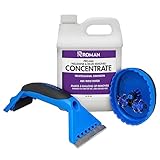
I’ve used a few different commercial removers over the years. The gel-based ones are my favorite. You spray them on, or brush them on, and they cling to the wallpaper, giving the active ingredients more time to work. They don’t run down the wall like a watery vinegar solution might. One time, I was dealing with a particularly stubborn vinyl wallpaper, and the gel remover made it peel off in surprisingly large sheets. It still required scraping, mind you, but the bulk of the work was done by the product.
The cost difference isn’t that significant when you factor in the time and effort you save. A gallon of white vinegar might cost $5, and you’ll use a lot of it. A quart of good quality commercial stripper is usually around $10-$20, and a little goes a long way. For me, the peace of mind and the actual results from a dedicated product are worth the extra few bucks. I’d rather spend $15 on a stripper that gets the job done in a few hours than $5 on vinegar that leaves me scraping for days. That’s why you see professional painters and renovators reaching for the specialized stuff, not a bottle of Heinz.
Practical Tips for Tackling Stubborn Wallpaper
Alright, so you’ve decided to give vinegar a shot, or maybe you’re using a commercial remover. Here’s how to make the process less of a soul-crushing ordeal. First off, prep your space. Seriously. Lay down drop cloths everywhere. Cover your baseboards with painter’s tape. You’re going to be dealing with wet walls, potentially messy solutions, and scraping, so you want to protect your floors and trim. Open windows for ventilation, especially if you’re using a commercial product or a lot of vinegar – the fumes can be intense.
Here’s a basic process, whether you’re using vinegar or a dedicated stripper:
- Score the Wallpaper: If you have vinyl or heavily coated paper, you must score it. Use a scoring tool (it looks like a little pizza cutter with tiny spikes) to gently perforate the surface. Don’t go crazy, you don’t want to damage the drywall underneath. This allows your liquid to penetrate.
- Apply Your Solution: Whether it’s your vinegar/water mix (try 50/50 with hot water, or even a stronger 75/25 vinegar/water) or a commercial stripper, apply it generously. A garden sprayer is fantastic for this, or a roller and brush.
- Let it Soak: This is key. Don’t just spray and scrape. Let the solution sit for at least 10-15 minutes, longer for stubborn spots. The longer it soaks, the more it can break down the adhesive.
- Scrape Carefully: Use a good quality wallpaper scraper or a wide putty knife. Hold it at a low angle to the wall to avoid gouging the drywall. Work from the edges and corners, trying to get under the paper. If it’s not coming off easily, apply more solution and let it soak longer.
- Deal with Stubborn Spots: You’ll always have a few bits that are glued on for dear life. For these, you might need to reapply solution directly to the spot, let it soak, and then gently work it loose. A stiff brush or even a detailing scraper can help here.
- Remove Residual Glue: Once the paper is off, you’ll likely have glue residue. Wash the walls with warm water and a sponge. If the glue is really tough, a solution of hot water and trisodium phosphate (TSP) can work wonders, but wear gloves and eye protection, and rinse thoroughly. Or, use a specialized wallpaper glue remover.
Honestly, if you’ve got a lot of wallpaper to remove, or it’s particularly old and stubborn, I’d strongly recommend a commercial stripper. The time and sanity you save are well worth it. Vinegar is more of a ‘last resort, might-help-a-little’ kind of thing for most people.
Here’s a quick rundown of how I’d stack them up:
| Method | Pros | Cons | Verdict |
|---|---|---|---|
| White Vinegar Solution | Cheap, readily available, non-toxic (mostly) | Often ineffective, slow, messy, can require lots of product, can damage certain wall finishes if left too long. | Meh. Might help slightly on very old, simple paper. Not my first choice. |
| Commercial Wallpaper Stripper (Gel) | Formulated for the job, effective on most adhesives, less messy than liquid, saves time. | More expensive than vinegar, requires ventilation, can still require significant scraping. | My go-to. Worth the money for the efficiency and reduced frustration. |
| Hot Water and Dish Soap | Inexpensive, readily available, better than just water. | Better than plain water, but still often not enough for tough glues. | A decent first try if you’re really on a budget and the paper seems simple. |
When Vinegar Is Not Your Friend
So, when should you absolutely, positively not rely on vinegar to remove your wallpaper? My biggest NO is when you have vinyl-coated or strippable vinyl wallpaper. That plastic-like layer is a barrier. Vinegar is water-based (or mostly water with acid), and it’s going to struggle to get through that vinyl to the adhesive underneath. You’ll end up with soggy paper that tears into tiny pieces, and the vinyl might peel off, leaving you with a paper-and-glue mess. It’s like trying to wash your car with a tiny spray bottle of water and expecting it to get all the mud off – it’s just not powerful enough for the job.
Another big red flag is if the wallpaper is old and has been painted over. Paint seals the surface, making it even harder for any liquid, including vinegar, to penetrate. You’ll be spraying vinegar on a plastic-like painted surface, and it’ll just bead up and run off, doing next to nothing. In these situations, you’ll need to score aggressively, and even then, you’re better off with a heavy-duty chemical stripper designed for tough jobs.
If you have delicate plaster walls or even some types of drywall that are in questionable condition, excessive moisture from a vinegar soak can cause damage. While vinegar is less harsh than some industrial solvents, too much liquid sitting on a wall for too long can lead to bubbling, peeling paint (if there’s any left on the wall), or even structural damage to the plaster. You want to get the wallpaper off as efficiently as possible, not saturate the wall. (See Also: Can You Use Removable Wallpaper On Desk )
Finally, if you’re on a tight deadline, or you just have zero patience for a drawn-out, frustrating DIY project, do yourself a favor and skip the vinegar. It’s often a method that sounds good in theory but leads to more work and more stress in practice. I learned this the hard way, and I’ve seen friends make the same mistake. You’ll spend hours soaking, scraping, and re-applying, only to end up buying a commercial stripper later anyway. Save yourself the headache and go with a product that’s proven to work, especially for any wallpaper that isn’t the absolute simplest paper-backed variety. It’s not about being lazy; it’s about being smart with your time and energy.
Frequently Asked Questions About Vinegar and Wallpaper
Can Vinegar Damage Drywall?
Vinegar itself is a mild acid and generally won’t damage intact drywall in short applications. However, if you saturate the drywall paper backing repeatedly or for extended periods, it can weaken the paper, leading to bubbling or peeling. Excessive moisture from any source can also cause issues with the drywall joint compound. Always aim for damp, not soaking wet, applications and work efficiently.
How Much Vinegar Should I Use? Can I Just Use It Straight?
Using vinegar straight is usually not recommended. It’s often too strong and can be inefficient. A common and effective ratio is 50/50 white vinegar and hot water. Some people opt for a stronger mix, like 75% vinegar to 25% water, but always test in an inconspicuous area first. Hot water helps soften the glue, making the vinegar more effective.
Will Vinegar Remove Wallpaper Paste?
Vinegar can help break down some types of wallpaper paste, particularly older, water-soluble glues. The acetic acid can work to loosen the adhesive bond. However, its effectiveness varies greatly depending on the type and age of the paste. Tougher, vinyl-based, or heavily fortified adhesives may not respond well to vinegar alone.
Is Vinegar Better Than Hot Water for Removing Wallpaper?
For most wallpaper removal, hot water alone is often a good starting point because heat helps soften many adhesives. Vinegar can be an enhancement to hot water by adding a mild acidic component that may further break down certain glues. However, for very stubborn adhesives, neither vinegar nor plain hot water will be as effective as a dedicated commercial wallpaper stripper product.
Can I Use Apple Cider Vinegar Instead of White Vinegar?
While apple cider vinegar has acetic acid, white vinegar is generally preferred for cleaning and DIY tasks like wallpaper removal. White vinegar is typically more acidic and has no color, meaning it won’t stain your walls or surrounding materials. Apple cider vinegar might leave a slight tint, and its acidity can vary, making it a less predictable choice for this purpose.
Final Verdict
So, to circle back to the big question: can vinegar remove wallpaper? My honest answer is: sometimes, a little bit, under the right circumstances. It’s not the miracle cure many online articles would have you believe. If you’ve got simple, old paper and are willing to be patient and do a lot of scraping, it might offer a slight assist.
But if you’re dealing with vinyl, textured paper, or anything that feels even remotely stubborn, you’re likely setting yourself up for a frustrating, time-consuming battle. I’ve spent more hours than I care to admit wrestling with walls, and I can tell you with certainty that sometimes the ‘cheap’ solution ends up costing you way more in effort.
My advice? Unless you’re feeling particularly adventurous and have a lot of free time, save yourself the trouble. Invest in a decent commercial wallpaper stripper. It’s formulated for the job, it works better, and it’ll get you to that smooth, paint-ready wall much faster. Happy stripping!