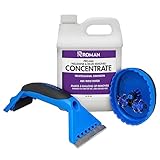
Look, I’ve been there. Staring at a wall that looks like it lost a fight with a giant, sticky toddler – layers of paint peeling over ancient wallpaper glue. You’re elbow-deep in a renovation nightmare and wondering if that magic powder, TSP, can actually save your sanity and your knuckles. I’m here to tell you, yes, you absolutely can use TSP for this mess, but it’s not always the instant miracle worker everyone makes it out to be. It’s a strong chemical, and using it requires a bit of know-how, or you’ll end up with more problems than you started with.
I’ve wasted enough time and money on fancy, overpriced removers that did squat. TSP, or Trisodium Phosphate, has been around forever for a reason. It’s a powerhouse cleaner. But can you remove paint and wallpaper glue with TSP effectively? Let’s get down to brass tacks.
The Real Deal with Tsp and Stubborn Walls
So, you’re looking at a wall that’s seen better days – maybe it’s got layers of latex paint over oil-based, or someone decided to wallpaper over a perfectly good painted surface without proper prep. The glue is like concrete, and the paint is flaking off in giant, infuriating chunks. This is where TSP, Trisodium Phosphate, enters the chat. It’s a heavy-duty cleaner, degreaser, and sometimes even a mild stripper. Its alkaline nature means it breaks down grease and grime, which can also help loosen up adhesives and certain types of paint binders.
The truth is, TSP isn’t a magic wand that’s going to instantly melt away every paint job or glue residue. It’s a chemical cleaner, and its effectiveness depends heavily on what you’re dealing with. Older oil-based paints or stubborn vinyl wallpaper glue might require more than just a single wipe. I remember one particularly nasty job in a rental property where the previous tenant had apparently wallpapered every three years for two decades.
The TSP cut through some of the glue, but it turned into this gummy mess that was almost harder to scrape off than the original adhesive. That’s when I learned that TSP is often a part of the solution, not the whole darn thing. It preps the surface, loosens things up, but you still need good old-fashioned elbow grease and the right tools.
When you’re buying TSP, you’ll usually find it in powder form. The box will tell you to mix it with hot water. Generally, a good starting point is about half a cup of TSP to a gallon of hot water.
More TSP doesn’t always mean better results; it can make the solution harder to rinse and potentially damage the surface you’re cleaning if left too long. Always wear gloves and eye protection.
This stuff is no joke. It can irritate your skin and lungs if you’re not careful. Ventilation is also key, especially in smaller rooms. You don’t want to be breathing in concentrated fumes.
The smell isn’t as harsh as some chemical strippers, but it’s still a chemical, and caution is warranted. For most surfaces, especially drywall, you want to make sure you rinse thoroughly after using TSP. Any residue left behind can affect how new paint or primer adheres, leading to peeling or bubbling down the line.
That’s a mistake I’ve made early on, thinking a quick wipe was enough. Nope. You gotta get it all off.
What Tsp Actually Does to Paint and Glue
Let’s break down the science – or at least the practical application – of how TSP tackles paint and wallpaper glue. Trisodium Phosphate is a salt of phosphoric acid. In solution, it becomes highly alkaline.
This alkalinity is its superpower. Think of it like this: grease and oil are acidic (or at least, they react with alkaline substances). TSP neutralizes these and breaks them down into smaller, water-soluble components.
This is fantastic for degreasing surfaces, but it also helps with paint and glue. Many adhesives, especially older ones, are organic compounds that can be broken down by strong alkaline solutions. Paint binders, the stuff that holds the pigment together and makes it stick to the wall, can also be softened and destabilized by TSP, especially latex-based paints.
When you apply a TSP solution to painted or glued surfaces, it starts to penetrate. For wallpaper glue, it can soften the adhesive, making it easier to scrape. For paint, particularly layers that aren’t well-adhered, it can ‘lift’ the paint, causing it to blister or soften. (See Also: Does Judarn Wallpaper Remove Easily )
It’s not a solvent in the way that paint thinner is, meaning it doesn’t chemically dissolve the paint into a liquid. Instead, it weakens the bond between the paint and the wall, and the binder within the paint itself. This is why it’s often used as a prep step before painting – it cleans and etches the surface slightly, giving new paint a better grip. However, for removing thick layers of paint, especially oil-based or high-gloss finishes, TSP alone might not be enough.
You might need to use it in conjunction with a chemical stripper or a lot of scraping.
I’ve found that TSP is particularly effective on vinyl-coated wallpapers or those with water-soluble adhesives. The paper itself might get soggy, but the glue underneath can soften nicely.
For really old, stubborn wallpaper paste, like the wheat-paste kind, TSP can work, but it might take multiple applications. The key is patience and observation. Watch how the surface reacts.
If it’s just getting gummy and not loosening, you might need to switch tactics. One time, I was stripping a bathroom that had about five layers of wallpaper, each with a different type of glue. The TSP did wonders on the top two layers, but the bottom layer, which I suspect was a very old, strong adhesive, barely budged. That’s when I brought out a steamer and tackled it that way, using TSP more as a degreaser afterwards to clean up any lingering residue.
So, while it has its limitations, understanding what it does to the materials helps you know when to push it and when to try something else.
Practical Application: Your Step-by-Step Guide
Alright, let’s get down to the nitty-gritty of how to actually use TSP to tackle paint and wallpaper glue. This isn’t rocket science, but doing it right saves you a world of headaches.
- Preparation is Key: Before you even mix the TSP, protect yourself and your surroundings. Lay down drop cloths to catch drips. Open windows for ventilation. Put on your gloves (heavy-duty rubber or nitrile) and eye protection (goggles are best). If you have a respirator mask rated for chemical fumes, wear that too. Cover any electrical outlets or fixtures that aren’t removable.
- Mix Your Solution: Get a clean bucket and fill it with hot water. The hotter, the better, as it helps dissolve the TSP more effectively. Start with about half a cup of TSP powder per gallon of water. Stir until it’s completely dissolved. Don’t just dump the powder in and stir vaguely; make sure it’s fully integrated.
- Apply the Solution: Use a sponge or a large paintbrush to apply the TSP solution generously to the area you’re working on. Don’t brush it on too thinly; you want it to soak in and do its work. For wallpaper, you might want to score the paper first with a scoring tool to help the solution penetrate. For paint, if you’re trying to remove it, you’re hoping it will soften and lift.
- Let it Dwell: This is where patience comes in. Let the solution sit on the surface for about 10-20 minutes. You’ll start to see it working – the glue might get gooey, or the paint might start to soften or bubble slightly. Don’t let it dry out completely; reapply if needed.
- Scrape and Remove: Now for the elbow grease. Use a putty knife, scraper, or a wallpaper removal tool to scrape away the loosened paint or glue. Work from the top down. Have a separate bucket of clean water handy to rinse your scraper frequently. This prevents you from just smearing the gunk around.
- Rinse Thoroughly: This is HUGE. Once you’ve scraped off as much as you can, you MUST rinse the wall with clean water. Use a clean sponge and fresh water, rinsing and wringing out the sponge frequently. Any TSP residue left on the wall can interfere with new paint or primer adhesion. You might need to rinse multiple times. Some people use a solution of white vinegar and water (about 1 cup vinegar to 1 gallon water) as a final rinse to neutralize any remaining alkalinity, though plain water rinsing is often sufficient if done well.
- Dry and Inspect: Let the wall dry completely. Inspect it for any remaining glue or paint. You may need to repeat the process or use a different method for stubborn spots.
This process sounds straightforward, but sometimes you hit a wall (literally) where the TSP isn’t cutting it. That’s when I reach for a chemical stripper if it’s paint or a steamer if it’s particularly stubborn wallpaper glue that the TSP just can’t soften enough. But for general grime, light paint residue, and many common wallpaper adhesives, this method is a solid starting point.
Common Mistakes and What to Watch Out For
I’ve made my fair share of mistakes when tackling paint and wallpaper glue removal, and many of them involve cutting corners or not respecting the power of chemicals like TSP. One of the biggest blunders people make is not wearing proper protective gear. I’ve seen folks doing this with just thin gloves or no gloves at all, and then complaining about dry, cracked skin for days. TSP is a strong alkali; it will dry out your skin and can cause burns if left on for too long or if the solution is too concentrated. Always, always, always wear thick rubber gloves and eye protection. Seriously, even if you’re just doing a small patch.
Another common mistake is inadequate rinsing. People get tired, they want to finish the job, and they just give the wall a quick once-over with a damp cloth.
This is a recipe for disaster later. If you leave TSP residue on drywall, it can weaken the paper facing.
When you go to prime or paint, the new finish might not adhere properly, leading to peeling, bubbling, or a chalky surface. I learned this the hard way in a client’s kitchen; they called me back a few months later because the new paint was flaking off in large sections. Turns out, they hadn’t rinsed thoroughly after their TSP-based wall cleaning. It cost them a fortune to repaint.
So, rinse, rinse, and rinse again. Use clean water and a clean sponge or cloth, changing the water frequently. Some pros even recommend a final rinse with a mild acid solution, like diluted white vinegar, to neutralize any lingering alkalinity, though thorough plain water rinsing is usually sufficient if done diligently. (See Also: Does Peel And Stick Wallpaper Damage Walls When Removed )
People also tend to think that more TSP equals faster results. While a slightly stronger solution might help in some cases, making it too strong can be counterproductive. An overly concentrated TSP solution can etch surfaces, leave a white residue that’s hard to remove, and can be much harsher on your skin and the surrounding environment.
Stick to the recommended dilution, usually around half a cup per gallon of hot water. If it’s not working, it’s usually a sign that the paint or glue is too stubborn for TSP alone, or you need to let it dwell longer, rather than cranking up the concentration. Finally, don’t expect TSP to be a miracle stripper for all paint types. It’s fantastic for cleaning and prepping, and it can lift some latex paints, but heavy oil-based paints or multiple layers of old enamel might require a dedicated paint stripper.
Likewise, some super-strong, industrial-grade wallpaper adhesives might laugh in the face of TSP and require a steamer or specialized adhesive removers. Know its limits, and you’ll save yourself a lot of frustration.
Here’s a quick comparison of what TSP is good for and what might require extra effort:
| Task | TSP Effectiveness | Verdict/Notes |
|---|---|---|
| General Grime & Grease Removal | Excellent | Its primary strength. Cleans walls before painting. |
| Light Latex Paint Residue | Good | Can soften and help lift, especially when combined with scraping. |
| Most Standard Wallpaper Glue | Good to Very Good | Softens and loosens, making scraping easier. Vinyl-backed papers respond well. |
| Heavy Oil-Based Paint | Fair | Will likely soften slightly, but a dedicated stripper is usually necessary. |
| Old, Stubborn Adhesives (e.g., Wheat Paste) | Fair to Poor | May require multiple applications or stronger methods like steaming. |
| Mold & Mildew Stains | Good | Helps kill and remove, but for heavy infestations, a dedicated mildew cleaner might be better. |
When Tsp Isn’t Enough: Alternatives and Complements
So, what do you do when the TSP has done its best, but you’re still staring at patches of stubborn paint or glue? Don’t despair; there are other tools in the toolbox. For paint removal, if TSP isn’t cutting it, especially on oil-based or multiple layers, your next step is usually a chemical paint stripper. These come in various forms – gels, liquids, sprays – and are much more aggressive than TSP.
They chemically break down the paint binder, allowing you to scrape it off in sheets. Brands like ‘Goof Off’ or ‘Citri-Strip’ are common, though they often have strong fumes and require even more careful handling and ventilation than TSP. Always follow the manufacturer’s instructions to the letter with these, as they can be quite potent.
You’ll still need to clean the surface afterwards, and TSP can be useful for that degreasing step after the stripper has done its work.
For wallpaper glue, if TSP has softened it but left a sticky residue that’s just too much to handle with a scraper and clean water, you might need a dedicated wallpaper glue remover. These are specifically formulated to break down the sugars and starches in most common wallpaper pastes. They are generally milder than TSP but more targeted for adhesive removal.
Another extremely effective method for tough wallpaper glue is a wallpaper steamer. The steam penetrates the glue, liquefying it and making it incredibly easy to peel and scrape off. I’ve found that a steamer, combined with a good scoring tool to allow the steam to penetrate, is often the most efficient way to remove multiple layers of old wallpaper and their associated glue.
TSP can still be used after steaming to clean up any lingering residue or degrease the wall before priming.
Sometimes, the best approach isn’t just picking one method, but using a combination. For instance, you might start with TSP to soften and loosen, then use a steamer for the bulk of the wallpaper glue, and finally use TSP again as a final clean to make sure all oily residue from the glue or the steamer is gone. Or, for paint, you might use TSP to knock down the top layer, then apply a chemical stripper for the tougher underlying coats, followed by a TSP wash to prep for new paint.
It’s about understanding what each product or method excels at and layering them strategically. Don’t be afraid to experiment, but always test a small, inconspicuous area first to see how the combination works on your specific wall surface.
I once tried to strip a very old, heavily varnished wood paneling with TSP and a scraper, and it just scratched the varnish without doing much else. A light sanding followed by a dedicated wood stripper was the only way to go. So, know when to pivot. (See Also: Can You Use Removable Wallpaper On Desk )
The Verdict on Tsp for Paint and Glue
After years of wrestling with walls, I can confidently say that, yes, you can remove paint and wallpaper glue with TSP, but with significant caveats. It’s not a universal solution that will magically make every stubborn layer vanish. Think of it as a powerful degreaser and a surface softener. For general wall cleaning, degreasing, and removing lighter layers of latex paint or common wallpaper adhesives, it’s a fantastic, cost-effective option. It cuts through grime and preps surfaces beautifully for repainting. When I’m just dealing with a bit of grease and dirt before a fresh coat, TSP is my go-to. It makes the paint adhere so much better.
However, when you’re facing thick, multi-layered oil-based paint jobs or the ancient, rock-hard adhesive from decades of wallpapering, TSP will likely only get you so far. You’ll find yourself scrubbing and scraping with limited results, or the glue will turn into a gummy, unmanageable mess. In these situations, TSP is best used as a preparatory step or a cleaner after a more aggressive method has been employed. This could mean using a chemical paint stripper for tough paints, or a wallpaper steamer for stubborn glues.
Trying to force TSP to do a job it’s not designed for will only lead to frustration and wasted effort. It’s like trying to hammer a screw – it’s the wrong tool for the job, no matter how hard you try.
My personal experience has taught me to be realistic. TSP is a workhorse for a reason, but it’s a workhorse, not a magic wand. It’s affordable, readily available, and effective for many common tasks. But if you’re anticipating a battle with truly caked-on, old-school paint or glue, be prepared to bring out the heavy artillery and use TSP as part of a multi-stage assault. Always prioritize safety: wear your gear, make sure good ventilation, and rinse thoroughly. This is not a product to be cavalier with. When used correctly, it’s a valuable ally in home improvement projects, but understanding its strengths and weaknesses is the key to success.
Can Tsp Remove Wallpaper Paste Completely?
TSP can significantly soften and help lift most common wallpaper pastes, making them easier to scrape away. However, for extremely old, stubborn, or specialized adhesives, it might not be enough on its own. In such cases, you might need to combine TSP with tools like a wallpaper steamer or specialized adhesive removers for complete removal.
Is Tsp Safe for Drywall?
Yes, TSP is generally safe for drywall when used correctly and rinsed thoroughly. However, prolonged exposure or failure to rinse properly can potentially weaken the paper facing of the drywall. Always use the recommended dilution and make sure the wall is completely rinsed with clean water afterwards.
Do I Need to Wear Gloves When Using Tsp?
Absolutely. TSP is a strong alkaline cleaner that can irritate and dry out your skin, potentially causing burns. Always wear heavy-duty rubber or nitrile gloves when handling TSP solutions to protect your hands.
How Long Should Tsp Sit on Paint Before Scraping?
For paint removal, you should let the TSP solution sit on the surface for about 10-20 minutes. You want it to soften the paint, but not dry out. You may need to reapply the solution if it starts to dry before you can scrape.
What Is the Difference Between Tsp and Tsp Substitute?
TSP substitute is a more environmentally friendly alternative that often uses sodium carbonate instead of trisodium phosphate. While it can be effective for general cleaning, it may not have the same aggressive degreasing and paint-softening power as true TSP, especially for tough jobs like paint and glue removal.
Final Thoughts
So, there you have it. Can you remove paint and wallpaper glue with TSP? The short answer is yes, it’s a viable tool for the job, especially for lighter adhesives and latex paint. It’s a workhorse cleaner that’s been around for a reason. However, for those truly stubborn, decades-old paint jobs or rock-hard wallpaper glues, TSP is more likely to be your trusty sidekick rather than the sole hero of the story. Don’t expect it to be a miracle stripper for every scenario.
My advice? Start with TSP, especially if you’re cleaning up general grime or prepping for a repaint. It’s effective, and it’s relatively inexpensive. But if you find yourself battling with something that just won’t budge, be prepared to bring out the heavy hitters – chemical strippers, steamers, or specialized removers. And for the love of all that is holy, wear your gloves and eye protection, and rinse that wall like you mean it. A little extra rinsing saves a lot of future headaches.
When tackling old paint and glue, always test a small area first. See how your specific wall surface and the mystery gunk on it react to TSP. You might be pleasantly surprised, or you might realize you need a different approach entirely. Happy scraping!