I remember staring at that hideous floral wallpaper in my first apartment, convinced the cheap wood paneling underneath was a godsend. Then came the peeling. Oh, the peeling. It looked like a bad case of sunburn on the walls. My initial thought was, ‘Great, easy fix!’ That was my first mistake.
So, can you remove wallpaper from wood paneling? The short answer is yes, but ‘can you’ and ‘should you’ are two very different questions. It’s a job that requires patience, the right tools, and a healthy dose of realism. Don’t let anyone tell you it’s as simple as pulling off a sticker.
The Big Question: Can You Remove Wallpaper From Wood Paneling?
Let’s cut to the chase: can you remove wallpaper from wood paneling? Yes, technically. But the real question is how much of a pain in the backside will it be, and what condition will your wood paneling be in afterward? I’ve tackled this myself, and let me tell you, it’s not always the straightforward DIY project you see on HGTV. The adhesive, the type of paneling, and the wallpaper itself all play huge roles in how this drama unfolds.
When wallpaper was installed over wood paneling, it was usually done with a strong adhesive. This adhesive is designed to stick, and it sticks hard. Removing it often involves water, steam, or chemical strippers, all of which can interact with the wood. Some wood paneling, especially older, unfinished stuff, can absorb moisture and swell, warp, or even have its finish ruined. The fake wood veneer on cheaper panels is even more susceptible to damage from aggressive removal techniques.
My first foray into this was in a rental unit that had a ghastly, dated wallpaper over what I hoped was solid wood. Turns out, it was particle board with a thin wood veneer.
I soaked it, I scraped it, I steamed it, and by the end, I had removed the wallpaper, but I’d also managed to lift the veneer in several large patches. It looked worse than before. Live and learn, right? It taught me that you need to be prepared for the possibility of damage and have a plan for what you’ll do if things go south.
This isn’t a task for the faint of heart or the impatient DIYer. You’re basically performing a delicate surgery on your walls.
The type of wallpaper matters immensely. Vinyl-coated papers are often easier because they act as a barrier, and sometimes, the top layer can be stripped off, leaving a paper backing that’s easier to deal with. But if it’s old, porous paper glued directly to the paneling, you’re in for a longer haul. And that adhesive? Some of it is water-soluble, which is good news, but others are more permanent, requiring tougher solutions that can spell disaster for your wood.
If you’re dealing with a very old house, the paneling might be solid wood, which is more forgiving. However, it might also have a delicate finish that you absolutely do not want to damage. The key is to test in an inconspicuous area. Seriously, find a corner behind a couch or a closet and try your method there first. It might save you a world of regret. I’ve seen folks go in gung-ho, only to end up with a costly refinishing job on their hands. The goal is to remove the wallpaper, not to destroy the paneling underneath.
What Kind of Wood Paneling Are You Dealing with?
Before you even think about grabbing a scraper, you need to play detective with your wood paneling. This is the most overlooked step, and it’s the one that will dictate your entire strategy. Is it solid wood? Is it a thin veneer over particle board? Is it varnished, painted, or unfinished? Each of these scenarios demands a different approach, and some are downright impossible without causing significant damage. My own disastrous attempt was with a cheap veneer that flaked off like a bad fake tan. (See Also: Does Peel And Stick Wallpaper Damage Walls When Removed )
Solid wood paneling, especially older, thicker planks, is generally more solid. It can withstand a bit more moisture and scraping. However, if it’s a nice, polished finish, you’ll still need to be careful not to gouge it or strip away the stain. Unfinished solid wood is probably your best bet for wallpaper removal, as it’s less likely to be permanently damaged by water, but it will absorb moisture and might require sanding afterward. Imagine a sponge soaking up water – that’s kind of what unfinished wood does.
Veneered paneling, on the other hand, is a different beast. This is where most people run into trouble. The veneer is a thin layer of real wood glued onto a substrate like particle board or MDF. When you introduce water or steam, the glue can loosen, and the veneer can peel, bubble, or lift, often in large, unsightly chunks. Scraping too aggressively will absolutely tear this thin layer apart. It’s like trying to peel an apple without taking off the skin – very difficult!
You can usually tell the difference by looking at the edges of the panels or by tapping them. Solid wood will sound more resonant and solid. Veneered panels might sound hollower. Sometimes, you can see the grain pattern repeat across multiple panels, which is a tell-tale sign of a manufactured veneer. If you’re unsure, err on the side of caution. Assume it’s delicate. A quick test with a damp cloth in a hidden spot can also give you clues about how the finish or veneer reacts to moisture. If it darkens permanently or starts to lift, you know you have a problem.
Painted wood paneling adds another layer of complexity. If the wallpaper was applied over paint, you’re not just dealing with wallpaper adhesive; you’re dealing with wallpaper adhesive bonded to paint, which is bonded to wood. Sometimes, the paint might be loose, and the wallpaper will come off with it, taking chunks of wood finish with it. Other times, the paint acts as a sealant, making it harder for water or strippers to penetrate to the wallpaper adhesive. This requires a more aggressive approach, which, as we’ve discussed, can be disastrous for the wood.
The Process: Tools, Techniques, and What to Expect
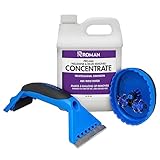
Okay, you’ve assessed your paneling and decided to take the plunge. Now, what tools and techniques are actually going to get this done without making things worse? Forget the magic sprays that promise instant wallpaper removal. Most of them are glorified sugar water with a bit of soap. You’ll need a combination of effort and the right gear. My go-to arsenal includes a good quality wallpaper scoring tool (the one with the little wheels that prick the paper), a wide putty knife or scraper (plastic is often safer for delicate surfaces), a spray bottle for your chosen solution, and plenty of old rags.
The first step, regardless of your wallpaper type, is scoring. You need to create tiny holes so your removal solution can penetrate the wallpaper and reach the adhesive underneath. Don’t go crazy here; you’re not trying to shred the paper, just make it permeable. I usually score in a crosshatch pattern. Then, you mix up your solution. For most jobs, hot water with a bit of dish soap or a dedicated wallpaper remover solution works. For really stubborn cases, you might need a stronger chemical stripper, but use extreme caution with these on wood paneling, and always test first.
Apply the solution generously with a sponge or spray bottle. Let it soak for the time recommended by the product or about 10-15 minutes for a homemade solution. You’ll see the wallpaper start to bubble or loosen. Then, the scraping begins. Start in a corner and try to lift an edge with your putty knife. Work slowly and gently, following the grain of the wood if possible. If a section is stubbornly clinging, apply more solution and let it soak longer. Patience is your best friend here. Rushing will lead to gouges and torn veneer.
For particularly tough spots or larger areas, steam can be a lifesaver. A wallpaper steamer can be rented or purchased. It uses steam to soften the adhesive. Hold the steamer head against the wallpaper for a minute or two, then scrape. Be aware that steam introduces a lot of moisture, so this is riskier with veneer or painted surfaces. I once tried steaming a small section, and the moisture warped the paneling right next to it. It’s a delicate dance.
After the wallpaper is off, you’ll likely have adhesive residue. This is almost guaranteed. You’ll need to tackle this with more solution and a rag or a plastic scraper. Sometimes, a very light sanding with fine-grit sandpaper (like 220-grit) can help remove the last bits, but again, be extremely careful not to sand through any veneer or damage the wood finish. I’ve spent more time removing the glue than the actual wallpaper on some jobs. It’s like finding that last piece of glitter after a craft project. (See Also: Can You Remove Wallpaper To Repaint )
Common Mistakes and How to Avoid Them
Let’s talk about the pitfalls, because I’ve fallen into most of them. The biggest mistake people make is underestimating the difficulty and the potential for damage. They approach it like peeling a sticker off a new phone screen, only to find their walls looking like they lost a fight with a cheese grater. The second biggest mistake is using the wrong tools. Metal scrapers are your enemy when dealing with wood paneling. They dig, they gouge, they destroy. Stick to plastic scrapers or even old credit cards for more delicate work.
Another common blunder is using too much water or steam without testing. Wood is porous. It absorbs liquid. If you saturate it, especially veneer or particle board, you risk swelling, warping, and delamination. Always test your removal solution and method in an inconspicuous spot first. Let it dry completely to see the full effect. I learned this the hard way when a small water test on my veneer paneling caused a permanent dark stain. Whoops.
Over-scraping is a killer. I know you want that wallpaper gone, but aggressively digging into the wood will leave marks that are impossible to hide. Work slowly, use gentle pressure, and if a piece isn’t coming off easily, apply more solvent and let it sit. Think of it as coaxing it off, not ripping it off. If you’re using a wallpaper steamer, don’t hold it in one spot for too long. You want to soften the glue, not cook the wood.
Forgetting about the adhesive residue is also a big mistake. Many people get the wallpaper off and think they’re done, only to realize they have a sticky, uneven mess left behind. You must clean off all the old adhesive. If you plan to paint or re-wallpaper over the paneling (which is a whole other topic), that residue will show through and prevent new finishes from adhering properly. I’ve seen people try to paint over glue residue, and it looks absolutely terrible.
Finally, and this is a big one: expecting perfect results. Even if you do everything right, there’s a high chance you’ll end up with some minor imperfections. Small nicks, slight discoloration, or faint lines where the wallpaper was. If your goal is to have pristine, factory-new looking wood paneling, removing wallpaper from it is probably not the path to get there. You might need to consider refinishing, painting, or even replacing the paneling altogether.
When to Call in the Pros (or Just Paint Over It)
There comes a point in every DIY project where you have to ask yourself, ‘Is this worth the headache, the potential cost of repairs, and my sanity?’ For removing wallpaper from wood paneling, that point can arrive surprisingly early. If you’ve tested your methods and the wood is showing significant signs of damage – bubbling veneer, warped planks, or finish issues – it might be time to reconsider. Calling a professional wallpaper removal service is an option, but they often charge a premium for working with delicate surfaces like wood.
Honestly, in many cases, especially with older or less valuable paneling, the most practical solution might be to just paint over it. Prep work is still key, of course. You’ll need to clean the wallpaper thoroughly, making sure there’s no mold or mildew, and then prime it with a good quality stain-blocking primer. This will seal the wallpaper, cover any imperfections, and give you a smooth surface for your paint. It’s not the same as having beautiful, exposed wood, but it’s a far less risky and often cheaper alternative.
I had a friend who was convinced she could restore her wood-paneled living room after a disastrous wallpaper job. She spent weeks trying to salvage it, only to end up with a patchy, blotchy mess. In the end, she sighed, bought a gallon of deep navy paint, and transformed the room. It looked fantastic, and she saved herself a fortune and a lot of stress. Sometimes, admitting defeat and choosing a different path is the smartest move.
If the wood paneling is particularly beautiful, irreplaceable, or you’re aiming for a high-end finish, then yes, a professional might be your best bet. They have specialized tools and experience that can minimize damage. However, even pros can’t work miracles. Be sure to get a detailed quote and ask about their experience with wallpaper removal from wood surfaces specifically. Get references if you can. (See Also: Can You Use Removable Wallpaper On Desk )
Ultimately, the decision to remove wallpaper from wood paneling or to cover it up depends on your budget, your timeline, the condition of the paneling, and your tolerance for risk. There’s no shame in choosing the easier, less destructive route. Sometimes, the ‘hardwood’ look is best achieved with a good coat of paint.
Faq: Your Burning Questions Answered
Will Wallpaper Damage Wood Paneling?
Wallpaper can damage wood paneling, especially if it’s a cheap veneer or painted finish. The adhesives, water, steam, and scraping required for removal can cause the veneer to lift, the wood to swell or warp, and the finish to be damaged. The risk increases with older wallpapers and stronger adhesives.
Is It Better to Steam or Use a Chemical Stripper on Wood Paneling?
Neither is ideal, but steaming is often slightly less aggressive than strong chemical strippers, provided you don’t overdo it. Chemical strippers can be harsh and may damage finishes or penetrate the wood, while excessive steam can cause swelling and warping. Always test in an inconspicuous area first with either method.
Can I Just Paint Over the Wallpaper on Wood Paneling?
Yes, painting over wallpaper on wood paneling is often a viable and less destructive alternative. You’ll need to clean the wallpaper thoroughly, make sure it’s well-adhered, and then use a high-quality stain-blocking primer before applying your paint. This seals the wallpaper and provides a smooth surface for your new finish.
What Is the Best Way to Remove Stubborn Wallpaper Adhesive From Wood?
For stubborn adhesive, you’ll likely need to use your wallpaper removal solution (hot water with soap or a commercial remover) again and let it soak. A plastic scraper or a soft cloth can help lift the residue. For very tough spots, a diluted solution of white vinegar might work, but test this carefully on the wood finish first. Gentle sanding with very fine-grit sandpaper can also be effective, but be cautious not to damage the wood itself.
How Do I Know If My Wood Paneling Is Solid Wood or Veneer?
You can often tell by looking at the edges of the panels; solid wood will have grain running through the thickness, while veneer will show a distinct layer. Tapping the panel can also give clues – solid wood sounds more resonant. Repeating grain patterns across multiple panels is a strong indicator of veneer. When in doubt, treat it as veneer and proceed with extreme caution.
Final Thoughts
So, can you remove wallpaper from wood paneling? Yes, you can, but it’s rarely a simple, clean job. Think of it as a renovation project with a significant risk of collateral damage. You might get lucky and peel it all off cleanly, leaving behind beautifully preserved wood. Or, you might end up with a scene that looks like a war zone, requiring you to repaint, refinish, or even replace the paneling.
My advice? Go into it with your eyes wide open. Test everything in a hidden spot. Have a backup plan, whether that’s a good primer and paint or a professional’s number on speed dial. And for goodness sake, use plastic scrapers. Your wood paneling will thank you.
If the thought of all that potential hassle makes you want to run screaming from the room, consider the painted-over route. It’s often the most sensible solution for a quick refresh without the drama of wallpaper removal from wood paneling.