I remember staring at the hideous floral monstrosity that adorned my first apartment’s living room. It was already painted over, thick and lumpy, a testament to someone’s questionable decorating choices. My initial thought? Rip it off. Easy, right? Wrong. So, the question on your mind is probably the same one I had: can you remove wallpaper that has been painted? The short answer is a frustrating ‘yes, but…’. It’s not a simple peel-and-stick job anymore; it’s a battle against layers of stubborn adhesion and acrylic nightmares.
Forget those YouTube videos showing wallpaper practically leaping off the walls. When paint gets involved, the game changes entirely. It seals the deal, locking that paper down like a medieval fortress. You’re not just removing paper; you’re often dealing with a Frankenstein of wallpaper and paint.
The Paint’s the Problem: Why It’s Not Just Wallpaper Anymore
When wallpaper is painted, the paint acts like a superglue, sealing the paper to the wall and, more importantly, sealing the seams. This means that when you try to peel it, you’re not just pulling off paper; you’re likely pulling off bits of drywall paper, leaving a textured disaster zone. The paint also prevents any moisture from penetrating the wallpaper effectively, which is the primary way you’d loosen standard wallpaper. It’s like trying to get through a raincoat with a spray bottle – the water just beads up and rolls off.
I learned this the hard way in my old place. I’d spent hours scoring and soaking what I thought was just old vinyl wallpaper. It was coming off in tiny, brittle flakes, mixed with the thicker, chalky paint that had been applied over it. After about three hours, I had removed maybe a square foot and created more mess than I could have imagined. The wall underneath looked like a relief map of a very unhappy mountain range. This isn’t your grandma’s wallpaper removal, folks. The paint is the real enemy here, and it turns a straightforward job into a wrestling match.
The type of paint matters too. A matte latex paint might be slightly more forgiving than a glossy oil-based enamel, which creates a near-impenetrable shield. The more coats of paint, the more layers of frustration you’re signing up for. You’re not just dealing with the original adhesive; you’re dealing with the adhesive power of the paint itself. This is why you see so many people online asking if they can just paint over it again. I’ve been there, but trust me, painting over painted-over wallpaper is a terrible idea that just makes the eventual removal exponentially harder and more expensive. You’re just kicking the can down the road, and the road gets rougher.
My Nightmare Project: A Lesson in Stubbornness
My first apartment had this ghastly avocado green wallpaper in the kitchen, which was then painted a very enthusiastic shade of beige. The paint was thick, hiding the busy pattern but also locking it down with the tenacity of a limpet. I figured, ‘How hard can it be?’ I bought a cheap scoring tool, a gallon of hot water mixed with a splash of dish soap, and a prayer.
The scoring tool made tiny little holes, but the paint was so thick that many of them didn’t even penetrate. The soapy water just beaded up and ran down the wall, doing precisely nothing. What I did manage to get off were tiny, papery scraps, leaving behind patches of the original green wallpaper adhered stubbornly to the wall, now covered in streaks of beige paint. It looked like a poorly bandaged wound. I spent an entire Saturday afternoon in a steamy, chemical-smelling haze, armed with a putty knife, scraping away at these stubborn, stubborn patches. I swear I could hear the wallpaper laughing at me.
Hours later, I had a wall that was worse than when I started. There were still bits of wallpaper, bald spots where the drywall paper had ripped off with the paint, and general grime.
It was a mess. I ended up buying a dedicated wallpaper steamer, which helped a bit, but the paint was still the main culprit. It would soften, but it wouldn’t release its grip easily. I learned that day that ‘easy’ is a relative term, and sometimes, you just have to accept that a job will be a slog.
My advice? If you see paint on wallpaper, mentally double, if not triple, the time and effort you expect to put in. And maybe invest in a really good pair of knee pads, because you’ll be on the floor a lot, contemplating your life choices.
The ‘scoring and Soaking’ Method: Does It Even Work Anymore?
The classic advice for wallpaper removal is simple: score the wallpaper to create holes, then soak it with hot water and a stripper solution, let it sit, and peel. For unpainted wallpaper, this often works like a charm. The water penetrates the paper, breaks down the old adhesive, and makes it pliable enough to pull off. But when paint is involved, this method becomes significantly less effective, bordering on futile for many. (See Also: Does Judarn Wallpaper Remove Easily )
The scoring tool is your first line of defense, but it needs to create actual holes through both the paint and the wallpaper. Many consumer-grade scoring tools have duller points or are not designed to cut through multiple layers of paint and vinyl. You need to press hard, and even then, you might only be creating superficial scratches in the paint layer. If the paint is thick or glossy, it acts as a barrier, preventing the soaking solution from reaching the paper and adhesive underneath. Imagine trying to water a plant by pouring water on its plastic pot – it’s just not going to reach the roots.
When you do manage to get some water through, the solution needs time to work. This means letting it sit for a good 15-20 minutes, sometimes longer, and keeping the area wet.
For painted wallpaper, you might need to reapply the solution multiple times. The problem is, the paint itself can dry out the solution or prevent it from spreading evenly.
You’ll find that some areas might loosen up while others remain stubbornly adhered. It’s a game of whack-a-mole with stubborn adhesive. I’ve found that a dedicated wallpaper stripper solution, rather than just soap and water, makes a slight difference, but it’s still a far cry from easy.
The key here is patience and persistence, but also a realistic understanding that this method, while foundational, will likely require backup tactics for painted wallpaper.
| Method | Effectiveness on Painted Wallpaper | Effort Level | Verdict |
|---|---|---|---|
| Scoring & Soaking (Soap/Water) | Poor | High | Save your energy. |
| Scoring & Soaking (Stripper Solution) | Moderate (with caveats) | Very High | Better, but still a slog. |
| Wallpaper Steamer | Good | High | Can work, but messy. |
| Chemical Stripper (e.g., DIF) | Very Good | Moderate to High | Often the most effective, but requires ventilation and care. |
| Drywall Repair/Skim Coating | N/A (Post-Removal) | High | Necessary if damage occurs. |
When Scoring and Soaking Fail: Steaming and Chemicals
If you’ve tried the basic scoring and soaking method and it’s barely making a dent, it’s time to bring out the heavier artillery: wallpaper steamers and chemical strippers. These aren’t necessarily ‘easy’ solutions, but they are often more effective when paint has effectively married the wallpaper to your wall.
A wallpaper steamer works by using hot water to create steam, which penetrates the wallpaper and softens the adhesive. You hold the steam plate against the wall for a period (usually 30-60 seconds, depending on the steamer and the wallpaper), then try to scrape. For painted wallpaper, this can be a big deal, but it’s not a magic bullet. The steam needs to get behind the paint and into the paper.
The thicker the paint, the harder this is. You’ll likely find that the steam softens the paint and wallpaper simultaneously.
You’ll be scraping away a gooey, papery-paint mixture. It’s messy, and you need good ventilation because the steam can make a room incredibly humid and hot. I always wear rubber gloves and eye protection because that hot, soapy goo can get everywhere.
It’s a much faster way to loosen things up than just water, but it’s labor-intensive and can be a real mess to clean up afterward. (See Also: Does Peel And Stick Wallpaper Damage Walls When Removed )
Chemical strippers are often the most powerful option. Products like ‘This End Up!’
(often referred to by its acronym, DIF) are specifically designed to break down wallpaper adhesive. They usually come in a liquid or gel form.
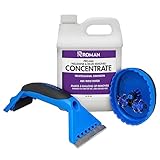
You mix them according to the instructions (and this is important – don’t just wing it) and apply them to the scored wallpaper. These chemicals are designed to penetrate the wallpaper and the paint layer, breaking down the glue underneath. The smell can be strong, so ventilation is absolutely important. Open windows, use fans.
I once tried to do a small bathroom without opening a window and felt lightheaded within 20 minutes. You apply the stripper, let it dwell for the recommended time (again, follow the instructions!), and then try to scrape.
These chemicals can be very effective, but they can also be harsh on your skin and eyes, so protective gear is a must. The key with chemicals is to test a small, inconspicuous area first to make sure it doesn’t damage your drywall underneath. I’ve found that sometimes, even with chemical strippers, you might still have residue or stubborn bits that require a follow-up with a steamer or scraper.
Common Mistakes and How to Avoid Them
When you’re tackling painted wallpaper, it’s easy to make mistakes that turn a tough job into an absolute nightmare. I’ve made my fair share, so let me save you some grief. The biggest mistake, hands down, is underestimating the job. People see wallpaper and think ‘easy DIY,’ but painted wallpaper is in a different league. You need to go into it with the expectation that it will be difficult, time-consuming, and messy.
One common error is not scoring the wallpaper properly. If your scoring tool isn’t sharp enough or you’re not applying enough pressure, you won’t create enough holes for the water or stripper to penetrate. This leads to endless frustration as the liquid just sits on the surface. Another mistake is not using the right solution. Plain dish soap and water often aren’t strong enough for the stubborn adhesives used in older wallpapers, especially when they’ve been sealed by paint. Invest in a dedicated wallpaper stripper solution; it’s worth the few extra bucks.
Patience is also key, and many people rush the process. Letting the stripper solution or steam dwell for the recommended time is important.
If you try to scrape too early, you’ll be fighting a losing battle. I’ve also seen people use overly aggressive scraping tools, like a razor blade held at a steep angle, which can easily gouge the drywall paper. A good quality plastic scraper or a wide putty knife used at a low angle is usually best. If you do damage the drywall, don’t panic.
Minor gouges can often be patched with joint compound after the wallpaper is removed. Finally, and this is a big one: don’t just paint over it. I know it’s tempting when you’re tired and covered in goo, but you’re just making the problem infinitely worse for the next person (or for yourself down the line). It’s a short-term fix with long-term consequences. (See Also: Can You Use Removable Wallpaper On Desk )
The Final Verdict: Is It Worth It?
So, can you remove wallpaper that has been painted? Yes, you absolutely can. But let’s be brutally honest: it’s rarely a fun or easy task. It requires patience, the right tools, and a willingness to get your hands dirty. The paint acts as a sealant, making the traditional methods of scoring, soaking, and peeling much less effective. You’re often dealing with a combination of softened paint, paper pulp, and stubborn adhesive that can be a real challenge to remove cleanly.
The effort involved often leads people to consider alternative solutions. Some might opt to skim coat the wall with joint compound to create a smooth surface over the existing wallpaper, or even hang new drywall entirely. These are valid options, especially if the wallpaper is severely damaged or if the drywall underneath has been compromised during removal. However, if you’re on a budget or you’re committed to a full removal, patience and the right products are your best allies. A good wallpaper steamer, a strong chemical stripper, and plenty of elbow grease are your primary weapons.
My personal take? If it’s just one or two rooms and you have the time, go for it. It’s a satisfying feeling when you finally get that last stubborn scrap off. But if you have multiple rooms or you’re on a tight deadline, weigh the cost of your time and sanity against hiring a professional or considering the skim-coating route. There’s no shame in admitting defeat when the wallpaper has well and truly won. For me, that avocado green kitchen was a hard lesson learned, and I’ve since been much more judicious about my wallpaper choices and my willingness to tackle painted-over horrors. It’s a job that tests your resolve, but with the right approach, it is achievable.
How Do I Know If the Wallpaper Is Painted?
The most obvious sign is a solid color that doesn’t look like a typical wallpaper pattern. If the wallpaper feels unusually thick, has a slight sheen (even if it’s matte paint), or if the seams are completely invisible and the surface feels smooth and hard like a painted wall, it’s likely been painted. You can also try to gently scrape a small, inconspicuous area with a putty knife. If you pull off paint along with paper, or if the scraping reveals a layer of paint before any paper texture, it’s painted.
Can I Just Paint Over Painted Wallpaper?
While technically possible, it’s a terrible idea that I strongly advise against. Painting over painted wallpaper will not hide imperfections in the wallpaper or its adhesive. It will eventually start to peel or bubble, often taking the paint with it, and will make future removal exponentially more difficult and messy. You’re basically creating a thicker, more stubborn layer that will be a nightmare to deal with down the line.
What Is the Best Way to Remove Stubborn, Painted Wallpaper?
For stubborn, painted wallpaper, a combination approach is usually best. Start by scoring the wallpaper thoroughly with a good quality scoring tool. Then, use a dedicated wallpaper stripper solution, applied generously and allowed to dwell for the recommended time. A wallpaper steamer is also highly effective for softening both the paint and the adhesive. You’ll likely need to use a scraper to remove the softened material. Patience and persistence are key, as you may need to reapply solutions or steam multiple times.
Will a Wallpaper Steamer Damage My Drywall?
A wallpaper steamer can potentially damage drywall if used improperly. Holding the steamer in one spot for too long can saturate the drywall paper, causing it to weaken and tear. The heat and moisture can also lift the paint from the drywall surface. It’s important to keep the steamer moving and not to over-saturate any single area. Always test in a small area first and be prepared for potential minor drywall repairs after removal.
Verdict
So, to circle back to that initial, burning question: can you remove wallpaper that has been painted? Yes, you can. It’s not a task for the faint of heart or those looking for a quick weekend project. It’s a commitment requiring specific tools and a healthy dose of perseverance. You’ll battle layers of paint and adhesive, and you’ll likely question your life choices multiple times. But with the right strategy – scoring, a good stripper solution, and possibly a steamer – you can get that paper off and reclaim your walls.
Remember, the paint is the enemy here, acting as a stubborn sealant. Don’t be fooled by its smooth appearance; it’s holding that paper on with surprising strength. If you’re looking at a large area or a particularly stubborn job, consider if the time and effort are worth it compared to professional help or alternative solutions like skim coating. But for those ready for the challenge, the satisfaction of a clean, stripped wall is a worthy reward.
Ultimately, tackling painted wallpaper is a testament to your DIY grit. You can do it, but be prepared for a fight. Arm yourself with the right tools, protect yourself, and don’t be afraid to take breaks. You’ll get there, one scraped-off, gooey, papery bit at a time.