I remember staring at that ghastly floral wallpaper in my first apartment, convinced I’d made a terrible mistake. It looked like it was glued on with industrial-grade concrete. My buddy Kevin, bless his overenthusiastic heart, swore by a wallpaper steamer. “It’s the only way, man!” he’d declared. I bought the thing, lugged it home, and spent four hours wrestling with soggy sheets of paper and questionable steam before admitting defeat. So, can you remove wallpaper without a steamer? Hell yes, you can. And sometimes, it’s even easier.
Look, I’ve tackled my fair share of wallpaper projects, and not all of them involved fancy gadgets. I’ve learned that while a steamer might be your go-to, it’s far from the only weapon in the arsenal. Sometimes, the most straightforward methods are the best, especially when you don’t want to invest in a tool you’ll use maybe twice.
Scraping It Off: The Old-School Method
Let’s talk about the most basic approach: plain old scraping. Before fancy steamers and chemical concoctions were commonplace, people just… scraped. And honestly, for a lot of wallpapers, it still works. The key here is understanding what you’re up against. Is it strippable wallpaper? Vinyl-coated? Something ancient and probably glued with mud?
If the wallpaper has a seam that lifts easily, or if you can peel a corner without it tearing into a million tiny pieces, you’re in luck. Start in a corner, ideally near a window or a door where you can get a good starting point. Use a putty knife or a dedicated wallpaper scraper. Hold it at a shallow angle – you don’t want to gouged into the drywall behind it.
Gentle, steady pressure is the name of the game. Work your way across, trying to get under the paper and lift it in large sections.
If it starts to tear, don’t panic. Just find another edge and try again. It’s like picking at a scab, really. Tedious, but satisfying when you see progress.
This method is the most budget-friendly, obviously. All you need is a scraper, which you probably already have, or you can grab one for a few bucks at any hardware store. I’ve used a basic metal putty knife countless times. A plastic one is safer if you’re worried about dinging your walls, but it can be less effective on stubborn paper.
The main drawback? It can be incredibly time-consuming and physically demanding. You’ll be hunched over, scraping for hours, and your arms will get a workout. And if the wallpaper is really well-adhered, you might end up with tiny bits of paper clinging to the wall, which then need to be painstakingly removed. This is where most people get frustrated and decide they need a steamer. But hang on, there are other tricks.
The Power of Hot Water and Soap (yes, Really)
This is where the common advice sometimes steers people wrong. Many folks jump straight to expensive solutions, but often, good old hot water mixed with a bit of dish soap can do wonders. It’s not magic, but it’s surprisingly effective. Think of it as a gentler, more accessible version of a steamer. The hot water softens the adhesive, and the soap helps to break it down further.
Here’s the deal: you’re not just going to splash water on the wall. That’ll just run down and make a mess. The trick is to saturate the paper so the water can penetrate the adhesive. I usually use a spray bottle – the kind you’d use for plants or cleaning. Fill it with hot water and add a decent squirt of dish soap. You want it sudsy, but not so sudsy that it’s hard to spray. Some people add a tablespoon of white vinegar, which can help with stubborn glue, but I find plain soap and water often does the trick. Make sure the water is hot when you put it in the bottle. (See Also: Does Peel And Stick Wallpaper Damage Walls When Removed )
Now, here’s the important part: you need to let it soak. You can’t just spray and scrape immediately. Go wall by wall, or even section by section. Spray the area thoroughly, and then let it sit for 10-15 minutes. You’ll see the paper start to bubble and loosen. Then, grab your scraper – the same putty knife or wallpaper scraper you’d use for dry scraping. It should slide under the softened paper much more easily. You’ll be able to peel off larger strips. Once you get a good section off, spray it again and let it sit. Repeat until the wallpaper is gone.
A common mistake here is not using enough water or not letting it soak long enough. People get impatient. They spray a little, scrape a little, and when it’s not coming off easily, they give up and blame the method. Patience is key. I’ve had to re-soak areas multiple times on particularly stubborn jobs. It’s a bit messy – you’ll have drips, so have drop cloths down. But the cost? Minimal. A bottle of soap and some water. You probably have both already.
This method is particularly good for standard paper-based wallpapers. For vinyl-coated or foil wallpapers, you might need to score the surface first to allow the water to penetrate. A scoring tool makes tiny holes in the wallpaper without damaging the drywall beneath, which is important. Without scoring, the water just beads up and rolls off the vinyl surface. I learned this the hard way on a bathroom renovation where I had some glossy, older wallpaper that refused to budge until I finally grabbed a scoring tool.
The Chemical Approach: Wallpaper Strippers
Alright, so maybe the hot water and soap isn’t cutting it, or you’ve got a serious amount of wallpaper to tackle. This is where chemical wallpaper strippers come in. They’re designed to break down wallpaper paste specifically. There are a few types: pastes, gels, and liquids. They all work on the same principle: dissolving the adhesive.
My first experience with a chemical stripper was with a product called ‘Goof Off’ years ago, thinking it would solve all my problems instantly. It was okay, but incredibly smelly and left a residue I had to scrub off. Since then, I’ve tried a few different brands. Look for one that’s specifically labeled as a ‘wallpaper remover’ or ‘stripper.’ Some are water-based and less toxic, which is a big plus. Always, always read the instructions on the label. They vary from product to product.
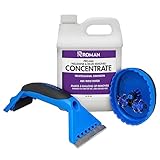
Generally, you mix the concentrate with water (or use it straight, depending on the product) and apply it with a sponge, roller, or spray bottle. Like the hot water method, you need to let it soak. The soaking time can be shorter, maybe 15-30 minutes, but again, follow the manufacturer’s recommendations. You’ll see the wallpaper start to sag and peel away from the wall. Use your scraper to help lift it off. Once the wallpaper is off, you’ll likely need to wash the walls down with clean water to remove any chemical residue. This is important to prevent issues with priming or painting later on.
The downside? Cost. Chemical strippers aren’t free. A good-sized bottle can run you $15-$30, and if you have a large house, it adds up. Also, ventilation is key. Some of these products have strong fumes. Open windows, use fans. I also recommend wearing gloves and eye protection. I once got a splash of a particularly strong stripper in my eye – not a fun experience. It’s not as straightforward as water and soap, but it can be a lifesaver for really stubborn wallpaper.
Another common mistake is using too much product. You don’t need to drench the wall. A good saturation is all that’s required. And if you’re painting over wallpaper instead of removing it (which, let’s be honest, is a whole other debate I’m not getting into here), make sure the stripper is completely removed, or it can affect your paint job.
DIY vs. Rental: When to Break Out the Big Guns
So, the big question: when is it worth it to rent or buy a wallpaper steamer? If you’re tackling a single room with a few strips of wallpaper, probably not. The hot water and soap method, or a good chemical stripper, will likely get the job done for a fraction of the cost and effort of figuring out a rental. However, if you’re renovating an entire house, or you have multiple rooms with wallpaper that looks like it was applied during the Eisenhower administration, a steamer might actually save you time and frustration. (See Also: Can You Remove Wallpaper To Repaint )
I rented a steamer once for a massive Victorian house I was helping a friend flip. That thing was a beast. It heated up quickly, produced a good amount of steam, and made short work of wallpaper that had been on the walls for what felt like decades. The steam penetrates the paper and loosens the glue effectively. You hold the steam plate against the wall for a minute or two, then scrape. It’s more powerful than just water, and the heat really helps break down old, dried-out adhesive.
Rentals can range from about $20 to $50 a day, depending on where you live and the type of steamer. For a weekend project covering a few rooms, it could be cost-effective compared to buying a decent one, which might set you back $100-$200. When you rent, you get the main unit and a hose with the steam plate. Make sure you get one that comes with clear instructions, or ask the rental place for a demo if you’ve never used one before. They’re not complicated, but there’s a technique to it.
The downside of steamers? They are bulky, heavy, and require electricity. You need to be careful not to let the steam linger too long in one spot, as it can damage the drywall paper. It’s also a wet process, so drop cloths are a must. For me, the biggest con is the initial setup and cleanup. It feels like a bigger production than just mixing up some soap and water. But for really tough jobs, the steam power is undeniable. My friend and I knocked out three large rooms in a weekend with the steamer, which would have taken us weeks of scraping and soaking.
Scoring and Removing Stubborn Layers
Sometimes, even with the best methods, wallpaper just clings on for dear life. This is where scoring becomes your best friend. As I mentioned earlier, if you have vinyl, foil, or multiple layers of wallpaper, the liquid or steam needs to penetrate. Scoring tools are specifically designed for this. They have small, sharp wheels that rotate and poke tiny holes into the wallpaper surface. You just roll it over the wallpaper, applying gentle pressure. Don’t go crazy; you’re not trying to shred the drywall.
Once the wall is scored, you can then proceed with your chosen removal method – hot water and soap, chemical stripper, or a steamer. The holes you’ve created allow the solution or steam to reach the adhesive underneath. This dramatically speeds up the process and makes stubborn wallpaper far more manageable. I’ve had wallpaper that looked like it was painted over, and scoring was the only way to get anything to penetrate.
After the wallpaper is off, you’ll often find stubborn bits of adhesive left on the wall. This is normal. You can usually remove this with a sponge and warm water, or a bit of your chosen stripper. Sometimes, a stiff brush can help loosen dried-on glue. For really persistent patches, you might need a fine-grit sandpaper (like 120 or 150 grit) to lightly scuff away the remaining goo. Be gentle; you don’t want to damage the drywall surface. The goal is a smooth surface for whatever comes next, whether it’s paint or new wallpaper.
A word of caution with scoring tools: they can leave tiny holes. If you press too hard or go over the same spot too many times, you can nick the paper of the drywall itself. This is fixable, of course, with joint compound and sanding, but it’s an extra step you want to avoid if possible. So, use a light touch and let the scoring tool do its job. The difference it makes on tough wallpaper is remarkable. It’s the bridge between ‘impossible’ and ‘doable’ for many situations.
The ‘paint Over It’ Debate (and Why I Usually Don’t)
Now, I know some people swear by painting directly over wallpaper. And honestly, for some very specific situations, it might work. If you have a single layer of plain, well-adhered paper in a low-moisture area like a formal dining room, and you’re absolutely sure it’s not going to peel or bubble down the line, then sure, go for it. But in my experience, it’s a gamble that rarely pays off in the long run. I’ve seen too many jobs where the wallpaper eventually started to lift, bubble, or show seams through the paint, especially in bathrooms or kitchens where humidity is a factor.
The problem is that wallpaper adhesive isn’t always permanent, and changes in temperature or humidity can cause it to loosen. Plus, even if it seems smooth now, you might have subtle textures or seams that will show up under paint, especially if you use a lower-quality paint. My contrarian opinion is that painting over wallpaper is usually a shortcut that creates more work later. It’s like putting a bandage on a broken bone. You’re hiding the problem, not fixing it. (See Also: Can You Use Removable Wallpaper On Desk )
I once helped a friend tackle a bedroom where the previous owners had painted over a deeply textured wallpaper. It looked okay from a distance, but up close, you could see every single seam and bubble. When they decided to repaint, they discovered the wallpaper was pulling away from the wall in sheets, taking chunks of drywall paper with it. It turned a simple repaint into a massive stripping job, far worse than if they’d removed the wallpaper initially. The cost and effort to properly prep a painted-over wallpaper job for a good finish is often more than just stripping it correctly in the first place. It’s about 15-20% more work in my anecdotal experience.
So, while the idea of skipping the messy stripping process is tempting, I firmly believe that removing the wallpaper first, preparing the walls properly, and then painting or applying new wallpaper is the way to go for a lasting, professional-looking finish. It’s the honest way to do it, and in the long run, it saves you headaches and money.
Frequently Asked Questions About Wallpaper Removal
Do I Need a Steamer to Remove Wallpaper?
No, you absolutely do not need a steamer to remove wallpaper. While a steamer can be helpful for very stubborn or old wallpaper, it’s often overkill. Hot water and dish soap, chemical wallpaper strippers, and good old-fashioned scraping can be very effective methods, especially for standard, strippable wallpapers. You can achieve excellent results without investing in or renting specialized equipment.
What Is the Easiest Way to Remove Wallpaper?
The easiest way to remove wallpaper often depends on the type of wallpaper and how it was applied. For most standard wallpapers, a combination of hot water and dish soap, allowed to soak in thoroughly, followed by scraping with a putty knife, is surprisingly effective and budget-friendly. If the wallpaper is vinyl-coated or has multiple layers, scoring the surface first to allow the solution to penetrate makes the removal much easier.
Can You Remove Wallpaper with Just Hot Water?
Yes, you can remove wallpaper with just hot water, but adding a bit of dish soap significantly improves its effectiveness. The hot water softens the adhesive, and the soap helps to break it down further, allowing the wallpaper to peel away more easily. Make sure to saturate the wallpaper and let it soak for at least 15-20 minutes before attempting to scrape it off.
How Do I Remove Old, Dried-Out Wallpaper Paste?
Old, dried-out wallpaper paste can be removed by re-wetting it with hot water and dish soap or a chemical wallpaper stripper. Let the solution soak into the residue for 15-30 minutes, then use a scraper, putty knife, or even a stiff brush to lift and scrub it away. For very stubborn patches, a light sanding with fine-grit sandpaper can be effective after the paste has been softened.
Should I Score Wallpaper Before Steaming or Using a Stripper?
Yes, you should score wallpaper, especially if it is vinyl-coated, foil-backed, or has multiple layers, before using a steamer or chemical stripper. Scoring creates tiny holes that allow the steam or stripper solution to penetrate the surface and reach the adhesive underneath. Without scoring, the water or stripper may just bead up and roll off, rendering the method ineffective.
Final Thoughts
So, to answer the big question: can you remove wallpaper without a steamer? Absolutely. I’ve walked you through the methods I trust, from the simplest hot water and soap to the more potent chemical strippers. Remember, patience and the right tools – even if they’re just a putty knife and a spray bottle – are your best friends here. Don’t be afraid to try the gentler methods first.
My personal go-to for most situations is the hot water and dish soap technique, sometimes with a scoring tool if it’s a tough customer. It’s cheap, effective, and you likely already have the supplies. If you’re facing a whole house of ancient, peeling horrors, then maybe, just maybe, renting a steamer makes sense. But for the average room, save your money and your sanity by sticking to the basics.
Before you dive in, grab some drop cloths, wear old clothes, and keep a trash bag handy. You’ll be surprised how much of that old paper comes down in one satisfying pull. And hey, if you get stuck, don’t be afraid to call in a pro, but try these methods first. You might just surprise yourself with what you can accomplish without a steamer.