I remember staring at that floral monstrosity my landlord had plastered all over the living room walls. It was the kind of pattern that made your eyes water, and peeling it off felt like an archaeological dig. My first thought, after exhaustion set in, was: can you use an iron to remove wallpaper? It seemed like a long shot, a desperate hack, but I was already covered in goo and frustration.
Look, most DIY advice you find online is either painfully obvious or just plain wrong. People suggest everything from vinegar soaks to industrial-grade solvents. But the iron? That one stuck in my head. Was it genius, or just another way to make a bigger mess?
I’ve ripped down enough questionable wallpaper in my life to know a few things about what works and what’s just a waste of time and energy. So, let’s get down to brass tacks on this whole iron-and-wallpaper business.
When the Iron Seems Like a Good Idea
Okay, so the theory behind using an iron to remove wallpaper is pretty simple, or at least, it sounds simple when you first hear it. The idea is that the heat from the iron softens the adhesive holding the wallpaper to the wall. Think of it like melting butter – the heat makes the sticky stuff less… well, sticky. Once the adhesive is soft, the wallpaper should theoretically peel off in larger sheets with less scraping and less of that dreaded paper-and-paste confetti raining down on you.
It’s a method that pops up in those ‘life hack’ corners of the internet, usually paired with a picture of someone holding a steaming iron near a wall. The promise is a quick, easy solution. And honestly, after spending hours with a scraper and a spray bottle, watching the wallpaper stubbornly refuse to budge, the thought of a little heat feels incredibly appealing. It sounds less physically demanding than a lot of the other methods, which is a big win when you’re already aching.
The common advice you’ll see often mentions using a steamer, which is basically the same principle – applying heat and moisture. So, the iron just seems like a more accessible version of that. You probably already have one, right? No need to buy or rent a special steamer. The thought process is: if steam works, why wouldn’t direct heat from an iron work, maybe even better?
I’ve definitely been there, staring at a stubborn patch of wallpaper, thinking, ‘There has to be a simpler way.’ And often, that’s when these slightly out-there ideas start to sound more and more plausible. The appeal is undeniable: less mess, less time, and using a tool you already own. It’s the dream scenario for any homeowner or renter facing a wallpaper removal nightmare. So, while it might sound a bit unconventional, the logic behind it isn’t entirely without merit, especially when you’re desperate.
My Experience: The Great Wallpaper Iron Experiment
I’ll be honest, I was skeptical. Beyond skeptical. I’d spent a weekend once trying to remove this awful textured wallpaper from a tiny bathroom. It was like trying to scrape concrete off the walls. So, when I heard about using an iron, my brain immediately filed it under ‘desperate measures’ and ‘probably won’t work.’ But I was also moving out of a rental, and the landlord was particularly picky about the walls.
I grabbed my trusty old steam iron, the kind with a decent amount of power, and a wet cloth. The idea, as I understood it, was to dampen the wallpaper with hot water first, let it sit for a bit, and then go over it with the iron. I started with a small section. I sprayed the wall, waited five minutes, and then cautiously held the iron a few inches away, moving it back and forth. Nothing. I tried touching it directly to the paper, moving it quickly. A faint puff of steam, a slightly damp spot, but the paper just… sat there. It felt like I was ironing a damp t-shirt that refused to crease.
My first real mistake? I cranked the iron to its highest setting, thinking more heat equaled faster softening. Big mistake. I ended up with a slight scorch mark on one tiny corner of the paper, and a faint smell of burning fabric, which is not what you want when you’re trying to impress a landlord. It certainly didn’t make the wallpaper peel any easier; it just made me panic about damaging the drywall underneath. After about twenty minutes of this futile effort, my hands were aching, the iron was getting heavy, and the wallpaper looked exactly the same, maybe even a little sadder. (See Also: Does Peel And Stick Wallpaper Damage Walls When Removed )
I remember laughing at myself, covered in lukewarm water and a faint residue of wallpaper paste. I’d wasted a good chunk of time that could have been spent with a proper scraper and some decent stripper solution. The common advice to just ‘use a steamer’ suddenly seemed a whole lot more sensible. This wasn’t just a minor inconvenience; it was a full-on, time-sucking failure. So, can you use an iron to remove wallpaper? In my experience, and after a good bit of trial and error, the answer is a resounding ‘not effectively,’ at least not on its own.
Why the Iron Often Falls Short: The Real Deal
Let’s be blunt: the idea of using an iron for wallpaper removal often sounds better on paper (or on a viral social media clip) than it is in practice. The core issue is heat transfer and its effectiveness on wallpaper adhesives. Most wallpaper adhesives are designed to be tough. They’re formulated to withstand moisture and temperature fluctuations, within reason. An iron, even on its hottest setting, isn’t designed to penetrate a thick layer of wallpaper and then effectively transmit enough sustained heat deep into the adhesive layer to break it down.
Think about it like trying to melt a giant ice cube with a hairdryer. You can get the surface warm, maybe even a little drippy, but getting all the way to the core to melt the whole thing is a monumental task. Wallpaper is similar. The paper itself acts as an insulator, and the adhesive is often quite dense.
The heat from an iron dissipates too quickly. It might soften the very surface layer of the adhesive, but it rarely gets hot enough, or stays hot enough, for long enough to truly break the bond between the paper and the wall.
What you often end up with is a slightly sticky mess that’s just as hard to manage, if not harder, because now it’s also damp and gooey.
This is where those ‘People Also Ask’ questions often miss the mark. Someone asks, ‘Does heat soften wallpaper glue?’ Yes, heat can soften glue, but the type of heat and the intensity matter. A dedicated wallpaper steamer uses high-pressure steam, which is far more effective at penetrating and breaking down adhesives than the dry or slightly moist heat from an iron. The iron is just not engineered for this task. It’s designed for fabric, not for stubborn, decades-old wallpaper paste. I’ve seen people try to use a wet cloth with the iron, which adds moisture, but it’s still a relatively low-temperature, low-penetration approach compared to what’s needed.
The common advice often overlooks the fact that different wallpapers and different adhesives require different approaches. A delicate, single-layer paper from the 70s might respond differently than a vinyl-coated, double-layered beast from the 90s. The iron method tends to be a one-size-fits-all suggestion that rarely fits anything well. It’s a classic case of a supposed shortcut that ends up taking more time and effort than doing it the right way from the start. The frustration is real when you’ve invested time and energy into a method that simply doesn’t deliver on its promise.
A Better Approach: What Actually Works
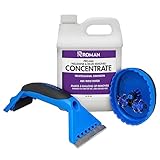
If you’re facing a wall that looks like it’s wearing a questionable paper suit, ditch the iron. Trust me. The most reliable method I’ve found, and the one that’s saved me countless hours of banging my head against the wall, involves a good quality wallpaper stripper solution and a sturdy scraper. There are various types of strippers out there – some are enzyme-based, others are chemical. For most standard wallpapers, a simple liquid stripper you mix with hot water works wonders. You can find these at any hardware store for about $15-$25 a bottle, which is a small price to pay compared to the headache an iron can cause.
Here’s the basic process that’s never let me down: First, score the wallpaper. This is key. You want to create tiny perforations so the stripper can actually soak into the paper and reach the adhesive. (See Also: Can You Remove Wallpaper To Repaint )
You can buy a special scoring tool (they look like little pizza cutters with spikes) for about $10, or be very careful with a utility knife. Then, mix your stripper solution according to the instructions – usually with hot water.
Slather it on with a large brush or a roller, making sure to get good coverage. Now, here’s the patience part: let it soak. The instructions will usually say 15-30 minutes, but for really stubborn stuff, I’ve let it sit for up to an hour. You want it to look visibly wet and saturated.
Once it’s had time to soak, grab a wide putty knife or a dedicated wallpaper scraper (the ones with a long handle are great for reducing back strain). Start at a seam or a corner and gently work the scraper under the paper. If the stripper did its job, the wallpaper should start to peel away in large strips. If it’s still fighting you, reapply the stripper to that section and let it soak longer. It’s a process, no doubt about it, but it’s a working process. I once tackled a room with three layers of wallpaper, and this method, though tedious, got the job done without me wanting to tear my hair out.
And for those truly vinyl-coated or older papers that resist soaking, a steamer is your next best friend. You can rent one for a reasonable price, maybe $30-$50 for a day. They blast steam directly onto the paper, which is far more effective than an iron. The key with steaming is to work in small sections, hold the steam plate against the wall for about 30 seconds to a minute, and then immediately try to scrape. The combination of heat and moisture from a steamer is significantly more powerful than an iron. Don’t fall for the iron trick; invest in the right tools and solutions for a headache-free removal.
Common Mistakes and How to Avoid Them
People make a lot of mistakes when tackling wallpaper removal, and trying to use an iron is often born out of one of the biggest: impatience. You want it gone now, and you’re looking for a magic bullet. Unfortunately, wallpaper doesn’t usually surrender to magic bullets. The most common mistake, besides the iron idea itself, is not scoring the wallpaper properly. If you don’t perforate the surface, the stripper solution or steam can’t get to the adhesive. It just beads up and rolls off, leaving you with a damp but otherwise intact sheet of paper.
Another big blunder is using too little stripper solution or not letting it soak long enough. I’ve seen people just lightly mist the walls, expecting miracles. That’s not how it works. You need to saturate the paper. Think of it like giving a very stubborn stain a good soaking before you try to scrub it. And don’t be afraid to reapply. If a section starts to dry out while you’re working on another, go back and give it another spray or application of stripper.
Scraping too aggressively is also a frequent error. You’re not trying to gouge the drywall. Use a sharp scraper, but apply steady, consistent pressure. If the wallpaper is coming off in stubborn chunks, it’s usually a sign that the stripper needs more time to work, not that you need to attack the wall with brute force. Force can lead to damaging the drywall, which is a much bigger, more expensive problem to fix than stubborn wallpaper. I once tried to rush a job in a small powder room and ended up having to re-plaster a section of the wall because I was scraping too hard. Lesson learned: patience is a virtue, especially with wallpaper.
Finally, people often forget about different types of wallpaper. Vinyl-coated papers are much tougher and often require scoring and steaming, or even a specific heavy-duty stripper. Trying to use the same gentle approach on a vinyl paper as you would on a thin, old-fashioned paper is a recipe for disaster. Always try to identify the type of wallpaper if you can. If you’re unsure, start with a more aggressive approach (scoring, good soaking) and see how it responds. It’s better to be a little over-prepared than to waste your time with ineffective methods like using an iron.
The Verdict: Iron vs. Scraper vs. Steamer
Let’s lay it out clearly. When it comes to removing wallpaper, the iron is, frankly, a gimmick. It might offer a tiny bit of localized softening if you’re lucky and the wallpaper is incredibly thin and old, but for the vast majority of wallpaper jobs, it’s an ineffective tool that wastes your time and energy. I’d give it a solid ‘no’ for effectiveness, a ‘poor’ for ease of use (due to the awkwardness of maneuvering it), and a ‘terrible’ for results. You’ll likely end up more frustrated and with a messier situation than when you started. (See Also: Can You Use Removable Wallpaper On Desk )
| Tool/Method | Effectiveness | Ease of Use | Mess Level | Verdict |
|---|---|---|---|---|
| Iron | Poor | Poor | Moderate to High (gooey mess) | Avoid. Doesn’t work reliably. |
| Putty Knife/Scraper + Stripper Solution | Excellent | Good (with patience) | Moderate (paste and water) | Highly Recommended. Your go-to method. |
| Wallpaper Steamer | Excellent | Good | Moderate (water and steam) | Great for stubborn papers, worth renting. |
| Scoring Tool | N/A (enhances other methods) | Good | Low | Key companion for strippers/steamers. |
A putty knife or scraper combined with a good wallpaper stripper solution is your most reliable and cost-effective option for most jobs. It requires patience and elbow grease, but it works. The key is to let the solution do the heavy lifting by softening the adhesive. It’s not glamorous, but it gets the job done. I’ve tackled everything from thin, delicate papers to thick, vinyl-coated monstrosities with this method, and it’s always delivered.
A wallpaper steamer steps things up a notch and is particularly useful for very stubborn or layered wallpapers. The intense heat and moisture are incredibly effective at breaking down old, dried-out adhesives. Renting a steamer is usually quite affordable, and if you have a large area or particularly tough paper, it can save you a lot of time and frustration. It’s a step up in power and efficiency from the stripper solution alone. So, while the iron might seem like a clever hack, sticking to proven methods like a good stripper and a scraper, or a steamer when needed, will save you a world of hurt and make sure your walls are ready for their next makeover.
Faq: Your Burning Wallpaper Questions Answered
Can I Use My Regular Clothes Iron to Remove Wallpaper?
While you technically can try to use a regular clothes iron, it’s highly unlikely to be effective for removing wallpaper. The heat generated is usually not intense or sustained enough to break down the strong adhesives used in wallpaper. You’re more likely to end up with a sticky, damp mess and potentially scorch the wallpaper or wall, rather than achieving clean removal. Stick to methods designed for wallpaper removal.
Will Heat Damage My Drywall If I Use an Iron?
There’s a risk of heat damage, especially if you’re using a high setting or holding the iron too close or too long. While drywall is somewhat resilient, excessive heat can potentially cause the paper facing to scorch or even damage the gypsum core. Furthermore, if you’re using water with the iron, prolonged dampness can also lead to issues with the drywall. It’s best to avoid methods that pose such risks and use appropriate tools.
How Long Does Wallpaper Stripper Solution Need to Soak?
The soaking time for wallpaper stripper solution varies depending on the product and the type of wallpaper. Typically, manufacturers recommend 15 to 30 minutes. However, for older, tougher, or multi-layered wallpapers, you might need to let it soak for up to an hour, reapplying as needed to keep the area wet. Always check the product instructions, but be prepared to extend the soaking time if the wallpaper isn’t easily peeling.
Is Steaming Wallpaper Better Than Using a Stripper Solution?
Steaming and using a stripper solution are both effective methods, but they work slightly differently and are suited for different situations. Stripper solutions work by chemically breaking down the adhesive. Steamers use heat and moisture to soften it. For many standard wallpapers, a good stripper solution is sufficient and easier to manage. For very stubborn, old, or vinyl-coated wallpapers, steaming is often more powerful and can be more efficient. Sometimes, a combination of both is best.
How Do I Know If the Wallpaper Is Coming Off Easily?
If the wallpaper is coming off easily after soaking or steaming, you’ll notice it starting to bubble or lift from the wall. When you gently try to insert your scraper under a corner or seam, the paper should begin to peel away in large strips with minimal resistance. If it’s tearing into small pieces or still clinging stubbornly, it means the adhesive hasn’t been sufficiently softened, and you’ll need to reapply the stripper or steam the area longer.
Verdict
So, after all that, can you use an iron to remove wallpaper? My honest, no-nonsense answer is: probably not effectively. It’s a tempting idea because it feels like a shortcut, a way to use something you already own to tackle a dreaded chore. But the reality is, an iron just doesn’t have the power or the right kind of heat to break down most wallpaper adhesives efficiently.
You’ll likely end up frustrated, possibly with a slightly scorched wall, and the wallpaper will still be stubbornly attached. The effort you put into trying the iron method will probably yield far better results if directed towards a good quality wallpaper stripper solution and a reliable scraper. Or, if you’re facing a particularly tough job, consider renting a steamer, which is a tool actually designed for this kind of heavy lifting.
Don’t let the allure of a quick hack derail your project. If you’re about to embark on removing wallpaper, save yourself the headache and the wasted time. Grab the right tools, be patient, and you’ll get those walls stripped clean, ready for whatever you have in mind next.