I remember staring at that hideous floral wallpaper in my first apartment, the kind that looks like it was designed by a committee of garden gnomes. My landlord, bless his heart, said, ‘Just peel it off.’ Easy for him to say. I spent a solid two days scraping, sweating, and questioning every life choice that led me to this moment. That’s when I started wondering, can you use apple cider vinegar to remove wallpaper? It’s a question that pops up when you’re desperate and have a gallon of the stuff from that brief, ill-fated kombucha phase.
Look, I’ve wasted enough cash on ‘miracle’ home solutions to fund a small nation. So, when it comes to tackling a job like wallpaper removal, I’m all about blunt honesty. Forget the fancy jargon; let’s talk about what actually works, what’s a total waste of time, and whether that pungent vinegar you’ve got sitting in the pantry is actually a secret weapon or just another kitchen gimmick.
The Vinegar Hypothesis: Does Acidity Really Work?
So, you’re standing there, armed with a putty knife and a growing sense of dread, staring at layers of ancient, peeling wallpaper. You’ve heard whispers, seen online chatter, and now the question burns: can you use apple cider vinegar to remove wallpaper? The theory is simple enough: the acetic acid in vinegar, particularly apple cider vinegar (ACV) with its natural fermentation byproducts, is supposed to break down the wallpaper paste. It’s a bit like how some people swear by using it for cleaning tough grime or even for certain household remedies.
The idea is that the acid softens the adhesive, making the paper slide off with minimal fuss. Sounds logical, right?
If you’ve ever tackled a stubborn sticker and soaked it in something acidic, you might have seen a similar effect. The general consensus among DIY forums is that it can work, but with a hefty dose of ‘it depends’ and a side of ‘manage your expectations.’
My first encounter with this ACV wallpaper theory was about five years ago. I was helping a friend tackle a bathroom that was wallpapered in the 70s, probably with industrial-strength adhesive.
We were running out of commercial stripper and the walls were looking like a topographical map of bad decisions. Someone, bless their internet soul, suggested ACV. I was skeptical. I mean, it smells like a regretful frat party.
But we mixed up a batch – about half ACV, half hot water – put it in a spray bottle, and went to town. The initial results were… underwhelming. It didn’t magically dissolve the paste.
We still had to scrape. However, I noticed that the areas where we’d really soaked the paper seemed to come away a little easier.
The paste felt slightly gooier, less like cement. It wasn’t the instant gratification advertised on some blogs, but it certainly didn’t make things worse.
It felt more like a mild lubricant for the stubborn paste rather than a solvent.
What’s actually happening here is that the acetic acid in vinegar can, to a degree, hydrolyze the complex carbohydrates in the starch-based adhesives commonly used for wallpaper. Think of it as a gentle unraveling of the sticky stuff. However, the effectiveness is heavily influenced by the type of adhesive, how old it is, and how much was used. Old, oil-based, or heavy-duty vinyl adhesives are going to laugh in the face of a vinegar solution. The key is saturation. You need to get that vinegar solution behind the wallpaper, soaking into the paste. This usually means scoring the wallpaper first, a step many people skip or do poorly, which drastically reduces the effectiveness of any liquid stripper, vinegar or otherwise.
One factor that’s often overlooked is the concentration of the ACV. Most recipes suggest a 50/50 mix with water. This is a good starting point, but for truly stubborn paste, you might need a stronger concentration. However, going too strong can damage the underlying drywall paper, which is a whole new headache you don’t want.
The smell is also a significant factor. While it dissipates, it can linger for a while, especially in poorly ventilated areas. So, while the science suggests a potential mechanism, in practice, it’s more of a supporting player than a lead role in the wallpaper removal drama.
It’s not a magic bullet, but for certain types of paste and with proper application, it can lend a hand.
What to Look for: Choosing Your Acv & Prep Work
Alright, so you’ve decided to give the apple cider vinegar route a shot. Good for you for being adventurous, or perhaps just cheap. (See Also: Does Peel And Stick Wallpaper Damage Walls When Removed )
Now, what kind of ACV are we talking about? Do you grab the fancy organic, raw, unfiltered stuff your yoga instructor swears by, or will the generic supermarket brand do? Honestly, for wallpaper removal, the fancy stuff is overkill.
You’re not drinking this, and the subtle notes of angelic choir and unicorn tears won’t help break down paste any better. Any decent quality, standard apple cider vinegar will do the job. Look for one that says ‘with the mother’ if you want to feel fancy, but it’s not a requirement for this particular task. The key is that it is apple cider vinegar and not white vinegar, though white vinegar can also work in a pinch, it just doesn’t have the same reputation for being a ‘gentler’ option, which might matter if you’re worried about your walls.
Before you even think about spraying, there’s prep work. This is where most people screw up.
If you have vinyl-coated wallpaper, it’s pretty much impermeable. You need to score it. And I don’t mean a few casual nicks.
You need to create a pattern of holes or slits all over the surface. This allows the ACV solution to penetrate. A scoring tool, like a Y-shaped wallpaper scorer, is your best friend here. Go over it a few times, making sure you’re making decent holes without gouging the drywall underneath.
If you can’t find a scorer, a stiff brush or even a wire-bristled brush can work, but it’s much slower and less effective. The goal is to create a sieve for your vinegar solution.
Once scored, the application is key. A good quality spray bottle is key.
Don’t use one of those cheap, leaky ones that spray in a pathetic mist. You want a decent stream or spray that will saturate the wallpaper. Mix your ACV and hot water – a 50/50 ratio is a good starting point. Hot water helps the paste soften a bit more effectively.
Now, spray liberally. Don’t be shy. You want the paper to be visibly wet, soaking through to the paste.
Let it sit. This is the hardest part for impatient people. You need to give the vinegar time to work.
I’m talking at least 15-20 minutes, maybe longer, especially on older, tougher wallpapers. You might need to reapply the solution if it starts to dry out. Keep an eye on it. The paper should start to look a bit saggy and the paste should feel softer when you gently test a corner with your putty knife.
Remember, the condition of your walls matters. If you have textured drywall or plaster, be extra careful. The ACV can sometimes affect certain finishes or textures, though it’s generally mild. Always test in an inconspicuous area first, if possible. And for the love of all that is holy, protect your floors and any furniture. Use drop cloths. Vinegar isn’t going to ruin hardwood permanently, but it’s not ideal to leave it sitting there. Think of it as preparing for battle; you wouldn’t go into a fight unarmed and unprotected, and neither should your room.
When Acv Falls Short: Alternatives and When to Splurge
Let’s be blunt: apple cider vinegar isn’t always the superhero it’s made out to be. I’ve been in situations where I soaked a wall for what felt like an eternity with ACV, scraped until my arms ached, and still ended up with a stubborn layer of paste clinging to the drywall like a limpet. This usually happens with vinyl-backed papers or those with really solid, modern adhesives that are designed to last through earthquakes and toddler tantrums. In these cases, ACV is just not going to cut it. It’s like trying to hammer a nail with a feather duster. You need something with a bit more oomph.
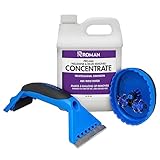
This is where commercial wallpaper removers come in. And yes, sometimes you just have to bite the bullet and buy the stuff. I’ve found the liquid or gel concentrates to be the most effective. You mix them with water according to the instructions – which, by the way, you should actually read.
They contain stronger chemicals designed specifically to break down wallpaper adhesives. While they might smell less pleasant than vinegar (and some have a truly eye-watering aroma), they are generally much faster and more effective, especially on tough jobs. I remember a time I was fighting with a particularly nasty, probably lead-painted, wallpaper in a rental and I’d tried everything – hot water, vinegar, even a bit of dish soap. Nothing worked. (See Also: Can You Remove Wallpaper To Repaint )
Finally, I caved and bought a $15 bottle of commercial stripper. Within an hour, the entire wall was coming off like butter. It was a humbling, yet liberating, experience. Sometimes, the cheaper route just costs you more time and sanity.
When considering alternatives, think about the type of wallpaper you’re dealing with. For standard, old-school paper, ACV might be perfectly adequate. But for vinyl, foil, or washable papers, you’re going to need more power.
Another effective method, especially for older homes where plaster might be involved, is the steam stripper. You can rent these, and they work by softening the adhesive with steam, allowing you to scrape it off. They are a bit more of an investment in terms of rental cost or purchase, but they are incredibly effective and often require less physical effort than chemical strippers.
The steam loosens the paste without saturating the wall as much as liquid solutions, which can be a lifesaver if you have delicate plaster or drywall that’s prone to damage.
The ‘People Also Ask’ questions often touch on using hot water. Hot water alone is often a good first step.
It’s basically what many commercial strippers are based on, but with added surfactants and solvents. So, before you reach for the ACV, try just saturating the wallpaper with very hot water.
Let it sit, score if needed, and see how that goes. If that doesn’t work, then you can move on to ACV, and if that doesn’t work, then it’s time to consider the heavier artillery.
It’s a tiered approach, and sometimes, you just need to accept that your DIY potion isn’t going to win every battle. This is also where you might want to check the manufacturer’s guidelines if your house is new and you have a specific type of wall covering, though that’s rare for older homes with wallpaper.
Real-World Use Cases: When Acv Shines (and When It Doesn’t)
So, where does apple cider vinegar truly shine in the wallpaper removal arena? I’ve found it’s most effective on older, paper-backed wallpapers that were likely installed with starch-based or mild PVA adhesives. Think of those slightly textured, matte-finish papers from the 70s and 80s. If the paper feels like actual paper and not a plastic-coated surface, ACV has a decent shot. My personal experience suggests it works best as a softening agent, making the scraping process less of a brute-force operation and more of a controlled peel. It’s particularly useful if you’re trying to avoid harsh chemicals because of pets, children, or just general environmental concerns. The smell, while noticeable, is far less offensive and toxic-smelling than many commercial strippers.
I had a situation in a guest bedroom where the previous owner had used a simple, un-coated floral wallpaper. It wasn’t particularly old, maybe 15-20 years.
I scored it, sprayed a 50/50 ACV and hot water mix, let it sit for about 20 minutes, and then started scraping. The paper came off in large sheets, and the paste beneath was soft and easily wiped away with a damp cloth. It wasn’t a perfect, no-residue situation, but it was darn close.
I would say about 80% of the wallpaper came off cleanly with minimal effort. The remaining 20% was some stubborn paste that I then tackled with a scrub brush and a bit more ACV solution. It took me about 3 hours to strip the whole room, which I considered a win, especially given the $5 cost for the ACV. This is the kind of scenario where ACV truly shines – manageable, older papers where the adhesive hasn’t bonded like superglue.
However, ACV is a definite no-go for vinyl-coated wallpapers, foil wallpapers, or anything that feels particularly plasticky or has a sheen. These are designed to be moisture-resistant, meaning your vinegar solution will just bead up and run off.
You’ll spend a lot of time and vinegar without making any progress. Similarly, if you’re dealing with multiple layers of wallpaper, ACV is unlikely to penetrate through all of them to get to the adhesive on the wall. You’d be better off starting with a steamer or a heavy-duty stripper to get through the initial layers.
Also, be aware of the underlying wall material. ACV is generally safe for painted drywall, but prolonged saturation can weaken the paper facing of the drywall itself. If you have older plaster, it’s usually more forgiving, but still, don’t drown the walls. (See Also: Can You Use Removable Wallpaper On Desk )
When it comes to DIY hacks, ACV is often touted as the go-to for everything. But when it comes to wallpaper, it’s more of a supporting actor. It’s best viewed as a mild softener that can help reduce scraping effort on specific types of wallpaper. Don’t expect miracles, and be prepared to escalate your approach if it doesn’t work. The key is understanding the limitations and applying it to the right job. It’s a good first step before resorting to harsher chemicals or specialized tools, especially if you’re on a tight budget.
Common Mistakes and Practical Tips for Success
The biggest mistake people make when trying to use apple cider vinegar to remove wallpaper is expecting it to be a miracle cure-all. They spray it on, wait five minutes, and then get frustrated when it doesn’t instantly dissolve the paste.
This is usually followed by claims that ACV doesn’t work. Newsflash: most things worth doing take a little patience.
You need to give the acetic acid time to work its magic, which means letting the solution soak in properly. This ties into the second major mistake: not scoring the wallpaper. If you have anything other than the most porous, old-school paper, you must score it. Without a way for the liquid to penetrate, you’re just spraying water on a plastic sheet.
I’ve seen people skip this step and then complain about how ACV is useless. Don’t be that person.
Another common pitfall is not using enough solution. People tend to be stingy with it, perhaps because they’re worried about the smell or waste. But wallpaper paste is designed to be sticky and durable. You need to saturate the paper thoroughly. Think of it like trying to wash a very dirty car with just a dribble of soap. It’s not going to cut it. Generous spraying, letting it sit, and potentially reapplying is key. Protect your floors, your baseboards, and any nearby furniture with plastic sheeting or old drop cloths. Vinegar, especially in larger quantities, can be acidic and might damage finishes if left to sit. A little foresight here saves a lot of cleanup grief later.
Here are a few practical tips that have saved my sanity (and walls) over the years:
- Patience is Your Pal: Let the ACV solution soak for at least 15-20 minutes. For tougher jobs, an hour might be necessary, with reapplication.
- Score Like You Mean It: Use a wallpaper scorer. Make sure you’re making enough holes to allow the solution to penetrate.
- Saturate, Don’t Drizzle: Use a good spray bottle and apply generously. The paper should look wet, not just damp.
- Work in Sections: Don’t try to tackle an entire room at once. Work on a manageable section, say 3×3 feet, at a time. This allows you to focus your efforts and keep the area wet.
- Scrape Smart, Not Hard: Use a wide, flexible putty knife or a dedicated wallpaper scraper. Hold it at a low angle to avoid gouging the drywall.
- Rinse and Repeat (Literally): Once the wallpaper is off, you’ll likely have paste residue. A fresh application of the ACV solution, followed by a scrub with a sponge or brush, can help lift this off. Then, wipe down with a clean, damp cloth.
- Ventilate: Open windows and use fans to help dissipate the vinegar smell. It’s not toxic, but it can be overpowering.
One last thing: the smell. If the aroma of vinegar is truly unbearable for you, consider adding a few drops of key oil (like lemon or lavender) to your mix. It won’t make it smell like a garden, but it can help to slightly mask the pungent odor. It’s a minor detail, but sometimes those little things make a big difference in a long, tedious job.
Faq: Your Burning Questions Answered
Can You Use Apple Cider Vinegar on Painted Walls to Remove Wallpaper?
Yes, you can typically use apple cider vinegar on painted walls to remove wallpaper, but it’s always wise to test in an inconspicuous area first. The acidity of the vinegar is generally mild enough not to damage standard latex or oil-based paint. However, very old or delicate paint finishes might be affected. The main concern is making sure the vinegar solution can penetrate the wallpaper to reach the adhesive, which requires scoring the wallpaper first.
How Long Should You Leave Apple Cider Vinegar on Wallpaper?
You should leave apple cider vinegar on wallpaper for at least 15-20 minutes to allow it to soften the adhesive. For more stubborn or older wallpapers, you may need to leave it on for 30 minutes to an hour, reapplying the solution as needed to keep the paper wet. The goal is to allow the acetic acid to break down the paste effectively before scraping.
Does Apple Cider Vinegar Remove Wallpaper Paste Residue?
Apple cider vinegar can help remove wallpaper paste residue, especially if the paste is still somewhat soft. After the main wallpaper is removed, apply more ACV solution to any remaining residue, let it sit for a few minutes, and then scrub with a sponge or brush. It’s not always a complete solution for dried, hardened paste, but it can significantly help in softening it for easier removal. A final wipe-down with a clean, damp cloth is usually necessary.
Is Apple Cider Vinegar Better Than Hot Water for Removing Wallpaper?
Apple cider vinegar can be more effective than plain hot water for removing wallpaper because the acetic acid in the vinegar helps to break down the adhesive more aggressively. Hot water alone can soften the paste, but ACV adds a chemical component that aids in dissolving the bond. However, for very simple or fresh wallpaper, hot water might be sufficient, and it’s a good first step to try before moving to vinegar.
Verdict
So, to circle back to the burning question: can you use apple cider vinegar to remove wallpaper? My honest answer is yes, but with caveats. It’s not the miracle solution that will have your walls bare in minutes. Think of it as a helpful assistant, particularly for older, paper-backed wallpapers with milder adhesives. It can soften the paste and make scraping less of a wrestling match. However, for vinyl, foil, or industrial-strength adhesives, you’ll likely need something stronger, like a commercial stripper or a steamer.
My advice? Start with hot water, then try the ACV mix if that doesn’t cut it. Score your walls properly, be patient, and don’t skimp on the solution. If you’re dealing with a stubborn beast of a wallpaper, be prepared to move on to more potent methods. There’s no shame in admitting defeat to a particularly tenacious adhesive and reaching for the store-bought stuff. After all, your sanity and the integrity of your drywall are worth more than a few bucks saved on a bottle of vinegar.
Ultimately, the best approach often involves a combination of methods. But if you’re looking for a more natural, budget-friendly option for the right kind of wallpaper, a well-prepared ACV solution is definitely worth a shot. Just manage your expectations, and have a backup plan ready.