I remember standing in my first apartment, staring at a wall that looked like it had survived a decade of questionable design choices. Layers upon layers of floral, then striped, then some sort of textured monstrosity. My landlord said, ‘Just slap another coat on!’ and I, bless my naive heart, actually considered it. So, can you wallpaper over wallpaper without removing it? The short answer is technically yes, but whether you should is a whole other story. It’s a shortcut that can quickly turn into a massive headache if you’re not careful, and trust me, I’ve had my share of wallpaper-related headaches.
This isn’t about making things look pretty for a weekend; it’s about creating a surface that will actually last. We’re talking about what happens when you skip the proper prep work and what the real consequences are. Forget the glossy magazines; let’s talk about what actually happens on the job.
The ‘why Not?’ Behind Layering Old Wallpaper
Look, the idea of slapping new paper over old sounds like a dream, right? Less scraping, less mess, less time.
It’s the wallpaper equivalent of just painting over a stain instead of cleaning it first. Most people I know who’ve attempted this were chasing a quick fix, maybe for a rental or a room they weren’t too invested in.
But here’s the dirty secret: that old wallpaper is a ticking time bomb of potential problems. It’s like building a new house on a shaky foundation.
The old adhesive, especially if it’s peeling or damaged, will telegraph through the new paper. You’ll see every bubble, every lifted edge, every seam from the layer beneath. It’s rarely, if ever, the smooth, flawless finish you’re hoping for.
I’ve seen projects where the new wallpaper looked decent for about three weeks before the old seams started to show through, looking like angry red lines under the new pattern. Nightmare fuel, I tell you. The biggest pitfall is that you’re relying on the integrity of something that’s already proven to be less than perfect.
Old wallpaper can absorb moisture differently, react to new adhesives in unexpected ways, and frankly, it’s just not designed to be a stable base for a second layer.
The common advice is always to strip it down to the bare plaster or drywall. And for good reason. Removing old wallpaper, while a pain, is like a palate cleanser for your walls. It makes sure you’re starting fresh.
When you skip that step, you’re introducing variables you can’t control. Think about the different types of wallpaper out there – vinyl, fabric-backed, paper-thin, textured.
Each one adheres differently, and each one ages differently. Layering over a peelable vinyl might seem easy, but what if it’s been up for 15 years and the adhesive has basically fused with the wall?
Or what about a textured paper? That texture isn’t going anywhere, and your new smooth paper will look lumpy and uneven.
I once tried to wallpaper over a slightly bubbled vinyl in a guest bathroom. It looked okay in the dim light. Then the humidity hit, and the old bubbles expanded, pulling the new paper with them. It was a mess.
The most infuriating part is when you think you’ve gotten away with it, only to have a section peel away months later, taking a chunk of your new wallpaper with it. It’s a gamble, and usually, the house wins.
When might It Be Less of a Disaster?
Okay, let’s be brutally honest. There are a few fringe cases where layering wallpaper over existing wallpaper might not be a complete train wreck. This isn’t a glowing endorsement, mind you, just an acknowledgment of the rare exceptions. First, the existing wallpaper has to be in pristine condition.
I mean pristine. No peeling edges, no bubbles, no damage whatsoever. It needs to be smooth, flat, and securely adhered to the wall.
Think of a brand-new peel-and-stick wallpaper that was applied perfectly a few months ago and you’re just changing your mind on the pattern. That’s about the only scenario where I’d even consider it. Even then, I’d be nervous. Second, the new wallpaper needs to be a forgiving type.
Heavy-duty, thicker vinyl papers with a good amount of texture themselves can sometimes mask minor imperfections of the layer underneath. A thin, delicate paper will show every single flaw.
It’s like trying to cover a dent in a car with tissue paper – it just doesn’t work. (See Also: Does Judarn Wallpaper Remove Easily )
I’ve heard stories, though I haven’t personally seen them succeed long-term, of people using a peel-and-stick primer first, then applying the new wallpaper. This primer is supposed to create a uniform, slightly tacky surface that bridges any minor gaps or imperfections.
It’s an extra step, and frankly, at that point, you might as well be stripping the old paper. My experience with primers is that they’re great for making a surface uniform, but they won’t magically smooth out a lumpy, peeling foundation. The weight of the new wallpaper is a factor too. A light, airy paper might sag or wrinkle over an uneven surface, while a more solid paper might hold its shape better.
But again, this is all speculation on the ‘what ifs.’ The reality is, even in these ‘best-case’ scenarios, you’re still risking adhesion issues down the line. The old adhesive might react with the new adhesive in ways you can’t predict.
It’s a gamble with your time and money.
Here’s a quick rundown of what makes the ‘maybe’ scenario slightly less ‘definitely not’:
| Factor | Verdict on Layering | Why? |
|---|---|---|
| Existing Wallpaper Condition | Poor – Don’t even think about it. | Peeling edges, bubbles, or damage will show through and cause adhesion failure. |
| Existing Wallpaper Type | Poor – Textured or delicate papers are a no-go. | Rough surfaces are impossible to smooth over. |
| New Wallpaper Type | Okay-ish – Thicker, vinyl is better. | Can help mask minor imperfections, but won’t fix major ones. |
| Adhesive Strength | Poor – Old adhesive can fail unpredictably. | New adhesive can react poorly with or fail to bond to old, compromised adhesive. |
| Wall Moisture | Poor – Old paper can trap moisture. | Moisture is the enemy of wallpaper adhesion. |
The Proper (and Painful) Way to Prep
Alright, let’s talk about the way it should be done, even though it feels like a punishment. This is where you actually get a professional-looking result that lasts. The first step, and it’s a must, is stripping that old paper.
There are a million tricks and ‘wonders’ out there for wallpaper removal, and most of them are garbage. Forget the steaming machines if you’ve got multiple layers or particularly stubborn old adhesive.
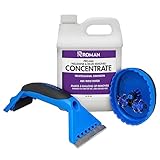
They often make a mess and don’t fully penetrate. Your best bet, in my opinion, is a good quality wallpaper remover solution mixed with hot water.
You’ll need a spray bottle, a scoring tool (this is key to letting the solution penetrate), a wide putty knife or a dedicated wallpaper scraper, and a lot of patience. Some old wallpapers, especially vinyl-coated ones, need a good scoring to let the solution do its work. Then you spray it on liberally, let it sit for the time recommended on the bottle – and don’t rush this part – and then start scraping. Work in manageable sections.
Sometimes it peels off in big sheets, other times it’s a tiny, infuriating flake-by-flake process. I’ve spent an entire weekend just removing one wall of paper before.
It’s not fun. It’s sweaty, sticky work.
Once the paper is off, you’re not done. You then have to tackle the residual adhesive.
This is where many DIYers get lazy. Leftover glue will create a sticky, uneven surface that your new wallpaper will hate. You need to wash the walls down with a sponge and clean water, and if there’s still residue, use a solution of warm water and a degreaser or a specific adhesive remover. Rinse thoroughly with clean water to get all the cleaning solution off.
If you skip the rinsing, you’ll have a different set of problems. After washing, you need to let the walls dry completely. Then, inspect the walls for any damage – holes, cracks, gouges.
Fill these with spackle or joint compound, let them dry, and then sand them smooth. The goal here is a perfectly smooth, clean, dry surface. Any imperfections will show through the new wallpaper, especially with lighter colors or thinner papers.
I once rushed through the washing stage and ended up with faint glue streaks showing through my new grasscloth. Looked terrible. So, to answer the question directly: can you wallpaper over wallpaper without removing it?
Not if you want it to look good and last more than a season.
The ‘people Also Ask’ Interrogations
Let’s tackle some common questions that pop up when this topic arises. People often wonder if it’s possible to wallpaper over textured paint. The short answer is a definite no. Textured paint is, well, textured! (See Also: Does Peel And Stick Wallpaper Damage Walls When Removed )
It creates a bumpy surface that no wallpaper, no matter how thick, can truly hide effectively. It’s like trying to put a sticker on a bumpy orange. The sticker will conform, but you’ll see all the contours. For textured paint, you absolutely need to skim-coat it with joint compound to create a smooth surface, or ideally, remove it.
Another common concern is about the adhesion of new wallpaper to old wallpaper. As I’ve hammered home, this is the primary problem.
The old wallpaper’s adhesive might be failing, degraded, or incompatible with the new adhesive. This leads to peeling, bubbling, and eventually, wallpaper failure. It’s not a matter of if it will fail, but when.
You’re compromising the entire bond by not starting with a fresh, properly prepped surface. The ‘paper’ part of wallpaper is often cellulose-based, and while modern vinyls are less porous, the underlying adhesive is still the weak link. When people ask if they can wallpaper over peeling wallpaper, the answer is a resounding and immediate no.
Peeling means the adhesion is already compromised; adding more weight and adhesive on top is just asking for trouble.
When it comes to specific types, like can you wallpaper over vinyl wallpaper, the answer is still a cautious ‘maybe, but probably not worth it.’ Vinyl is generally less porous than traditional paper wallpaper, meaning new paste might not adhere as well.
Plus, if the vinyl wallpaper itself is lifting, you’re back to the same old problems. Some peelable vinyls might come off easily, but others can be a nightmare.
If it’s stuck fast and you want to wallpaper over it, you’re still facing the same risks as with any other type. The key takeaway is that the integrity of the existing wallpaper and its adhesive are most important, and in most cases, those are compromised.
I’ve seen people try to wallpaper over old, glossy oil-based paint, and that’s another big no-no. The new paste simply won’t stick to that slick surface. You’d need to degloss and prime first, which again, is basically prep work that’s almost as involved as stripping.
Can You Wallpaper Over Peeling Wallpaper?
Absolutely not. Peeling wallpaper indicates failing adhesive, meaning the bond to the wall is already compromised. Layering new wallpaper will only add weight and stress, leading to the new wallpaper detaching and potentially taking chunks of the old paper with it. It’s a recipe for disaster and will look terrible.
Can You Wallpaper Over Vinyl Wallpaper?
It’s a risky proposition. While some vinyl wallpapers are ‘peelable,’ many are not, and their smooth, non-porous surface can make it difficult for new adhesive to bond effectively. Even if the vinyl is smooth and intact, the underlying adhesive might be old and failing, leading to future problems. It’s generally best to remove it first.
Can You Wallpaper Over Textured Paint?
No, you cannot wallpaper over textured paint without significant preparation. The texture itself will show through any wallpaper, no matter how thick, creating an uneven and unprofessional finish. The surface must be smoothed, usually by skim-coating with joint compound, before wallpapering.
Real-World Blunders and Lessons Learned
I learned this lesson the hard way in a house I was renovating to flip. I had this one room with a really hideous, dark floral wallpaper.
It was old, brittle, and frankly, an eyesore. The market was hot, and I was on a tight deadline. I figured, ‘What’s the harm?
A quick coat of paint over it, then a new, lighter wallpaper.’ Oh, how wrong I was.
I didn’t even strip it; I just skim-coated it lightly with some joint compound, thinking that would smooth it out enough. It looked… okay. In a dimly lit room, from a distance.
Then the buyer’s inspector came in, pointed out a few odd lumps, and when they moved a piece of furniture, a whole section of the old floral paper, complete with the skim coat, had peeled away from the wall. The skim coat hadn’t adhered properly to the old, brittle paper. It was an embarrassment. I had to go back, strip the entire room properly, and start again.
That cost me valuable time and, more importantly, a potential buyer’s confidence. It was a $500 mistake in lost time and materials, not counting the potential lost sale. (See Also: Can You Use Removable Wallpaper On Desk )
The lesson? Skim-coating over old, brittle wallpaper is not a substitute for stripping. The joint compound needs a solid substrate to adhere to, and old wallpaper is rarely that. Another time, I was helping a friend who insisted on wallpapering over a slightly bubbled section of old paper in a hallway.
They used a really thick, patterned wallpaper, thinking the pattern would hide everything. For about six months, it looked fine. Then, during a particularly humid summer, those old bubbles started to expand again.
The new, thick wallpaper bulged and warped in places, looking like a bad skin condition on the wall. They ended up having to rip it all off anyway, and the adhesive from the old paper was a nightmare to get off the new paper. They wasted about $200 on materials and a solid weekend of work.
The common advice that you can sometimes get away with it is often given by people who have either never tried it or only tried it once on a very forgiving surface and got lucky. It’s a gamble. The integrity of the wall surface is most important for good wallpaper installation.
You’re basically putting lipstick on a pig if the underlying surface isn’t sound.
Tips for Success (even When It’s Not Ideal)
If, and I mean if, you’re absolutely determined to wallpaper over existing wallpaper, here are some things you can do to minimize the disaster, though I still strongly advise against it. First, inspect the existing wallpaper meticulously. Is it smooth, flat, and perfectly adhered?
Are there any tears, bubbles, or lifting edges? If you answer ‘yes’ to any of these, stop.
Seriously, just stop. You’re setting yourself up for failure. If it is in perfect condition, consider using a high-quality strippable wallpaper remover solution anyway to make sure maximum adhesion, even if the paper looks okay.
Let it dry completely. Then, use a primer specifically designed for wallpapering over existing surfaces. These primers are formulated to provide a uniform, slightly tacky surface that helps new adhesive bond.
Brands like Roman or Zinsser sometimes offer products for this, but read the labels carefully. They are not a miracle cure but can help.
Second, choose a thick, heavy vinyl wallpaper. These papers are more solid and have a better chance of bridging minor imperfections. Avoid delicate papers like silk, grasscloth, or thin, untextured papers, as they will show every single flaw. Make sure the new wallpaper is also a paste-the-wall or paste-the-paper type with a strong adhesive.
Don’t rely on peel-and-stick over old wallpaper unless the old wallpaper is also peel-and-stick and in perfect condition. Finally, be prepared for the possibility of failure. If you’re doing this in a rental or a room you don’t care too much about, maybe it’s a calculated risk.
But for a room you want to look good for years, proper stripping and prep are the only way to go. I’ve seen people try to wallpaper over old, glossy paint too, which is another common mistake.
That slick surface needs to be scuffed and primed. The principle is the same: the new wallpaper needs a surface it can bond to securely. So, if you’re asking can you wallpaper over wallpaper without removing it, know that while it’s technically possible in rare circumstances, it’s a path fraught with peril for the average homeowner.
Here’s a quick checklist to consider if you’re still tempted:
- Existing Wallpaper Condition: Is it perfectly smooth, flat, and firmly adhered everywhere? No peeling, bubbles, or damage? If not, STOP.
- Existing Wallpaper Type: Is it a smooth vinyl or a paper that can be scored easily? Textured or old, brittle paper is a no-go.
- New Wallpaper Choice: Opt for a thick, heavy, vinyl wallpaper. Light or delicate papers are too unforgiving.
- Primer: Use a dedicated primer for wallpapering over existing surfaces. Read the instructions and product reviews carefully.
- Adhesive: Use a high-quality wallpaper paste, not just the adhesive on pre-pasted paper.
- Expectations: Be prepared for potential adhesion issues or visible imperfections down the line.
Conclusion
So, the million-dollar question: can you wallpaper over wallpaper without removing it? Yes, you can, but it’s a gamble that usually doesn’t pay off. The allure of skipping the stripping process is strong, I get it. I’ve been there, staring at those floral nightmares, thinking there must be an easier way. But my own blunders and the many projects I’ve seen go sideways taught me that proper prep is king. Trying to wallpaper over old wallpaper is like trying to build a stable shelf on a crumbling wall – it’s asking for trouble.
If you absolutely must try it, for whatever reason, follow the advice for minimizing risk: check for perfect condition, use a specialized primer, and opt for a thick vinyl. But honestly? Save yourself the future headaches, the peeling corners, and the buyer inspections that call out your shortcuts. Grab that steamer, a good scraper, and get the old stuff off. Your new wallpaper will thank you, and so will your walls.