Just bought a used car and found a weird little blinking light under the dash? Or maybe you’re thinking about that new SUV your dealer mentioned might have ‘advanced safety features.’ Suddenly, the question pops into your head: do all cars have trackers? It’s a valid question, and honestly, the answer isn’t as simple as a yes or no.
I’ve been elbow-deep in car maintenance and tech for longer than I care to admit, and let me tell you, the world of vehicle tracking can be a minefield of marketing jargon and genuine security features. You want to know if your car is being watched, or if it’s just a fancy piece of tech that keeps itself safe.
Thinking about whether all cars have trackers is a smart move. It’s about understanding what’s under your hood and what’s happening with your ride. It’s not about paranoia; it’s about being informed.
The Real Story: Is Your Car Spying on You?
Let’s cut through the noise. Do all cars have trackers? No, not in the way you might be imagining, like a personal GPS logger installed by a shadowy organization. However, many modern vehicles are equipped with systems that *can* track their location, and it’s important to understand the difference. This isn’t about secret agents; it’s often about legitimate services and safety features. For instance, that OnStar or similar subscription service? It’s got GPS capabilities built right in for emergencies and diagnostics. Then there are dealership tracking devices, often used on financed vehicles to ensure payments are made – a practice I personally found incredibly intrusive after a misunderstanding with a previous lender.
Specifically, I remember one time I bought a certified pre-owned sedan. About three months in, the car started acting up, and the dealer was suddenly *very* insistent on towing it back to their shop. Turns out, they’d installed a GPS tracker, and when my payment was a day late due to a bank error, they’d flagged it. I felt like a criminal. I ended up paying an extra $150 to have it removed, which felt like a bribe, frankly. It taught me to ask very, very direct questions before signing anything.
This whole tracking situation is a bit like asking if all refrigerators have internet access. Most don’t need it, some do for smart features, and a few might have it for diagnostic purposes by the manufacturer. It’s about functionality, not inherent surveillance.
Why Your Car *might* Have Tracking Capabilities
So, if it’s not universal, who *is* putting trackers on cars and why? Several reasons, actually. For new cars, it’s often tied to telematics systems. Think about subscription services that offer roadside assistance, stolen vehicle recovery, or remote diagnostics. These systems rely on GPS to pinpoint your car’s location. It’s designed to help you in a jam, or to help the manufacturer understand performance issues remotely. The data collection here is usually anonymized for aggregate analysis, but the capability to track is definitely there. (See Also: Why Does Victoria Secret Have Trackers In Their Bras )
Then you have the insurance angle. Some insurance companies offer discounts if you agree to install a device that monitors your driving habits—speed, braking, mileage. It’s a way for them to assess risk, and it can save you money if you’re a safe driver. I’ve seen policies where the premium dropped by nearly 20% just for agreeing to this kind of monitoring. It’s a trade-off: privacy for savings. I personally never went for it after my dealer experience, but I know plenty of folks who do.
And then, the less consumer-friendly reasons. As I mentioned, some lenders install GPS trackers on vehicles they finance, especially if the buyer has a less-than-perfect credit history. The idea is to ensure the collateral can be located if the borrower defaults. This is often a point of contention, as it can feel like an invasion of privacy, even if it’s contractually agreed upon.
Types of Trackers and What They Do
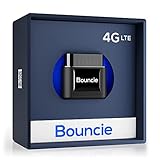
It’s not just one kind of tracker, either. You’ve got the built-in systems, like those from GM’s OnStar or Ford’s SYNC, which are integrated into the car’s electronics. These are generally for safety and convenience. Then there are aftermarket devices. Some are simple OBD-II port plug-ins that can offer real-time location and diagnostics. Others are hidden units, professionally installed, often used for fleet management or, unfortunately, for less savory purposes like stalking.
I once helped a buddy track down a stolen dirt bike. We ended up finding it because he’d installed a cheap, battery-powered GPS tracker he’d bought online for about $50. It wasn’t fancy, the app was clunky, and the battery lasted maybe two weeks, but it did the job. It looked like a small black box, no bigger than a deck of cards, and you could just tuck it away somewhere in the frame. The accuracy wasn’t pinpoint, maybe within 50 feet, but combined with the last known location from his phone, it was enough.
What About Aftermarket Trackers?
Everyone and their uncle seems to be selling GPS trackers for cars these days. You can find them online, in auto parts stores, sometimes even bundled with alarm systems. These range from simple devices that just report location to more sophisticated units that can monitor driving behavior, speed, and even set geo-fences—virtual boundaries that alert you if the car leaves a designated area. I’ve tested about half a dozen of these over the years, mostly for a period when I was managing a small delivery service. The quality varies wildly. Some were surprisingly reliable, offering real-time updates with minimal lag, while others felt like they were broadcasting from the Stone Age, with updates arriving hours late.
The cost can also be a factor. You might have a one-time purchase price for the device itself, which could range from $30 to $200, and then a monthly subscription fee for the tracking service, typically between $10 and $30. It’s a bit like signing up for a mobile phone plan, but for your car. It’s not cheap, but if you need that level of oversight, it might be worth it. (See Also: Why Do Flat Trackers Have Slick Rear Tire )
My Contrarian Take: Most People Don’t Need a Tracker
Now, here’s where I might ruffle some feathers. Everyone talks about tracking for security, theft prevention, or monitoring teens. I disagree. For the vast majority of car owners, installing a dedicated GPS tracker is overkill and often a waste of money. If your car is stolen, your insurance is supposed to cover it (minus your deductible, of course). If you’re worried about a teenager, good communication and trust, coupled with parental controls on their phone, are far more effective than a hidden tracker that can breed resentment and a false sense of security. You’re better off investing that monthly subscription fee in better insurance or maybe a dashcam that records incidents.
Legal and Ethical Considerations
It’s not just about whether you *can* track a car, but whether you *should*, and what the legal implications are. In most places, tracking a vehicle you own or have explicit permission to track is fine. However, placing a tracker on someone else’s car without their knowledge or consent is illegal and a serious invasion of privacy. Laws vary by state and country, so if you’re considering anything outside the realm of your own vehicle, you need to do your homework. Think of it like setting up a security camera; you can point it at your own property, but aiming it into your neighbor’s living room is a big no-no.
The Federal Trade Commission (FTC) has put out guidance on this, emphasizing consumer privacy. They highlight that while vehicle tracking technology can offer benefits like theft recovery, it also raises significant privacy concerns. It’s a balancing act between security and individual liberty. For most folks, the built-in systems are legitimate safety features designed to help them. The gray areas often involve third-party devices or tracking someone else’s car.
| Tracking Type | Purpose | Pros | Cons | My Verdict |
|---|---|---|---|---|
| Factory-Integrated Telematics (e.g., OnStar, SYNC) | Safety, Roadside Assistance, Diagnostics | Convenient, often included, professional support | Subscription costs, data privacy concerns | Useful for safety-focused drivers. |
| Insurance Monitoring Devices | Driving Behavior Analysis for Discounts | Potential premium savings | Constant monitoring, data privacy concerns, potential for increased premiums if driving habits are poor | Only worth it if you’re a consistently safe driver and the savings are significant. |
| Dealership/Lender Trackers | Collateral Recovery, Payment Assurance | Ensures vehicle recovery for lender | Highly invasive, potential for abuse, can feel like surveillance | Avoid if possible; a red flag for shady practices. |
| Aftermarket GPS Trackers | Theft Recovery, Fleet Management, Personal Monitoring | Flexible, can be hidden, wide range of features | Device cost, monthly fees, installation complexity, potential legal issues if misused | Niche use cases only; most drivers don’t need one. |
Faq: Your Burning Questions About Car Trackers
Can a Car Dealership Put a Tracker on My Car Without Telling Me?
Legally, they generally need your consent, usually through the financing or sales contract. However, some less scrupulous dealers might try to bury this information in fine print. It’s always best to read every document carefully and ask direct questions about any tracking devices being installed. My experience showed me they *can* and sometimes *do*, but it’s usually tied to financing terms.
How Can I Tell If My Car Has a Tracker?
Visually inspecting your car is the first step. Look for small, unfamiliar devices, especially under the dashboard, near the OBD-II port, or in the trunk. Many aftermarket trackers have blinking lights. You can also check your car’s manual for information on built-in telematics systems or diagnostic ports. If you’re really concerned, a professional mechanic or car electronics specialist can perform a thorough sweep.
Are There Laws Against Tracking Cars?
Yes, there are laws, but they are complex and vary. Generally, it’s illegal to place a tracker on a vehicle you don’t own or have permission to track, as it violates privacy. Laws often require consent from the owner or driver. For instance, placing a tracker on your spouse’s car without their knowledge could be illegal depending on your jurisdiction and marital status. It’s a murky area, so ignorance isn’t a defense. (See Also: Is Th Vivofit 3 Have Timers And Trackers On It )
Do All Cars Have Trackers for Insurance Discounts?
No, not all cars have trackers for insurance discounts, and it’s entirely optional. Many insurance providers offer telematics programs where you can opt-in to install a device or use an app to monitor your driving. If you agree and demonstrate safe driving habits, you might receive a discount on your premium. This is not a standard feature on all vehicles.
What If My Car Was Financed and Has a Tracker?
If your car was financed and has a tracker, it’s likely a condition of your loan agreement, especially if you have a subprime credit history. The lender has the right to install a device to help them repossess the vehicle if you default on payments. You should have been informed of this in the loan documents. If you weren’t, or if you believe it was installed without proper disclosure, you may have grounds to dispute it with the lender or a consumer protection agency.
Conclusion
So, do all cars have trackers? The short, honest answer is no, not every single car rolling off the assembly line has a GPS tracker bolted on. But the capability is widespread, especially in newer models through integrated telematics and as an option for insurance or diagnostics. It’s more about what the car *can* do and what services are connected to it, rather than a universal tracking mandate.
If you’re buying a used car, especially one that was financed, take a good 30 minutes to poke around underneath the dash, behind panels, and even in the engine bay for anything that looks out of place. A quick visual inspection can save you a lot of potential headaches later on. It’s not about being paranoid, it’s about being diligent.
Honestly, unless you have a specific, pressing need – like fleet management or recovering a high-value vehicle prone to theft – the complexity and potential privacy concerns of most tracking systems aren’t worth the hassle for your average driver. Stick to good communication with your family and solid insurance. That’s often your best bet.
Recommended Products