Honestly, I used to think every single Range Rover rolling off the assembly line had some kind of secret tracking device baked in, a digital leash for the wealthy. It made sense, right? These are expensive vehicles, prime targets for theft. But after wrestling with a particularly stubborn electrical gremlin on my old ’08 Sport, digging through wiring diagrams that looked like spaghetti, I started to question how much of that was real and how much was just dealer upsell.
So, do all Range Rovers have trackers? The simple, unvarnished answer is a bit more complicated than a simple yes or no, and frankly, it’s a question that bugs me because the information out there is often designed to sell you something extra.
My own experience, frankly, involved a lot of head-scratching and a few hundred bucks wasted on aftermarket gizmos that promised the world but delivered a blinking light and a vague sense of security. This whole topic feels like wading through a swamp of marketing jargon and genuine, albeit sometimes hidden, functionality.
The Manufacturer’s Built-in Tracking: What’s Actually Standard?
Let’s cut to the chase. When people ask ‘do all Range Rovers have trackers?’, they’re usually wondering if Land Rover has some sort of ‘Find My Vehicle’ feature built into every single unit. And the answer, in most modern iterations, is a qualified yes. Most new Range Rovers come equipped with an integrated telematics system, often referred to as InControl Protect or a similar branding. This system isn’t just about locating your stolen SUV; it’s a multifaceted piece of tech that handles things like emergency calls (eCall) if you’re in an accident, roadside assistance requests, and yes, vehicle location services.
This built-in system is usually activated through a subscription service, which is a common point of confusion. You don’t just get it and forget it; there’s often a trial period, and then it’s part of your ongoing ownership costs. Think of it like your phone’s data plan for the car. Without it active, the tracking function is pretty much useless, even if the hardware is there. I remember talking to a dealership service advisor who, after I cornered him with a dozen questions, finally admitted that some owners forget to renew their subscription, rendering their fancy tracking useless. It’s like having a super-computer but forgetting to pay the internet bill.
Aftermarket Trackers: The Overkill Option?
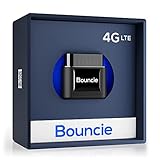
Now, here’s where my personal frustration kicks in. Years ago, when I was buying my first used luxury SUV – not a Range Rover, but something in that price bracket – I was paranoid about theft. Every alarm company, every car security specialist, told me I *needed* a dedicated GPS tracker. I ended up dropping around $350 on a unit that required a separate monthly fee. It was a small, black box that was supposed to be hidden somewhere in the engine bay. Sounds simple, right? (See Also: Why Does Victoria Secret Have Trackers In Their Bras )
Wrong. The installation was a nightmare; the guy I paid to do it seemed more interested in telling me about his other clients than actually doing the job cleanly. Then, the unit itself was flaky. It would lose signal in parking garages, the app was clunky, and a couple of times, it just stopped reporting altogether. My biggest mistake was assuming that more tech automatically meant better security. I learned the hard way that sometimes, what looks like a robust solution is just a well-marketed gadget designed to prey on your fears. I spent another $120 trying to get that darn thing to work reliably before I finally ripped it out. It was a classic case of paying for marketing noise, not actual peace of mind.
This is why I’m skeptical of aftermarket solutions when the manufacturer already provides something integrated, even if it requires a subscription. It feels like paying double for the same core functionality.
The ‘why’ Behind the Tracker: Theft and Beyond
So, why are Range Rovers, in particular, a target for car thieves? It’s a combination of factors, really. High resale value, desirability, and unfortunately, sometimes the ease with which certain models can be bypassed, especially older ones. A tracker, whether factory-fitted or aftermarket, is primarily a tool for recovery. The hope is that if the vehicle is stolen, the owner or law enforcement can use the real-time location data to get it back quickly. For insurance purposes, having a tracker can sometimes even lead to lower premiums, though this varies wildly by provider and region.
But it’s not just about theft. Some of these systems, particularly the integrated ones, can also provide valuable diagnostics. They can flag issues before they become major problems. Imagine your car sending a discreet alert to the dealership about a sensor reading that’s slightly off, allowing them to schedule a preventative fix. It’s not exactly Big Brother, but it’s certainly more than just a theft recovery device. It’s like having a tiny mechanic living in your car, constantly whispering updates.
Decoding the ‘standard’ Feature: When Is It Really Active?
This is where the nuance comes in. Do all Range Rovers have trackers? Yes, most have the *hardware* and the *software capability*. But are they *actively tracking* your vehicle in a way you can access, without a subscription? Generally, no. The most useful tracking features – the ones that let you see your car on a map, or that send alerts – are tied to a service plan. Without that plan, the system might still be capable of making an emergency call if an airbag deploys, but the ‘find my car’ functionality is usually dormant. (See Also: Why Do Flat Trackers Have Slick Rear Tire )
Think of it like a smartphone. The phone itself can do all sorts of things, but you need a cellular plan to make calls and use data. The Range Rover’s telematics system is similar. Land Rover needs to maintain the backend infrastructure to process and relay that location data. That service costs money, and they pass that cost on to the consumer, often through annual fees. It’s a business model, and frankly, it works because the peace of mind is worth it for many owners. I’ve seen reports from the National Highway Traffic Safety Administration (NHTSA) about the importance of these safety features, which further legitimizes the manufacturer’s integrated approach.
| Feature | Standard on Most New Range Rovers? | Requires Subscription? | My Verdict |
|---|---|---|---|
| Emergency Call (eCall) | Yes | Often included in initial package, then may require renewal | Essential safety feature, worth keeping active. |
| Roadside Assistance Call | Yes | Often included in initial package, then may require renewal | Convenient, especially when you’re stranded. |
| Stolen Vehicle Tracking | Yes (hardware/software exists) | Yes, usually requires an active subscription | Most important function for theft recovery, but locked behind a paywall. |
| Remote Vehicle Status (via App) | Yes (for some features) | Yes, typically requires a subscription | Nice to have, but not a dealbreaker for me personally. |
People Also Ask
Do All Land Rovers Have Gps Trackers?
Similar to Range Rovers, most Land Rovers (which is the parent brand) are equipped with integrated telematics systems that include GPS tracking capabilities. However, the activation and functionality of these trackers are typically tied to an active subscription service offered by Land Rover. So, while the hardware might be present, the tracking feature itself isn’t always ‘on’ without paying for the service.
Can a Stolen Range Rover Be Tracked?
Yes, a stolen Range Rover can often be tracked, provided it has an active manufacturer-installed tracking system (like InControl Protect) with a current subscription, or if an aftermarket tracker was installed and remains functional. Law enforcement can use this information to attempt recovery. The speed and success of recovery depend heavily on the system’s functionality and timely reporting.
How Much Does Range Rover Tracking Cost?
The cost for Range Rover tracking, which is usually part of a broader telematics or InControl service package, can vary. Typically, you might see annual fees ranging from around $100 to $300, depending on the specific package and region. It’s always best to check with your Land Rover dealership or consult your vehicle’s documentation for the most accurate and up-to-date pricing.
Can You Disable Range Rover Trackers?
Manufacturer-installed trackers are designed to be difficult to disable by the owner. They are integrated deeply into the vehicle’s electrical system. While a determined thief might attempt to disrupt the signal or remove components, it’s not a simple task. Aftermarket trackers, being external installations, can theoretically be disabled or removed, but this often requires locating and physically accessing the device. (See Also: Is Th Vivofit 3 Have Timers And Trackers On It )
Final Thoughts
So, to circle back to the original question: do all Range Rovers have trackers? They generally have the capability, but that capability is almost always gated behind a subscription. It’s less about a hidden spy device and more about a connected service. My advice from years of tinkering and regretting purchases is this: if you have a newer Range Rover, check if your InControl subscription is active. If it’s not, and you value that recovery feature, consider whether the annual fee is worth the potential peace of mind.
For those looking at older models or thinking about aftermarket solutions, tread carefully. The market is flooded with options, and not all of them are created equal. It’s easy to spend money on something that gives you a false sense of security, like that $350 black box I bought that ended up being more trouble than it was worth. Sometimes the simplest advice is the best: understand what you’re actually paying for.
Ultimately, the ‘tracker’ in your Range Rover is a service, not a magic bullet. And like most services, it requires ongoing commitment to remain functional. That’s the honest truth I’ve landed on after a lot of trial and error.
Recommended Products