I remember this one time, about ten years back, when I was absolutely convinced a ‘performance enhancement’ module was the ticket to making my old Audi S4 actually feel faster. It was a shiny piece of plastic, promised a 15% horsepower boost, and cost me a cool $400. Turns out, all it did was make the check engine light glow with the intensity of a thousand suns and probably fried some obscure sensor. That’s the kind of nonsense I’m talking about when people ask about technology in cars.
So, when the question comes up, do all sports cars have trackers, my first thought isn’t about performance. It’s about whether you’re being sold snake oil or getting something genuinely useful.
Thinking about whether or not do all sports cars have trackers is often tied to anxieties about theft or privacy, and frankly, it’s a murky area with a lot of marketing fluff. Let’s cut through it.
Who’s Putting That Thing in There Anyway?
Look, the simple answer to ‘do all sports cars have trackers?’ is no, not necessarily. But that’s like saying not all pizza has pepperoni. It doesn’t tell you anything about the cheese or the crust, does it? The real question is *why* a tracker might be there, and who put it there. Most often, it’s not some clandestine government operation to monitor your joyrides, though I wouldn’t put it past certain manufacturers with their data collection habits these days. Usually, it’s tied to financing, insurance, or sometimes, unfortunately, the manufacturer wanting to keep tabs on how you’re treating their precious metal.
My first car, a beat-up Honda Civic, certainly didn’t have anything I’d call a tracker. But when I bought my first somewhat ‘fancy’ car, a used BMW 335i that came with a suspiciously low mileage for its age, the dealer mentioned it had an ‘anti-theft GPS system.’ I nodded along, picturing some high-tech gadget. Turned out it was a little black box wired deep under the dash, the kind that, if you wanted to remove it, would take a good afternoon and a willingness to potentially confuse the car’s entire electrical system. I never did figure out if it was tied to the loan or just the dealership’s way of saying ‘we know where your car is, so don’t skip town.’ I paid it off early, just to be rid of the nagging thought.
When Your Lender Wants to Know Your Location
This is where the majority of these ‘trackers’ come into play. If you’re financing a high-value vehicle, especially one that’s considered a desirable target for theft – and let’s be honest, most sports cars fit that bill – your lender might mandate one. They call them ‘recovery devices’ or ‘location monitoring systems,’ and they’re designed to help them get their asset back if you, shall we say, fall behind on payments or decide the car is more fun on a cross-country joyride without their permission. It’s not about tracking every single time you go to the grocery store, but it’s definitely about knowing where the car is if things go south financially.
Think of it like this: if you loan someone a very expensive tool, you’d probably want to know where it is if they stop paying you. These devices are the automotive equivalent of that. They can be hardwired into the car’s battery or have their own power source, and some even have cellular capabilities to report their location periodically or when triggered. (See Also: Why Does Victoria Secret Have Trackers In Their Bras )
Honestly, the idea of a tracker being mandated by a bank for a car I’m already paying off feels a bit like being under surveillance in my own expensive toy. It’s a trade-off, sure, but it chafes. I’ve heard stories of people trying to disable them, only to find their car mysteriously stops running or their loan gets accelerated because the system alerted the lender to tampering. It’s not always a simple case of snipping a wire.
Insurance Companies and Their Own Little Black Boxes
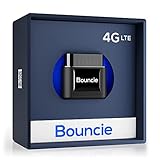
Sometimes, insurance companies are the ones pushing for these devices, especially for younger drivers or those with a history of claims. They’ll offer you a discount – maybe 5%, maybe 10% – if you agree to have a telematics device installed. These aren’t always as sophisticated as the ones lenders use; often, they just plug into your car’s OBD-II port and track things like mileage, speed, braking habits, and time of day you drive. The idea is that safer drivers pay less. Sound fair? Maybe. But it also means your insurer knows if you’re consistently exceeding the speed limit on your way to that track day.
My cousin, bless his lead foot, agreed to one of these for his Mustang. He figured he’d be careful. Three months in, he got a notification that his premium was going up because his ‘driving behavior indicated a higher risk.’ He was furious. He said the device made him paranoid to even accelerate normally. The discount wasn’t worth the constant feeling of being judged by his own car.
The sensory detail here is the little blue LED on the OBD-II device that would blink subtly, almost mockingly, every time he pushed the pedal a little too hard. It was a constant, quiet reminder of the digital leash. It looked innocent enough, like a small USB stick, but its implications felt enormous.
| Device Type | Primary Purpose | Typical Installation | My Verdict |
|---|---|---|---|
| Lender-Mandated Recovery Device | Asset recovery in case of default | Hardwired, discreetly hidden | A necessary evil for some loans, but can feel intrusive. |
| Insurance Telematics Device | Driving behavior monitoring for discounts | OBD-II port plug-in, easy to install | Can work if you’re a genuinely safe driver, but feels like Big Brother. |
| Aftermarket Security/Tracking System | Theft deterrence and location tracking | Professionally installed, often complex | Best for peace of mind if you have a high-value or classic car, but can be expensive. |
| Manufacturer’s Built-in System | Remote diagnostics, SOS, and location services | Integrated into car’s electronics | Convenient for emergencies, but raises data privacy concerns depending on the brand. |
What About the Manufacturer?
Automakers are increasingly putting their own tracking capabilities into cars, and this is perhaps the most nuanced part of whether do all sports cars have trackers. Modern vehicles are essentially computers on wheels. They’re packed with sensors and communication modules. Systems like OnStar, Mercedes me, BMW ConnectedDrive, and similar services from other manufacturers allow for remote diagnostics, emergency assistance (SOS buttons), and, yes, location tracking. This is often for features like finding your car if it’s stolen or providing real-time traffic updates.
The data these systems collect is a whole other can of worms. They know where you go, how fast you drive, how often you brake hard. Some manufacturers are quite transparent about this in their terms of service, while others are, shall we say, a bit more vague. I’m not saying they’re actively spying on you for fun, but the sheer volume of data generated is staggering. Imagine trying to make sense of the information from, say, 50 million cars driving around the globe every day. It’s a data analyst’s dream, or nightmare, depending on your perspective. (See Also: Why Do Flat Trackers Have Slick Rear Tire )
It’s like buying a smart fridge that also happens to know your commute. It’s convenient when it works, but the thought of that data being used in ways you didn’t anticipate is a persistent hum in the background. For instance, the National Highway Traffic Safety Administration (NHTSA) has issued guidance and conducted research into vehicle event data recorders (often called ‘black boxes’), which, while primarily for accident investigation, highlight the extensive data vehicles are capable of storing and transmitting. This isn’t necessarily a ‘tracker’ in the sense of being followed, but it’s certainly a form of surveillance built into the vehicle itself.
The Aftermarket Options: For the Paranoid or Prepared
Beyond the mandated or manufacturer-installed systems, there’s a whole market for aftermarket trackers. These can range from simple, battery-powered devices you can stick magnetically onto the frame (often used for trailers or equipment, but people use them on cars too) to sophisticated hardwired systems that integrate with alarms. They’re usually purchased for one of two reasons: extreme paranoia about theft, or a desire for advanced vehicle location services beyond what the manufacturer offers. If you’ve got a classic sports car worth a small fortune, or a highly modified performance vehicle that’s a magnet for thieves, investing in a top-tier aftermarket tracker from a reputable company like LoJack or similar brands can provide significant peace of mind. These systems often have dedicated monitoring centers and rapid-response teams.
I once helped a buddy install a tracker on his meticulously restored 1967 Shelby GT500. We spent about four hours routing wires, testing the signal strength, and making sure it was completely invisible. The thing cost him nearly a grand, but after it was done, he just stood back, wiped his brow, and said, ‘Now I can actually sleep at night.’ That’s the value proposition for these high-end systems. It’s not just about the technology; it’s about the emotional payoff.
There’s a distinct tactile difference between a cheap, plastic OBD-II dongle and a solid, metal-cased aftermarket tracker. The latter feels weighty, substantial, like it’s built to withstand more than just a gentle bump. The wiring is thicker, the connectors more robust, and the instructions, while complex, speak of a serious piece of engineering.
So, About Those Actual Trackers…
When people ask, ‘do all sports cars have trackers,’ they’re usually worried about being tracked without their consent. For factory-installed systems, it’s usually tied to services you’ve signed up for or loan agreements. For aftermarket devices, you bought it, you know it’s there. The grey area is the lender-mandated ones that might not be as clearly communicated as they should be. But no, not every single sports car on the planet has a GPS tracker slapped on it by default. You’d likely know if your lender or insurer required it.
The more pervasive tracking is the data collection by manufacturers and, to a lesser extent, insurance companies via telematics. This isn’t always about pinpointing your car’s live location in the same way a stolen vehicle tracker is, but it’s definitely about monitoring your driving habits and vehicle usage. It’s like having a digital shadow that’s always there. (See Also: Is Th Vivofit 3 Have Timers And Trackers On It )
The key takeaway is to read your loan documents, your insurance policy, and the fine print from your car manufacturer. Transparency is rare, but it’s the only way to know what’s really going on under the hood, or more accurately, in the car’s computer.
Final Thoughts
Ultimately, the question of whether do all sports cars have trackers is less about a universal mandate and more about the specific circumstances of the car’s ownership and financing. Most often, if a tracker is present and not part of a manufacturer’s service package, it’s either for insurance discounts or mandated by a lender. It’s not some spooky, omnipresent surveillance system that every single performance car is equipped with out of the factory. You’d usually be aware of its presence, even if the details are buried in paperwork.
Before signing on the dotted line for that dream machine, take a few extra minutes. Read those clauses about vehicle monitoring. Ask your dealer or finance manager direct questions about any ‘recovery devices’ or ‘telematics systems.’ It’s better to have that slightly awkward conversation upfront than to discover a tracking device later when you least expect it, perhaps during a routine service or when you’re trying to sell the car.
The technology is there, for sure, and it’s becoming more integrated. But knowing *why* and *who* is tracking is your responsibility. It’s about being informed and making conscious choices about what data you’re comfortable sharing.
Recommended Products