Frankly, the whole idea of a car having a built-in ‘tracker’ sounds like something straight out of a spy movie, right? But the reality is a bit more… mundane, and honestly, a lot more practical than you might think. If you’re wondering do Audis have trackers, the simple answer is yes, but not in the way most people imagine. It’s not a hidden GPS jammer waiting to follow your every move for nefarious purposes.
My own paranoia peaked about five years ago. I’d just bought a used Audi A4, and my mind immediately went to the worst-case scenario: car thieves, joyriders, or worse, a dealer selling my location data. I spent a solid weekend ripping out parts of the interior, convinced I’d find some glowing red device. I found nothing but dust bunnies and a stray French fry. Embarrassing, I know.
This obsession led me down a rabbit hole of car security, and I learned that while Audi doesn’t plant little ankle monitors on your vehicle, they *do* integrate systems that can pinpoint your car’s location, often for legitimate reasons like theft recovery or roadside assistance. It’s less about surveillance and more about peace of mind, or at least, that’s the marketing spin.
The ‘tracker’ Myth vs. Reality
So, let’s clear the air. When people ask ‘do Audis have trackers?’, they’re usually picturing a discrete, government-issue device with a blinking light. That’s generally not the case. Instead, Audi, like most modern luxury car manufacturers, relies on integrated telematics systems. These systems are usually tied to their connected services, often branded under names like Audi connect. These services can include navigation, remote diagnostics, and, yes, location services.
Imagine trying to explain a complex electrical system to someone who’s only ever ridden a horse. It’s a different paradigm. These systems aren’t “trackers” in the clandestine sense; they’re digital brains that allow your car to communicate with the outside world, and with you, its owner.
Audi Connect: Your Car’s Digital Lifeline
Audi connect is the umbrella term for a suite of services that essentially turn your car into a connected device. Think of it like your smartphone, but with wheels. Within this ecosystem, features like stolen vehicle locator and remote vehicle services come into play. If your Audi is stolen, and you’ve subscribed to the relevant service, law enforcement can work with Audi to help recover it. This requires the car’s location to be known.
I remember a neighbor, bless his heart, who swore his older BMW had a tracker installed by the dealership because he missed a payment once. He spent weeks paranoid, driving erratically, convinced he was being followed by a shadowy government agency. Turns out, his car just had a fairly standard alarm system that could ping its location if triggered. The fear was real, the cause, not so much. (See Also: Do Dog Chips Have Trackers )
The sensors and communication modules are often very small, blending into the car’s existing electronics. You won’t find them bolted under the chassis with exposed wires. They’re designed to be unobtrusive, integrated into the vehicle’s network, making them difficult to detect without specialized equipment. The whole setup is more about convenience and security than Big Brother watching your every move.
Who’s Watching, and Why?
You might be asking, who has access to this location data? Primarily, it’s Audi and its service providers, and then law enforcement if a legitimate request is made, usually involving a crime like theft. Your data isn’t typically broadcast to the world. There are privacy policies in place, though how thoroughly they are always adhered to is a question that keeps many privacy advocates up at night.
According to the Electronic Frontier Foundation (EFF), a digital privacy advocacy group, the collection and sharing of vehicle location data is a complex issue with significant privacy implications. They highlight that while these systems offer benefits, users should be aware of what data is being collected and with whom it might be shared. It’s not about a single, obvious ‘tracker’ but a network of data points. If you’re worried about your digital footprint, this is a genuine concern, not just phantom paranoia.
How Do I Know If My Audi Has a Tracker?
The most straightforward way to know if your Audi has location-tracking capabilities is to check your Audi connect subscription status and the features available through your vehicle’s MMI (Multi Media Interface) system. If you have Audi connect services active, especially those related to security or remote access, then yes, your car has the capability to be located. You can also consult your owner’s manual or contact an Audi dealership.
Can I Disable Audi Trackers?
This is where things get tricky. The systems that enable location services are deeply integrated into the car’s electronics. Simply unplugging something isn’t an option without potentially disabling other critical functions or voiding your warranty. For services like stolen vehicle locator, disabling them would mean forfeiting that security feature. It’s like asking if you can disable your car’s engine without it stopping. You generally can’t without significant consequences.
Are Trackers Mandatory in Audis?
No, there isn’t a mandatory, always-on tracker in every Audi that reports to an unknown entity. The location-reporting capabilities are typically tied to optional connected services that you subscribe to. If you don’t subscribe to Audi connect or similar services, the sophisticated tracking features won’t be active. Your car still has the hardware, but it’s dormant without a service plan. (See Also: Do Microchips Have Trackers )
My Mistake: Overthinking the Obvious
I wasted nearly three full days and a good chunk of change on aftermarket GPS jammers and signal blockers when I first got my car. I was convinced that the dealership had installed something to track my mileage for a potential buy-back program or something equally sinister. I even tried to get an old ham radio operator friend to sweep my car for radio frequencies. All I got was static and a lecture on electromagnetic spectrum management. Turns out, the little blinking light on my dash was just the car alarm system’s indicator, and the ‘tracking’ was just the standard roadside assistance feature I’d unwittingly activated with a dealership promo code. I felt like a complete idiot, having spent around $150 on gadgets I didn’t need and alienating a friend with my paranoia.
The ‘car as a Product’ vs. ‘car as a Service’ Shift
This whole debate really highlights a shift in how cars are viewed. For decades, you bought a car, and it was yours, period. Now, with connected services, the car is becoming more of a platform, a service. This means Audi, or any manufacturer, can offer updates, diagnostics, and yes, location-based services. It’s like how your phone gets software updates; your car can too, and these updates can enable or alter features, including how its location is managed.
It’s a stark contrast to the days when a car’s electronics were primarily about making it run. Now, they’re about making it communicate. This shift is as profound as the transition from steam engines to internal combustion, and it comes with its own set of new questions about ownership and privacy. The physical metal is just the beginning.
Contrarian Take: Overrated Fear, Underestimated Convenience
Everyone talks about the privacy risks of car trackers, and they are valid. But I think the fear often overshadows the genuine benefits for the average owner. The sheer convenience of being able to find your car in a massive parking lot, get immediate roadside assistance if you break down, or have a better chance of recovering it if it’s stolen, outweighs the ‘what ifs’ for most people. I’ve seen friends frantic after misplacing their car at an airport parking structure, and a simple tap on an app solved it in seconds. While you should always be aware of data privacy, the sky isn’t falling.
What About Aftermarket Trackers?
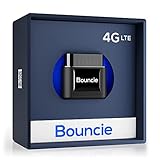
Beyond the factory-integrated systems, there’s a whole market for aftermarket GPS trackers. These can be discreetly installed by anyone and are often used for fleet management, tracking company vehicles, or by parents monitoring teenage drivers. These are the kinds of devices that are more akin to what people might imagine when they ask ‘do Audis have trackers?’ – a separate, distinct unit whose sole purpose is to transmit location data. These are not typically installed by Audi, but by third parties.
| Feature | Audi Connect (Factory) | Aftermarket GPS Tracker | My Verdict |
|---|---|---|---|
| Integration | Deeply integrated, requires subscription. | Standalone unit, often self-installed. | Factory is cleaner, but aftermarket offers flexibility. |
| Purpose | Security, convenience, diagnostics. | Primarily location tracking. | Factory systems are more multifaceted. |
| Detection | Difficult to detect without knowing what to look for. | Can be found with a thorough search. | Factory systems are harder to mess with intentionally. |
| Privacy Control | Managed via Audi account and settings. | Depends on the provider, can be less transparent. | Audi’s system *should* be more regulated, but always read the fine print. |
If you’re an Audi owner and you’re still not sure about the specifics, the best course of action is always to consult your owner’s manual or speak directly with an Audi dealership. They can explain exactly which connected services your vehicle is equipped with and how they function. Don’t be shy about asking them to show you where these systems are located, even if it’s just explaining that they are part of the main computer modules. Understanding your car is key to peace of mind. After all, it’s your vehicle, and you should know what it’s doing. (See Also: Do New Range Rovers Have Trackers )
The Bottom Line on Tracking
So, do Audis have trackers? Yes, in the sense that they have integrated systems that can determine and transmit the vehicle’s location, primarily through Audi connect services. These are not typically clandestine devices but part of a sophisticated telematics network designed for security and convenience. My own misguided attempts to find physical ‘trackers’ were a comedy of errors born from misunderstanding the technology. It’s more about software and subscriptions than hidden hardware. If you’re concerned about privacy, understanding your connected services and reviewing Audi’s data policies is your best bet. Don’t go ripping your car apart; just read the manual.
Verdict
Ultimately, the question of whether do Audis have trackers is less about a hidden physical device and more about integrated technology. Audi equips its vehicles with telematics systems that, when activated via services like Audi connect, allow for location tracking. My own frantic search for physical ‘trackers’ proved to be a waste of time and money, a classic case of overthinking a situation where the technology was far more sophisticated and integrated than I initially believed.
Instead of looking for a separate blinking box, focus on your Audi’s connected services and subscription status. That’s where the ‘tracking’ capabilities lie. If you’re genuinely worried about data privacy, the best approach is to proactively manage your Audi connect account and be informed about Audi’s data usage policies. It’s about controlling your digital footprint, not physically dismantling your car.
Consider this: if you haven’t subscribed to any connected services that offer remote location features, the system is likely dormant, functioning like a blank slate ready to be activated. This gives you a significant level of control over whether your car is reporting its location.
Recommended Products