Honestly, the thought crossed my mind while I was wrestling with that ridiculous dashcam I bought last year. You know, the one that promised crystal-clear night vision and ended up looking like a potato filming a smoke signal. It was more marketing fluff than functional tech. So, when people ask ‘do black boxes have trackers?’, my gut reaction is usually a cynical ‘probably, if they think they can sell you more data’.
This whole industry is a minefield of jargon and inflated promises. I’ve wasted enough cash on gadgets that were supposed to be revolutionary but just added another blinking light to my already cluttered dashboard. That’s why I’m here, cutting through the noise.
Forget the glossy ads for a second. Let’s talk about what’s actually going on with these devices, and whether your driving habits are being logged more than you think.
What the Heck Are ‘black Boxes’ Anyway?
When most folks say ‘black box,’ they’re usually talking about a few different things, and the confusion is understandable. For cars, it’s often shorthand for the Event Data Recorder (EDR) built into pretty much every vehicle made since the early 2000s. These aren’t fancy spy gadgets; their primary job is to record data about the vehicle’s status right before, during, and immediately after a crash. Think speed, brake application, seatbelt usage, and things like that. The data is usually pretty basic, focused on understanding crash dynamics for safety research and accident reconstruction.
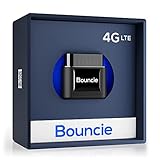
Then you have aftermarket devices. These can range from basic dashcams that just record video, to more advanced telematics units that do way more. Some of these are installed by insurance companies to monitor driving behavior – your speed, braking habits, even when and where you drive. Others are for fleet management, tracking company vehicles. The term ‘black box’ can bleed into both, which is where the anxiety about tracking really kicks in.
I remember one particularly frustrating afternoon trying to get a refund for a ‘smart’ car organizer. It had a tiny GPS chip in it, which the salesperson assured me was *only* for locating the organizer if it fell out. Turns out, it was also pinging my phone’s location every 15 minutes to… well, I never figured out why. Wasted nearly $80 on that piece of junk, and it made me hyper-aware of what else might be lurking in my tech.
So, Do Black Boxes Have Trackers? The Simple Answer Is ‘it Depends’
Here’s the blunt truth: If you’re talking about the built-in Event Data Recorder (EDR) in your car, it’s generally not designed to ‘track’ you in the way a GPS device tracks your location to show you where you are on a map. Its purpose is accident data. However, the data it collects *could* be accessed by authorities or insurance companies after an incident, and in a roundabout way, that data tells a story about where and how you were driving at that moment.
The real tracking concern usually pops up with aftermarket devices. Many of these, especially those offered by insurance companies for discounts, absolutely contain GPS trackers. They’re explicitly designed to monitor your driving patterns over time. They know when you leave home, when you arrive, how fast you were going on that stretch of highway, and if you slammed on the brakes coming up to a red light. It’s data for them to assess risk. (See Also: Why Does Victoria Secret Have Trackers In Their Bras )
This is where the common advice to ‘just get the insurance discount’ feels a bit too simplistic. Everyone says it’s a no-brainer for saving money, but I disagree. Why? Because you’re trading your privacy for a few bucks. I’ve seen people get dinged for having their premium go up because the device logged them driving on a road it deemed ‘risky’ at 10 PM, even if they were just picking up a sick kid from a friend’s house. It’s a black box, alright, but one that’s watching you.
What About Video Dashcams? Are They Trackers Too?
This is where it gets murky. Most standard dashcams are primarily video recorders. They capture footage of the road ahead, and sometimes behind or inside the car. However, many of these also have built-in GPS modules. Why? To timestamp the video footage accurately and to record the vehicle’s speed and location. So, while its main job isn’t tracking you like a leash, it’s definitely logging where you are and how fast you’re going, and that data is often stored alongside the video.
You might be surprised by how much data a simple dashcam can collect. I once fiddled with a mid-range model I picked up for about $70. Besides the video, it logged coordinates and speed with surprising accuracy. When I plugged it into the software, it showed a little map with my entire commute plotted out, like a breadcrumb trail. It felt less like a safety tool and more like a digital diary of my movements.
Who Gets Access to This Data?
This is the million-dollar question, or maybe the thousand-dollar question, depending on who’s asking. For the built-in EDRs, the data is primarily intended for post-crash analysis. In the US, for instance, regulations from the National Highway Traffic Safety Administration (NHTSA) govern how this data can be accessed, generally requiring a warrant or consent for it to be released. However, ‘generally’ is a word that makes me twitchy.
Insurance companies are a different story. If you opt into a usage-based insurance program that requires a telematics device, they have explicit access to the driving data your ‘black box’ collects. They use it to price your premiums. This isn’t a secret; it’s the premise of the program. But what happens if they sell anonymized data to other companies? Or what if a data breach occurs? Suddenly, that little device is a treasure trove of your personal habits.
Fleet management systems are even more transparent about tracking. They’re designed to monitor driver behavior and vehicle location for operational efficiency. This means dispatchers, managers, and potentially even third-party analytics firms can see where your company vehicle is at all times. It’s like having a shadow, but it’s a digital one.
Can You Get a Black Box Without Tracking?
Yes, absolutely. You just have to be diligent about what you’re buying. If you want video evidence for accidents or to deter theft, look specifically for dashcams that advertise ‘GPS disabled’ or ‘no GPS functionality.’ These will still record video, and often even timestamp it internally, but they won’t log your location data externally. It’s like getting a diary without the return address stamped on it. (See Also: Why Do Flat Trackers Have Slick Rear Tire )
For EDRs, you can’t really opt out. They are part of the vehicle’s safety system. But understanding their purpose and the legal framework around data access is key. It’s not like a hidden tracker; it’s a recorder. The data is there, but access is *supposed* to be controlled. The real danger zone is the aftermarket stuff that promises discounts or ‘enhanced safety’ but clearly has GPS built-in.
My Take: Be Wary and Read the Fine Print
Look, I’m not saying all tracking technology is evil. GPS is incredibly useful for navigation and safety. But when it comes to these ‘black boxes’ in our cars, the lines get blurry fast. It feels like a constant battle to figure out what’s really happening with our data.
The idea that do black boxes have trackers is a simple yes or no is just not how things work. You have the built-in recorders, the insurance-mandated trackers, and the dashcams that might or might not have GPS. Each has a different purpose and a different privacy implication. My advice? Assume everything records more than it needs to. Read the terms and conditions, even if it takes three cups of coffee. And if a deal sounds too good to be true, it probably means they’re getting something more valuable than you are – your data.
Does My Car Automatically Have a Gps Tracker?
Most modern cars have an Event Data Recorder (EDR) that logs crash-related data, and some may have GPS for emergency services or navigation. However, a dedicated GPS tracker for general location monitoring isn’t standard in all vehicles. It’s more common in aftermarket systems or specific car models with advanced connectivity features.
Can My Insurance Company Put a Tracker in My Car?
Yes, if you agree to it. Many insurance companies offer discounts for allowing them to install a telematics device (often called a ‘black box’) that monitors your driving habits like speed, braking, and mileage. This is usually part of a usage-based insurance program.
Are Dash Cams Considered Black Boxes?
Dash cams are a type of recording device, and while they capture video, some also function as Event Data Recorders by logging speed and location via GPS. So, in a broader sense, they can be considered a form of ‘black box’ technology, especially when they include GPS tracking capabilities.
How Can I Tell If My Car Has a Tracker?
Check your vehicle’s documentation for an Event Data Recorder (EDR) or telematics system. Look for any aftermarket devices installed, especially for insurance purposes. If you’re unsure, a mechanic or auto electronics specialist can help identify any installed tracking hardware in your vehicle. (See Also: Is Th Vivofit 3 Have Timers And Trackers On It )
What Data Does a Car Black Box Collect?
Built-in Event Data Recorders (EDRs) primarily collect pre-crash and crash event data like vehicle speed, acceleration/deceleration, brake status, and seatbelt usage. Aftermarket telematics devices can collect much more detailed information about driving behavior, including location, time of travel, and specific driving maneuvers.
Final Thoughts
So, the next time you’re looking at adding something to your car, whether it’s for safety or convenience, remember this conversation. It’s not just about whether do black boxes have trackers, but what kind of trackers they are, who has access to the data, and what you’re implicitly agreeing to by installing them.
My own experience has taught me that the convenience of a discount or the promise of ‘enhanced safety’ can come with a hefty privacy cost. I’ve learned to be skeptical and to always, always read the user agreement, even the parts that make your eyes glaze over.
Think about what data you’re comfortable sharing, and whether the perceived benefits truly outweigh the potential risks of your driving habits being constantly monitored.
Recommended Products